

A comprehensive guide to Complete Guide to Kudu Antelope. Learn about its habitat, behavior, diet, and conservation status.
Complete Guide to Kudu Antelope
Planning a safari involves many important decisions, and understanding complete guide to kudu antelope is one of the most critical. This comprehensive guide draws on years of field experience to help you navigate this aspect of safari travel with confidence.
Expert Recommendations
Safari advisors consistently recommend starting your planning process at least six to twelve months before your intended travel dates. This lead time allows you to secure preferred accommodations, take advantage of early booking rates, and properly prepare for all aspects of complete guide to kudu antelope.
Budget considerations play an important role in complete guide to kudu antelope. While it is tempting to cut corners, experienced travelers consistently report that investing in quality where it matters most leads to significantly better outcomes. The key is knowing where to allocate your budget for maximum impact.
Working with a qualified safari planning guide can significantly improve your experience with complete guide to kudu antelope. Advisors who have personal experience in your chosen destinations can provide insights that no guidebook or website can match. They understand the subtle differences between properties, the best times to visit specific areas, and how to structure an itinerary that maximizes your time.
Still researching? Let us help.
Our advisory team has planned safaris across 9 African countries. We can turn your research into a real plan.
Talk to an AdvisorRegional Considerations Across Africa
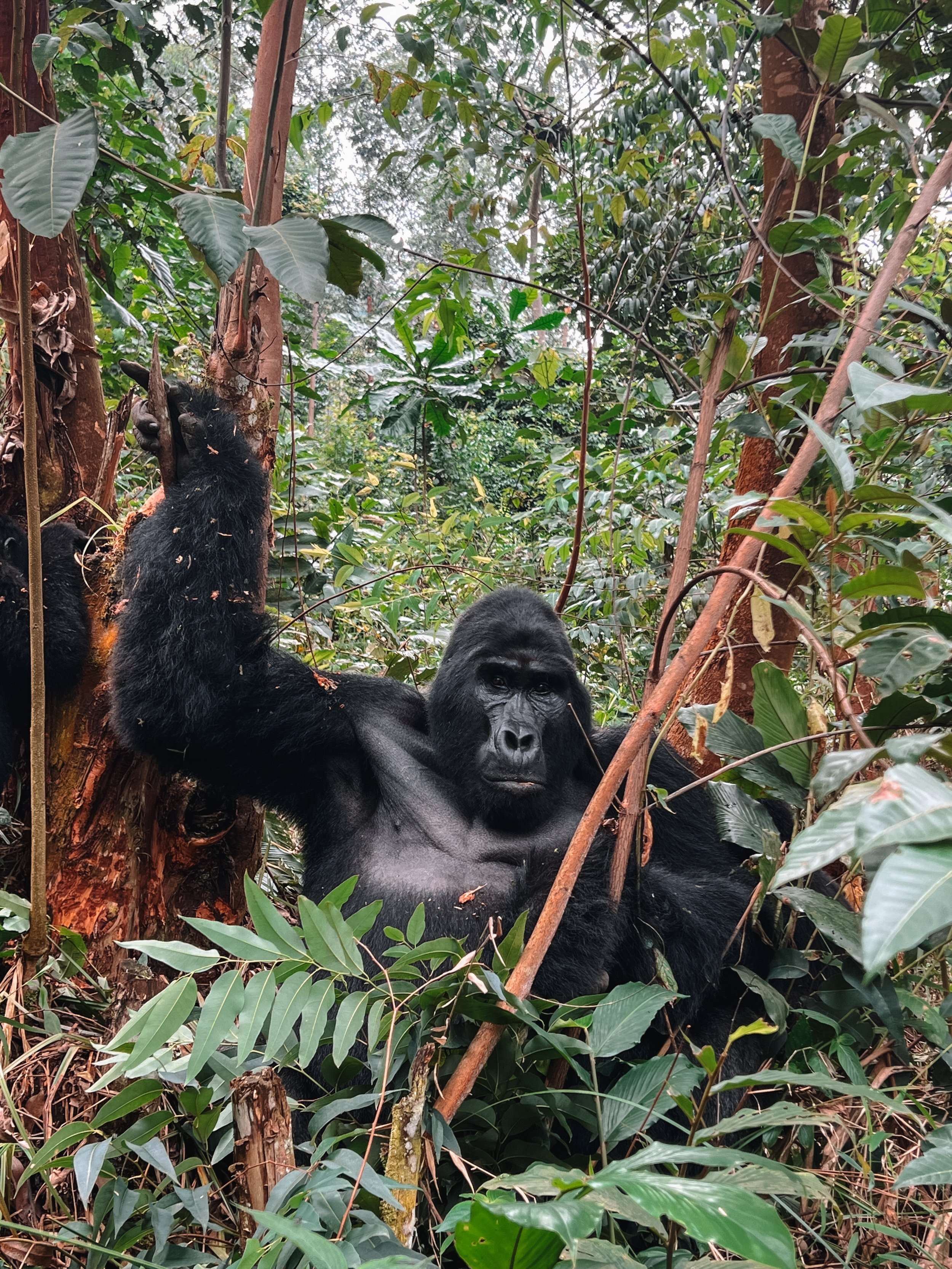
Central and West African destinations, including Uganda, Rwanda, and the Congo, offer specialized experiences like gorilla trekking that bring their own set of requirements. These destinations often involve more challenging terrain and different logistical considerations compared to the classic savanna safari.
Southern Africa presents a different landscape for complete guide to kudu antelope. Countries like Botswana, South Africa, Namibia, and Zimbabwe each have established infrastructure and practices that reflect their unique environments. The Okavango Delta, for instance, requires water-based considerations that land-based safaris in Kruger National Park do not.
East African safaris, particularly in Kenya and Tanzania, have their own distinct approach to complete guide to kudu antelope. The Serengeti-Mara ecosystem, which hosts the Great Migration, requires specific planning considerations that differ from destinations like Amboseli or Ngorongoro. Understanding these regional differences is crucial for optimizing your experience.
Practical Planning Steps: Complete Guide to Kudu Antelope
Step one in addressing complete guide to kudu antelope is to clearly define your priorities and expectations. Are you focused on specific wildlife sightings, cultural experiences, photography opportunities, or a combination? Your answer will shape every subsequent decision.
Step two involves researching your options thoroughly. Compare different destinations, operators, and approaches to complete guide to kudu antelope. Read reviews from verified travelers, consult with safari operators, and cross-reference information from multiple sources.
Step three is creating a detailed plan that accounts for all aspects of complete guide to kudu antelope. This should include timelines, budgets, backup options, and contingency plans. The most successful safari travelers are those who plan thoroughly while remaining flexible enough to adapt to changing conditions.
Understanding the Fundamentals
Experienced safari operators emphasize that preparation is the single most important factor in complete guide to kudu antelope. This means doing your research well in advance, consulting with knowledgeable advisors, and being willing to adapt your plans based on current conditions. The best safari experiences come from travelers who approach their journey with both enthusiasm and informed flexibility.
The foundation of complete guide to kudu antelope begins with understanding the basic principles. Safari environments across Africa present unique conditions that differ significantly from what most travelers are accustomed to. In East Africa, the vast savannas of Kenya and Tanzania create one set of considerations, while the dense forests of Uganda and Rwanda present entirely different challenges. Southern African destinations like Botswana and South Africa add yet another dimension.
Done Reading? Let's Build Your Safari.
Skip the guesswork. Work with an advisor who has been on the ground across East and Southern Africa.
Plan With UsRelated Resources
For more information on planning your safari, explore our destination guides, browse the safari operator directory, or connect with an experienced safari planning guide for personalized guidance.
Kudu Behavior and Social Dynamics
Kudus are known for being shy and elusive, often melting into the dense bush at the first sign of a threat. They are most active during the early morning and late afternoon, a behavior known as being crepuscular, which allows them to avoid the midday heat. Their social structure is built around small family groups of 6-12 individuals, typically composed of related females and their offspring. These herds are led by a dominant female who guides the group to food and water.
Male kudus, or bulls, generally lead solitary lives or form small, informal bachelor herds with other males. They only join the female herds during the mating season, which typically coincides with the end of the rainy season when food is abundant. A bull's dominance is established not through aggressive fighting, but through elaborate visual displays. A dominant male will make himself look as large as possible, turning sideways to showcase his impressive size and magnificent horns. Fights are rare, but when they do occur, bulls will lock horns and attempt to push each other into submission. Tragically, their horns can sometimes become permanently interlocked, leading to the death of both animals.
> Expert Insight: The distinctive spiral of a male kudu's horns begins to appear at around one year of age. A full two-and-a-half twists indicate a mature bull, typically around six years old. This can be a useful way for safari-goers to estimate the age of a kudu in the field.
Prime Destinations for Kudu Sightings
While kudus are widespread, their secretive nature can make them a challenging and rewarding sighting. For the best chances of encountering these majestic antelope, we recommend visiting parks known for their dense woodlands and thickets. Here are some of the top destinations our safari operators recommend:
| Country | National Park/Reserve | Why It's Great for Kudu | |---------------|------------------------------|---------------------------------------------------------------------------------------------------------------------| | South Africa | Kruger National Park | The southern and central regions, with their dense acacia woodlands, offer some of the most reliable kudu sightings in Africa. | | | Addo Elephant National Park | The thicket vegetation provides perfect cover for kudu, making it another excellent location in South Africa. | | Botswana | Chobe National Park | The riverfront areas and the Savuti region are prime habitats, especially during the dry season. | | | Moremi Game Reserve | The mix of mopane woodlands and floodplains in the Okavango Delta creates a diverse environment where kudus thrive. | | Zimbabwe | Mana Pools National Park | Famous for its beautiful albida woodlands along the Zambezi River, where kudus are frequently seen browsing. | | | Hwange National Park | The park's numerous waterholes attract kudus during the dry season, offering excellent viewing opportunities. | | Tanzania | Ruaha National Park | As Tanzania's largest national park, its remote and rugged landscape is home to a significant and healthy kudu population. |
> Traveler's Tip: The best time to spot kudu is during the dry season (typically June to October) when vegetation is less dense and animals congregate around permanent water sources. Their camouflage is less effective in the thinned-out bush, making them easier to see. For more tailored advice, check out our destinations guides.
Conservation Status and Responsible Travel
The Greater Kudu is currently listed as a species of "Least Concern" by the IUCN, with a stable and widespread population. However, they face localized threats from habitat loss due to agriculture and human settlement, as well as poaching for their meat and horns. The Lesser Kudu, found in the Horn of Africa, is considered "Near Threatened" due to more significant pressures from rinderpest, over-hunting, and habitat degradation.
Responsible safari tourism plays a vital role in the long-term conservation of these animals. By visiting national parks and private conservancies, you are contributing directly to habitat preservation and anti-poaching efforts. When you plan your safari, choosing operators committed to sustainable practices ensures that your journey has a positive impact. To understand the financial investment in such a trip, our cost calculator can provide a preliminary estimate.
Need Expert Safari Guidance?
Get expert advisory support from a firm founded by a former safari guide — with real operational knowledge across 9 African countries and full-journey accountability.
Related Planning Guides
Explore Related Topics
Recommended Reading
 Wildlife Guides
Complete Guide to Eland Antelope
A comprehensive guide to Complete Guide to Eland Antelope. Learn about its habitat, behavior, diet, and conservation status.
 Wildlife Guides
Complete Guide to Sable Antelope
A comprehensive guide to Complete Guide to Sable Antelope. Learn about its habitat, behavior, diet, and conservation status.
 Wildlife Guides
Complete Guide to Roan Antelope
A comprehensive guide to Complete Guide to Roan Antelope. Learn about its habitat, behavior, diet, and conservation status.
 Destination Guides
Complete Guide to Table Mountain National Park
A complete guide to Complete Guide to Table Mountain National Park. Learn about the wildlife, activities, and best time to visit this amazing destination.
 Destination Guides
Complete Guide to Garden Route Safari Options
A complete guide to Complete Guide to Garden Route Safari Options. Learn about the wildlife, activities, and best time to visit this amazing destination.
 Destination Guides
Complete Guide to Sabi Sands Game Reserve
A complete guide to Complete Guide to Sabi Sands Game Reserve. Learn about the wildlife, activities, and best time to visit this amazing destination.