
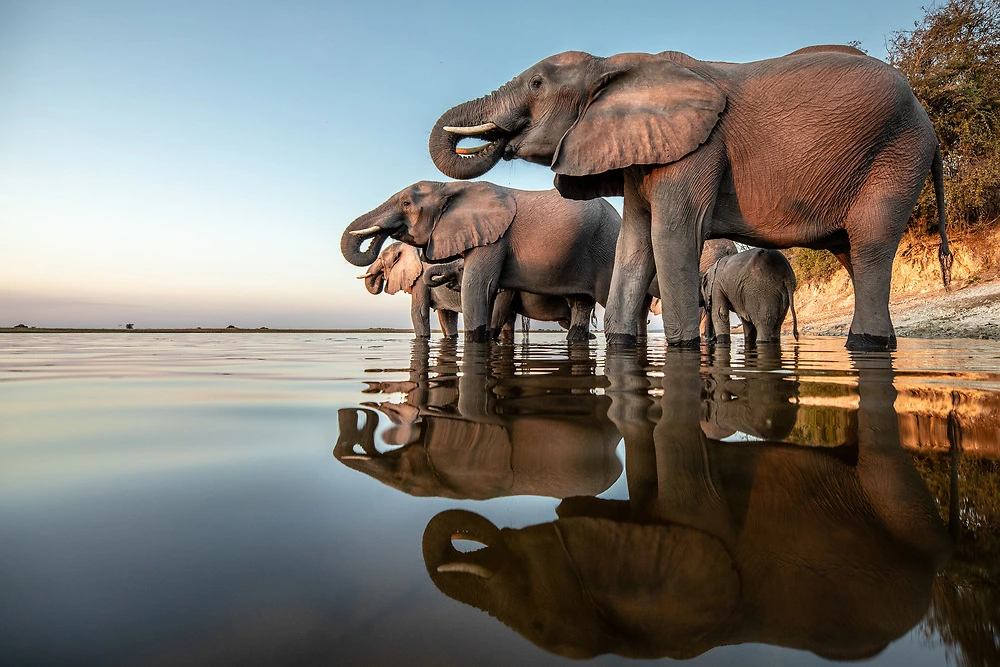
A comprehensive guide to Complete Guide to Black Mamba. Learn about its habitat, behavior, diet, and conservation status.
Complete Guide to Black Mamba
Understanding complete guide to black mamba can make the difference between a good safari and an extraordinary one. This guide combines insider knowledge with practical advice to ensure you are fully prepared.
Safety and Health Considerations: Complete Guide to Black Mamba
Health preparation is an essential component of complete guide to black mamba. Consult with a travel medicine specialist at least six weeks before your departure to discuss vaccinations, malaria prophylaxis, and other health precautions specific to your destinations.
Safety is paramount when it comes to complete guide to black mamba on safari. Reputable operators maintain strict safety protocols and employ experienced guides who are trained to handle a wide range of situations. Always verify that your chosen operator has proper licensing, insurance, and safety certifications.
Travel insurance that specifically covers safari activities is strongly recommended. Standard travel insurance policies may not cover all the activities and situations you might encounter on an African safari. Ensure your policy covers medical evacuation, trip cancellation, and activity-specific risks.
Still researching? Let us help.
Our advisory team has planned safaris across 9 African countries. We can turn your research into a real plan.
Talk to an AdvisorCommon Mistakes to Avoid
Another common error is relying solely on online reviews without consulting experienced professionals. While traveler reviews provide valuable perspectives, they often lack the context and expertise that a qualified safari planning guide can offer. The best approach combines both sources of information.
One of the most frequent mistakes travelers make with complete guide to black mamba is waiting too long to start planning. Popular safari destinations and lodges book up months in advance, especially during peak season. Last-minute planning often results in limited options and higher costs.
Regional Considerations Across Africa: Complete Guide to Black Mamba
Southern Africa presents a different landscape for complete guide to black mamba. Countries like Botswana, South Africa, Namibia, and Zimbabwe each have established infrastructure and practices that reflect their unique environments. The Okavango Delta, for instance, requires water-based considerations that land-based safaris in Kruger National Park do not.
East African safaris, particularly in Kenya and Tanzania, have their own distinct approach to complete guide to black mamba. The Serengeti-Mara ecosystem, which hosts the Great Migration, requires specific planning considerations that differ from destinations like Amboseli or Ngorongoro. Understanding these regional differences is crucial for optimizing your experience.
Expert Recommendations
Safari advisors consistently recommend starting your planning process at least six to twelve months before your intended travel dates. This lead time allows you to secure preferred accommodations, take advantage of early booking rates, and properly prepare for all aspects of complete guide to black mamba.
Working with a qualified safari planning guide can significantly improve your experience with complete guide to black mamba. Advisors who have personal experience in your chosen destinations can provide insights that no guidebook or website can match. They understand the subtle differences between properties, the best times to visit specific areas, and how to structure an itinerary that maximizes your time.
Done Reading? Let's Build Your Safari.
Skip the guesswork. Work with an advisor who has been on the ground across East and Southern Africa.
Plan With UsPractical Planning Steps: Complete Guide to Black Mamba
Step one in addressing complete guide to black mamba is to clearly define your priorities and expectations. Are you focused on specific wildlife sightings, cultural experiences, photography opportunities, or a combination? Your answer will shape every subsequent decision.
Step three is creating a detailed plan that accounts for all aspects of complete guide to black mamba. This should include timelines, budgets, backup options, and contingency plans. The most successful safari travelers are those who plan thoroughly while remaining flexible enough to adapt to changing conditions.
Step two involves researching your options thoroughly. Compare different destinations, operators, and approaches to complete guide to black mamba. Read reviews from verified travelers, consult with safari operators, and cross-reference information from multiple sources.
Related Resources
For more information on planning your safari, explore our destination guides, browse the safari operator directory, or connect with an experienced safari planning guide for personalized guidance.
Black Mamba vs. Other Venomous Snakes
While the black mamba rightfully commands respect, it is essential for safari-goers to understand how it compares to other venomous snakes commonly found in safari destinations. This knowledge helps build a more comprehensive understanding of the risks and realities of the African bush.
| Feature | Black Mamba | Puff Adder | Gaboon Viper | | :--- | :--- | :--- | :--- | | Venom Type | Potent neurotoxin | Cytotoxic | Cytotoxic | | Temperament | Shy, will flee if possible | Ambush predator, slow-moving | Ambush predator, placid | | Strike Speed | Extremely fast | Very fast | Fastest strike of any snake | | Appearance | Slender, grey to olive-brown | Thick-bodied, chevron pattern | Thick-bodied, geometric pattern |
Expert Insight: The Puff Adder is responsible for more snakebite fatalities in Africa than any other snake. This is not because its venom is the most potent, but because of its camouflage, wide distribution, and its habit of lying still when approached, making it easy to step on.
Encountering a Black Mamba on Safari
An encounter with a black mamba in the wild is a rare and memorable experience. While these snakes are shy and will almost always avoid human contact, it is crucial to know how to react if you find yourself in close proximity.
- Do Not Approach: Maintain a safe distance of at least 30 feet (10 meters). Never attempt to get closer for a better look or a photograph.
- Stay Calm and Still: Sudden movements can be perceived as a threat. If the snake is stationary, freeze and slowly back away.
- Inform Your Guide: Immediately and quietly alert your safari guide. They are trained to handle such situations and will ensure the safety of the group.
- Never Corner the Snake: Ensure the mamba has a clear escape route. A cornered snake is a dangerous snake.
Traveler's Tip: When on a walking safari, always wear sturdy, closed-toe hiking boots and long trousers. Pay close attention to where you place your feet and hands, especially when walking through tall grass or rocky areas. Your guide will lead the way and is your first line of defense. For more information on safari safety, visit our knowledge center.
The Role of the Black Mamba in the Ecosystem
The black mamba plays a vital role in its habitat, primarily as a predator that helps control populations of small mammals and birds. Its diet consists mainly of rodents, squirrels, and bushbabies. By keeping these populations in check, the black mamba helps maintain a balanced and healthy ecosystem.
Despite its fearsome reputation, the black mamba is also prey for other animals. Birds of prey, such as the secretary bird and the brown snake eagle, are known to hunt and kill black mambas. This predator-prey relationship is a fundamental part of the African food web and highlights the interconnectedness of all species in the wild.
Conservation Status and Threats
The black mamba is currently listed as a species of "Least Concern" by the International Union for Conservation of Nature (IUCN). This means that it is not currently at risk of extinction. However, like all wildlife, the black mamba faces threats from human activity.
Habitat loss and fragmentation due to agriculture and urban development are the primary threats to the black mamba. As human populations expand, the snake's natural habitat shrinks, leading to more frequent encounters with humans. These encounters often end badly for the snake, as they are typically killed out of fear.
By supporting responsible tourism and conservation efforts, you can help protect the black mamba and its habitat. To learn more about how you can contribute, connect with our safari operators or explore our plan your safari resources.
Need Expert Safari Guidance?
Get expert advisory support from a firm founded by a former safari guide — with real operational knowledge across 9 African countries and full-journey accountability.
Related Planning Guides
Explore Related Topics
Recommended Reading
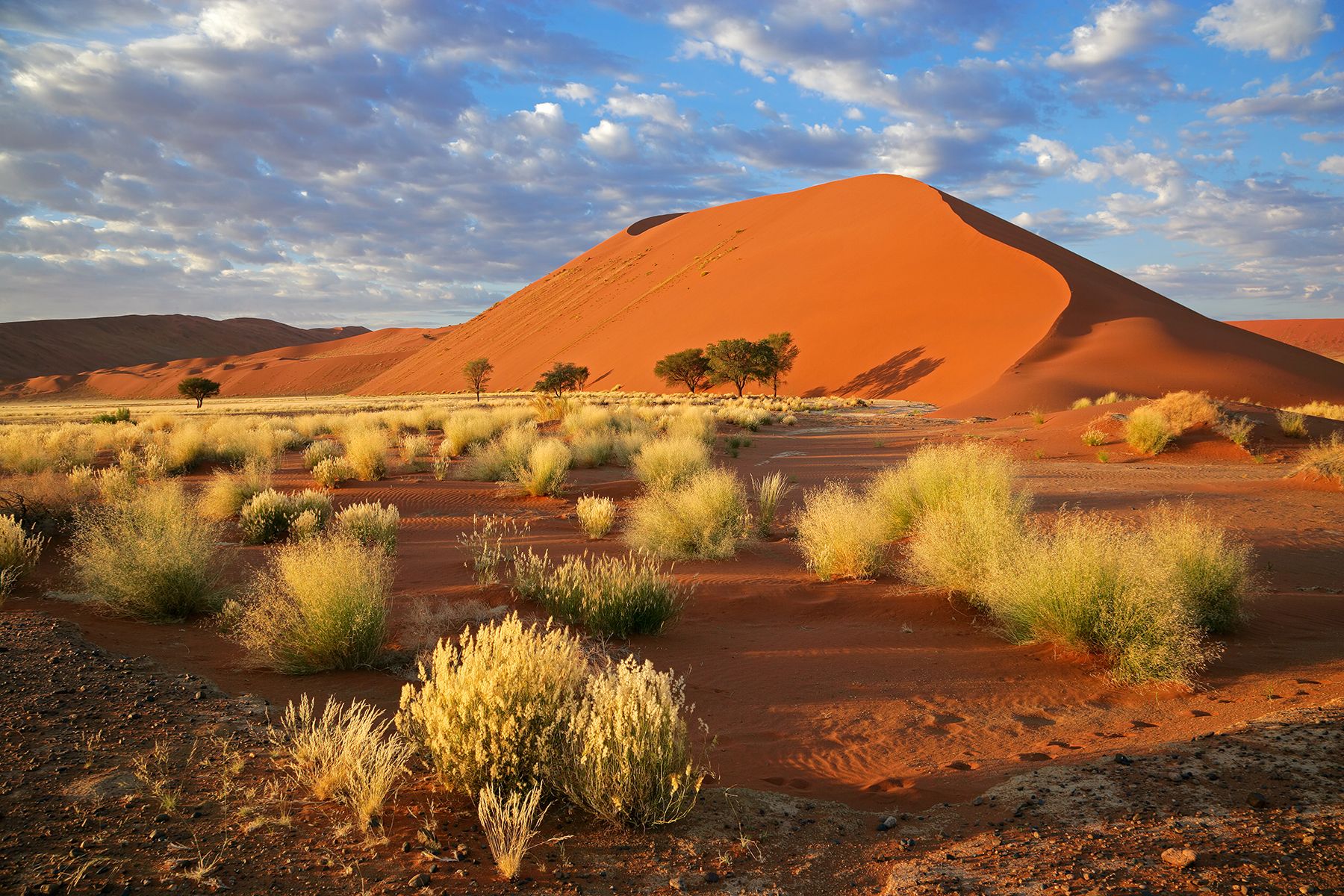 Wildlife Guides
Complete Guide to Black Rhinoceros Conservation
Learn all about Complete Guide to Black Rhinoceros Conservation in this comprehensive guide. Discover the best time to go, what to see, and how to plan your trip.
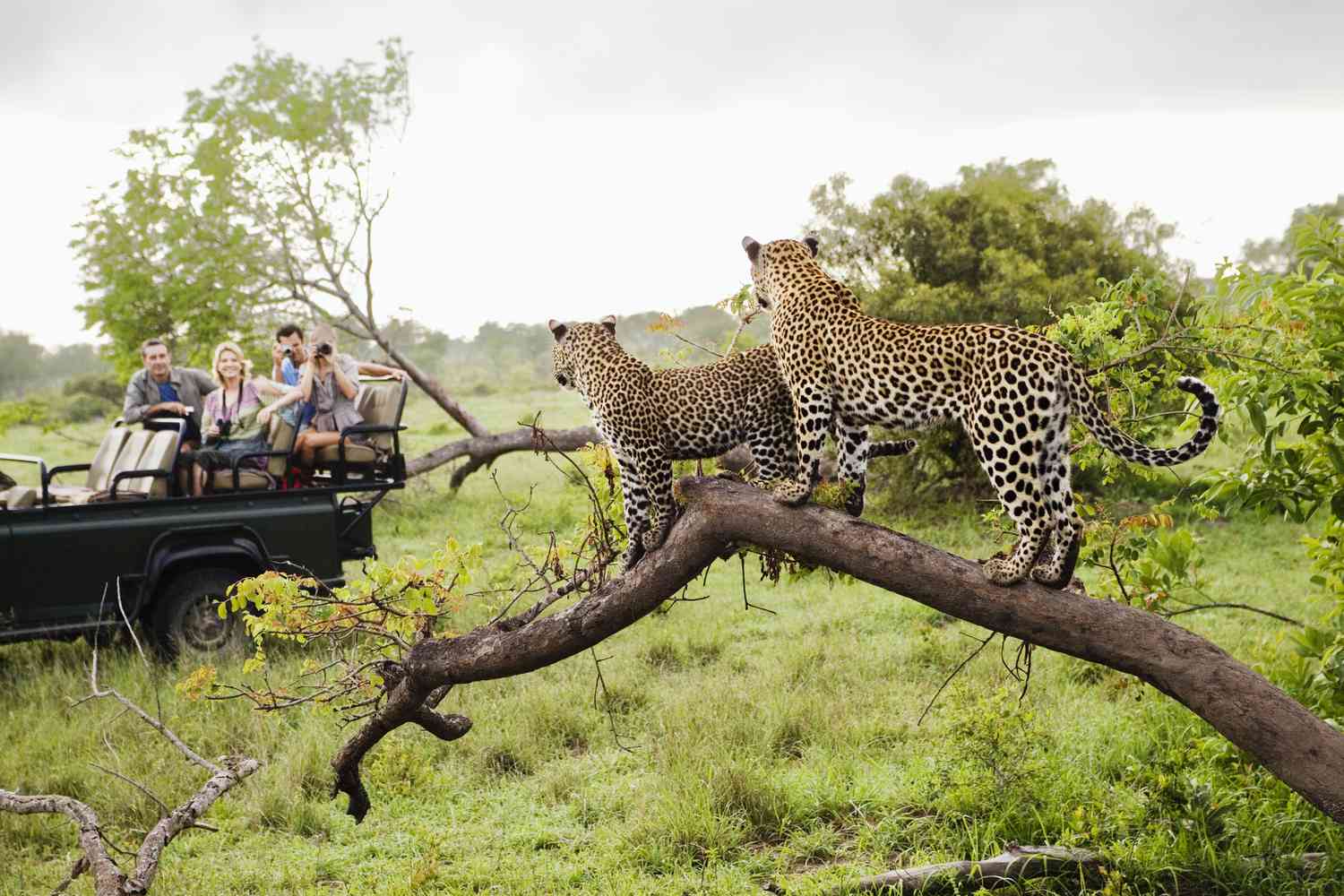 Wildlife Guides
Complete Guide to Black-Backed Jackal
Learn all about Complete Guide to Black-Backed Jackal in this comprehensive guide. Discover the best time to go, what to see, and how to plan your trip.
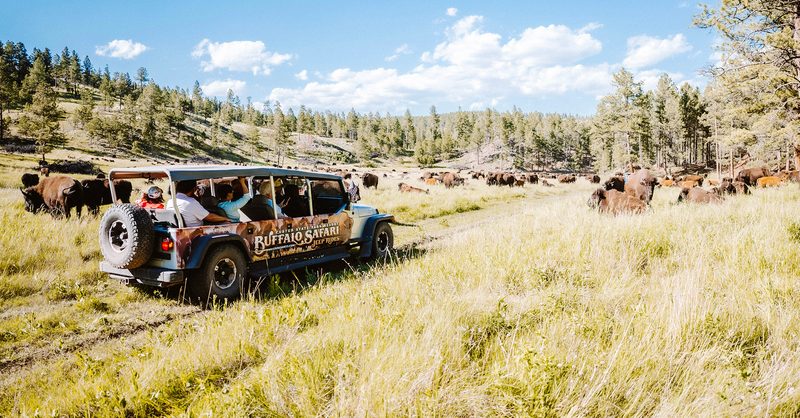 Wildlife Guides
Complete Guide to African Lion Behavior
Delve into the complex social structure, hunting techniques, and communication methods of the African lion. Understand the king of the savanna with this in-depth guide.
 Destination Guides
Complete Guide to Table Mountain National Park
A complete guide to Complete Guide to Table Mountain National Park. Learn about the wildlife, activities, and best time to visit this amazing destination.
 Destination Guides
Complete Guide to Garden Route Safari Options
A complete guide to Complete Guide to Garden Route Safari Options. Learn about the wildlife, activities, and best time to visit this amazing destination.
 Destination Guides
Complete Guide to Sabi Sands Game Reserve
A complete guide to Complete Guide to Sabi Sands Game Reserve. Learn about the wildlife, activities, and best time to visit this amazing destination.