
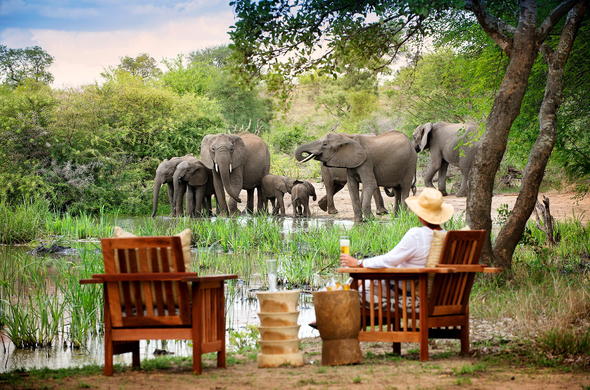
A comprehensive guide to Complete Guide to Monitor Lizard Species. Learn about its habitat, behavior, diet, and conservation status.
Complete Guide to Monitor Lizard Species
One of the most common questions we receive from safari travelers relates to complete guide to monitor lizard species. After helping hundreds of travelers plan their African adventures, we have compiled this detailed resource to address every aspect of this important topic.
Common Mistakes to Avoid
Underestimating the importance of complete guide to monitor lizard species is perhaps the biggest mistake of all. Travelers who give this aspect of their safari proper attention consistently report more satisfying experiences than those who treat it as an afterthought.
Another common error is relying solely on online reviews without consulting experienced professionals. While traveler reviews provide valuable perspectives, they often lack the context and expertise that a qualified safari planning guide can offer. The best approach combines both sources of information.
One of the most frequent mistakes travelers make with complete guide to monitor lizard species is waiting too long to start planning. Popular safari destinations and lodges book up months in advance, especially during peak season. Last-minute planning often results in limited options and higher costs.
Still researching? Let us help.
Our advisory team has planned safaris across 9 African countries. We can turn your research into a real plan.
Talk to an AdvisorPractical Planning Steps: Complete Guide to Monitor Lizard Species
Step two involves researching your options thoroughly. Compare different destinations, operators, and approaches to complete guide to monitor lizard species. Read reviews from verified travelers, consult with safari operators, and cross-reference information from multiple sources.
Step three is creating a detailed plan that accounts for all aspects of complete guide to monitor lizard species. This should include timelines, budgets, backup options, and contingency plans. The most successful safari travelers are those who plan thoroughly while remaining flexible enough to adapt to changing conditions.
Step one in addressing complete guide to monitor lizard species is to clearly define your priorities and expectations. Are you focused on specific wildlife sightings, cultural experiences, photography opportunities, or a combination? Your answer will shape every subsequent decision.
Seasonal Factors and Timing
Weather patterns across Africa are becoming less predictable due to climate change, which adds another layer of consideration to complete guide to monitor lizard species. Working with operators who have current, on-the-ground knowledge of conditions is more important than ever.
The timing of your safari significantly impacts complete guide to monitor lizard species. Dry season months, typically June through October in most East African destinations, offer different conditions than the green season months of November through May. Each period has distinct advantages and considerations.
Peak season brings excellent wildlife viewing but also higher prices and more crowded parks. Shoulder seasons offer a balance of good conditions and fewer crowds. Understanding how seasonal factors affect complete guide to monitor lizard species helps you choose the optimal time for your specific priorities.
Safety and Health Considerations
Safety is paramount when it comes to complete guide to monitor lizard species on safari. Reputable operators maintain strict safety protocols and employ experienced guides who are trained to handle a wide range of situations. Always verify that your chosen operator has proper licensing, insurance, and safety certifications.
Health preparation is an essential component of complete guide to monitor lizard species. Consult with a travel medicine specialist at least six weeks before your departure to discuss vaccinations, malaria prophylaxis, and other health precautions specific to your destinations.
Travel insurance that specifically covers safari activities is strongly recommended. Standard travel insurance policies may not cover all the activities and situations you might encounter on an African safari. Ensure your policy covers medical evacuation, trip cancellation, and activity-specific risks.
Done Reading? Let's Build Your Safari.
Skip the guesswork. Work with an advisor who has been on the ground across East and Southern Africa.
Plan With UsUnderstanding the Fundamentals: Complete Guide to Monitor Lizard Species
The foundation of complete guide to monitor lizard species begins with understanding the basic principles. Safari environments across Africa present unique conditions that differ significantly from what most travelers are accustomed to. In East Africa, the vast savannas of Kenya and Tanzania create one set of considerations, while the dense forests of Uganda and Rwanda present entirely different challenges. Southern African destinations like Botswana and South Africa add yet another dimension.
Experienced safari operators emphasize that preparation is the single most important factor in complete guide to monitor lizard species. This means doing your research well in advance, consulting with knowledgeable advisors, and being willing to adapt your plans based on current conditions. The best safari experiences come from travelers who approach their journey with both enthusiasm and informed flexibility.
Related Resources
For more information on planning your safari, explore our destination guides, browse the safari operator directory, or connect with an experienced safari planning guide for personalized guidance.
A Closer Look at Africa's Most Common Monitor Lizards
While the monitor lizard family is diverse, there are a few species you are most likely to encounter on an African safari. Understanding their unique characteristics will enrich your wildlife viewing experience.
The Nile Monitor (Varanus niloticus)
The Nile Monitor is Africa's largest lizard, a formidable predator that can reach lengths of up to 2.4 meters (8 feet). Their powerful limbs and webbed feet make them excellent swimmers, and they are rarely found far from a permanent water source. Their diet is incredibly varied and includes fish, frogs, bird eggs, and even small crocodiles. They are notorious for raiding crocodile nests, using their powerful claws to dig up and feast on the eggs.
Expert Insight: When on a boat safari in places like Murchison Falls National Park in Uganda or along the Chobe River in Botswana, keep an eye on the riverbanks. You'll often spot Nile Monitors basking in the sun to regulate their body temperature. Their sheer size and prehistoric appearance make for a memorable sighting.
The Rock Monitor (Varanus albigularis)
Also known as the white-throated monitor, the Rock Monitor is a heavy-bodied lizard, more terrestrial than its Nile cousin. They are skilled climbers, using their long claws to scale trees and rocky outcrops (kopjes) in search of food or to escape danger. Their diet consists of insects, snails, and small vertebrates. They are less dependent on water and can be found in a wider range of habitats, from savannas to woodlands.
When planning your safari, discussing your interest in specific wildlife, like monitor lizards, with one of our safari operators can help tailor your itinerary to parks where they are abundant. Explore our destinations to see which parks best fit your interests.
The Ecological Role of Monitor Lizards
Monitor lizards are not just fascinating creatures to observe; they are a vital part of a healthy ecosystem. As opportunistic carnivores, they play a crucial role in controlling populations of smaller animals and insects. Their scavenging habits are equally important, as they clean up carcasses, which helps prevent the spread of disease.
The presence of a healthy monitor lizard population is often an indicator of a thriving and balanced environment. Their intelligence and complex problem-solving abilities are a subject of ongoing research, revealing them to be far more than just primitive reptiles.
Traveler's Tips for Observing Monitor Lizards
Spotting a monitor lizard in the wild is a rewarding experience. Here are a few tips to increase your chances:
- Scan the Water's Edge: For Nile Monitors, focus your attention on the banks of rivers and lakes, especially during the warmer parts of the day.
- Check the Rocks and Trees: Rock Monitors are often seen basking on sun-drenched rocks or climbing trees. Their camouflage can make them tricky to spot, so a keen eye is needed.
- Listen for Movement: Sometimes, the first sign of a monitor lizard is the rustling of leaves as it moves through the undergrowth.
Traveler's Tip: A good pair of binoculars is invaluable for getting a closer look at these wary reptiles without disturbing them. Always maintain a respectful distance, both for your safety and the animal's well-being. For more safari tips, visit our knowledge center.
Conservation and Responsible Tourism
While most monitor lizard populations are stable, they face threats from habitat loss and the illegal pet trade. By choosing responsible safari operators and supporting conservation initiatives, travelers can play a part in protecting these incredible animals and their habitats for future generations. Understanding the cost and value of a well-planned safari is the first step, and our cost calculator can provide a helpful starting point.
Ready to see these prehistoric-looking reptiles in their natural habitat? Plan your safari with us for an adventure that is both thrilling and responsible.
Need Expert Safari Guidance?
Get expert advisory support from a firm founded by a former safari guide — with real operational knowledge across 9 African countries and full-journey accountability.
Related Planning Guides
Explore Related Topics
Recommended Reading
 Wildlife Guides
Complete Guide to Giraffe Species and Subspecies
Learn all about Complete Guide to Giraffe Species and Subspecies in this comprehensive guide. Discover the best time to go, what to see, and how to plan your trip.
 Wildlife Guides
Complete Guide to Vulture Species of Africa
Learn all about Complete Guide to Vulture Species of Africa in this comprehensive guide. Discover the best time to go, what to see, and how to plan your trip.
 Wildlife Guides
Complete Guide to Hornbill Species of Africa
Learn all about Complete Guide to Hornbill Species of Africa in this comprehensive guide. Discover the best time to go, what to see, and how to plan your trip.
 Destination Guides
Complete Guide to Table Mountain National Park
A complete guide to Complete Guide to Table Mountain National Park. Learn about the wildlife, activities, and best time to visit this amazing destination.
 Destination Guides
Complete Guide to Garden Route Safari Options
A complete guide to Complete Guide to Garden Route Safari Options. Learn about the wildlife, activities, and best time to visit this amazing destination.
 Destination Guides
Complete Guide to Sabi Sands Game Reserve
A complete guide to Complete Guide to Sabi Sands Game Reserve. Learn about the wildlife, activities, and best time to visit this amazing destination.