
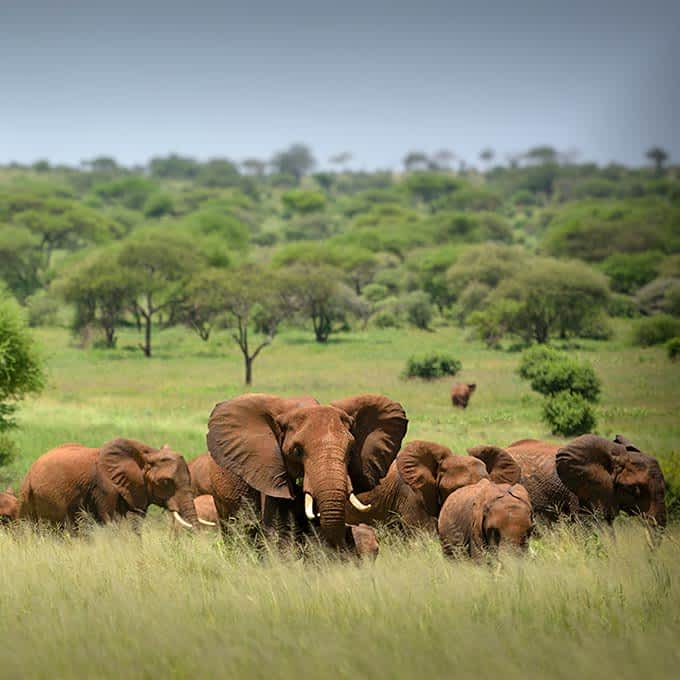
Expert guide on best time to visit tanzania for safari with month-by-month conditions, pricing, and planning recommendations for safari travelers.
The Dry Season: June to October
The dry season is generally considered the best time to visit Tanzania for a safari. During this time, the weather is pleasant, with clear skies and plenty of sunshine. The lack of rain means that the vegetation is less dense, making it easier to spot wildlife. Animals are also more concentrated around water sources, such as rivers and waterholes, which can make for some incredible game viewing opportunities. This is the peak season for tourism, so be sure to book your trip well in advance. Our destinations page has more on Tanzania's national parks.
The Green Season: November to May
The green season, also known as the wet season, can also be a great time to visit Tanzania. The landscape is lush and green, and the birdwatching is spectacular. This is also the time of year when many animals give birth, so you may have the chance to see baby animals on your safari. The green season is also the low season for tourism, so you can often find better deals on accommodation and tours. However, the rain can sometimes make roads impassable, so it is important to be flexible with your travel plans. Our knowledge center has more on the pros and cons of traveling during the green season.
Still researching? Let us help.
Our advisory team has planned safaris across 9 African countries. We can turn your research into a real plan.
Talk to an AdvisorThe Great Migration
The Great Migration is one of the most incredible wildlife spectacles on Earth. Every year, millions of wildebeest, zebras, and other herbivores migrate across the Serengeti in search of fresh grazing. The timing of the migration varies from year to year, but it generally follows a predictable pattern. If you want to witness the Great Migration, it is important to plan your trip carefully to ensure that you are in the right place at the right time. Our safari operators can help you plan the ultimate Great Migration safari.
A Deeper Dive: Tanzania's Safari Seasons Month by Month
While the dry season (June to October) is broadly recommended, a month-by-month perspective reveals nuances critical for planning the perfect safari. Understanding these details allows you to align your trip with specific wildlife viewing goals.
June to October: The Peak Dry Season
This is the classic safari season for a reason. Water sources become scarce, forcing animals to congregate around rivers and waterholes, making them easier to spot. The vegetation is less dense, and the skies are generally clear and sunny.
- June & July: The Great Migration is typically in the Western Serengeti, crossing the Grumeti River. This is a dramatic time, but the river crossings are not as guaranteed as the later Mara River crossings. Tarangire National Park begins to shine as elephants arrive in vast numbers.
- August & September: This is the absolute peak. The Great Migration's mega-herds are in the Northern Serengeti, famously crossing the Mara River into Kenya's Maasai Mara. This is a spectacle of immense drama and a bucket-list item for many. However, this is also the busiest and most expensive time. Bookings must be made a year or more in advance. In the south, Ruaha and Nyerere National Parks (formerly Selous) are at their prime for wildlife viewing.
- October: The last month of the dry season. The land is parched, and wildlife is highly concentrated. It's an excellent time for predator action as prey is often weaker. The migration herds are starting to move south again from the Mara.
> Expert Insight: While the Mara River crossing is iconic, it can be crowded with vehicles. For a more intimate experience, consider the Grumeti River crossings in June or July. The drama is still immense, but the audience is smaller. Our safari operators can secure bookings at camps that offer prime, private viewing locations.
November to May: The Green & Calving Seasons
This period is often overlooked but offers incredible rewards for the discerning traveler. It's characterized by two rainy periods: the 'short rains' (November/December) and the 'long rains' (April/May).
- November & December: The short rains bring relief to the dry landscape, transforming it into a lush, green paradise. This is a fantastic time for photographers. Many migratory birds arrive, making it a birder's dream. The migration is in the northeastern Serengeti, moving south towards the Ndutu plains.
- January to March: This is the calving season in the Southern Serengeti (Ndutu). Hundreds of thousands of wildebeest are born within a few-week period, creating a truly moving spectacle and a magnet for predators. It's a phenomenal time for action-packed game viewing.
- April & May: The heart of the 'long rains'. While some camps close, those that remain open offer incredible value. The landscape is stunningly green, and you'll often have vast areas to yourself. It's not ideal for a first-time safari, but for seasoned travelers, the solitude and atmosphere are unmatched.
Beyond the Serengeti: Seasonal Timing in Other Parks
Tanzania is more than just the Serengeti. The best time to visit can depend entirely on which circuit you choose.
- Tarangire National Park: Best from July to October when enormous herds of elephants and other animals are drawn to the Tarangire River.
- Ngorongoro Crater: A year-round destination due to the high concentration of resident wildlife. However, it can be very crowded during the peak dry season.
- Ruaha & Nyerere National Parks (Southern Circuit): Like Tarangire, these parks are best in the dry season (June to October). Their remote, wild character offers a different flavor of safari.
Done Reading? Let's Build Your Safari.
Skip the guesswork. Work with an advisor who has been on the ground across East and Southern Africa.
Plan With UsThe "Green Season": A Hidden Gem for Savvy Travelers
Don't dismiss the 'Green Season' (November-March). While the dry season guarantees easier sightings, the green season offers:
- Lower Costs: Accommodation and tour prices can be significantly lower.
- Fewer Crowds: Enjoy a more exclusive and intimate wildlife experience.
- Stunning Landscapes: The vibrant green scenery is a photographer's dream.
- The Miracle of Birth: Witness the calving season, a life-affirming spectacle.
> Traveler's Tip: If you're a keen photographer or a repeat visitor to Africa, the green season is a must. The combination of dramatic skies, lush backdrops, and newborn animals provides unparalleled photographic opportunities. Explore our knowledge center for more articles on safari photography.
How Seasonality Impacts Your Safari Budget
The time of year you travel is one of the biggest factors influencing the cost of your Tanzanian safari. Prices for the exact same itinerary can vary by 30-50%.
- Peak Season (July-September, Christmas/New Year): Highest prices. Demand is extreme, and lodges are booked far in advance.
- High Season (June, October, January-February): Slightly lower than peak, but still premium pricing.
- Shoulder/Green Season (November, December, March): Excellent value. A great balance of good weather, wildlife viewing, and more reasonable costs.
- Low/Rainy Season (April-May): Lowest prices. Many lodges offer significant discounts.
Understanding this pricing structure is key to maximizing your budget. Our cost calculator can help you estimate expenses for different seasons. For a detailed, personalized quote, it's best to plan your safari with one of our experts who can tailor the trip to your budget and travel dates.
Need Expert Safari Guidance?
Get expert advisory support from a firm founded by a former safari guide — with real operational knowledge across 9 African countries and full-journey accountability.
Related Planning Guides
Recommended Reading
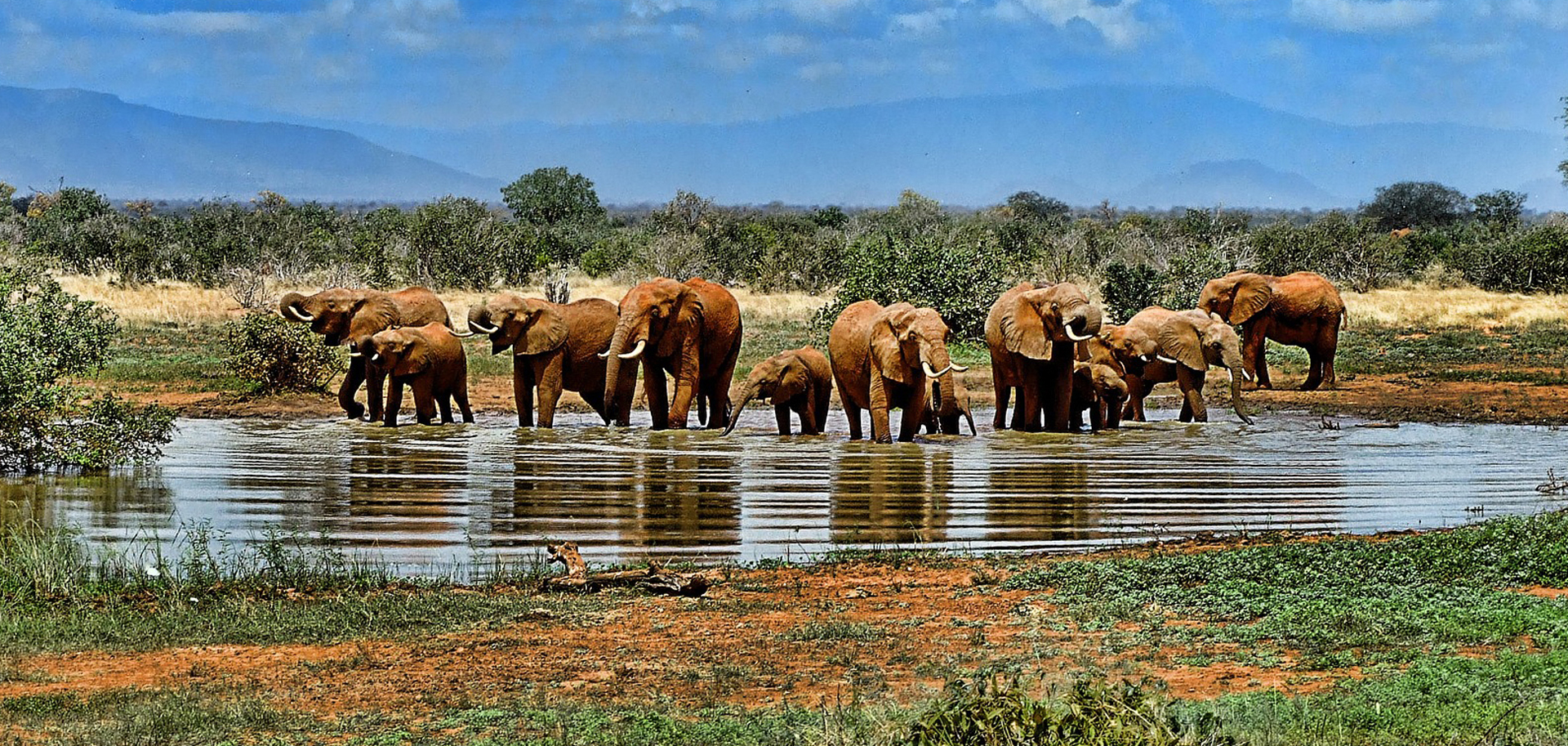 Season & Timing Guides
Best Time to Visit Kenya for Safari
Expert guide on best time to visit kenya for safari with month-by-month conditions, pricing, and planning recommendations for safari travelers.
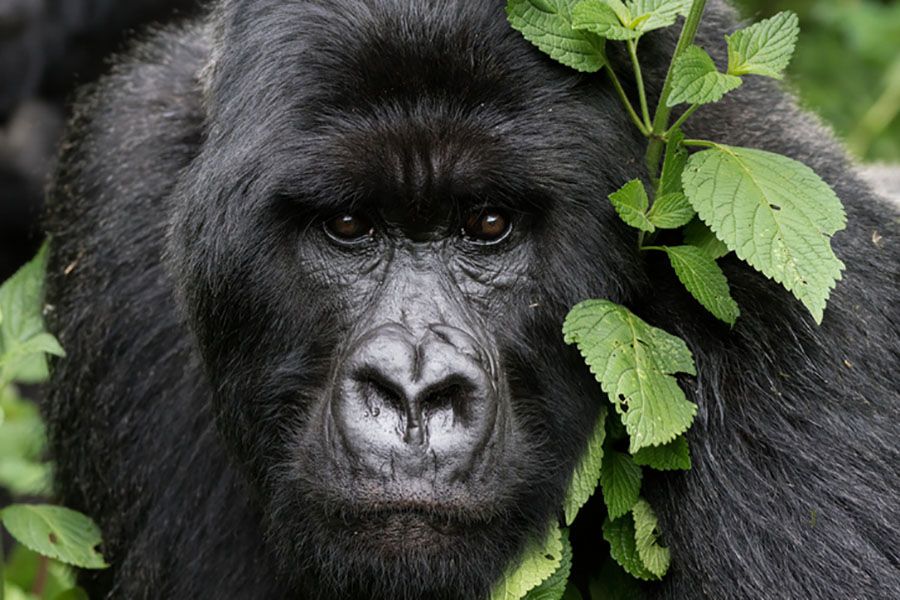 Season & Timing Guides
Best Time to Visit Botswana for Safari
Expert guide on best time to visit botswana for safari with month-by-month conditions, pricing, and planning recommendations for safari travelers.
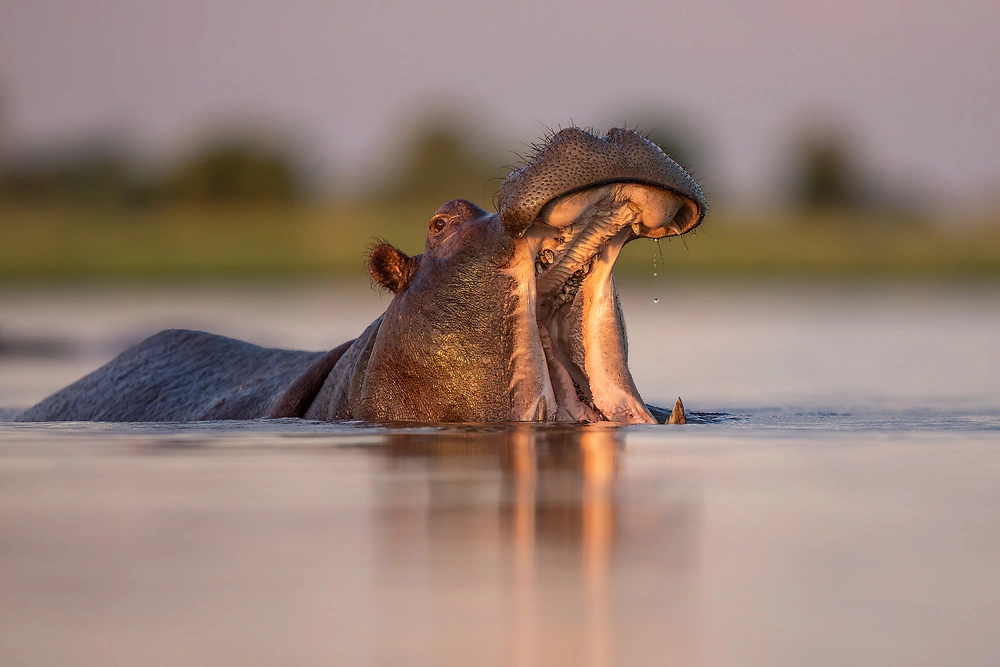 Season & Timing Guides
Best Time to Visit South Africa for Safari
Expert guide on best time to visit south africa for safari with month-by-month conditions, pricing, and planning recommendations for safari travelers.
 Safari Planning
Best Countries for First-Time Safari Travelers
Discover the best countries for a first-time safari. Our expert guide compares Tanzania, Kenya, South Africa, and more to help you plan your dream African adventure.
 Safari Planning
Best Time of Year to Go on Safari
Discover the best time of year to go on an African safari. Learn about the wet and dry seasons, and find out the ideal months to visit top destinations.
 Safari Safety
Safari Safety Tips for First-Time Visitors
Planning your first African safari? Our expert guide provides essential safari safety tips for a worry-free adventure, from wildlife encounters to health advice.