
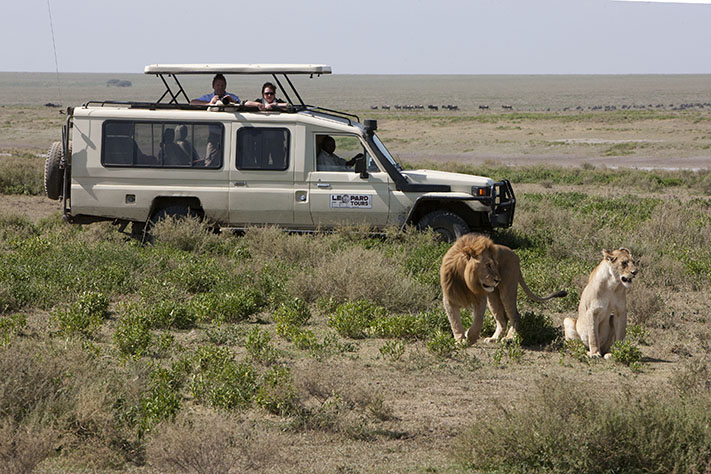
Expert guide on best time to see whales in south africa with month-by-month conditions, pricing, and planning recommendations for safari travelers.
The Whale Watching Capital of the World
Hermanus, a small town on the coast of South Africa, is known as the whale watching capital of the world. From June to November, southern right whales come to the waters off Hermanus to breed and calve. The whales can be seen from the shore, and there are also a number of boat-based whale watching tours available. Our destinations page has more on Hermanus.
The Whale Route
The Whale Route is a scenic drive along the coast of South Africa, from Cape Town to Durban. The route passes through a number of whale watching hotspots, including Hermanus, Plettenberg Bay, and the De Hoop Nature Reserve. The best time to drive the Whale Route is from June to November, when the whales are in the area. Our knowledge center has more on the Whale Route.
Still researching? Let us help.
Our advisory team has planned safaris across 9 African countries. We can turn your research into a real plan.
Talk to an AdvisorA Marine Big Five Safari
In addition to whales, the waters off the coast of South Africa are home to a variety of other marine life, including dolphins, seals, penguins, and great white sharks. A marine Big Five safari is a great way to see all of these incredible creatures. Our safari operators can help you plan a marine safari that combines whale watching with other marine activities.
Beyond Hermanus: Exploring the Full Whale Route
While Hermanus is rightfully celebrated as the heart of the Whale Route, the coastline offers numerous other vantage points for spectacular whale watching. Exploring these lesser-known spots can provide a more intimate and less crowded experience.
Gansbaai: Just a short drive from Hermanus, Gansbaai is famous for its shark cage diving but is also a prime location for whale watching. Here, you can often see Southern Right Whales and their calves in the sheltered bays. Boat tours from Gansbaai offer a chance to see the Marine Big Five: whales, sharks, dolphins, seals, and penguins.
De Kelders: This series of coastal caves and rock formations offers some of the best land-based whale watching in the world. The deep, sheltered waters of Walker Bay allow whales to come very close to the shore, providing incredible viewing opportunities from the cliffs.
Witsand: Known as the "whale nursery of South Africa," Witsand is where a significant number of Southern Right Whales come to calve and nurse their young. The St. Sebastian Bay is a protected area, and the sheer number of whales here during peak season is breathtaking.
> Expert Insight: For a unique perspective, consider a guided sea kayaking trip in Walker Bay. Paddling alongside these gentle giants (at a safe and respectful distance) is an unforgettable experience. Our safari operators can connect you with reputable operators.
A Closer Look at South Africa's Whales
South Africa's waters are a seasonal home to several whale species. Understanding their behavior and characteristics can greatly enhance your whale watching adventure.
Southern Right Whales (*Eubalaena australis*)
The star of the show, the Southern Right Whale, migrates from the frigid waters of the Antarctic to the warmer coastal bays of South Africa to breed and calve. They are known for their acrobatic displays, including breaching, tail-slapping, and spy-hopping.
- Identification: They are large, dark-colored whales with no dorsal fin and distinctive callosities (rough patches of skin) on their heads.
- Behavior: Mothers and calves are often seen together, with the calves learning essential survival skills from their mothers.
Humpback Whales (*Megaptera novaeangliae*)
Humpback whales also migrate along the South African coast, although their route is generally further offshore than the Southern Rights. They are famous for their complex and melodic songs.
- Identification: Humpbacks have long pectoral fins, a small dorsal fin, and a knobbly head.
- Behavior: They are known for their energetic breaches and pectoral fin slapping. The annual Sardine Run along the east coast provides a feeding frenzy for humpbacks and other predators.
Bryde's Whales (*Balaenoptera edeni*)
Unlike the migratory Southern Right and Humpback whales, Bryde's whales are resident to South Africa's waters year-round. They are more elusive and tend to be found further out at sea.
- Identification: Bryde's whales are sleek and streamlined, with a prominent dorsal fin.
- Behavior: They are fast swimmers and are often seen feeding on schools of fish.
Done Reading? Let's Build Your Safari.
Skip the guesswork. Work with an advisor who has been on the ground across East and Southern Africa.
Plan With UsPlanning Your Whale Watching Safari
A successful whale watching trip requires careful planning. Here are some key considerations to help you make the most of your experience.
Month-by-Month Whale Watching Guide
- June - August: The first Southern Right Whales begin to arrive. Numbers are lower, but it's a great time to avoid the crowds.
- September - October: This is the peak season. Whale numbers are at their highest, and the coastal towns are buzzing with activity. This is the best time for guaranteed sightings.
- November: The whales begin their migration back to the Antarctic. You can still see mothers and calves, but numbers start to decline.
- December - May: While the migratory whales are gone, you can still spot Bryde's whales and dolphins. This is also a great time for a general marine safari.
Land-Based vs. Boat-Based Whale Watching
Land-Based:
- Pros: Free, accessible at any time, and offers a great perspective from the cliffs. Less intrusive for the whales.
- Cons: You are further away from the whales, and sightings are not always guaranteed.
Boat-Based:
- Pros: Get up close to the whales for a more personal experience. Knowledgeable guides provide valuable insights.
- Cons: Can be expensive, and trips are weather-dependent. It's crucial to choose a responsible operator that adheres to whale watching regulations.
> Traveler's Tip: When booking a boat tour, ask about their whale sighting guarantee. Many operators offer a free return trip if no whales are spotted. Our safari operators can recommend certified and ethical boat tour operators.
Integrating Whale Watching into Your South African Itinerary
Whale watching is a fantastic addition to a broader South African safari. The Whale Route is conveniently located near other popular destinations, making it easy to create a diverse and exciting itinerary.
- Cape Town & The Winelands: Combine your whale watching trip with a visit to Cape Town and the beautiful Cape Winelands. Spend a few days exploring the city, then head to the coast for your whale adventure.
- The Garden Route: The Whale Route is the perfect starting point for a road trip along the scenic Garden Route. This stretch of coastline offers a mix of beautiful beaches, indigenous forests, and charming towns.
- Kruger National Park: For the ultimate safari experience, combine your marine safari with a classic Big Five safari in Kruger National Park. Fly from Cape Town to Kruger and witness the incredible diversity of South Africa's wildlife.
To start planning your tailor-made South African safari, including a memorable whale watching experience, plan your safari with one of our expert advisors. You can also use our cost calculator to get an estimate for your trip.
Need Expert Safari Guidance?
Get expert advisory support from a firm founded by a former safari guide — with real operational knowledge across 9 African countries and full-journey accountability.
Related Planning Guides
Recommended Reading
 Season & Timing Guides
Best Time to See Whale Sharks in East Africa
Expert guide on best time to see whale sharks in east africa with month-by-month conditions, pricing, and planning recommendations for safari travelers.
 Season & Timing Guides
Best Time to See Penguins in South Africa
Expert guide on best time to see penguins in south africa with month-by-month conditions, pricing, and planning recommendations for safari travelers.
 Season & Timing Guides
Best Time to Visit South Africa for Safari
Expert guide on best time to visit south africa for safari with month-by-month conditions, pricing, and planning recommendations for safari travelers.
 Additional Safari Topics
Best Time to See the Migration
Discover the best time to witness the Great Migration. Our month-by-month guide helps you plan your safari to see this incredible wildlife spectacle.
 Country Guides
Complete Safari Guide to South Africa
Your complete guide to Complete Safari Guide to South Africa. Find the best destinations, planning tips, and more for your next safari adventure.
 Country Guides
South Africa Safari Currency and Money Guide
A comprehensive guide to South Africa Safari Currency and Money Guide. Learn everything you need to know for your next safari adventure.