
Expert guide on best time to see flamingos in africa with month-by-month conditions, pricing, and planning recommendations for safari travelers.
The Rift Valley Lakes
The Rift Valley lakes of East Africa are the best place to see flamingos in Africa. Lakes like Lake Nakuru and Lake Bogoria in Kenya, and Lake Natron in Tanzania, are home to millions of lesser and greater flamingos. The flamingos feed on the algae that grows in these alkaline lakes, which gives them their distinctive pink color. Our destinations page has more on the Rift Valley lakes.
The Breeding Season
The breeding season for flamingos varies depending on the lake and the water levels. However, the best time to see large concentrations of flamingos is generally during the dry season, from June to October. During this time, the water levels are lower, which concentrates the algae and the flamingos. Our knowledge center has more on the flamingos of East Africa.
Still researching? Let us help.
Our advisory team has planned safaris across 9 African countries. We can turn your research into a real plan.
Talk to an AdvisorA Pink Spectacle
Seeing a million flamingos take to the air at once is a truly unforgettable sight. The sky turns pink as the birds circle overhead, their long legs trailing behind them. This is a photographer's dream, and a spectacle that you will never forget. Our safari operators can help you plan a trip to see the flamingos of the Rift Valley.
_This article was last updated on March 25, 2026._
The Two African Flamingo Species
Africa is home to two distinct species of flamingos: the Lesser Flamingo (Phoeniconaias minor) and the Greater Flamingo (Phoenicopterus roseus). While they often congregate in the same locations, they have key differences in size, color, and feeding habits. Understanding these distinctions can greatly enrich your viewing experience.
The Lesser Flamingo is the more numerous of the two, with a global population estimated at over two million individuals. They are smaller in stature, standing about 80-90 cm tall, and possess a deep, almost purplish-pink plumage. Their most distinguishing feature is their dark, black-tipped bill, which is specially adapted for filtering microscopic blue-green algae (cyanobacteria) from the water. These algae, particularly Spirulina, are their primary food source and the origin of their vibrant color.
In contrast, the Greater Flamingo is the largest species in the flamingo family, reaching heights of 110-150 cm. Their plumage is a much paler, whitish-pink, and their bill is larger and pink with a black tip. Their diet is more varied than that of their smaller cousins. They feed on a broader range of organisms, including brine shrimp, mollusks, crustaceans, and aquatic insects, which they filter from the mud and water with their specialized beaks. This dietary difference allows both species to coexist without directly competing for food, a fascinating example of niche partitioning in the natural world.
> Expert Insight: When observing a mixed flock, look for the feeding behavior. Lesser Flamingos typically feed with their heads just below the surface, while the longer-legged Greater Flamingos can be seen wading into deeper water, often submerging their entire head and neck to forage on the bottom.
East Africa’s Premier Flamingo Destinations
While Kenya's Rift Valley lakes are legendary, several other key locations in East Africa offer world-class flamingo sightings. Each has its own unique character and seasonal dynamics.
Lake Natron, Tanzania
Often called the "flamingo nursery," Lake Natron in northern Tanzania is the single most important breeding site for the Lesser Flamingo in East Africa. Over 75% of the world's population is hatched here. The lake's extremely high salinity and caustic, alkaline water (with a pH of over 10) create a harsh environment that keeps predators at bay, providing a safe haven for nesting. The breeding season typically runs from August to October, when vast colonies of flamingos build mud-cone nests and raise their chicks. The sight of hundreds of thousands of grey, fluffy chicks in crèches, guarded by a sea of pink adults, is a spectacle of nature unlike any other.
Lake Manyara, Tanzania
Also in Tanzania, Lake Manyara National Park is another alkaline lake that provides a reliable year-round habitat for both Greater and Lesser Flamingos. While not a primary breeding site like Natron, Manyara’s rich supply of algae and crustaceans supports a large resident population. The flamingos here are often framed by the dramatic backdrop of the Rift Valley escarpment, creating stunning photographic opportunities. A visit to Lake Manyara can easily be combined with a trip to the nearby Ngorongoro Crater and Serengeti, making it a popular stop on the northern Tanzania safari circuit. Our safari operators can help you craft the perfect itinerary.
Lake Bogoria, Kenya
As mentioned, Lake Bogoria is a critical feeding ground, especially when conditions at Lake Nakuru are less favorable. What makes Bogoria stand out are its dramatic hot springs and geysers, which erupt along the shoreline. The combination of geothermal activity and the dense pink blanket of flamingos creates a surreal, almost prehistoric landscape. The best time to visit is often during the dry season (June to October) when the water levels are lower and the flamingo concentrations are at their peak.
> Traveler's Tip: When visiting Lake Natron, be prepared for the heat and harsh conditions. The area is remote and arid. It is essential to travel with a reputable guide and a well-equipped vehicle. The journey is demanding, but the reward is one of Africa’s most exclusive and breathtaking wildlife experiences.
Done Reading? Let's Build Your Safari.
Skip the guesswork. Work with an advisor who has been on the ground across East and Southern Africa.
Plan With UsSouthern Africa’s Flamingo Hotspots
While East Africa is famous for its vast flamingo populations, Southern Africa offers equally compelling, and often less crowded, opportunities to witness these magnificent birds.
Walvis Bay, Namibia
The coastal lagoon at Walvis Bay is arguably the most important wetland for birds in Southern Africa and a prime location for flamingo watching. The nutrient-rich waters of the Benguela Current create a paradise for wading birds. Both Greater and Lesser Flamingos are present year-round, with numbers swelling to tens of thousands during the summer months (November to April). The calm, shallow lagoon allows for exceptional up-close viewing and photography, often with the dramatic dunes of the Namib Desert as a backdrop. A kayaking trip on the lagoon can provide a unique and intimate perspective, allowing you to glide silently near the feeding flocks.
Makgadikgadi Pans, Botswana
For a truly wild and remote flamingo experience, the Makgadikgadi Pans in Botswana are unparalleled. This vast network of salt pans transforms during the rainy season (December to March) into a shallow, sprawling lake, triggering one of the continent's most significant flamingo breeding events. Following the rains, huge flocks of both Greater and Lesser Flamingos arrive to feed on the blooming algae and brine shrimp and to nest on the isolated salt islands, safe from terrestrial predators. Accessing the pans during this time is challenging and requires a specialized safari operation, but the reward is a pristine and powerful wildlife spectacle. You can explore this region further in our destinations guide.
Kamfers Dam, South Africa
Located near the city of Kimberley, Kamfers Dam is a permanent wetland that supports the largest permanent population of Lesser Flamingos in Southern Africa. It is a critical breeding site, thanks to the construction of an artificial S-shaped island that provides a safe nesting area. While the site has faced conservation challenges related to water quality, it remains a vital sanctuary. For travelers in South Africa, it offers a convenient and accessible way to see large numbers of these birds without venturing into more remote wilderness areas.
Planning Your Flamingo Safari
A successful flamingo-viewing safari requires careful planning that aligns with seasonal movements and breeding cycles. Here are some practical tips to help you get the most out of your trip.
1. Timing is Everything: As this guide highlights, flamingo numbers are dictated by rainfall and food availability. Work with an expert to pinpoint the best time for your chosen destination. For breeding events, you need to target specific, often narrow, windows. For general viewing, you have more flexibility, but concentrations will always be higher during peak seasons.
2. Choose the Right Itinerary: Don't just add a flamingo lake as a one-night stop. To truly appreciate the spectacle, allow for at least two full days at key locations like Lake Natron or the Makgadikgadi Pans. This gives you time for multiple game drives at different times of day and provides a buffer in case the birds have temporarily moved.
3. Photography Considerations: The sheer scale of a flamingo flock can be challenging to capture. A wide-angle lens (e.g., 24-70mm) is essential for landscape shots showing the vastness of the flock. A telephoto lens (e.g., 100-400mm or longer) is crucial for capturing portraits and behavioral details. The most dramatic light is in the early morning and late afternoon, so plan your drives accordingly.
4. Consider the Cost: Specialized trips to remote locations like Lake Natron or the Makgadikgadi Pans will naturally be more expensive due to logistics. A good estimate can be obtained using our cost calculator. However, more accessible locations like Lake Manyara or Walvis Bay can be incorporated into more standard safari itineraries at a lower cost.
5. Book with an Expert: The key to a successful flamingo safari is working with a partner who has on-the-ground knowledge of current conditions. Water levels and flamingo locations can change weekly. A trusted safari planning guide will be in contact with guides and lodges to ensure you are in the right place at the right time. Plan your safari with us to get started.
Need Expert Safari Guidance?
Get expert advisory support from a firm founded by a former safari guide — with real operational knowledge across 9 African countries and full-journey accountability.
Related Planning Guides
Recommended Reading
 Season & Timing Guides
Best Time to See Whale Sharks in East Africa
Expert guide on best time to see whale sharks in east africa with month-by-month conditions, pricing, and planning recommendations for safari travelers.
 Season & Timing Guides
Best Time to See Sea Turtles in Africa
Expert guide on best time to see sea turtles in africa with month-by-month conditions, pricing, and planning recommendations for safari travelers.
 Season & Timing Guides
Best Time to See Whales in South Africa
Expert guide on best time to see whales in south africa with month-by-month conditions, pricing, and planning recommendations for safari travelers.
 Additional Safari Topics
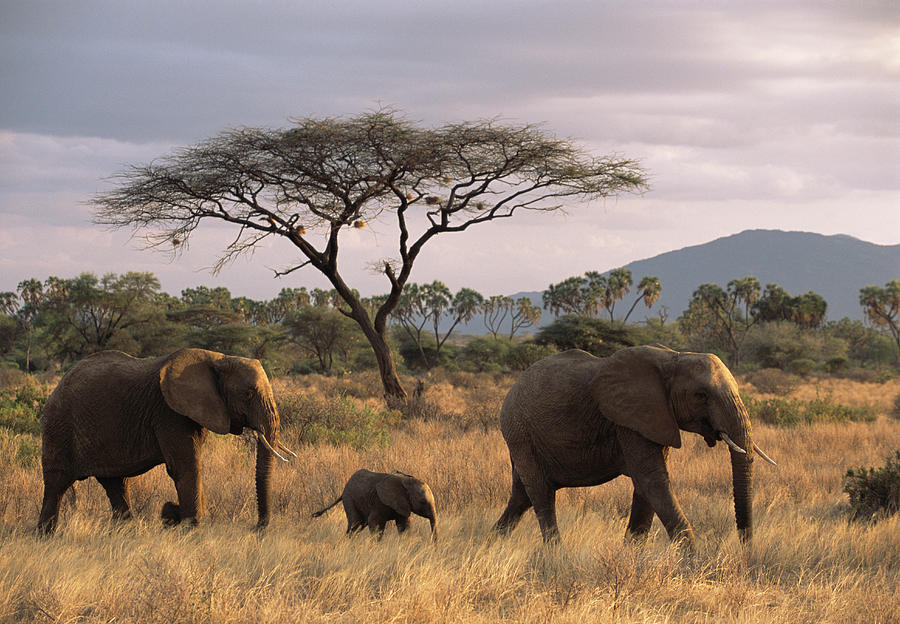
Best Time to See the Migration
Discover the best time to witness the Great Migration. Our month-by-month guide helps you plan your safari to see this incredible wildlife spectacle.
 Wildlife Guides
Complete Guide to Flamingo Colonies in Africa
Learn all about Complete Guide to Flamingo Colonies in Africa in this comprehensive guide. Discover the best time to go, what to see, and how to plan your trip.
 Safari Planning
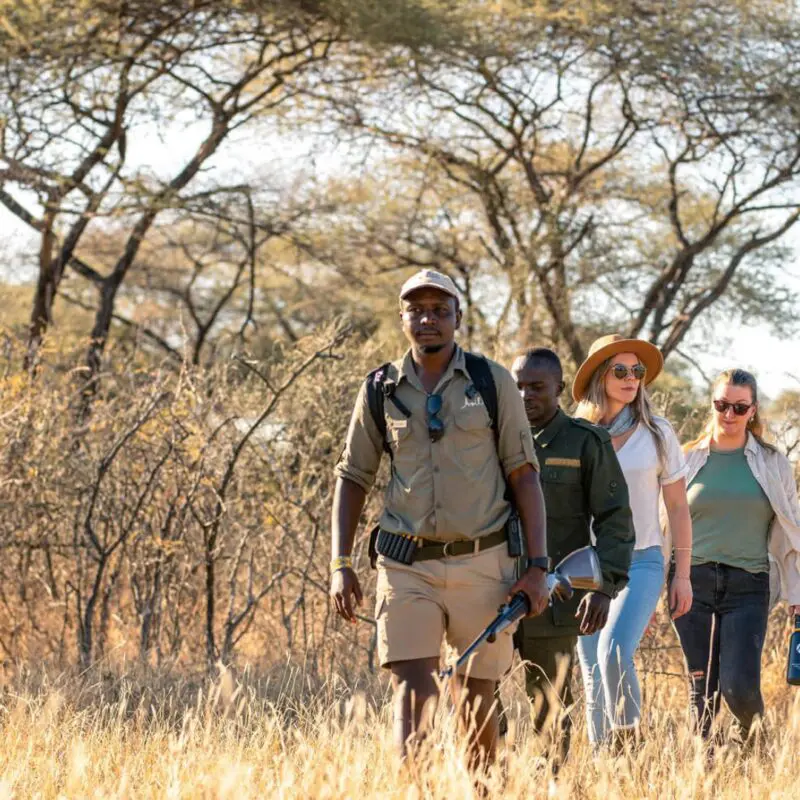
Best Countries for First-Time Safari Travelers
Discover the best countries for a first-time safari. Our expert guide compares Tanzania, Kenya, South Africa, and more to help you plan your dream African adventure.