
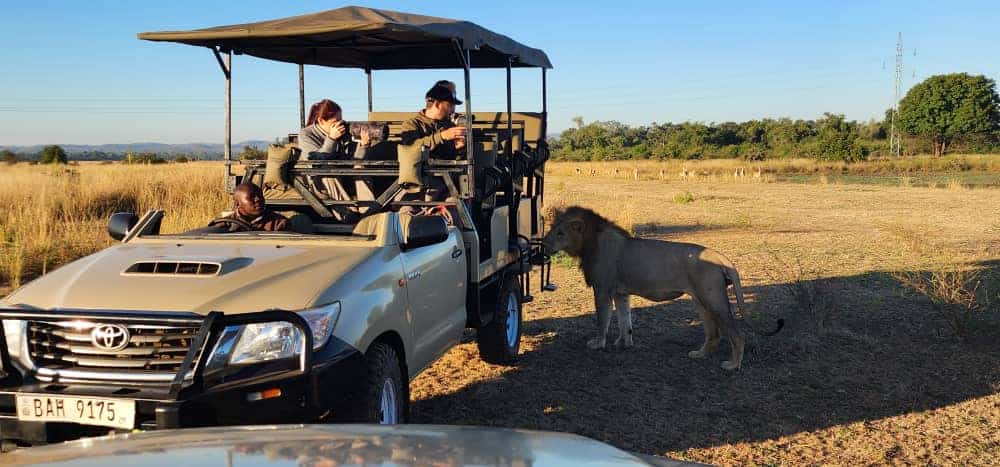
Learn all about Safari Yellow Fever Vaccination Guide in this comprehensive guide.
Understanding the Climate and Terrain in Africa
When packing for a safari in Africa, it's essential to consider the local climate and terrain. Africa has a diverse landscape, from vast plains to dense forests. Temperatures can fluctuate significantly, with warm days and cool evenings. Lightweight, breathable fabrics are your best friend. For more on planning your trip, see our destination guide for Africa.
Essential Clothing Items
Neutral-colored clothing is highly recommended to blend in with the environment and avoid startling the wildlife. Think khaki, olive, and brown. You'll want to pack a mix of short-sleeved shirts and long-sleeved shirts for sun protection. A lightweight waterproof jacket is also a must, as rain showers can be unpredictable. For personalized packing advice, consider consulting with one of our safari operators.
Still researching? Let us help.
Our advisory team has planned safaris across 9 African countries. We can turn your research into a real plan.
Talk to an AdvisorFootwear for All Activities
Comfortable, broken-in walking shoes are non-negotiable. Whether you're on a walking safari or just exploring your lodge, you'll be on your feet a lot. A pair of sandals or flip-flops is also great for relaxing at the lodge. If you're planning any strenuous hikes, be sure to bring appropriate hiking boots. Our safari cost calculator can help you budget for any specialized gear you may need to purchase.
Sun and Insect Protection
A wide-brimmed hat, sunglasses, and high-SPF sunscreen are crucial for protecting yourself from the African sun. Insect repellent is also a must, especially in the evenings. Look for a repellent containing DEET for the most effective protection against mosquitoes and other biting insects. For more health and safety tips, visit our knowledge base.
Evening and Lodge Attire
Evenings on safari can be a mix of casual and smart-casual. Most lodges have a relaxed dress code, but it's always a good idea to pack a slightly nicer outfit for dinner. A pashmina or wrap is perfect for adding a touch of warmth and style. Before you book, be sure to research safari operators in Africa to understand the specific dress codes at their lodges.
Done Reading? Let's Build Your Safari.
Skip the guesswork. Work with an advisor who has been on the ground across East and Southern Africa.
Plan With UsYellow Fever Vaccination: A Country-by-Country Guide
Navigating the yellow fever vaccination requirements for your African safari can be complex, as regulations vary by country and are subject to change. Some countries have a blanket requirement for all travelers, while others only require proof of vaccination if you are arriving from a country with a risk of yellow fever transmission. Understanding these nuances is a critical part of your safari planning.
Countries with Mandatory Vaccination Policies:
Certain African nations require every traveler to present a valid International Certificate of Vaccination or Prophylaxis (ICVP), commonly known as the "yellow card," upon entry. These countries include, but are not limited to:
- Angola
- Burundi
- Central African Republic
- Congo (Brazzaville)
- Democratic Republic of Congo (Kinshasa)
- Gabon
- Ghana
- Guinea-Bissau
- Liberia
- Mali
- Niger
- Sierra Leone
- Togo
- Uganda
For these destinations, the yellow fever vaccine is non-negotiable. Failure to provide a valid certificate will likely result in being denied entry or being vaccinated at the border, which is not an ideal start to your safari adventure.
Conditional Vaccination Requirements:
Many popular safari destinations, such as Kenya, Tanzania, and South Africa, have conditional vaccination requirements. This means you are only required to have the yellow fever vaccine if you are traveling from a country where yellow fever is endemic. For example, if you are flying from the United States or Europe directly to Tanzania, you will not need the vaccine. However, if your itinerary includes a stop in Kenya before continuing to Tanzania, you will be required to show your yellow card upon entering Tanzania.
> Expert Insight: The definition of "in transit" can be a grey area. Some countries may consider a layover of more than 12 hours as a stop, while others may have stricter interpretations. To avoid any complications, we recommend that all travelers whose itineraries include multiple African countries consult with our safari operators to clarify the specific requirements for their trip.
Obtaining Your Yellow Fever Vaccination and Certificate
The yellow fever vaccine is a live-virus vaccine that provides lifelong immunity for most people. It is administered at designated travel clinics and public health departments. You should plan to get the vaccine at least 10 days before your departure, as this is how long it takes for the vaccine to become effective and for the ICVP to become valid.
The International Certificate of Vaccination or Prophylaxis (ICVP):
Upon receiving the vaccine, you will be issued an ICVP. This is an official document that you must carry with your passport. The certificate includes your personal information, the date of vaccination, and the official stamp of the clinic where the vaccine was administered. It is important to keep this document safe, as you will need to present it at immigration checkpoints.
Cost of the Yellow Fever Vaccine:
The cost of the yellow fever vaccine can vary significantly depending on your location and the clinic you visit. In the United States, the price can range from $150 to $350. This cost typically includes the consultation with the travel doctor, the vaccine itself, and the issuance of the ICVP. We recommend using our safari cost calculator to budget for this and other pre-trip expenses.
Medical Exemptions and Alternatives
While the yellow fever vaccine is safe for most people, there are some individuals who may be advised against it. This includes:
- Infants under 9 months of age
- Pregnant or breastfeeding women
- Individuals with a compromised immune system (e.g., due to HIV/AIDS or cancer treatment)
- People with a severe allergy to eggs, chicken proteins, or gelatin
- Those with a history of thymus gland disorders
If you fall into one of these categories, you may be able to obtain a medical exemption letter from your doctor. This letter should be written on official letterhead and should clearly state the medical reason why you cannot receive the vaccine. However, it is important to note that a medical exemption letter is not a guarantee of entry. Some countries may still require you to be vaccinated or may deny you entry altogether.
> Traveler's Tip: If you are unable to get the yellow fever vaccine for medical reasons, it is crucial to take extra precautions to prevent mosquito bites. This includes using an effective insect repellent, wearing long-sleeved shirts and pants, and sleeping under a mosquito net. For more in-depth health and safety information, please visit our knowledge center.
Need Expert Safari Guidance?
Get expert advisory support from a firm founded by a former safari guide — with real operational knowledge across 9 African countries and full-journey accountability.
Related Planning Guides
Recommended Reading
 Packing & Preparation
Safari Typhoid and Hepatitis Vaccination Guide
Learn all about Safari Typhoid and Hepatitis Vaccination Guide in this comprehensive guide.
 Packing & Preparation
Safari Footwear Guide
Learn all about Safari Footwear Guide in this comprehensive guide.
 Packing & Preparation
Safari Hat and Sun Protection Guide
Learn all about Safari Hat and Sun Protection Guide in this comprehensive guide.
 Safari Planning
Step-by-Step Guide to Planning an African Safari
Learn how to plan your first African safari with our step-by-step guide. We cover everything from choosing a destination to booking your trip and packing.
 Safari Planning
Self-Drive Safari vs Guided Safari
Deciding between a self-drive safari and a guided safari? This guide breaks down the pros, cons, costs, and key differences to help you choose the right trip.
 Safari Costs
Luxury Safari Pricing Guide
Discover the real cost of a luxury African safari. Our guide breaks down pricing by country, what\