

Learn all about Safari Typhoid and Hepatitis Vaccination Guide in this comprehensive guide.
Understanding the Climate and Terrain in Africa
When packing for a safari in Africa, it's essential to consider the local climate and terrain. Africa has a diverse landscape, from vast plains to dense forests. Temperatures can fluctuate significantly, with warm days and cool evenings. Lightweight, breathable fabrics are your best friend. For more on planning your trip, see our destination guide for Africa.
Essential Clothing Items
Neutral-colored clothing is highly recommended to blend in with the environment and avoid startling the wildlife. Think khaki, olive, and brown. You'll want to pack a mix of short-sleeved shirts and long-sleeved shirts for sun protection. A lightweight waterproof jacket is also a must, as rain showers can be unpredictable. For personalized packing advice, consider consulting with one of our safari operators.
Still researching? Let us help.
Our advisory team has planned safaris across 9 African countries. We can turn your research into a real plan.
Talk to an AdvisorFootwear for All Activities
Comfortable, broken-in walking shoes are non-negotiable. Whether you're on a walking safari or just exploring your lodge, you'll be on your feet a lot. A pair of sandals or flip-flops is also great for relaxing at the lodge. If you're planning any strenuous hikes, be sure to bring appropriate hiking boots. Our safari cost calculator can help you budget for any specialized gear you may need to purchase.
Sun and Insect Protection
A wide-brimmed hat, sunglasses, and high-SPF sunscreen are crucial for protecting yourself from the African sun. Insect repellent is also a must, especially in the evenings. Look for a repellent containing DEET for the most effective protection against mosquitoes and other biting insects. For more health and safety tips, visit our knowledge base.
Evening and Lodge Attire
Evenings on safari can be a mix of casual and smart-casual. Most lodges have a relaxed dress code, but it's always a good idea to pack a slightly nicer outfit for dinner. A pashmina or wrap is perfect for adding a touch of warmth and style. Before you book, be sure to research safari operators in Africa to understand the specific dress codes at their lodges.
Done Reading? Let's Build Your Safari.
Skip the guesswork. Work with an advisor who has been on the ground across East and Southern Africa.
Plan With UsUnderstanding the Risks: Typhoid and Hepatitis on Safari
While a safari is an adventure of a lifetime, it's essential to understand the health landscape of your destination. Typhoid fever and Hepatitis A are primarily transmitted through contaminated food and water, while Hepatitis B is spread through bodily fluids. In many parts of Africa, sanitation and water treatment infrastructure may not be as robust as what you are accustomed to at home. This increases the risk of exposure to pathogens that cause these illnesses, even at high-end lodges and camps.
An infection from any of these diseases can lead to severe illness, hospitalization, and long-term health complications, completely derailing your trip and posing a significant health risk. Therefore, vaccination is not just a recommendation; it is a critical component of responsible travel planning. For a comprehensive overview of health preparations, our knowledge center offers extensive resources.
Traveler's Tip: Consult a Travel Medicine Specialist
Your family doctor is an excellent resource for general health, but a travel medicine specialist has specific expertise in destination-based health risks. We strongly advise scheduling a consultation 4-6 months before your departure. They will provide personalized recommendations based on your itinerary, health history, and the most current information from the CDC and WHO. This is the single best step to ensure your vaccination plan is tailored and complete.
A Deeper Look at Typhoid Vaccination
Typhoid fever is a serious bacterial infection caused by Salmonella Typhi. The good news is that there are two highly effective types of vaccines available to prevent it.
| Vaccine Type | Administration | Dosing Schedule | Protection Duration | | :--- | :--- | :--- | :--- | | Injectable (ViPS) | Single injection | At least 2 weeks before travel | Approx. 2 years | | Oral (Vivotif) | Four capsules (one every other day) | Must be completed 1 week before travel | Approx. 5 years |
The choice between the injectable and oral vaccine often comes down to personal preference, your health history (the oral vaccine is a live attenuated vaccine and not suitable for immunocompromised individuals), and how far in advance you are planning. The oral vaccine offers longer protection, making it a more practical choice for frequent travelers. Discuss with your travel medicine specialist which option is best for you. Should you need to find a trusted safari operator, you can browse our curated list of safari operators.
Navigating Hepatitis A and B Vaccinations
Hepatitis A and Hepatitis B are viral infections that affect the liver, but they are transmitted differently and are prevented by separate vaccines.
Hepatitis A: The Food and Water Virus
Hepatitis A is highly contagious and is spread through the fecal-oral route, typically via contaminated food or water. The risk is widespread in many safari destinations. The vaccine is extremely effective and is administered in two doses, typically 6 months apart. The first dose provides good protection for the short term, but completing the second dose is crucial for securing long-term, potentially lifelong, immunity.
Hepatitis B: A Blood-Borne Virus
Hepatitis B is transmitted through infected blood and bodily fluids. While the risk for most safari travelers is low, it can be a concern in the event of a medical emergency or through activities that could lead to injury. The Hepatitis B vaccine is a series of three injections given over a six-month period. Many travelers may have already received this as part of their routine childhood immunizations, but it is essential to confirm your status with your doctor.
For those needing protection against both, a combination vaccine called Twinrix is available. It protects against both Hepatitis A and B and is administered as a three-dose series over six months. Planning ahead is key to completing the full series before you plan your safari.
Beyond Vaccinations: Proactive Food and Water Safety
Vaccines are your primary line of defense, but they are not a substitute for cautious behavior. The single most important thing you can do to prevent a host of travel-related illnesses, including Typhoid and Hepatitis A, is to be vigilant about what you eat and drink.
> Expert Insight: The Traveler's Mantra > A classic rule of thumb for food safety while traveling is: "Boil it, cook it, peel it, or forget it." This simple phrase can guide you in making safe choices.
Here are some practical steps to take:
- Water: Drink only bottled, boiled, or treated water. Avoid tap water, even for brushing your teeth. Decline ice in your drinks, as it may be made from untreated tap water.
- Hot Foods: Prioritize food that is well-cooked and served steaming hot. High temperatures kill most pathogens.
- Fruits and Vegetables: Only eat fruits that you can peel yourself, such as bananas and oranges. Avoid raw salads and other uncooked vegetables that may have been washed in contaminated water.
- Street Food: While tempting, street food carries a higher risk. If you do indulge, choose vendors that are busy and have a high turnover, ensuring the food is freshly cooked in front of you.
- Hand Hygiene: Wash your hands frequently with soap and water, especially before eating. If soap and water are not available, use an alcohol-based hand sanitizer with at least 60% alcohol content.
Understanding the financial aspect of your trip is also important. Use our safari cost calculator to help budget for expenses, including pre-travel medical preparations.
Need Expert Safari Guidance?
Get expert advisory support from a firm founded by a former safari guide — with real operational knowledge across 9 African countries and full-journey accountability.
Related Planning Guides
Recommended Reading
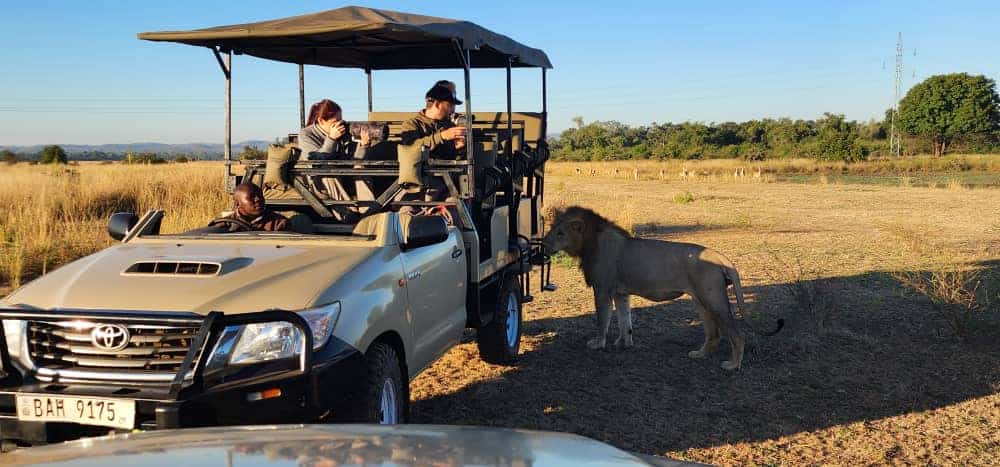 Packing & Preparation
Safari Yellow Fever Vaccination Guide
Learn all about Safari Yellow Fever Vaccination Guide in this comprehensive guide.
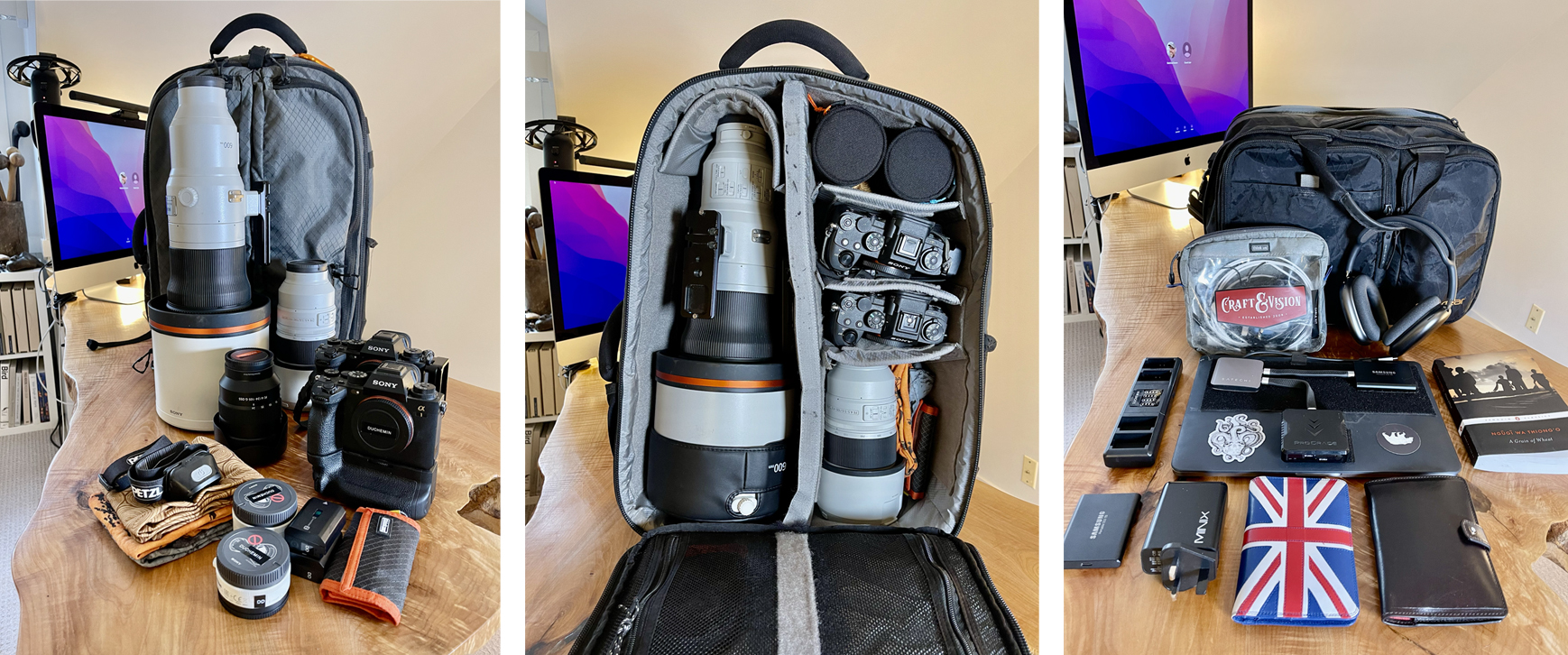 Packing & Preparation
Safari Footwear Guide
Learn all about Safari Footwear Guide in this comprehensive guide.
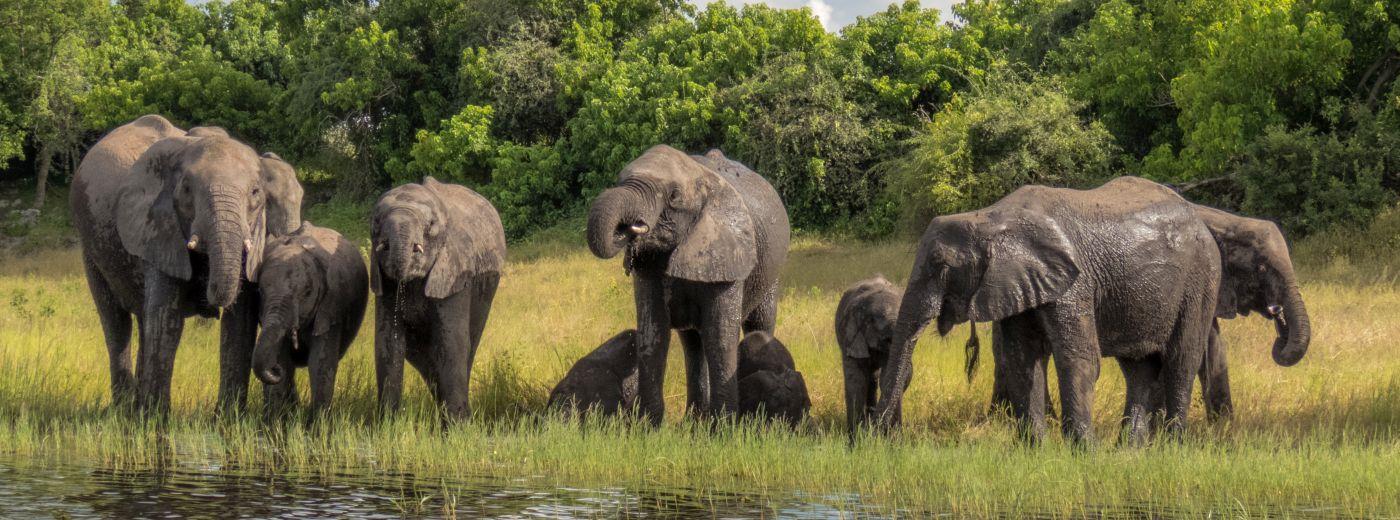 Packing & Preparation
Safari Hat and Sun Protection Guide
Learn all about Safari Hat and Sun Protection Guide in this comprehensive guide.
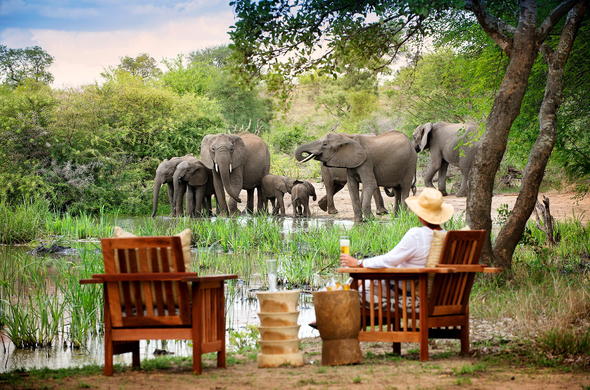 Safari Planning
Step-by-Step Guide to Planning an African Safari
Learn how to plan your first African safari with our step-by-step guide. We cover everything from choosing a destination to booking your trip and packing.
 Safari Planning
Self-Drive Safari vs Guided Safari
Deciding between a self-drive safari and a guided safari? This guide breaks down the pros, cons, costs, and key differences to help you choose the right trip.
 Safari Costs
Luxury Safari Pricing Guide
Discover the real cost of a luxury African safari. Our guide breaks down pricing by country, what\