
An in-depth comparison of Guided Safari vs Self-Drive Safari in Namibia to help you choose the perfect safari experience. Explore the pros, cons, and key differ
Guided Safari vs Self-Drive Safari in Namibia
Planning a safari involves many important decisions, and understanding guided safari vs self-drive safari in namibia is one of the most critical. This comprehensive guide draws on years of field experience to help you navigate this aspect of safari travel with confidence.
Common Mistakes to Avoid: Guided Safari vs Self-Drive Safari in Namibia
Another common error is relying solely on online reviews without consulting experienced professionals. While traveler reviews provide valuable perspectives, they often lack the context and expertise that a qualified safari planning guide can offer. The best approach combines both sources of information.
One of the most frequent mistakes travelers make with guided safari vs self-drive safari in namibia is waiting too long to start planning. Popular safari destinations and lodges book up months in advance, especially during peak season. Last-minute planning often results in limited options and higher costs.
Underestimating the importance of guided safari vs self-drive safari in namibia is perhaps the biggest mistake of all. Travelers who give this aspect of their safari proper attention consistently report more satisfying experiences than those who treat it as an afterthought.
Still researching? Let us help.
Our advisory team has planned safaris across 9 African countries. We can turn your research into a real plan.
Talk to an AdvisorSeasonal Factors and Timing
The timing of your safari significantly impacts guided safari vs self-drive safari in namibia. Dry season months, typically June through October in most East African destinations, offer different conditions than the green season months of November through May. Each period has distinct advantages and considerations.
Peak season brings excellent wildlife viewing but also higher prices and more crowded parks. Shoulder seasons offer a balance of good conditions and fewer crowds. Understanding how seasonal factors affect guided safari vs self-drive safari in namibia helps you choose the optimal time for your specific priorities.
Regional Considerations Across Africa: Guided Safari vs Self-Drive Safari in Namibia
Central and West African destinations, including Uganda, Rwanda, and the Congo, offer specialized experiences like gorilla trekking that bring their own set of requirements. These destinations often involve more challenging terrain and different logistical considerations compared to the classic savanna safari.
East African safaris, particularly in Kenya and Tanzania, have their own distinct approach to guided safari vs self-drive safari in namibia. The Serengeti-Mara ecosystem, which hosts the Great Migration, requires specific planning considerations that differ from destinations like Amboseli or Ngorongoro. Understanding these regional differences is crucial for optimizing your experience.
Safety and Health Considerations: Guided Safari vs Self-Drive Safari in Namibia
Safety is paramount when it comes to guided safari vs self-drive safari in namibia on safari. Reputable operators maintain strict safety protocols and employ experienced guides who are trained to handle a wide range of situations. Always verify that your chosen operator has proper licensing, insurance, and safety certifications.
Travel insurance that specifically covers safari activities is strongly recommended. Standard travel insurance policies may not cover all the activities and situations you might encounter on an African safari. Ensure your policy covers medical evacuation, trip cancellation, and activity-specific risks.
Done Reading? Let's Build Your Safari.
Skip the guesswork. Work with an advisor who has been on the ground across East and Southern Africa.
Plan With UsA Deeper Dive into the Costs
While a self-drive safari often appears more budget-friendly at first glance, it is essential to break down the costs. For a self-drive trip in Namibia, you must account for a reliable 4x4 vehicle rental, which can range from $100 to $200 USD per day, plus fuel, which is a significant expense given the vast distances. Add to that park entry fees (around $6-10 USD per person per day for international visitors in Etosha), accommodation (ranging from $20 for a campsite to over $200 for a lodge), and food. In contrast, a guided safari, while having a higher upfront price tag—typically starting from $400 to $700 USD per person per day—is all-inclusive. This fee covers your professional guide, a specialized safari vehicle, fuel, all park fees, accommodation, and meals, offering complete budget predictability and eliminating logistical stress.
Navigating Namibia’s Terrain: A Self-Driver’s Reality
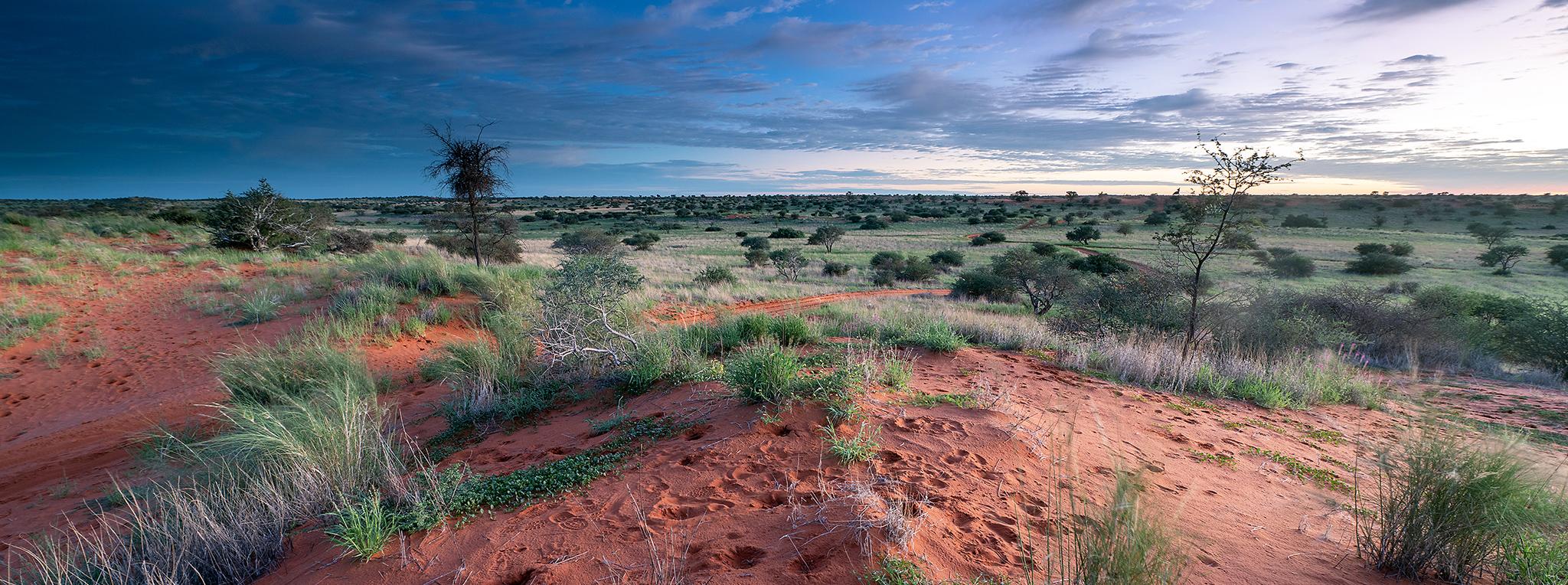
Namibia’s infrastructure is excellent, but drivers must be prepared for the reality of its road network. While major B-routes are paved, the scenic C and D roads that lead to iconic destinations like Sossusvlei or Damaraland are primarily gravel. These roads are well-maintained but can be corrugated and are notorious for causing tire punctures. A non-negotiable skill for any self-driver is knowing how to change a tire, as you may have to do it more than once. Driving speeds must be reduced significantly on gravel (a recommended maximum of 80 km/h) to maintain control and avoid accidents. The sheer scale of the country means long driving days, often with no cell service for hours, demanding a high degree of self-reliance.
Case Study: Etosha National Park
Consider the experience in Etosha National Park, one of Africa's premier wildlife destinations. On a self-drive safari, you have the freedom to spend hours at a single waterhole, like Okaukuejo or Halali, waiting for wildlife to come to you. There is an undeniable thrill in spotting a black rhino or a pride of lions on your own. However, a guided safari offers a different dimension. An experienced guide’s trained eyes can spot a leopard resting in a tree that a self-driver would likely miss. They understand animal behavior, anticipate movements, and communicate with other guides to locate the most compelling sightings, maximizing your wildlife viewing opportunities and providing deep ecological context.
Related Resources
For more information on planning your safari, explore our destination guides, browse the safari operator directory, or connect with an experienced safari planning guide for personalized guidance.
Detailed Comparison: Guided vs. Self-Drive Safari
To make an informed decision, it is essential to compare the two styles across several key factors. While both offer incredible ways to experience Namibia, they cater to very different traveler preferences, budgets, and comfort levels. The choice fundamentally shapes your entire journey, from daily logistics to the depth of your wildlife encounters.
| Feature | Guided Safari | Self-Drive Safari | | :--- | :--- | :--- | | Cost Structure | All-inclusive price (guide, vehicle, fuel, parks, meals, accommodation). High initial cost but excellent budget control. | A la carte (vehicle rental, fuel, park fees, food, accommodation booked separately). Lower perceived initial cost but requires careful budget management. | | Navigation & Logistics | Completely handled by the guide and operator. Stress-free travel. | Full responsibility of the driver. Requires meticulous planning, map reading, and self-reliance, especially in remote areas with no cell service. | | Wildlife Viewing | Led by a professional guide with trained eyes and local knowledge. Access to a network of guides for locating key sightings. Deeper ecological context. | Dependent on your own spotting skills and luck. Offers the thrill of personal discovery but can result in missed sightings. | | Flexibility & Pace | Itinerary is typically fixed, though private guided safaris offer more flexibility. Pace is determined by the guide and group. | Complete freedom to set your own schedule, linger at sightings, and change plans spontaneously. You are in total control of your time. | | Safety & Support | Professional support system in place. Guides are trained in first aid and vehicle mechanics. Backup is available in case of emergency. | You are your own first responder. Requires proficiency in changing tires and handling basic vehicle issues. Help can be hours away. | | Accommodation Style | Typically stays in pre-booked lodges or luxury tented camps selected by the operator. | A mix of options, from DIY camping at public or private sites to booking your own lodges and guesthouses. |
Real-World Scenarios: Which Is Right for You?
Scenario 1: The First-Time Africa Visitor or Family For those new to African travel or journeying with children, a guided safari is almost always the superior choice. The logistical complexity of a self-drive trip—navigating vast distances, managing fuel stops, booking campsites, and preparing food—can be overwhelming and detract from the experience. A guide handles all the stress, ensures safety, and provides an educational narrative that brings the landscape to life for all ages. For instance, navigating the remote tracks of Damaraland in search of desert-adapted elephants is a task best left to a professional who knows the area intimately.
Scenario 2: The Experienced 4x4 Enthusiast & Photographer A seasoned traveler with 4x4 off-road experience who prioritizes photographic opportunities and complete independence would thrive on a self-drive safari. This traveler might want to spend six hours at the Nebrownii waterhole in Etosha waiting for the perfect light, a luxury a fixed guided itinerary may not allow. They have the skills to handle a punctured tire on the C14 road to Sossusvlei and the confidence to navigate without GPS. For them, the adventure of self-reliance is a core part of the appeal. They can plan their route to focus on specific interests, like the quiver tree forests near Keetmanshoop or the remote wilderness of the Caprivi Strip.
Scenario 3: The Budget-Conscious Adventurer For travelers on a tight budget, a self-drive safari utilizing campsites is the most economical way to see Namibia. Renting a 4x4 with a rooftop tent (from approximately $120-$180 USD/day) and cooking your own meals significantly reduces costs. However, this requires meticulous planning and a willingness to trade comfort for savings. You must book popular national park campsites like those within Etosha or at Sesriem months in advance. This approach is ideal for those who embrace the rugged, hands-on nature of bush camping and see it as an integral part of their adventure. For more planning resources, you can consult our destination guides or connect with a safari planning guide to weigh the options.
Need Expert Safari Guidance?
Get expert advisory support from a firm founded by a former safari guide — with real operational knowledge across 9 African countries and full-journey accountability.
Related Planning Guides
Recommended Reading
 Safari Comparison Articles
Guided Safari vs Self-Drive Safari in South Africa
An in-depth comparison of Guided Safari vs Self-Drive Safari in South Africa to help you choose the perfect safari experience. Explore the pros, cons, and key d
 Safari Comparison Articles
Guided Safari vs Self-Drive Safari in Botswana
An in-depth comparison of Guided Safari vs Self-Drive Safari in Botswana to help you choose the perfect safari experience. Explore the pros, cons, and key diffe
 Safari Planning
Self-Drive Safari vs Guided Safari
Deciding between a self-drive safari and a guided safari? This guide breaks down the pros, cons, costs, and key differences to help you choose the right trip.
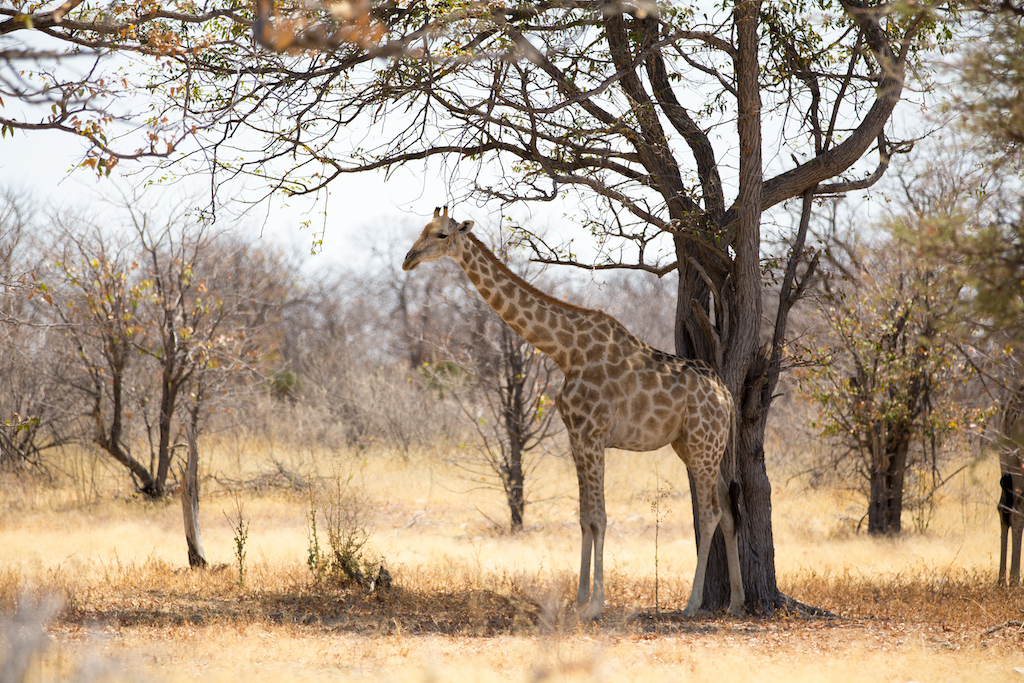 Country Guides
Complete Safari Guide to Namibia
Your complete guide to Complete Safari Guide to Namibia. Find the best destinations, planning tips, and more for your next safari adventure.
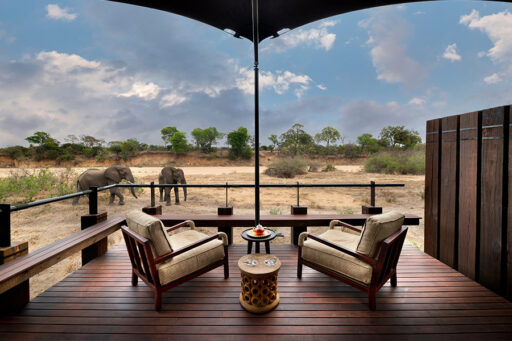 Country Guides
Namibia Safari Currency and Money Guide
A comprehensive guide to Namibia Safari Currency and Money Guide. Learn everything you need to know for your next safari adventure.
 Safari Comparison Articles
Safari Train vs Safari Drive
An in-depth comparison of Safari Train vs Safari Drive to help you choose the perfect safari experience. Explore the pros, cons, and key differences to make an