
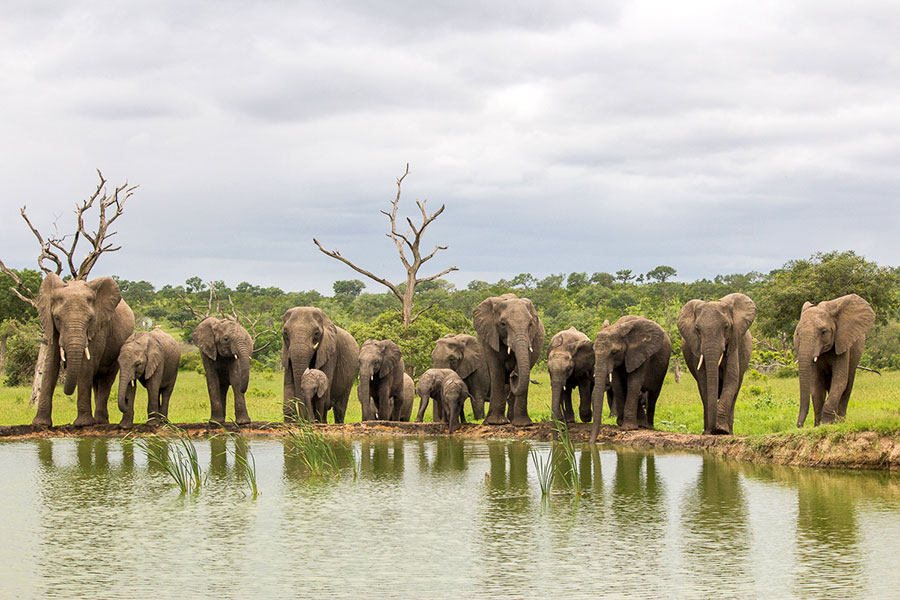
Learn all about Safari Spotting Scope Guide in this comprehensive guide.
Understanding the Climate and Terrain in Africa
When packing for a safari in Africa, it's essential to consider the local climate and terrain. Africa has a diverse landscape, from vast plains to dense forests. Temperatures can fluctuate significantly, with warm days and cool evenings. Lightweight, breathable fabrics are your best friend. For more on planning your trip, see our destination guide for Africa.
Essential Clothing Items
Neutral-colored clothing is highly recommended to blend in with the environment and avoid startling the wildlife. Think khaki, olive, and brown. You'll want to pack a mix of short-sleeved shirts and long-sleeved shirts for sun protection. A lightweight waterproof jacket is also a must, as rain showers can be unpredictable. For personalized packing advice, consider consulting with one of our safari operators.
Still researching? Let us help.
Our advisory team has planned safaris across 9 African countries. We can turn your research into a real plan.
Talk to an AdvisorFootwear for All Activities
Comfortable, broken-in walking shoes are non-negotiable. Whether you're on a walking safari or just exploring your lodge, you'll be on your feet a lot. A pair of sandals or flip-flops is also great for relaxing at the lodge. If you're planning any strenuous hikes, be sure to bring appropriate hiking boots. Our safari cost calculator can help you budget for any specialized gear you may need to purchase.
Sun and Insect Protection
A wide-brimmed hat, sunglasses, and high-SPF sunscreen are crucial for protecting yourself from the African sun. Insect repellent is also a must, especially in the evenings. Look for a repellent containing DEET for the most effective protection against mosquitoes and other biting insects. For more health and safety tips, visit our knowledge base.
Evening and Lodge Attire
Evenings on safari can be a mix of casual and smart-casual. Most lodges have a relaxed dress code, but it's always a good idea to pack a slightly nicer outfit for dinner. A pashmina or wrap is perfect for adding a touch of warmth and style. Before you book, be sure to research safari operators in Africa to understand the specific dress codes at their lodges.
Done Reading? Let's Build Your Safari.
Skip the guesswork. Work with an advisor who has been on the ground across East and Southern Africa.
Plan With UsChoosing the Right Spotting Scope for Your Safari
A spotting scope is a powerful tool that can transform your wildlife viewing experience, allowing you to observe animals from a distance without disturbing them. But with so many options on the market, choosing the right one can be a daunting task. Here’s a breakdown of the key technical specifications to consider when selecting a spotting scope for your African safari.
Magnification Power (Zoom)
Spotting scopes are typically described by two numbers, such as 20-60x80. The first set of numbers (20-60x) refers to the magnification power, or zoom. A 20-60x magnification means the scope can magnify an object from 20 to 60 times its actual size. For safari purposes, a variable zoom in the range of 15-60x is ideal. This allows you to scan a wide area at lower magnification and then zoom in for a closer look when you spot something interesting.
> Expert Insight: While higher magnification might seem tempting, it's important to remember that it also amplifies any movement, making a sturdy tripod essential. High magnification can also result in a narrower field of view and a dimmer image, especially in low light conditions. For most safari situations, a magnification of 20-40x is more than sufficient for incredible detail.
Objective Lens Diameter
The second number in our 20-60x80 example is the objective lens diameter, measured in millimeters. This is the large lens at the front of the scope. The larger the objective lens, the more light it can gather, resulting in a brighter and clearer image, especially during the golden hours of dawn and dusk when wildlife is most active. For safari, an objective lens diameter of 60mm to 85mm offers a good balance between light-gathering capability and portability.
Key Features to Look for in a Safari Spotting Scope
Beyond the core specifications, several other features can significantly enhance your spotting scope's performance and durability in the rugged African bush.
| Feature | Importance on Safari | Description | | :--- | :--- | :--- | | Waterproofing & Fog Proofing | Essential | Protects the scope from rain, humidity, and internal fogging due to temperature changes. Look for scopes that are nitrogen or argon purged and O-ring sealed. | | Durable Construction | High | A rubber-armored housing provides a secure grip and protects the scope from bumps and knocks. A lightweight but sturdy magnesium or polycarbonate chassis is also desirable. | | Lens Coatings | High | Fully multi-coated lenses maximize light transmission and reduce glare, resulting in a sharper, more vibrant image. | | Eye Relief | Important for glasses wearers | This is the distance you can hold your eye from the eyepiece and still see the full field of view. If you wear glasses, look for a scope with at least 15mm of eye relief. | | Angled vs. Straight Body | Personal Preference | Angled scopes are generally more comfortable for prolonged viewing and for sharing with people of different heights. Straight scopes are often easier to aim and track moving animals. |
Top Spotting Scope Brands for Safari Enthusiasts
While we don't endorse specific brands, some names are consistently recognized for their quality optics and durability. Brands like Swarovski, Leica, and Zeiss are at the pinnacle of the market, offering exceptional performance at a premium price. For those on a more moderate budget, brands such as Vortex, Nikon, and Kowa offer excellent value and performance for the price. Before making a purchase, we recommend reading reviews and, if possible, testing different models to see what works best for you. Our safari operators can also offer personalized recommendations based on your specific needs and budget.
Using a Spotting Scope on Safari: Practical Tips
Getting the most out of your spotting scope requires more than just pointing it in the right direction. Here are some practical tips for using your scope effectively in the field:
- Invest in a Good Tripod: A sturdy tripod is non-negotiable for a spotting scope. It provides a stable platform, eliminating the shakiness that comes with high magnification. Look for a tripod that is lightweight enough to carry but robust enough to support your scope.
- Practice Scanning: Use the lowest magnification to scan the landscape for any signs of movement. Once you spot an animal, you can then zoom in for a closer look.
- Focusing on Moving Animals: Anticipate the animal's path and focus on a point ahead of it. This will give you a clear view as the animal moves into the frame.
- Digiscoping: Many modern spotting scopes allow you to attach a smartphone or camera to the eyepiece, a technique known as digiscoping. This is a great way to capture high-quality photos and videos of your sightings. Check with the scope manufacturer for compatible adapters.
> Traveler's Tip: Before you depart, spend some time practicing with your spotting scope in a local park or nature reserve. This will help you get comfortable with its operation, so you don't miss any incredible sightings on your safari. For more packing and preparation advice, visit our knowledge center.
Spotting Scopes vs. Binoculars: When to Use Each
While both spotting scopes and binoculars are essential for wildlife viewing, they serve different purposes. Binoculars, with their wider field of view and lower magnification (typically 8x or 10x), are perfect for scanning your surroundings and for tracking fast-moving animals. Spotting scopes, on the other hand, are ideal for detailed observation of distant or stationary animals. For example, you might use your binoculars to spot a distant herd of elephants and then use your spotting scope to observe the intricate details of a calf interacting with its mother.
Ultimately, the best approach is to have both on hand. This combination will ensure you are well-equipped for any wildlife viewing opportunity that comes your way. To get an idea of the overall cost of a safari, including gear, check out our safari cost calculator.
Ready to start planning your dream African safari? Plan your safari with us today for expert advice and a personalized itinerary that matches your interests and budget.
Need Expert Safari Guidance?
Get expert advisory support from a firm founded by a former safari guide — with real operational knowledge across 9 African countries and full-journey accountability.
Related Planning Guides
Recommended Reading
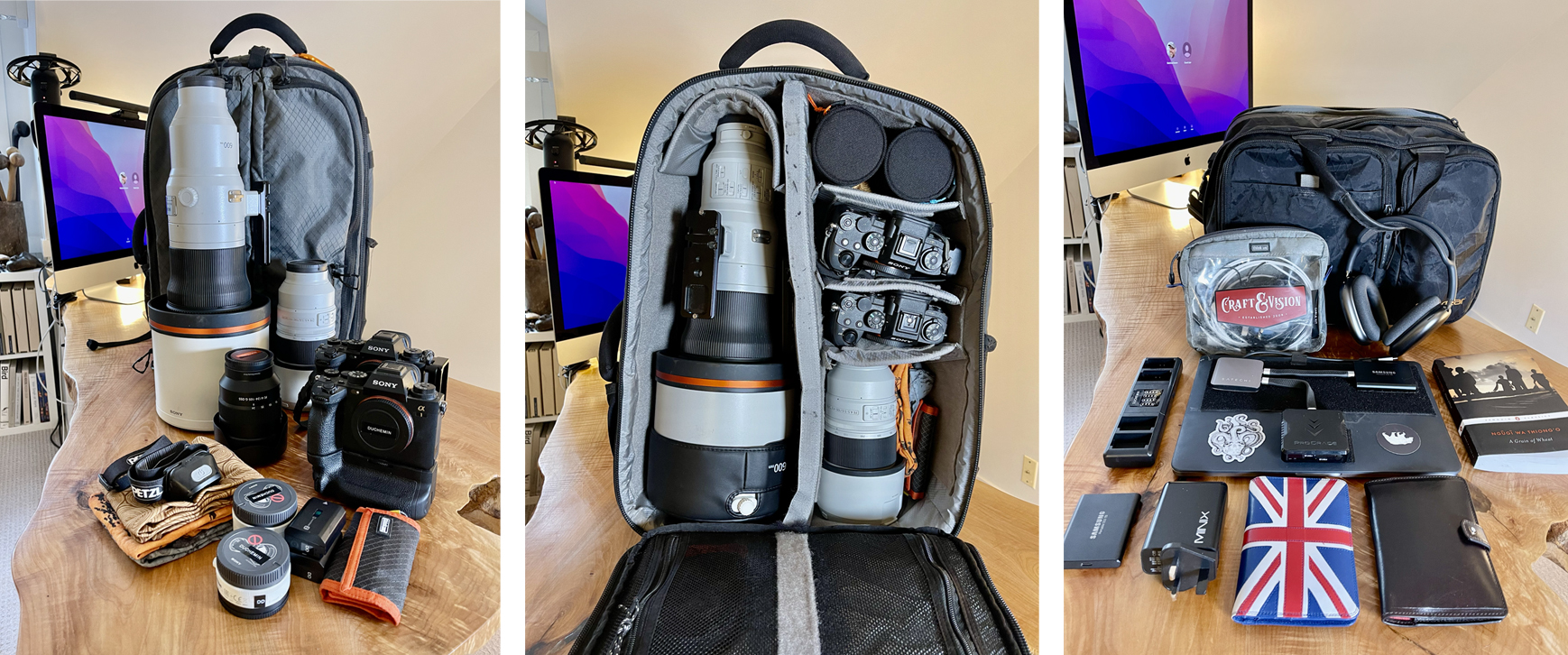 Packing & Preparation
Safari Footwear Guide
Learn all about Safari Footwear Guide in this comprehensive guide.
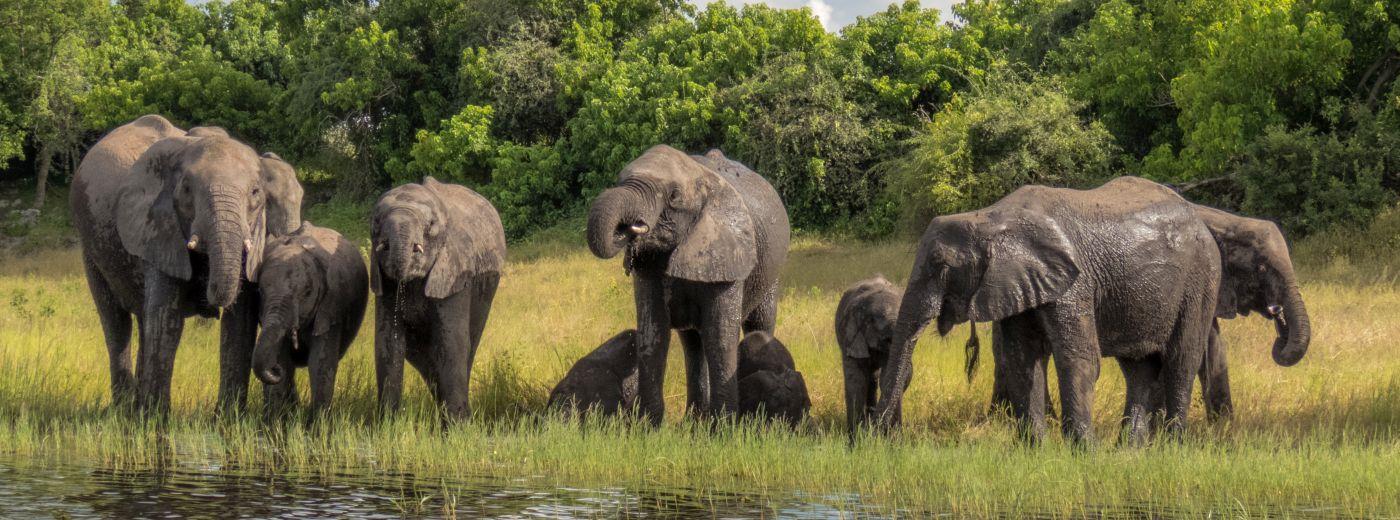 Packing & Preparation
Safari Hat and Sun Protection Guide
Learn all about Safari Hat and Sun Protection Guide in this comprehensive guide.
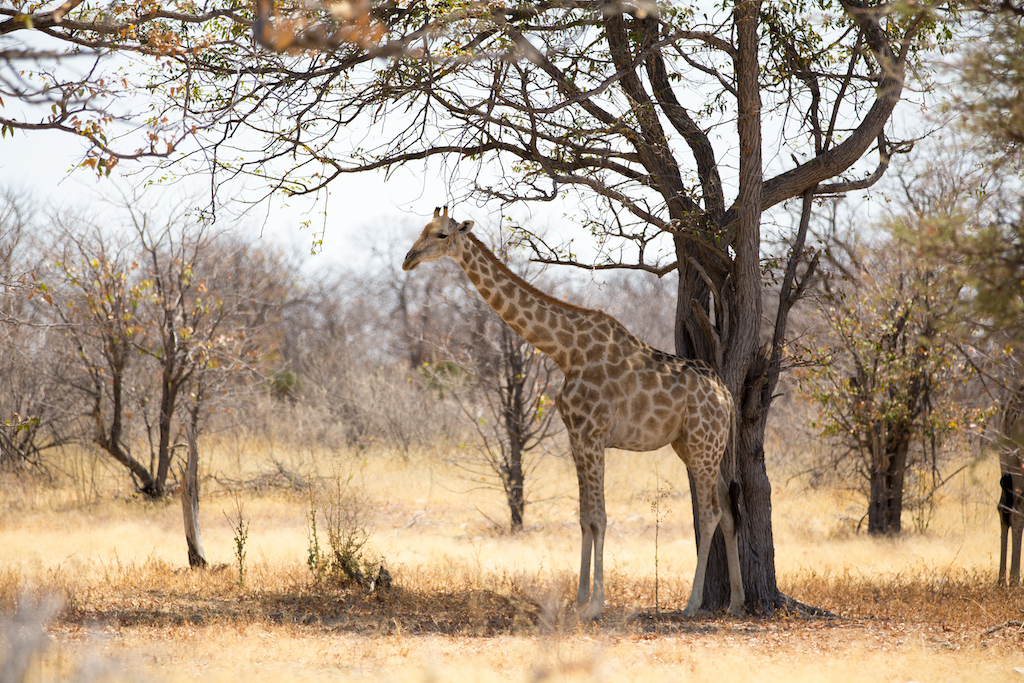 Packing & Preparation
Safari Sunscreen and Skincare Guide
Learn all about Safari Sunscreen and Skincare Guide in this comprehensive guide.
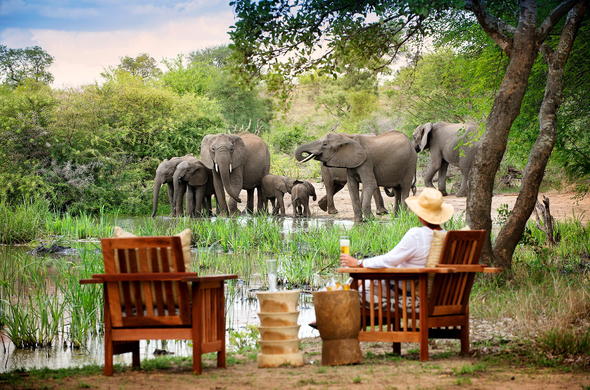 Safari Planning
Step-by-Step Guide to Planning an African Safari
Learn how to plan your first African safari with our step-by-step guide. We cover everything from choosing a destination to booking your trip and packing.
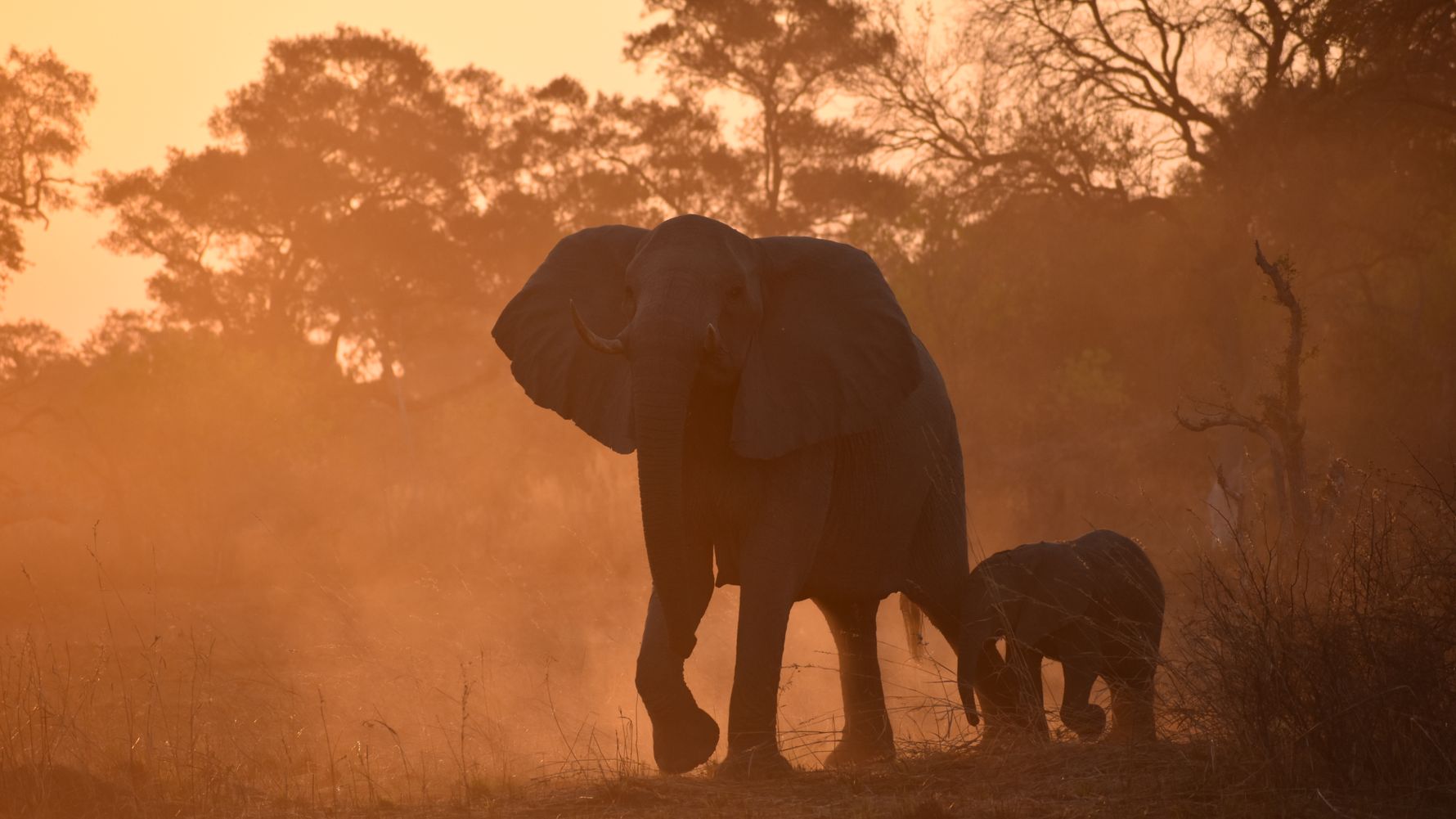 Safari Planning
Self-Drive Safari vs Guided Safari
Deciding between a self-drive safari and a guided safari? This guide breaks down the pros, cons, costs, and key differences to help you choose the right trip.
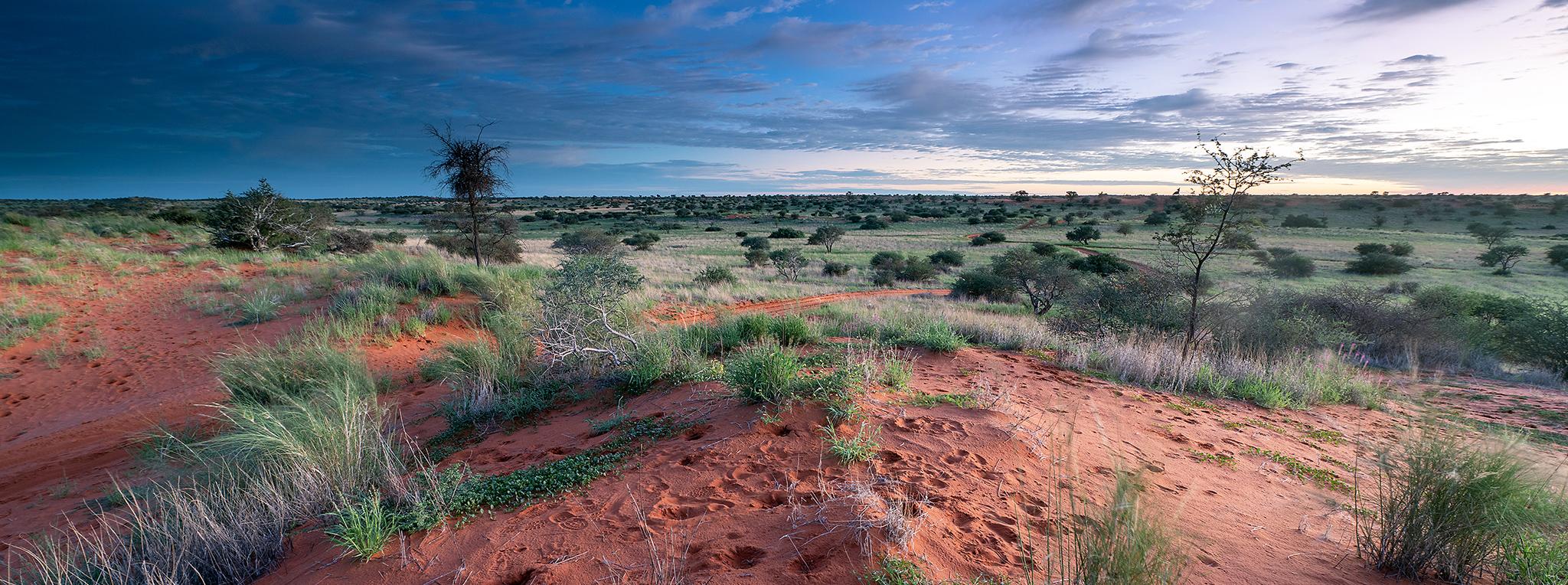 Safari Costs
Luxury Safari Pricing Guide
Discover the real cost of a luxury African safari. Our guide breaks down pricing by country, what\