
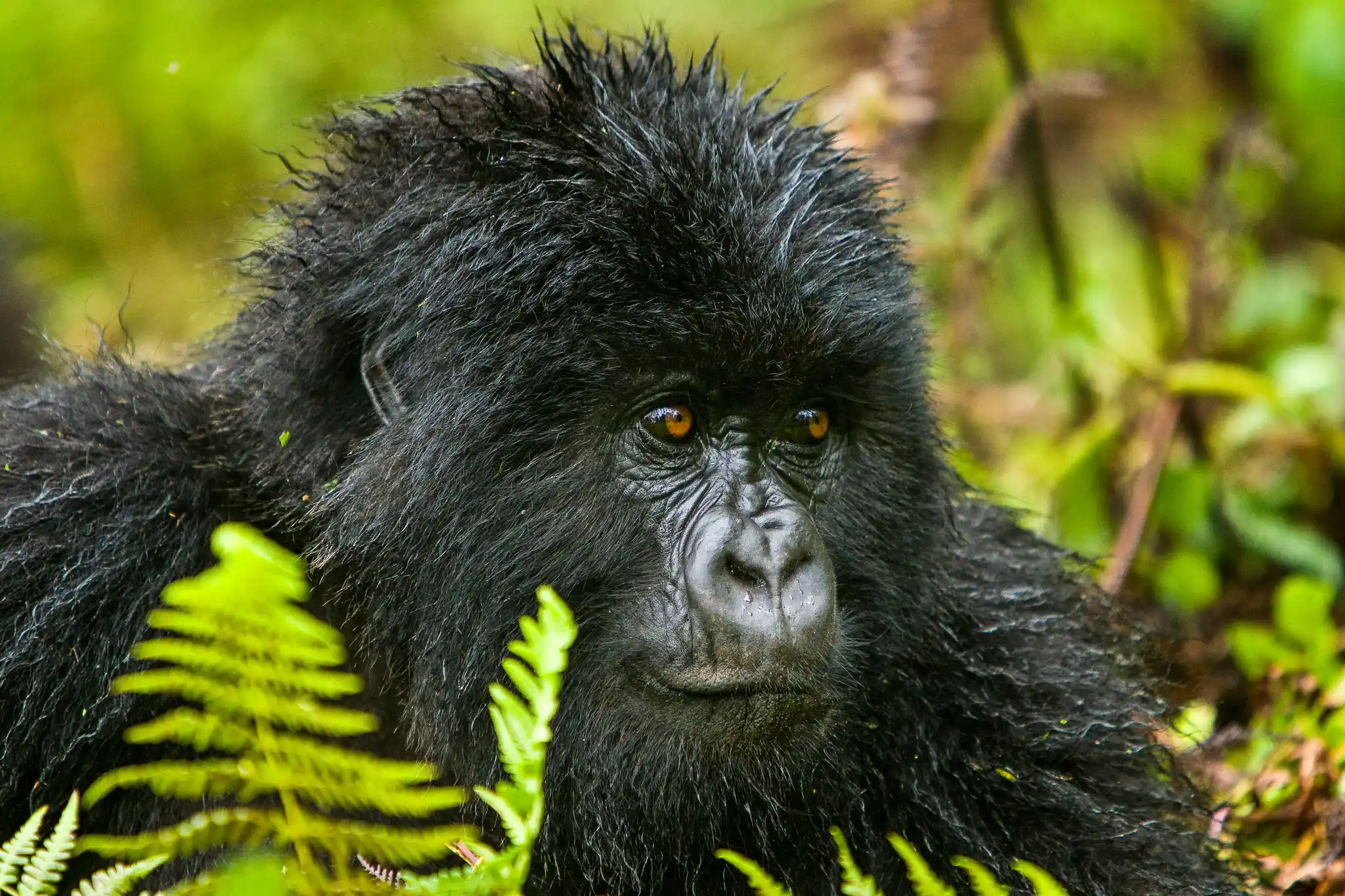
Learn all about Safari Binocular Selection Guide in this comprehensive guide.
Understanding the Climate and Terrain in Africa
When packing for a safari in Africa, it's essential to consider the local climate and terrain. Africa has a diverse landscape, from vast plains to dense forests. Temperatures can fluctuate significantly, with warm days and cool evenings. Lightweight, breathable fabrics are your best friend. For more on planning your trip, see our destination guide for Africa.
Essential Clothing Items
Neutral-colored clothing is highly recommended to blend in with the environment and avoid startling the wildlife. Think khaki, olive, and brown. You'll want to pack a mix of short-sleeved shirts and long-sleeved shirts for sun protection. A lightweight waterproof jacket is also a must, as rain showers can be unpredictable. For personalized packing advice, consider consulting with one of our safari operators.
Still researching? Let us help.
Our advisory team has planned safaris across 9 African countries. We can turn your research into a real plan.
Talk to an AdvisorFootwear for All Activities
Comfortable, broken-in walking shoes are non-negotiable. Whether you're on a walking safari or just exploring your lodge, you'll be on your feet a lot. A pair of sandals or flip-flops is also great for relaxing at the lodge. If you're planning any strenuous hikes, be sure to bring appropriate hiking boots. Our safari cost calculator can help you budget for any specialized gear you may need to purchase.
Sun and Insect Protection
A wide-brimmed hat, sunglasses, and high-SPF sunscreen are crucial for protecting yourself from the African sun. Insect repellent is also a must, especially in the evenings. Look for a repellent containing DEET for the most effective protection against mosquitoes and other biting insects. For more health and safety tips, visit our knowledge base.
Evening and Lodge Attire
Evenings on safari can be a mix of casual and smart-casual. Most lodges have a relaxed dress code, but it's always a good idea to pack a slightly nicer outfit for dinner. A pashmina or wrap is perfect for adding a touch of warmth and style. Before you book, be sure to research safari operators in Africa to understand the specific dress codes at their lodges.
Done Reading? Let's Build Your Safari.
Skip the guesswork. Work with an advisor who has been on the ground across East and Southern Africa.
Plan With UsDecoding Binocular Specifications: What the Numbers Mean
When you see a pair of binoculars described as "8x42" or "10x50," those numbers represent the two most critical performance specifications: magnification and objective lens diameter. Understanding this optical formula is the first step to choosing the right tool for your safari. Our safari operators consistently find that travelers who understand these basics make much more satisfying purchases.
- Magnification (the First Number, e.g., 8x): This tells you how many times closer an object will appear. An 8x magnification makes an elephant 800 meters away look as if it's only 100 meters away. While it might be tempting to go for the highest possible magnification, more is not always better. Higher magnifications (above 10x) amplify the natural shake from your hands, making the image unsteady and difficult to watch for extended periods. They also narrow your field of view, which can make it harder to initially spot and track moving animals.
- Objective Lens Diameter (the Second Number, e.g., 42mm): Measured in millimeters, this is the diameter of the large front lenses. This number is crucial as it determines the binocular's light-gathering ability. Larger lenses let in more light, resulting in a brighter, clearer, and sharper image, especially during the "golden hours" of dawn and dusk when wildlife is most active. A 42mm diameter is widely considered the sweet spot for safari, offering excellent light transmission without being excessively heavy or bulky.
> Expert Insight: For most safari-goers, an 8x42 configuration offers the ideal balance. The 8x magnification provides a wide field of view, making it easy to scan the savanna and locate wildlife, while the 42mm objective lenses gather ample light for those critical early morning and late evening game drives.
Key Features for the Safari Environment
Beyond the core numbers, several other features separate a general-use binocular from one truly suited for the rigors and unique opportunities of an African safari. Investing in the right features will significantly enhance your wildlife viewing experience, from the plains of the Serengeti to the forests of Uganda.
Prism Design: Roof vs. Porro
Binoculars use prisms to correct the orientation of the image. The two main designs are Porro and Roof prisms.
- Porro Prisms: This classic, staggered design is often found in less expensive models. While they can offer excellent optical quality for the price, they are bulkier, heavier, and generally less durable than their Roof prism counterparts.
- Roof Prisms: These feature a streamlined, straight-barrel design, making them more compact, lightweight, and robust. This durability is essential for withstanding the bumps and dust of safari travel. While typically more expensive due to their complex internal optics, their ergonomic and rugged nature makes them the superior choice for a safari.
Weatherproofing and Durability
The African wilderness is unpredictable. Dust, sudden downpours, and humidity are common. Your binoculars must be built to handle these conditions.
- Waterproof: Look for models that are O-ring sealed. This not only protects them from rain but also prevents fine dust particles from penetrating the housing and interfering with the optics.
- Fog-Proof: Binoculars that are "nitrogen-purged" or "argon-purged" have had their internal atmosphere replaced with a dry, inert gas. This prevents the internal lenses from fogging up when you move between a cool, air-conditioned vehicle and the warm, humid exterior—a constant occurrence on safari.
Essential Optical Qualities
- Exit Pupil: Calculated by dividing the objective lens diameter by the magnification (e.g., 42mm / 8x = 5.25mm), the exit pupil determines how bright the image will be in low light. A larger exit pupil allows more light to enter your eye. Aim for an exit pupil of 4mm or more for optimal performance at dawn and dusk.
- Eye Relief: This is the distance from the eyepiece lens to the point where the full field of view can be observed. If you wear glasses, this is a non-negotiable feature. Look for binoculars with at least 15mm of eye relief to ensure you can see the entire picture without having to remove your corrective eyewear.
Making the Choice: 8x vs. 10x Magnification
For safari use, the debate often comes down to 8x versus 10x magnification. While 10x offers a closer view, 8x often proves more practical in the field.
| Feature | 8x Magnification (e.g., 8x42) | 10x Magnification (e.g., 10x42) | | :--- | :--- | :--- | | Field of View | Wider. Easier to scan landscapes and track moving animals. | Narrower. More difficult to locate animals initially. | | Image Stability | More stable. Less affected by hand shake, easier to hold steady. | Less stable. Hand shake is more pronounced, can cause eye fatigue. | | Low-Light View | Brighter. Typically has a larger exit pupil for better dawn/dusk viewing. | Darker. Smaller exit pupil reduces brightness in low light. | | Best For | All-around safari use, tracking herds, viewing in forests. | Open plains, birdwatching, identifying distant, static animals. |
> Traveler's Tip: If you are debating between the two, consider an 8x42 pair as your primary choice. It is the most versatile and forgiving option for the dynamic safari environment. If your passion is birding, or you know you will be in vast, open plains like the Serengeti, a 10x42 can be a powerful tool, but be prepared for the narrower field of view.
Caring for Your Optics in the Bush
Your investment in quality binoculars deserves protection. Safari conditions can be harsh, but with a few simple habits, you can keep your optics in pristine condition.
- Always Use a Lens Pen: A lens pen is the best tool for cleaning. Use the retractable brush end to gently remove all dust and grit before using the soft pad on the other end to wipe away smudges. Wiping a dusty lens will scratch the delicate coatings.
- Keep Caps On: When not actively viewing, keep your lens caps on to protect against dust and impact.
- Use a Padded Case: Store your binoculars in their case during bumpy drives or when not in use to protect them from damage.
- Avoid Extreme Heat: Never leave your binoculars on the dashboard of a vehicle in the sun. Extreme heat can damage the seals and internal components.
Properly selected and cared for, a good pair of binoculars will transform your safari from a simple viewing trip into an immersive wildlife experience, revealing the intricate details of the animal kingdom. For more guidance on what to pack, explore our knowledge center or use our safari cost calculator to budget for your gear.
Need Expert Safari Guidance?
Get expert advisory support from a firm founded by a former safari guide — with real operational knowledge across 9 African countries and full-journey accountability.
Related Planning Guides
Recommended Reading
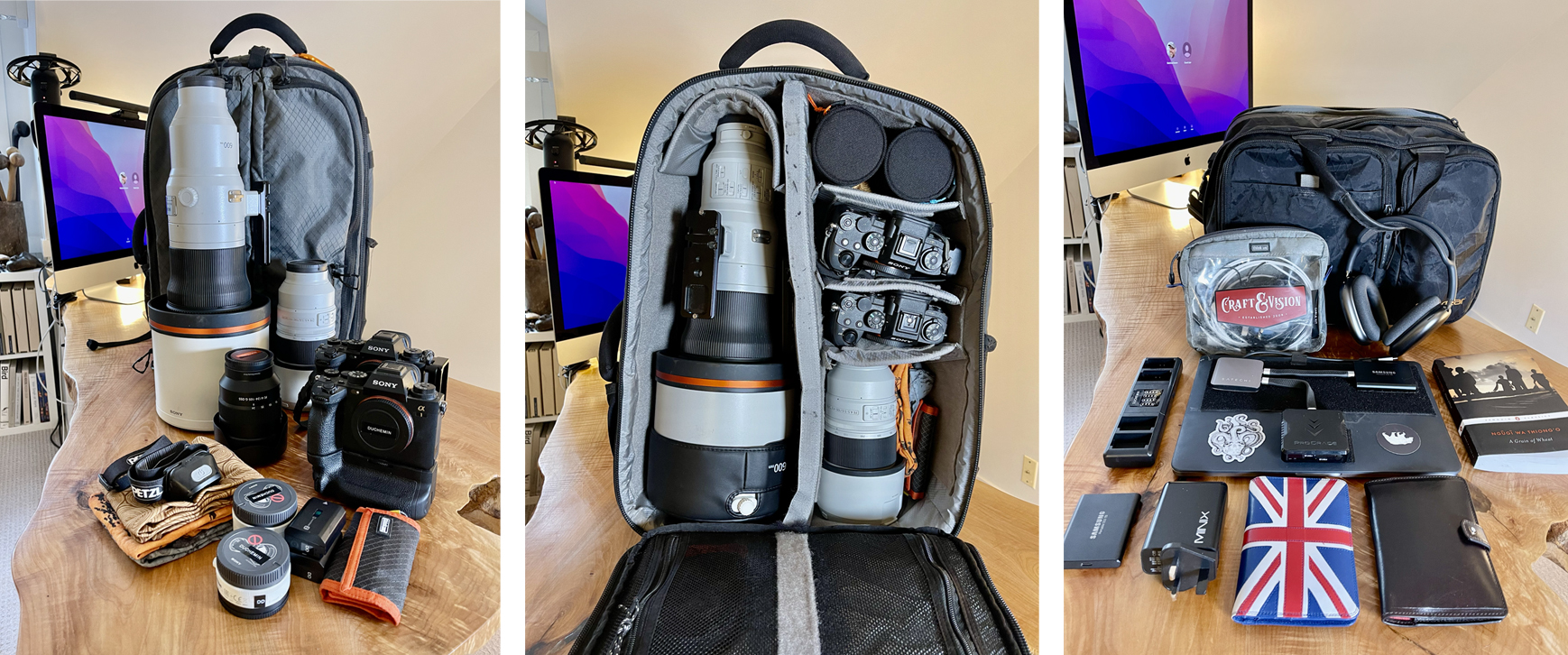 Packing & Preparation
Safari Footwear Guide
Learn all about Safari Footwear Guide in this comprehensive guide.
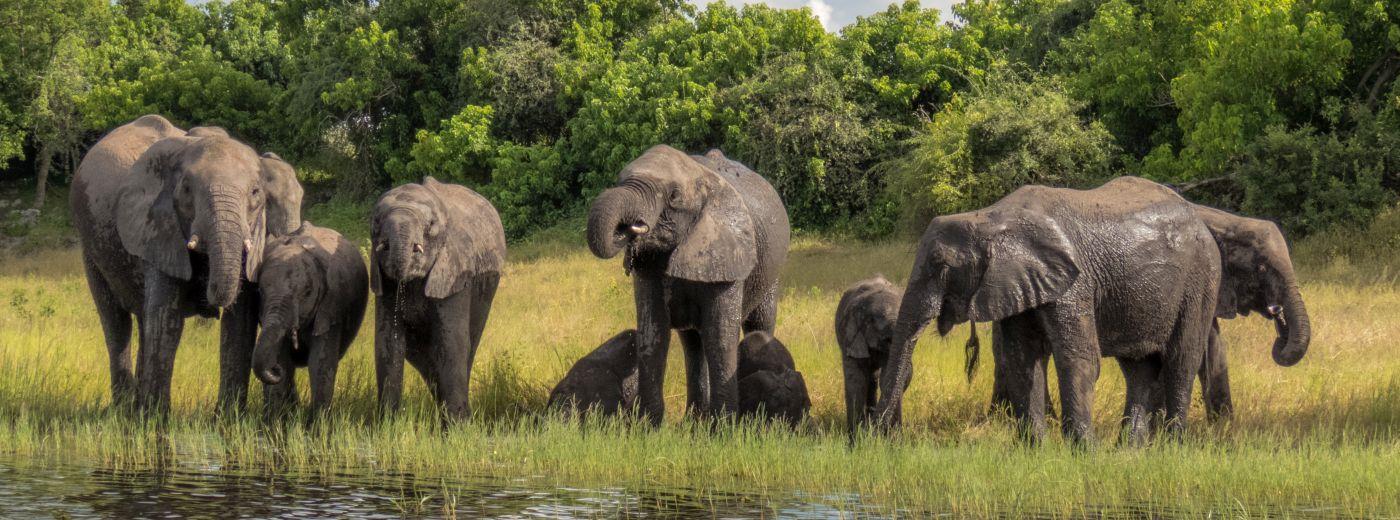 Packing & Preparation
Safari Hat and Sun Protection Guide
Learn all about Safari Hat and Sun Protection Guide in this comprehensive guide.
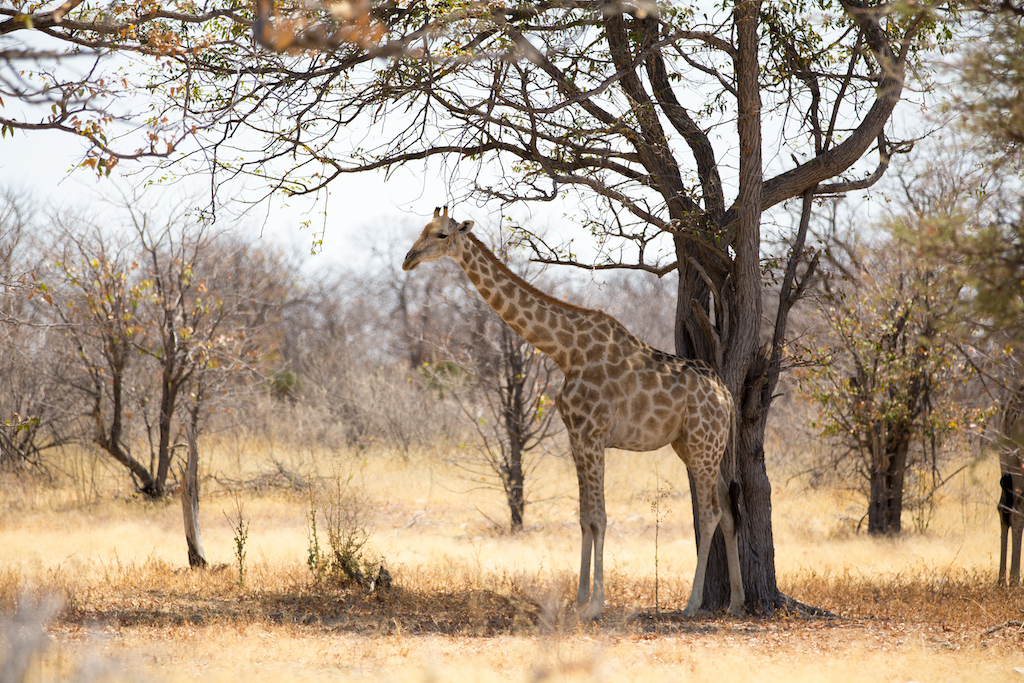 Packing & Preparation
Safari Sunscreen and Skincare Guide
Learn all about Safari Sunscreen and Skincare Guide in this comprehensive guide.
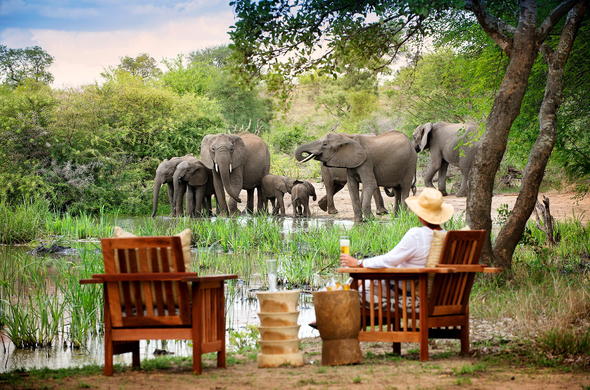 Safari Planning
Step-by-Step Guide to Planning an African Safari
Learn how to plan your first African safari with our step-by-step guide. We cover everything from choosing a destination to booking your trip and packing.
 Safari Planning
Self-Drive Safari vs Guided Safari
Deciding between a self-drive safari and a guided safari? This guide breaks down the pros, cons, costs, and key differences to help you choose the right trip.
 Safari Costs
Luxury Safari Pricing Guide
Discover the real cost of a luxury African safari. Our guide breaks down pricing by country, what\