
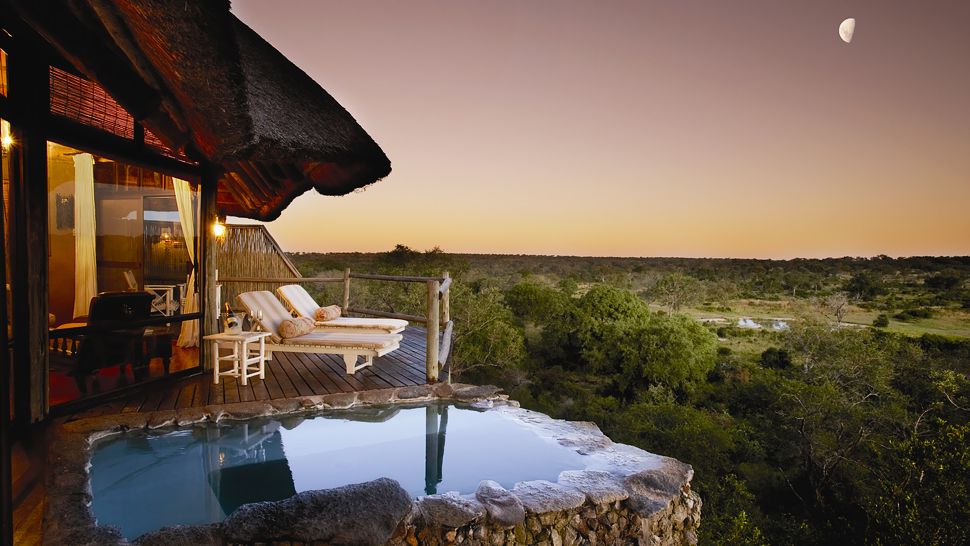
Learn all about Safari Sleep Preparation Tips in this comprehensive guide.
Understanding the Climate and Terrain in Africa
When packing for a safari in Africa, it's essential to consider the local climate and terrain. Africa has a diverse landscape, from vast plains to dense forests. Temperatures can fluctuate significantly, with warm days and cool evenings. Lightweight, breathable fabrics are your best friend. For more on planning your trip, see our destination guide for Africa.
Essential Clothing Items
Neutral-colored clothing is highly recommended to blend in with the environment and avoid startling the wildlife. Think khaki, olive, and brown. You'll want to pack a mix of short-sleeved shirts and long-sleeved shirts for sun protection. A lightweight waterproof jacket is also a must, as rain showers can be unpredictable. For personalized packing advice, consider consulting with one of our safari operators.
Still researching? Let us help.
Our advisory team has planned safaris across 9 African countries. We can turn your research into a real plan.
Talk to an AdvisorFootwear for All Activities
Comfortable, broken-in walking shoes are non-negotiable. Whether you're on a walking safari or just exploring your lodge, you'll be on your feet a lot. A pair of sandals or flip-flops is also great for relaxing at the lodge. If you're planning any strenuous hikes, be sure to bring appropriate hiking boots. Our safari cost calculator can help you budget for any specialized gear you may need to purchase.
Sun and Insect Protection
A wide-brimmed hat, sunglasses, and high-SPF sunscreen are crucial for protecting yourself from the African sun. Insect repellent is also a must, especially in the evenings. Look for a repellent containing DEET for the most effective protection against mosquitoes and other biting insects. For more health and safety tips, visit our knowledge base.
Evening and Lodge Attire
Evenings on safari can be a mix of casual and smart-casual. Most lodges have a relaxed dress code, but it's always a good idea to pack a slightly nicer outfit for dinner. A pashmina or wrap is perfect for adding a touch of warmth and style. Before you book, be sure to research safari operators in Africa to understand the specific dress codes at their lodges.
Done Reading? Let's Build Your Safari.
Skip the guesswork. Work with an advisor who has been on the ground across East and Southern Africa.
Plan With UsUnderstanding Your Safari Accommodation: Lodges vs. Tented Camps
Your choice of accommodation plays a significant role in your sleep experience. Safari lodges, typically constructed with solid walls and glass windows, offer a sleeping environment similar to a traditional hotel. They provide excellent soundproofing and climate control, making them a comfortable choice for light sleepers or those new to the African bush. However, for a more immersive experience, consider a tented camp. These camps feature spacious canvas tents with en-suite bathrooms and comfortable beds, allowing you to feel closer to nature. While the canvas walls are thinner, the sounds of the bush at night—a distant lion's roar, the chirping of crickets, or the gentle rustle of leaves—can be a magical part of the experience. For a deeper dive into accommodation options, explore our destinations guide.
> Expert Insight: When choosing a tented camp, inquire about the tent's construction. High-quality canvas and well-sealed zippers can make a significant difference in comfort and insulation. Our safari operators can provide recommendations based on your preferences.
Managing Jet Lag for a Seamless Transition
Traveling across multiple time zones can disrupt your internal body clock, leading to jet lag. To minimize its effects, begin adjusting your sleep schedule a few days before your departure. If you're traveling east, go to bed an hour earlier each night; if traveling west, go to bed an hour later. During your flight, stay hydrated by drinking plenty of water and avoiding excessive alcohol and caffeine. Upon arrival, expose yourself to natural sunlight as much as possible to help reset your circadian rhythm. A well-planned itinerary can also ease your transition. Use our plan your safari tool to create a schedule that allows for a gradual acclimatization.
Essential Gear for a Restful Night's Sleep
A few carefully selected items can dramatically improve your sleep quality on safari. Consider packing the following:
- High-Quality Earplugs and an Eye Mask: These are essential for blocking out unfamiliar sounds and light, especially in tented camps.
- Comfortable Sleepwear: Opt for lightweight, breathable fabrics like cotton or moisture-wicking materials.
- A Familiar Scent: A few drops of lavender essential oil on your pillow can create a calming and familiar sleep environment.
- White Noise App: If you're a light sleeper, a white noise app on your phone can help mask sudden noises from the bush.
For a comprehensive packing list, visit our knowledge center.
> Traveler's Tip: Test your earplugs before you travel to ensure they are comfortable and effective. A good fit is crucial for a peaceful night's sleep.
Embracing the Nocturnal Sounds of the African Bush
For first-time safari travelers, the sounds of the African night can be both thrilling and intimidating. Instead of viewing them as a disturbance, try to embrace them as an integral part of your adventure. The distant roar of a lion, the whoop of a hyena, or the gentle call of a nightjar are all reminders that you are in a truly wild place. Many lodges and camps provide a guide to the nocturnal sounds you might hear, turning a potential sleep disruption into a fascinating learning experience. Before you travel, you can use our cost calculator to budget for a private guided night walk, which can help you connect the sounds with the animals that make them.
Pre-Safari Evening Routine: Winding Down for Optimal Rest
After an exhilarating day of game drives, a calming evening routine can prepare your mind and body for a restful night. Avoid screen time for at least an hour before bed, as the blue light from phones and tablets can interfere with melatonin production. Instead, consider reading a book, journaling about your day's sightings, or engaging in quiet conversation. Many lodges have comfortable lounge areas with fireplaces, providing the perfect ambiance for relaxation. A warm shower before bed can also help lower your body temperature and signal to your body that it's time to sleep. By creating a consistent pre-sleep ritual, you can train your body to wind down and embrace the tranquility of the African night.
Need Expert Safari Guidance?
Get expert advisory support from a firm founded by a former safari guide — with real operational knowledge across 9 African countries and full-journey accountability.
Related Planning Guides
Recommended Reading
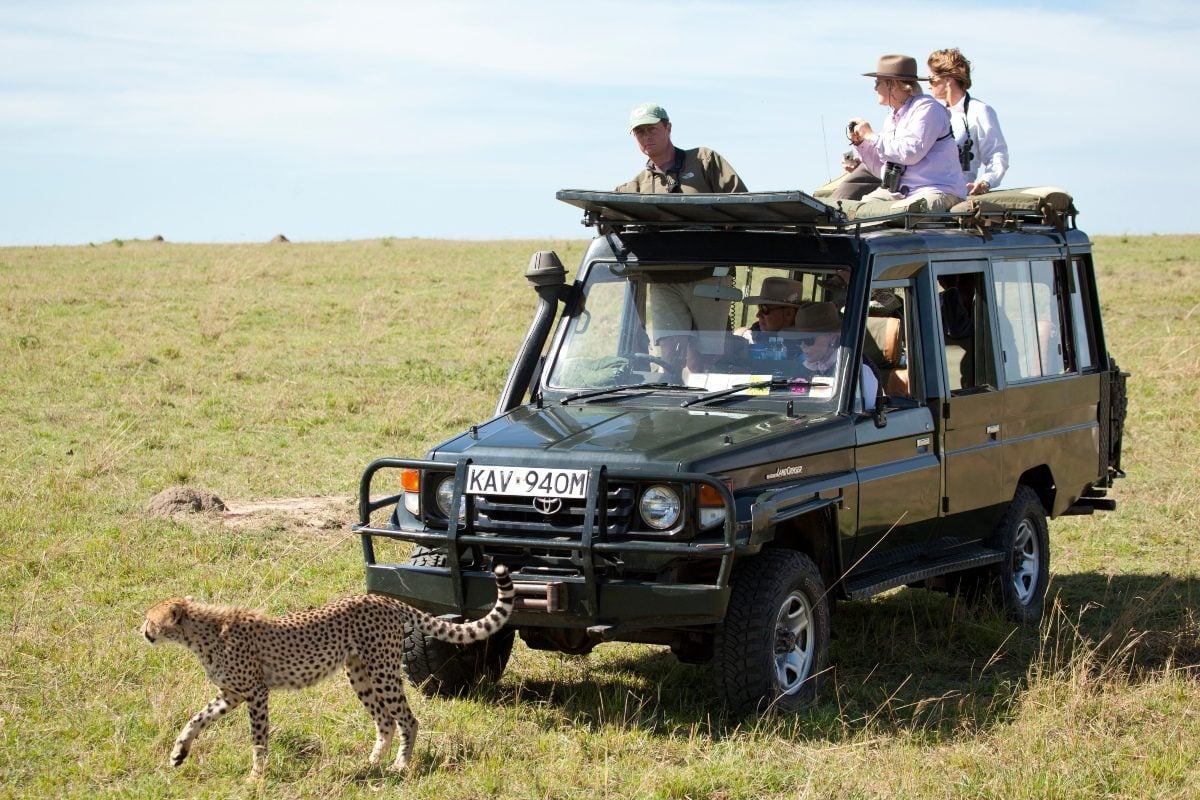 Packing & Preparation
Safari Dental Preparation Tips
Learn all about Safari Dental Preparation Tips in this comprehensive guide.
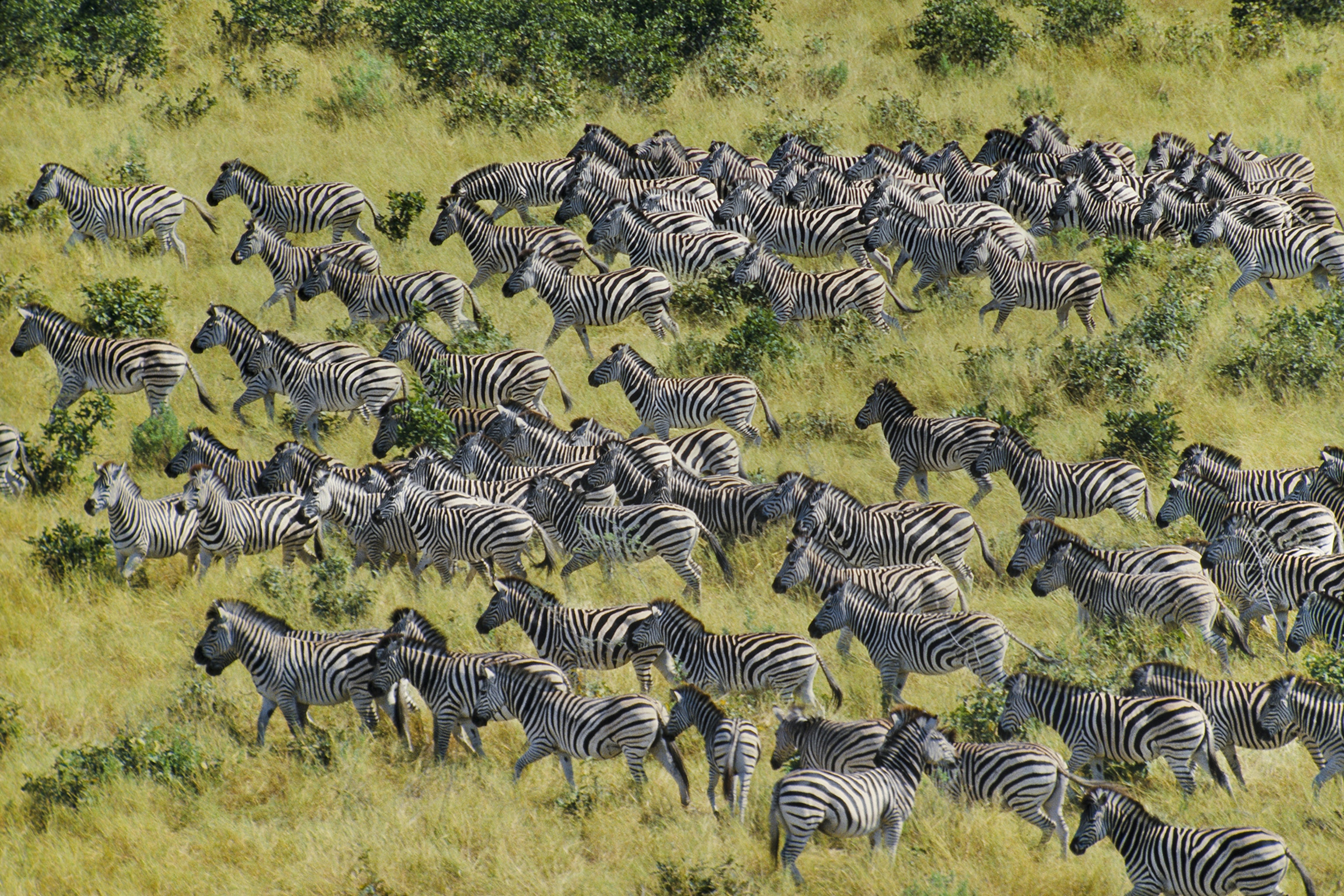 Travel Logistics
Safari Sleep Quality Tips at Lodges
A comprehensive guide to Safari Sleep Quality Tips at Lodges. Learn everything you need to know for your safari adventure.
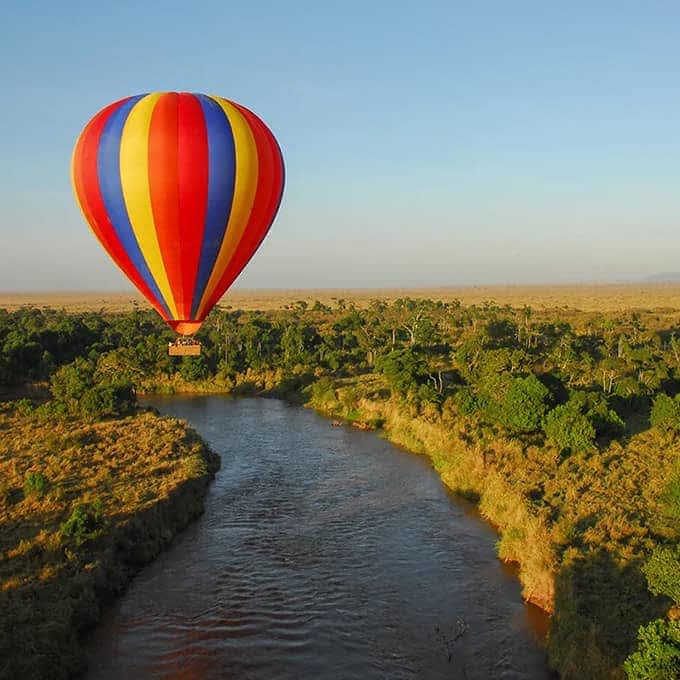 Packing & Preparation
Safari Fitness Preparation Guide
Learn all about Safari Fitness Preparation Guide in this comprehensive guide.
 Packing & Preparation
Walking Safari Fitness Preparation
Learn all about Walking Safari Fitness Preparation in this comprehensive guide.
 Travel Logistics
Safari Power Outage Preparation
A comprehensive guide to Safari Power Outage Preparation. Learn everything you need to know for your safari adventure.
 Travel Logistics
Safari Dust Storm Preparation
A comprehensive guide to Safari Dust Storm Preparation. Learn everything you need to know for your safari adventure.