
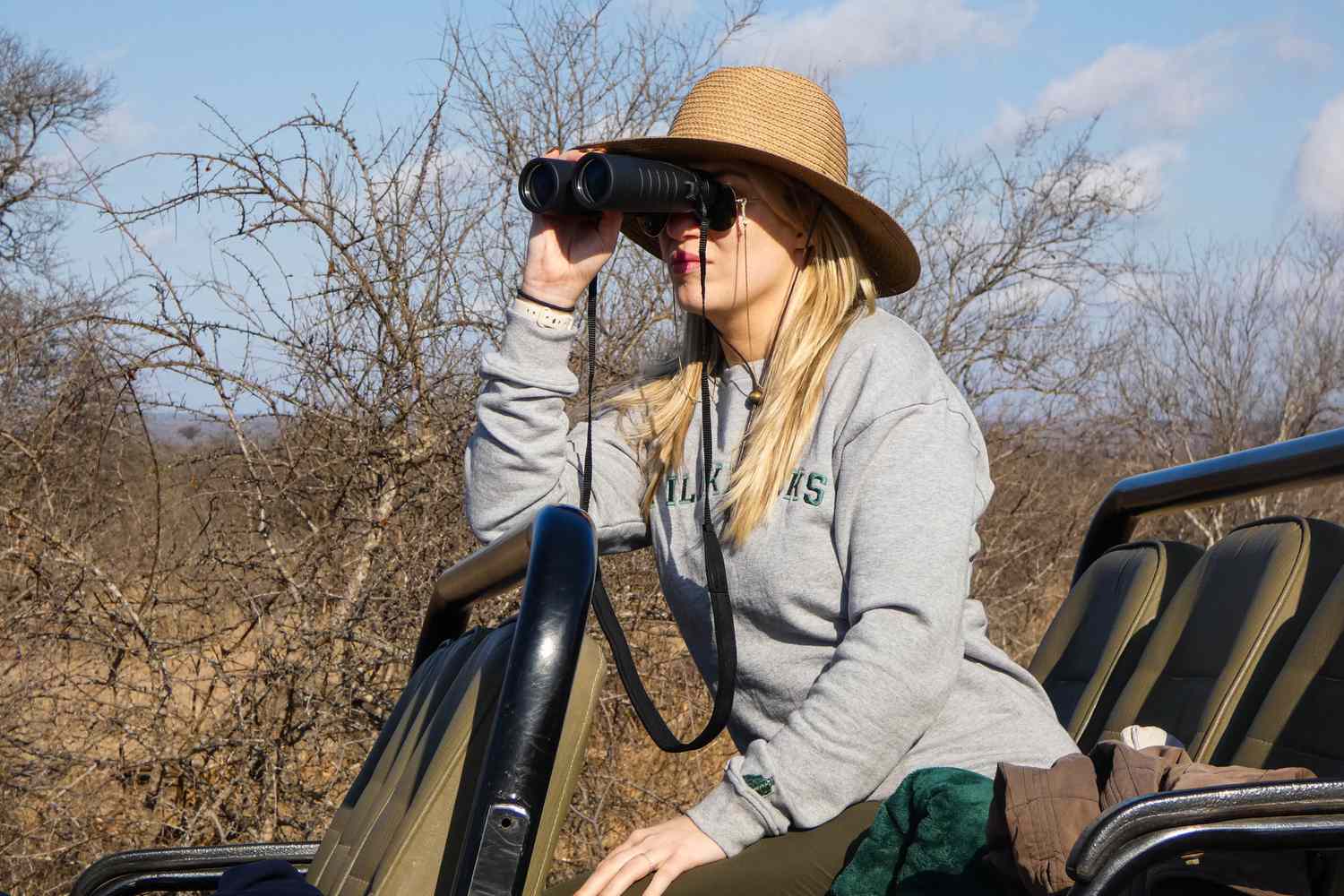
Learn all about Safari Mental Preparation and Expectations in this comprehensive guide.
Understanding the Climate and Terrain in Africa
When packing for a safari in Africa, it's essential to consider the local climate and terrain. Africa has a diverse landscape, from vast plains to dense forests. Temperatures can fluctuate significantly, with warm days and cool evenings. Lightweight, breathable fabrics are your best friend. For more on planning your trip, see our destination guide for Africa.
Essential Clothing Items
Neutral-colored clothing is highly recommended to blend in with the environment and avoid startling the wildlife. Think khaki, olive, and brown. You'll want to pack a mix of short-sleeved shirts and long-sleeved shirts for sun protection. A lightweight waterproof jacket is also a must, as rain showers can be unpredictable. For personalized packing advice, consider consulting with one of our safari operators.
Still researching? Let us help.
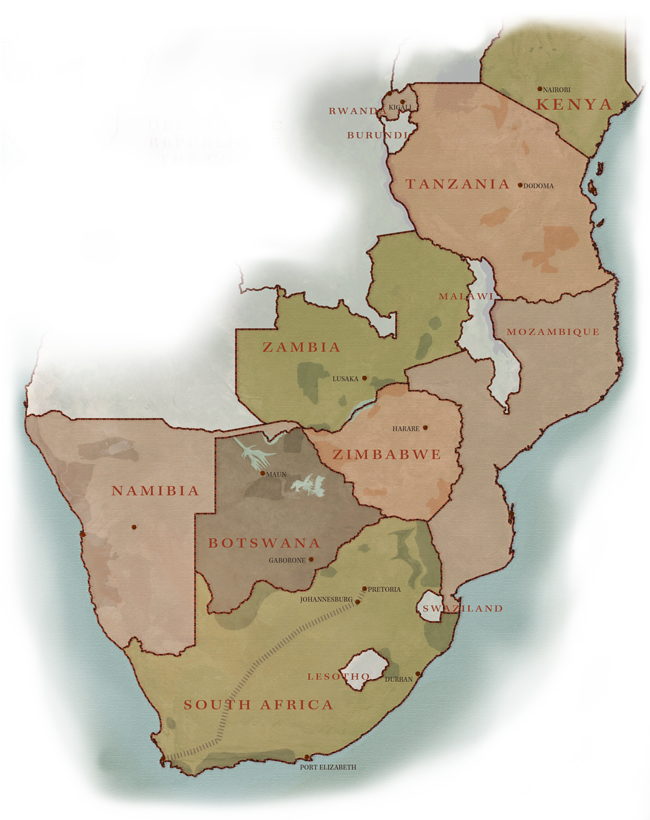
Our advisory team has planned safaris across 9 African countries. We can turn your research into a real plan.
Talk to an AdvisorFootwear for All Activities
Comfortable, broken-in walking shoes are non-negotiable. Whether you're on a walking safari or just exploring your lodge, you'll be on your feet a lot. A pair of sandals or flip-flops is also great for relaxing at the lodge. If you're planning any strenuous hikes, be sure to bring appropriate hiking boots. Our safari cost calculator can help you budget for any specialized gear you may need to purchase.
Sun and Insect Protection
A wide-brimmed hat, sunglasses, and high-SPF sunscreen are crucial for protecting yourself from the African sun. Insect repellent is also a must, especially in the evenings. Look for a repellent containing DEET for the most effective protection against mosquitoes and other biting insects. For more health and safety tips, visit our knowledge base.
Evening and Lodge Attire
Evenings on safari can be a mix of casual and smart-casual. Most lodges have a relaxed dress code, but it's always a good idea to pack a slightly nicer outfit for dinner. A pashmina or wrap is perfect for adding a touch of warmth and style. Before you book, be sure to research safari operators in Africa to understand the specific dress codes at their lodges.
Done Reading? Let's Build Your Safari.
Skip the guesswork. Work with an advisor who has been on the ground across East and Southern Africa.
Plan With UsEmbracing "Africa Time" and The Unpredictability of Wildlife
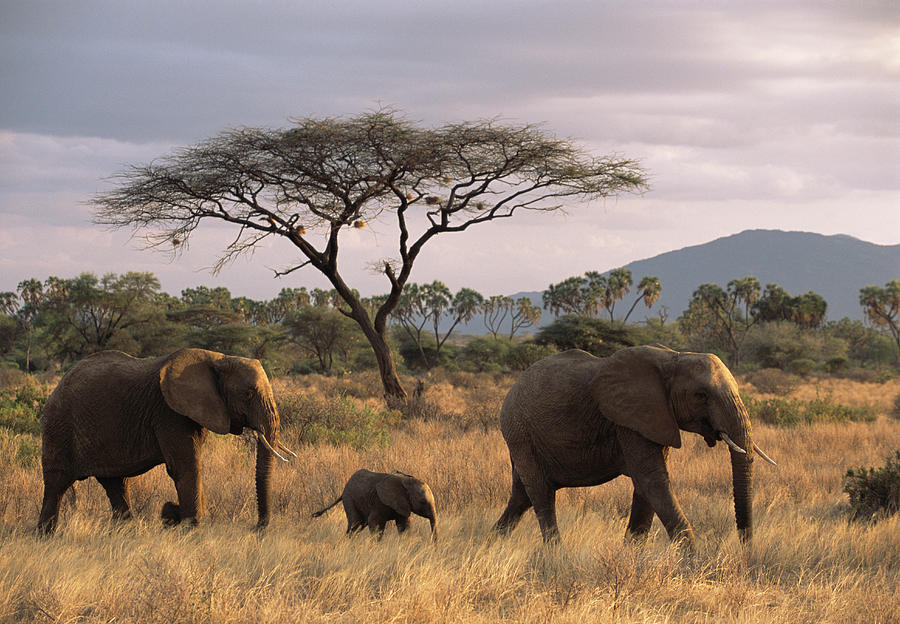
One of the most important mental adjustments to make before your safari is to embrace the concept of "Africa time." In many parts of Africa, life moves at a more relaxed pace. Schedules are often seen as a general guide rather than a strict timetable. While reputable safari operators and lodges adhere to schedules for game drives and activities, there can be unexpected delays. A herd of elephants crossing the road, a fascinating wildlife sighting that deserves more time, or a conversation with a local guide can all lead to a deviation from the planned itinerary. Rather than feeling frustrated, view these moments as part of the authentic safari experience. The most memorable moments on safari are often the unscripted ones.
This mindset extends to wildlife sightings. It is crucial to understand that a safari is not a zoo. The animals are wild and roam freely in vast, unfenced ecosystems. While your guides are highly skilled at tracking and finding wildlife, there are no guarantees. You might see the "Big Five" in a single day, or you might spend hours searching for a leopard. The thrill of safari lies in this unpredictability. Every sighting is a privilege, a reward for patience and keen observation.
> Expert Insight: Experienced safari guides are masters of tracking. They can read the signs of the bush—a fresh footprint, a broken branch, the alarm call of a bird—to locate animals. Trust their expertise and don't be afraid to ask questions about what they are seeing and hearing. Their insights will transform your game drives from a passive viewing experience into an active and engaging lesson in bushcraft.
The Role of Your Safari Guide: A Partnership for Success
Your safari guide is arguably the single most important person on your trip. They are your host, your driver, your wildlife expert, your naturalist, and your connection to the local culture. A great guide can transform a good safari into an extraordinary one. The relationship you build with your guide is a partnership. The more you engage with them, the more you will get out of your experience.
Before your first game drive, take the time to chat with your guide about your interests. Are you a keen birder? Are you passionate about photography? Are you hoping to see a specific animal? Communicating your expectations will help your guide tailor the experience to your preferences. Remember, they are not mind readers. A simple conversation can make a world of difference.
> Traveler's Tip: Come prepared with questions. Ask about the local ecosystem, the behavior of the animals you encounter, and the conservation challenges in the area. Your guide's knowledge is a resource to be tapped. The more you learn, the richer your safari experience will be. For more guidance on choosing the right safari, our safari operators are always available to help.
Navigating Cultural Differences with Grace and Respect
A safari is not just about wildlife; it is also an opportunity for cultural exchange. You will be interacting with people from different cultural backgrounds, from the staff at your lodge to the residents of local communities you may visit. Approaching these interactions with humility, respect, and an open mind is essential.
Learning a few words in the local language, such as "hello" and "thank you," can go a long way in building rapport. In East Africa, a simple "Jambo" (hello) or "Asante sana" (thank you very much) in Swahili will be warmly received. Tipping is a customary way to show appreciation for good service, and it is a vital source of income for many people in the service industry. Your safari operator will provide guidelines on appropriate tipping amounts.
When visiting local communities, be mindful of cultural sensitivities. Always ask for permission before taking someone's photograph. Dress modestly, especially when visiting villages or cultural sites. Engaging with local people can be one of the most rewarding aspects of your trip, offering insights into a different way of life. For more information on responsible travel, explore our knowledge center.
Digital Detox: Managing Connectivity and Technology on Safari
In today's hyper-connected world, the thought of being without Wi-Fi can be daunting. However, one of the greatest gifts of a safari is the opportunity to disconnect from the digital world and reconnect with nature. Most safari camps and lodges are in remote areas with limited or no internet access. Embrace this as a chance for a digital detox.
Inform your family and friends that you will have limited connectivity and may not be reachable for periods. This will manage their expectations and allow you to be fully present in the moment. Instead of scrolling through your phone, listen to the sounds of the bush, watch the sunset with a sundowner in hand, or simply enjoy the peace and tranquility of your surroundings.
Of course, there are practical considerations. Download offline maps and any essential documents before you travel. A portable power bank is a must-have for keeping your camera and other devices charged. While you may not be able to post your photos in real-time, you will have incredible stories and images to share when you return. If you're ready to disconnect and embark on an adventure, you can start to plan your safari with us.
Cost Considerations and Financial Preparedness
While your safari package will cover the major expenses, it is important to budget for additional costs. These can include tips for your guides and lodge staff, souvenirs, alcoholic beverages (if not included), and optional activities such as hot air balloon rides or cultural village visits. Understanding these potential extra costs will help you plan your budget and avoid any financial surprises. Our cost calculator can be a useful tool for estimating the overall cost of your trip.
> Expert Insight: When it comes to souvenirs, consider purchasing items directly from local artisans or community-run craft markets. This ensures that your money is directly supporting the local economy. Many lodges also have gift shops that stock locally made crafts. Buying authentic, handmade souvenirs is a wonderful way to bring a piece of Africa home with you while making a positive impact.
Need Expert Safari Guidance?
Get expert advisory support from a firm founded by a former safari guide — with real operational knowledge across 9 African countries and full-journey accountability.
Related Planning Guides
Recommended Reading
 Packing & Preparation
Safari Fitness Preparation Guide
Learn all about Safari Fitness Preparation Guide in this comprehensive guide.
 Packing & Preparation
Walking Safari Fitness Preparation
Learn all about Walking Safari Fitness Preparation in this comprehensive guide.
 Packing & Preparation
Mountain Safari Fitness Preparation
Learn all about Mountain Safari Fitness Preparation in this comprehensive guide.
 Season & Timing Guides
January Safari Guide – What to Expect
This is a dummy meta description for January Safari Guide – What to Expect.
 Season & Timing Guides
February Safari Guide – What to Expect
This is a dummy meta description for February Safari Guide – What to Expect.
 Season & Timing Guides
March Safari Guide – What to Expect
This is a dummy meta description for March Safari Guide – What to Expect.