
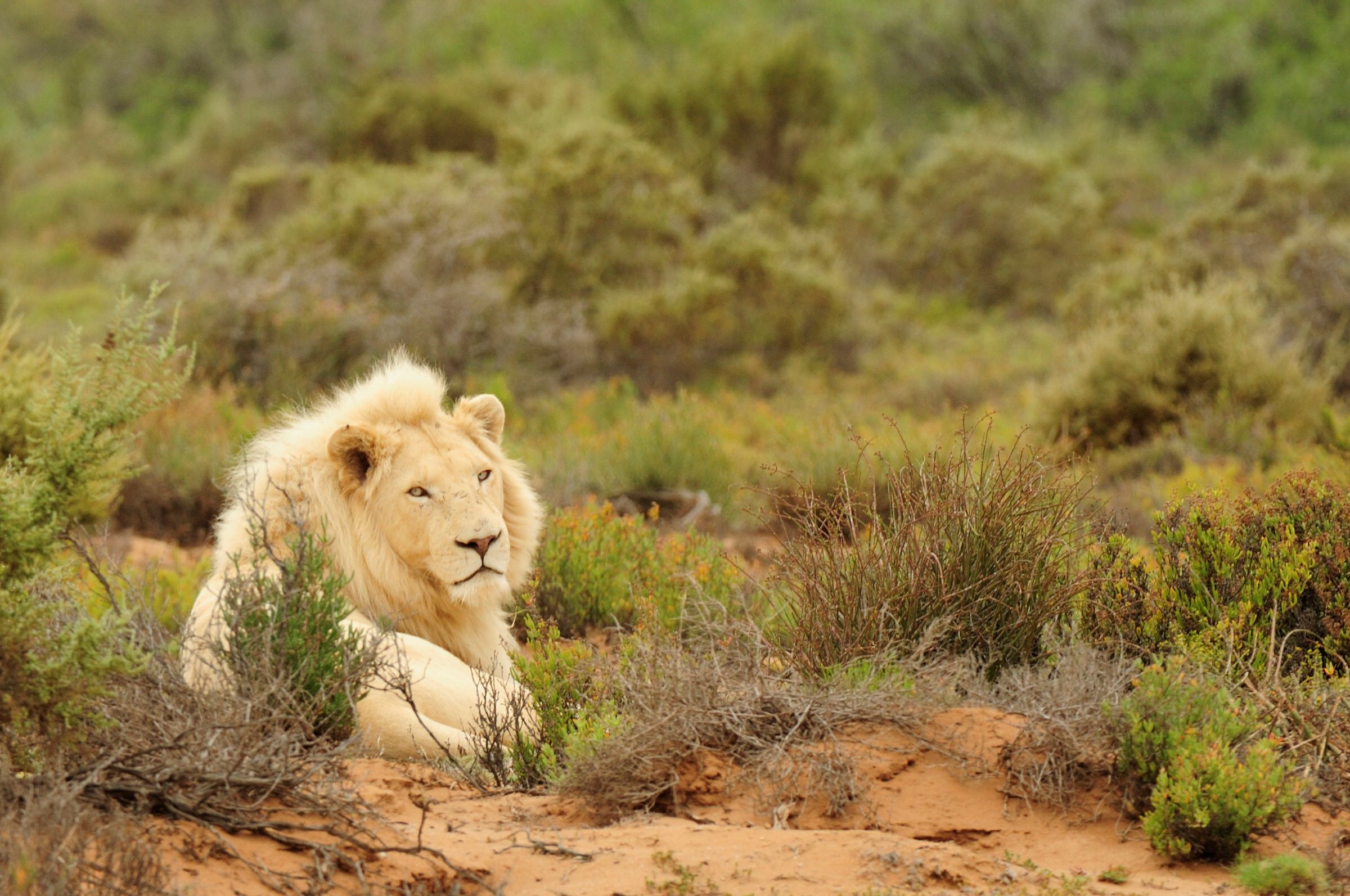
A great photo is a wonderful souvenir, but it\
About Safari Photography Etiquette
This in-depth guide explores safari photography etiquette, providing essential information for anyone planning an African safari. Understanding this topic thoroughly will help you make informed decisions and have a more rewarding safari experience. Africa's safari industry continues to evolve, and staying informed about the latest developments ensures you get the best possible experience.
Why This Matters for Your Safari
Safari Photography Etiquette is an important consideration for safari travelers. Whether you're a first-time visitor or a returning enthusiast, understanding the nuances of this topic can significantly impact your trip. From choosing the right destinations to selecting appropriate operators, every decision builds on foundational knowledge. Our safari operators can provide personalized guidance based on your specific needs.
Still researching? Let us help.
Our advisory team has planned safaris across 9 African countries. We can turn your research into a real plan.
Talk to an AdvisorKey Insights and Recommendations
Based on extensive industry experience and traveler feedback, several key insights emerge. First, research is your best investment, as the more you know before booking, the better your experience will be. Second, flexibility in timing and destinations often leads to better value and fewer crowds. Third, working with experienced professionals, whether guides, operators, or advisors, consistently produces superior outcomes. Explore our knowledge center for more detailed articles on related topics.
Practical Applications
Putting this knowledge into practice starts with your planning process. Begin by identifying your priorities, whether that's specific wildlife encounters, landscape preferences, or cultural experiences. Then use resources like our destination guides, cost calculator, and operator directory to build an itinerary that aligns with your goals. Don't rush the planning process, as a well-planned safari is almost always more rewarding than a hastily arranged one.
Further Reading
To deepen your understanding, explore related articles in our knowledge center. Each guide is written by safari industry professionals with firsthand experience across Africa's top destinations. For personalized advice, our safari planning guidey team is available to answer your questions and help refine your plans.
Done Reading? Let's Build Your Safari.
Skip the guesswork. Work with an advisor who has been on the ground across East and Southern Africa.
Plan With UsRespecting Wildlife: The Photographer's Prime Directive
On safari, we are visitors in the homes of countless species. The most fundamental rule of safari photography etiquette is that the well-being of the wildlife always takes precedence over getting the perfect shot. Adhering to this principle not only ensures the safety of the animals but also leads to more authentic and powerful photographs. Disrupting an animal for a photograph creates a stressed subject and an artificial scene, defeating the purpose of capturing the wild's genuine spirit.
> Expert Insight: A truly great wildlife photograph captures a moment of natural behavior. If your presence is causing an animal to stop hunting, feeding, or resting, you are no longer an observer; you are an intruder. The best photographers are patient, allowing scenes to unfold without interference.
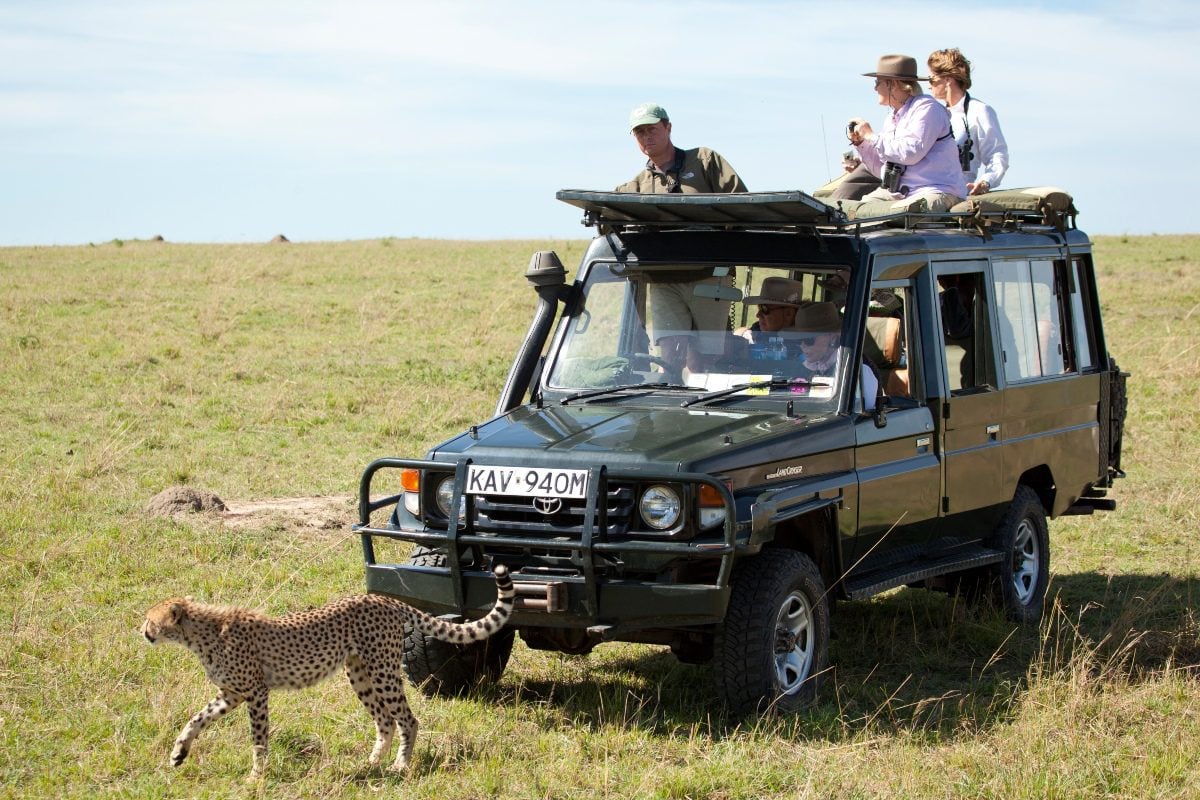
Maintaining a respectful distance is paramount. In renowned parks like Tanzania's Serengeti National Park or South Africa's Kruger National Park, guides are trained to adhere to strict minimum distance regulations—often 25 meters for general game and 100 meters for sensitive species like rhinos or wild dogs. These rules are not arbitrary; they are based on decades of behavioral research. An elephant flapping its ears aggressively or a lion nervously flicking its tail are clear signs that your vehicle is too close. A skilled guide will read these subtle cues and reposition the vehicle accordingly. Trust their expertise; their primary responsibility is safety and conservation, which ultimately serves your photographic goals.
The Social Dynamics of a Safari Vehicle
A standard safari vehicle is a shared space, and a little consideration goes a long way in ensuring everyone has a productive and enjoyable experience. Before your first game drive, have a brief conversation with your guide and fellow travelers about your photographic priorities. Are you hoping to capture classic portraits, or are you more interested in action shots? Knowing this helps the guide anticipate needs and manage expectations.
When an exciting sighting occurs, chaos can quickly ensue. Remember to be spatially aware. Avoid leaning far out of the vehicle in a way that blocks someone else's view, and be mindful of where you place your gear. It's good practice to take turns at prime viewing spots. If you've had a few minutes in the best position, offer to switch with someone else. A collaborative atmosphere, where everyone helps spot animals and shares angles, yields better results for the entire group.
> Traveler's Tip: If you are a passionate photographer, consider booking a specialized photographic safari or opting for a private vehicle. While this comes at a higher cost, it provides the ultimate flexibility to wait for hours for the perfect light or to focus on a single subject without feeling rushed. You can explore options with our safari operators to see if this fits your budget, which you can estimate using our cost calculator.
Advanced Photography and Ethical Considerations
As you advance your skills, you may be tempted by techniques that promise more dramatic images, but this is where ethical lines are often tested. The use of flash photography, for instance, is almost universally discouraged and often prohibited on night drives. The intense, sudden burst of light can temporarily blind and disorient animals, making them vulnerable to predators or causing them to abandon their nests. Modern cameras with high ISO capabilities have made flash photography largely unnecessary for capturing stunning low-light scenes.
Drone photography is another area fraught with ethical and legal challenges. The vast majority of national parks and private conservancies across Africa, including all of Kenya and Tanzania's protected areas, have banned the use of drones by tourists. The buzzing sound and unfamiliar presence of a drone can cause immense stress to wildlife, leading to herd stampedes or causing birds to abandon their nests. Always assume drones are prohibited unless you have received explicit written permission from the park authorities for a specific, often commercial or scientific, purpose.
Photographing local people and communities requires a different, but equally important, level of sensitivity. Never treat people as part of the scenery. Always ask for permission before taking someone's photograph, and be prepared for them to say no. A smile and a gesture toward your camera are often all that is needed. In many communities, offering a small payment for a photograph is customary, but it's best to have your guide facilitate this to ensure the interaction is respectful and not exploitative. The goal is to capture a moment of connection, not to perpetuate a sense of
Need Expert Safari Guidance?
Get expert advisory support from a firm founded by a former safari guide — with real operational knowledge across 9 African countries and full-journey accountability.
Related Planning Guides
Recommended Reading
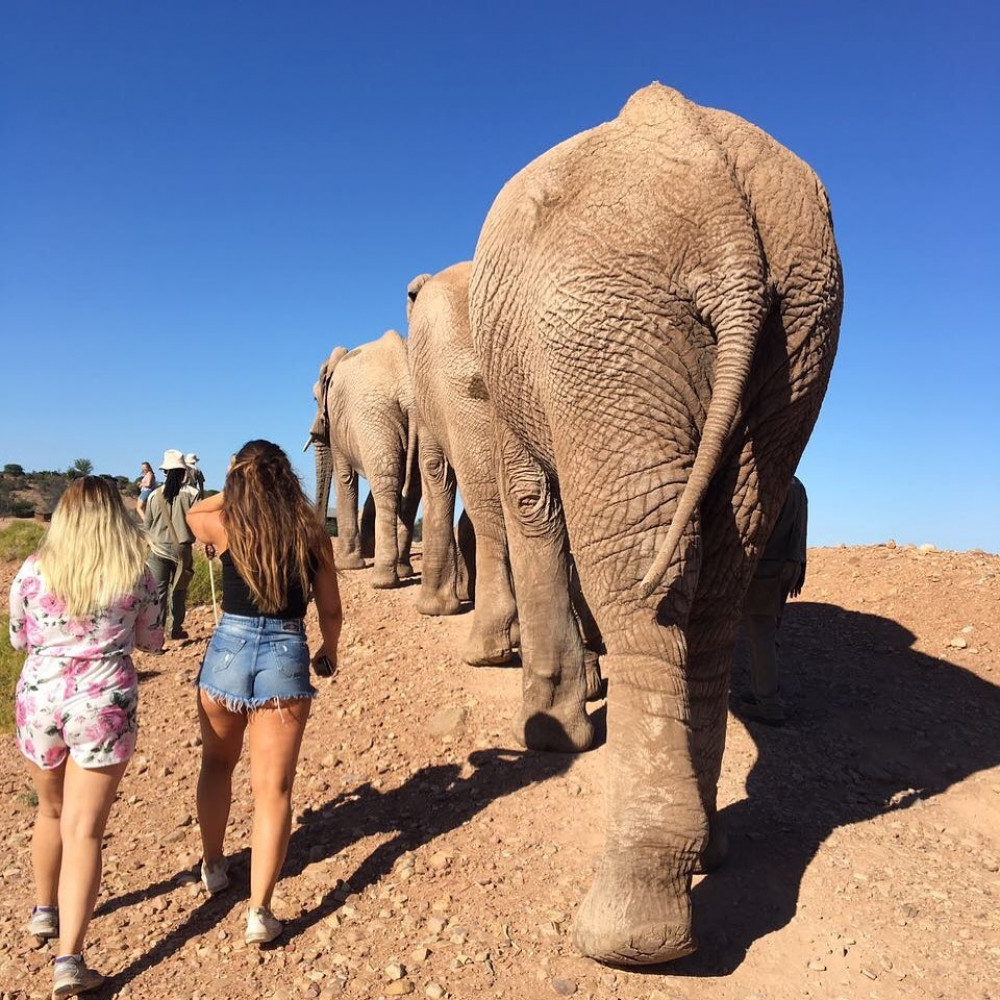 Travel Logistics
Safari Hot Day Temperature Management
A comprehensive guide to Safari Hot Day Temperature Management. Learn everything you need to know for your safari adventure.
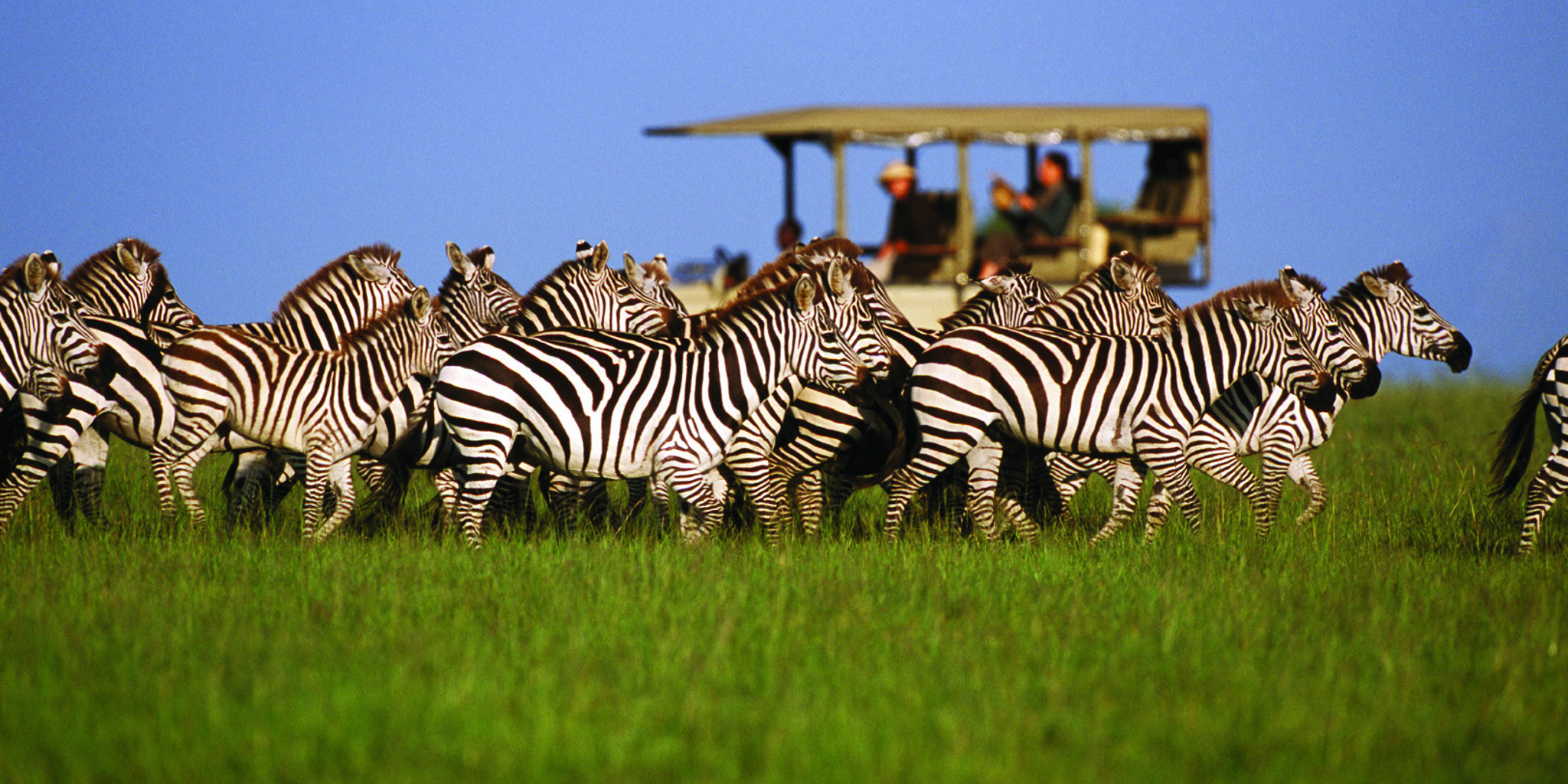 Safari Safety
Safari Photography Safety
Learn how to practice safe safari photography with our expert guide. Discover essential tips for protecting your gear, respecting wildlife, and taking great photos.
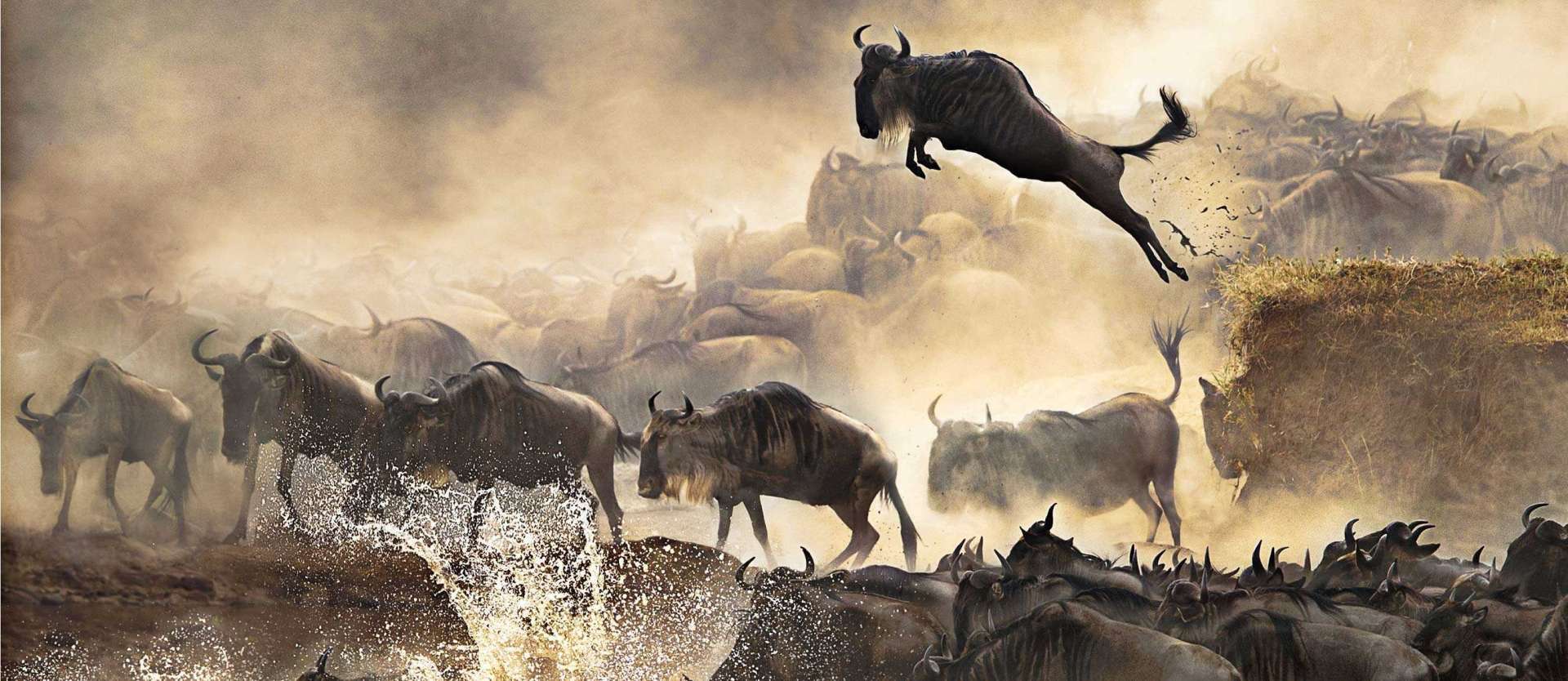 Safari Travel Tips
Safari Photography Tips
Master your safari photography with our expert tips on cameras, lenses, settings, and composition. Learn how to capture stunning wildlife photos in Africa.
 Safari Travel Tips
Safari Travel Etiquette
Learn essential safari travel etiquette to ensure a safe, respectful, and unforgettable journey while preserving Africa\
 Safari Travel Tips
Safari Game Drive Etiquette
Learn the essential safari game drive etiquette to ensure a safe, respectful, and unforgettable wildlife experience in Africa. Your guide to responsible travel.
 Expert Safari Knowledge
Safari Photography Ethics
Learn the essential principles of ethical safari photography, from respecting wildlife and choosing the right gear to cultural sensitivity and responsible sharing.