
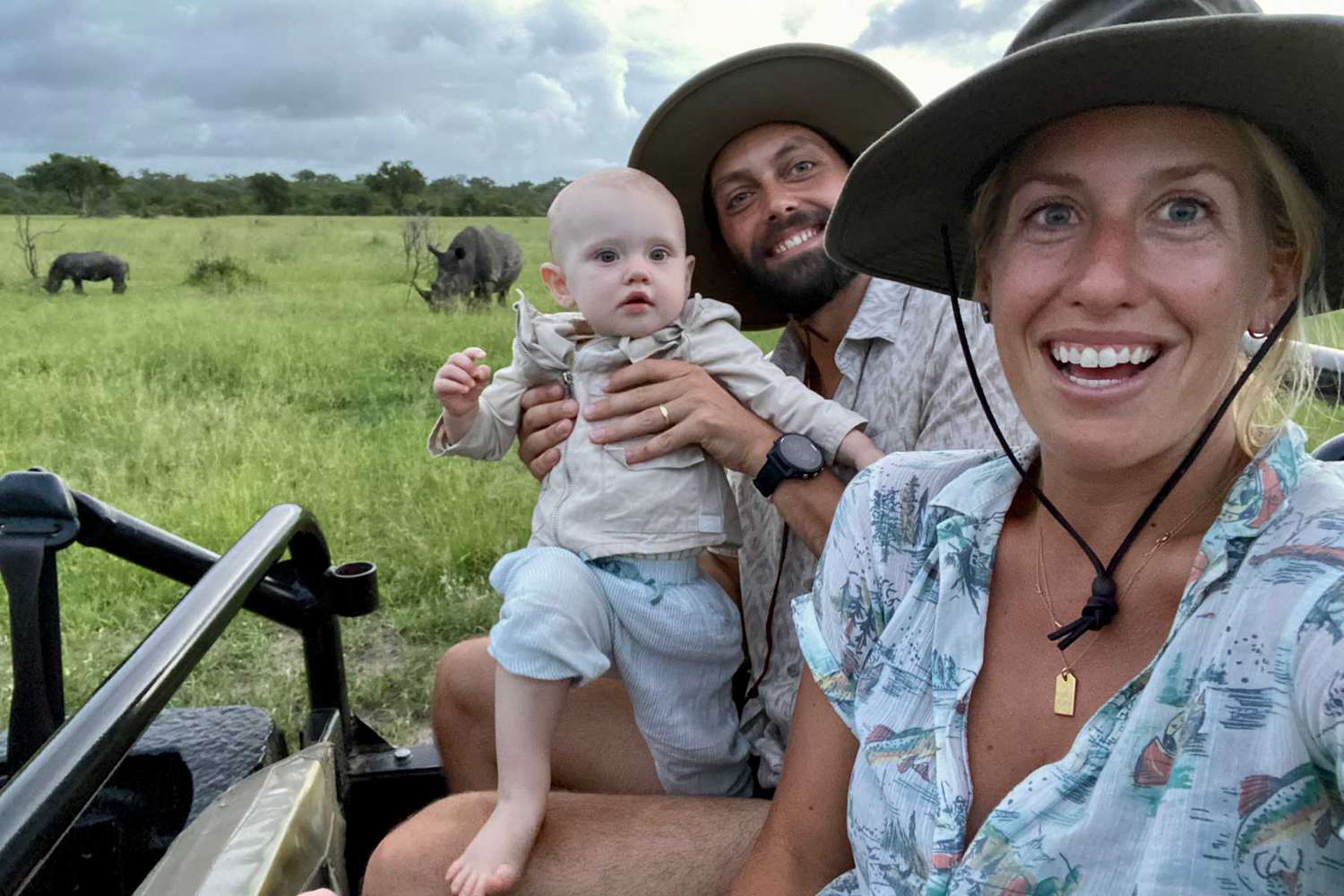
Drones can capture stunning aerial footage, but they are not allowed in most safari destinations. Our guide to drone usage rules will help you know the law.
About Safari Drone Usage Rules
This in-depth guide explores safari drone usage rules, providing essential information for anyone planning an African safari. Understanding this topic thoroughly will help you make informed decisions and have a more rewarding safari experience. Africa's safari industry continues to evolve, and staying informed about the latest developments ensures you get the best possible experience.
Why This Matters for Your Safari
Safari Drone Usage Rules is an important consideration for safari travelers. Whether you're a first-time visitor or a returning enthusiast, understanding the nuances of this topic can significantly impact your trip. From choosing the right destinations to selecting appropriate operators, every decision builds on foundational knowledge. Our safari operators can provide personalized guidance based on your specific needs.
Still researching? Let us help.
Our advisory team has planned safaris across 9 African countries. We can turn your research into a real plan.
Talk to an AdvisorKey Insights and Recommendations
Based on extensive industry experience and traveler feedback, several key insights emerge. First, research is your best investment, as the more you know before booking, the better your experience will be. Second, flexibility in timing and destinations often leads to better value and fewer crowds. Third, working with experienced professionals, whether guides, operators, or advisors, consistently produces superior outcomes. Explore our knowledge center for more detailed articles on related topics.
Practical Applications
Putting this knowledge into practice starts with your planning process. Begin by identifying your priorities, whether that's specific wildlife encounters, landscape preferences, or cultural experiences. Then use resources like our destination guides, cost calculator, and operator directory to build an itinerary that aligns with your goals. Don't rush the planning process, as a well-planned safari is almost always more rewarding than a hastily arranged one.
Further Reading
To deepen your understanding, explore related articles in our knowledge center. Each guide is written by safari industry professionals with firsthand experience across Africa's top destinations. For personalized advice, our safari planning guidey team is available to answer your questions and help refine your plans.
Done Reading? Let's Build Your Safari.
Skip the guesswork. Work with an advisor who has been on the ground across East and Southern Africa.
Plan With UsWhy Are Drones Restricted on Safari?
The near-universal restriction on drones in safari areas stems from several critical concerns that prioritize the well-being of wildlife, the safety of visitors, and the integrity of the natural environment. While drone technology offers incredible potential for photography, its application in sensitive ecosystems like national parks and wildlife reserves presents significant risks.
First and foremost, the noise and unfamiliar presence of a drone can cause severe stress and disturbance to wildlife. Animals may perceive a drone as a threat, similar to a bird of prey, causing them to panic, flee, or alter their natural behaviors. This is particularly dangerous for nesting birds, animals with young, and herds of prey animals that can be sent into a stampede. Such disturbances not only impact the animals' welfare but also diminish the quality of the safari experience for everyone. Imagine a pride of lions peacefully resting, only to be scattered by a buzzing drone overhead—the magic of the moment is instantly lost.
> Expert Insight: From my years guiding safaris in Uganda and Kenya, I’ve seen firsthand how even small changes in the environment can affect animal behavior. A drone is not a small change. It’s an alien intrusion that can make animals anxious and unpredictable. Protecting the natural state of these habitats is our primary responsibility.
Privacy and safety for other travelers are also major factors. A safari is often a once-in-a-lifetime journey, a chance to disconnect and immerse oneself in nature. The presence of drones can feel intrusive, disrupting the sense of tranquility and solitude that people seek. Furthermore, there are safety concerns related to pilot error, equipment malfunction, or loss of signal, which could lead to a drone crashing and injuring a person or an animal.
Finally, and perhaps most seriously, is the threat of poaching. Drones can be exploited by poachers to illegally track and target endangered species, such as rhinos and elephants. By enforcing a strict ban on unauthorized drone use, conservation authorities can better monitor and control the airspace above protected areas, making it more difficult for criminal syndicates to operate.
Country-Specific Drone Regulations
Navigating drone laws in Africa can be complex, as regulations vary significantly from one country to another. For popular safari destinations, the rules are generally very strict. Here’s a breakdown of what travelers need to know for Kenya, Tanzania, and South Africa.
| Country | Drone Regulations Summary | | :--- | :--- | | Kenya | Strictly regulated. All drone operations, regardless of size or purpose, require a permit from the Kenya Civil Aviation Authority (KCAA). The process is complex and primarily designed for Kenyan citizens or residents with a registered company. Flying in national parks and reserves is prohibited without special authorization. | | Tanzania | Highly restricted. Similar to Kenya, flying a drone requires a permit from the Tanzania Civil Aviation Authority (TCAA). Drones are explicitly forbidden in all national parks, including the Serengeti and Ngorongoro Crater, unless you have secured a specific permit for professional filming or scientific research. Insurance is mandatory. | | South Africa | Effectively banned in parks. The use of drones is forbidden in all South African National Parks (SANParks), including Kruger National Park. Private game reserves also typically prohibit drone use to protect wildlife and ensure a positive guest experience. Permits are reserved for conservation, research, or commercial filming projects. |
Traveler's Tip: Do not attempt to bring a drone into these countries with the hope of using it "discreetly." Airport customs officials are vigilant, and penalties for unauthorized drone use can be severe, including hefty fines and even imprisonment. It is far better to leave your drone at home than to risk legal trouble and the confiscation of your equipment.
The Exception: Permits for Professional Use
While recreational drone use is off-limits, there is a pathway for professionals to obtain permits for commercial filming, scientific research, or conservation-related activities. However, the process is neither simple nor cheap. Applicants must typically provide a detailed project proposal, proof of drone pilot certification, liability insurance, and a compelling reason why drone use is necessary.
In Tanzania, for example, a permit for using a drone in a national park for filming can cost thousands of dollars per day, in addition to standard park entry and filming fees. The application must be submitted months in advance and is subject to approval by multiple government bodies, including the Tanzania National Parks Authority (TANAPA) and the TCAA. These permits often come with strict conditions, such as limitations on flight altitude (not less than 50 meters from the ground) and a requirement to be accompanied by a park ranger.
For most travelers, even professional photographers, the cost and administrative hurdles of obtaining a permit make it an unfeasible option. This process is truly intended for large-scale documentary film crews or funded research projects. For more information on your specific destination, consult our safari operators.
Creative Alternatives for Aerial-Style Photography
Just because you can't use a drone doesn't mean you have to give up on capturing those breathtaking, top-down perspectives of the African landscape. There are several excellent, and legal, alternatives to consider:
- Hot Air Balloon Safaris: Offered in iconic locations like the Maasai Mara and the Serengeti, a hot air balloon ride provides a serene and magical platform for aerial photography. Drifting silently above the plains at sunrise offers unparalleled views and a completely different perspective on the ecosystem.
- Scenic Flights: Many safari destinations offer scenic flights in light aircraft, such as a Cessna. These flights can take you over vast landscapes, from the Okavango Delta's waterways in Botswana to the dramatic dunes of Namibia. While more expensive than a balloon ride, they cover more ground and offer a different kind of aerial experience.
- Lodge Viewing Decks and Towers: When choosing your accommodation, look for lodges that are built on elevated positions or have dedicated viewing towers. Many properties are strategically located on hills or kopjes, providing panoramic vistas that are perfect for landscape photography.
By exploring these alternatives, you can still achieve stunning aerial-style shots that tell the story of your safari adventure without breaking any laws or disturbing the wildlife you came to see. To start building your own custom itinerary, check out our plan your safari tool.
Need Expert Safari Guidance?
Get expert advisory support from a firm founded by a former safari guide — with real operational knowledge across 9 African countries and full-journey accountability.
Related Planning Guides
Recommended Reading
 Travel Logistics
Safari Driving Rules by Country
Planning a self-drive safari? Our guide to driving rules by country will help you navigate the roads of Africa safely and legally.
 Packing & Preparation
Safari Drone Regulations in Africa
Learn all about Safari Drone Regulations in Africa in this comprehensive guide.
 Family Safaris
Safari Age Restrictions Explained
Planning a family safari? Our guide to safari age restrictions explains the rules for game drives, walking safaris, and gorilla trekking in Africa.
 Safari Advisor Content
What Is a Safari Advisor and Why You Need One
Discover the essentials of what is a safari advisor and why you need one for an unforgettable African safari adventure.
 Travel Logistics
Safari Nearest Hospital Guide by Destination
Learn about safari nearest hospital guide by destination in this comprehensive safari guide.
 Travel Logistics
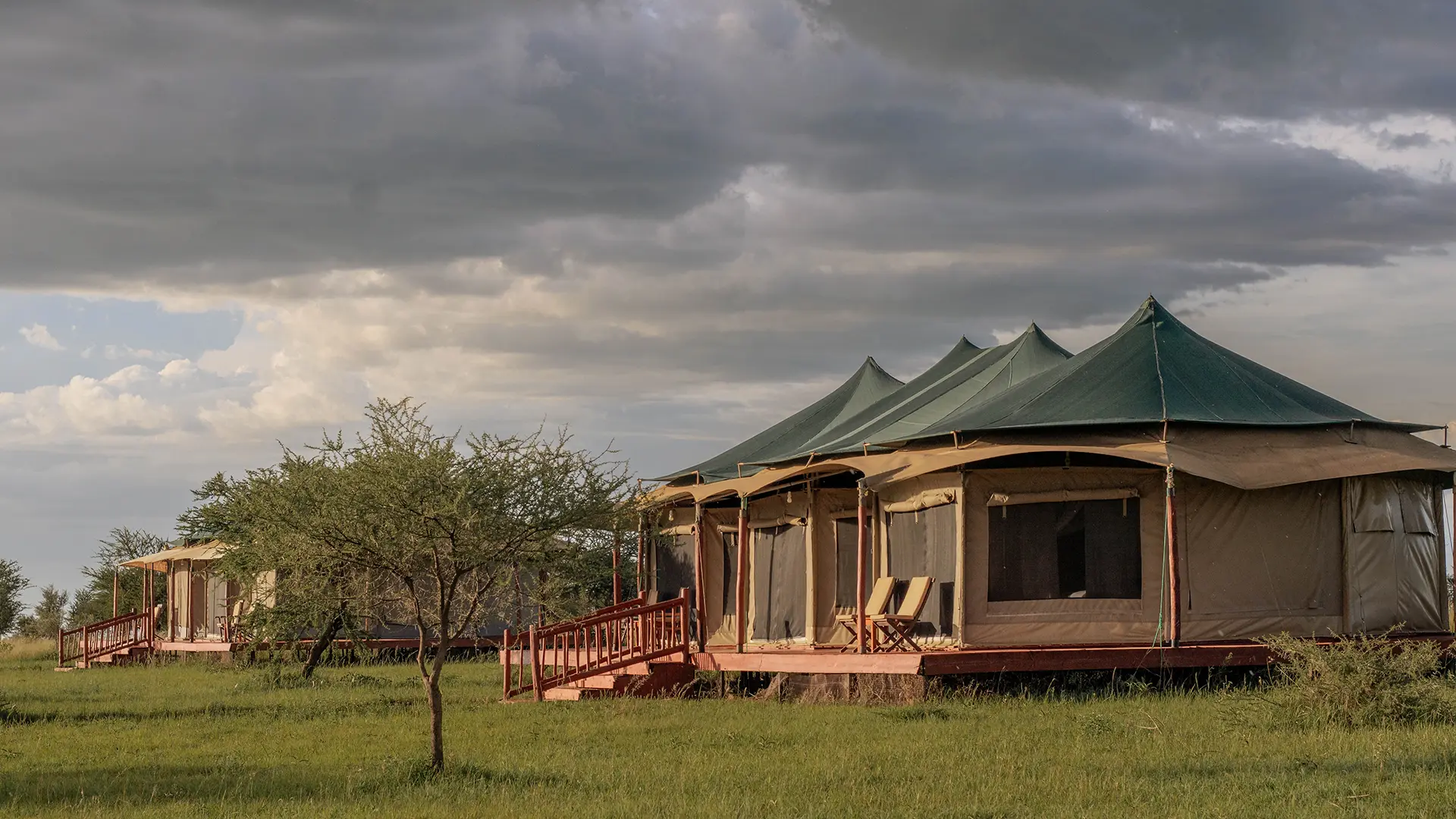
Safari Lodge Amenities Guide
From plunge pools to pizza ovens, safari lodges offer a surprising range of amenities. Our guide will help you know what to expect at your home in the bush.