
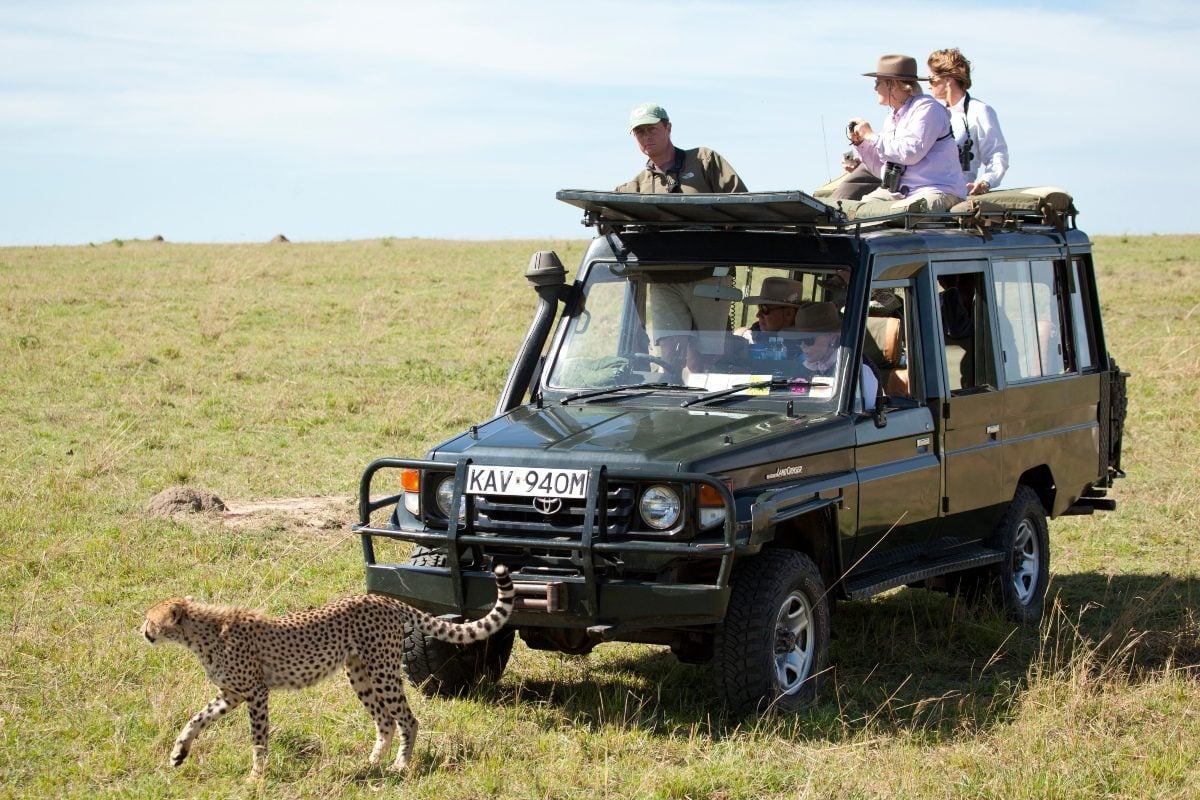
Insect bites are an inevitable part of a safari. Our guide to insect bite treatment will help you relieve the itch and avoid infection.
About Safari Insect Bite Treatment
This in-depth guide explores safari insect bite treatment, providing essential information for anyone planning an African safari. Understanding this topic thoroughly will help you make informed decisions and have a more rewarding safari experience. Africa's safari industry continues to evolve, and staying informed about the latest developments ensures you get the best possible experience.
Why This Matters for Your Safari
Safari Insect Bite Treatment is an important consideration for safari travelers. Whether you're a first-time visitor or a returning enthusiast, understanding the nuances of this topic can significantly impact your trip. From choosing the right destinations to selecting appropriate operators, every decision builds on foundational knowledge. Our safari operators can provide personalized guidance based on your specific needs.
Still researching? Let us help.
Our advisory team has planned safaris across 9 African countries. We can turn your research into a real plan.
Talk to an AdvisorKey Insights and Recommendations
Based on extensive industry experience and traveler feedback, several key insights emerge. First, research is your best investment, as the more you know before booking, the better your experience will be. Second, flexibility in timing and destinations often leads to better value and fewer crowds. Third, working with experienced professionals, whether guides, operators, or advisors, consistently produces superior outcomes. Explore our knowledge center for more detailed articles on related topics.
Practical Applications
Putting this knowledge into practice starts with your planning process. Begin by identifying your priorities, whether that's specific wildlife encounters, landscape preferences, or cultural experiences. Then use resources like our destination guides, cost calculator, and operator directory to build an itinerary that aligns with your goals. Don't rush the planning process, as a well-planned safari is almost always more rewarding than a hastily arranged one.
Further Reading
To deepen your understanding, explore related articles in our knowledge center. Each guide is written by safari industry professionals with firsthand experience across Africa's top destinations. For personalized advice, our safari planning guidey team is available to answer your questions and help refine your plans.
Done Reading? Let's Build Your Safari.
Skip the guesswork. Work with an advisor who has been on the ground across East and Southern Africa.
Plan With UsCommon Culprits: Identifying Insect Bites on Safari
While most insect encounters in the African bush are harmless, recognizing the source of a bite can help you apply the correct treatment and monitor for any potential complications. From the persistent mosquito to the notorious tsetse fly, here’s a guide to the usual suspects.
Mosquitoes
The most common and widespread insect you'll encounter, the mosquito is primarily a nuisance but can also be a vector for diseases like malaria. Bites appear as small, itchy red bumps. They are most active during dawn and dusk, particularly near water sources. While your pre-safari consultation with a travel doctor will determine the right anti-malarial prophylaxis for your destination, diligent prevention is your first line of defense.
Tsetse Flies
Found primarily in the woodland and savanna regions of sub-Saharan Africa, such as Tanzania's Tarangire National Park and parts of the Serengeti, tsetse flies can deliver a painful bite. These large, brownish flies are attracted to moving vehicles and dark colors (especially blue and black). A tsetse fly bite is often felt immediately and can result in a painful, red welt or a hard, inflamed nodule known as a "chancre." While most bites are just a painful nuisance, a small percentage of tsetse flies carry the parasite that causes African Trypanosomiasis, or sleeping sickness. The risk to travelers is extremely low, but it's wise to be aware.
> Expert Insight: When driving through tsetse-fly-infested areas, it's common for your guide to close the vehicle's windows. This isn't to be antisocial—it's a proven strategy to keep these persistent flies out of the car. If one does get in, your guide will likely swat it with practiced efficiency.
Ticks
Ticks are often found in long grass and brush. You may not feel the initial bite, and the tick can remain attached for several days. It's crucial to check your body, particularly your ankles, scalp, and behind your knees, after game drives or walking safaris. Tick bites can cause localized redness and swelling. In some regions, ticks can transmit tick-bite fever, a bacterial infection characterized by fever, headache, and a dark scab at the site of the bite.
Sand Fleas (Jiggers)
In certain sandy or dusty environments, you might encounter sand fleas. While less common in typical tourist areas, they can burrow into the skin, usually on the feet, and cause intense irritation. Proper footwear and avoiding walking barefoot can prevent this.
Advanced Prevention: A Proactive Approach to Bite-Free Safaris
Beyond basic advice, a strategic approach to prevention can make your safari far more comfortable. This involves layering several protection methods.
1. Clothing as Your First Line of Defense:
- Color Choice: Avoid dark blue and black clothing in tsetse fly areas. Instead, opt for neutral, earthy tones like khaki, beige, and olive green. These colors blend in with the environment and are less attractive to insects.
- Permethrin-Treated Clothing: For maximum protection, consider treating your safari clothing with a permethrin spray before you travel. This insecticide repels and kills ticks, mosquitoes, and other insects on contact. Alternatively, you can purchase pre-treated clothing from outdoor-focused brands.
2. Strategic Use of Repellents:
- DEET or Picaridin: For exposed skin, use a high-quality insect repellent containing DEET (20-30%) or Picaridin (20%). These are the most effective ingredients for repelling a wide range of insects.
- Application Timing: Apply repellent after your sunscreen has fully absorbed. Reapply every few hours, especially if you are sweating.
> Traveler's Tip: Create a small "bug kit" for your daypack. Include a travel-sized repellent, hydrocortisone cream, and antiseptic wipes. This ensures you have immediate access to treatment while out on a game drive.
On-the-Spot Treatment: Your Safari First-Aid Kit
Even with the best prevention, a few bites are often inevitable. Having a well-stocked first-aid kit is essential for managing them effectively. Our safari operators recommend a personalized kit, but here are the essentials for insect bite treatment:
- Antiseptic Wipes: Clean the bite area immediately to prevent secondary infection.
- Hydrocortisone Cream (1%): This is your best tool for reducing itching and inflammation. Apply a small amount to the bite as soon as you notice it.
- Oral Antihistamines: For more severe reactions or multiple bites, an oral antihistamine (like Benadryl or Claritin) can help control itching and swelling system-wide.
- Pain Relievers: Ibuprofen or acetaminophen can help manage the pain from more aggressive bites, such as those from a tsetse fly.
- Tick Removal Tool: If you are traveling to an area with a high tick presence, a specialized tool or fine-tipped tweezers are the safest way to remove them. Grasp the tick as close to the skin's surface as possible and pull upward with steady, even pressure.
When to Seek Medical Advice
While most insect bites are minor, it's crucial to know when to escalate the situation. Consult a medical professional if you experience any of the following:
- Signs of Infection: Increasing redness, swelling, pus, or warmth at the bite site.
- Systemic Symptoms: Fever, headache, muscle aches, or a widespread rash following a bite.
- Allergic Reaction: Difficulty breathing, swelling of the lips or face, or dizziness.
Before your trip, discuss your itinerary and potential health risks with a travel medicine specialist. They can provide destination-specific advice and necessary prescriptions. For more guidance on preparing for your journey, visit our knowledge center or start a conversation with our team to plan your safari.
Need Expert Safari Guidance?
Get expert advisory support from a firm founded by a former safari guide — with real operational knowledge across 9 African countries and full-journey accountability.
Related Planning Guides
Recommended Reading
 Travel Logistics
Safari Insect Bite Prevention
Insects are a part of the African bush. Our guide to insect bite prevention will help you avoid getting bitten and protect yourself from insect-borne diseases.
 Travel Logistics
Safari Sunburn Treatment
Too much sun on safari? Our guide to sunburn treatment will help you soothe your skin and get back to enjoying your trip.
 Travel Logistics
Safari Travel Money and ATM Access
Navigating safari travel money can be complex. Our guide covers everything from ATM access in remote areas to currency exchange and carrying cash safely.
 Packing & Preparation
Safari Insect Repellent Guide
Learn all about Safari Insect Repellent Guide in this comprehensive guide.
 Wildlife Guides
Insect Life on Safari
Comprehensive guide to insect life on safari covering key species, habitats, viewing tips, and conservation status for safari travelers.
 Safari Planning
Step-by-Step Guide to Planning an African Safari
Learn how to plan your first African safari with our step-by-step guide. We cover everything from choosing a destination to booking your trip and packing.