
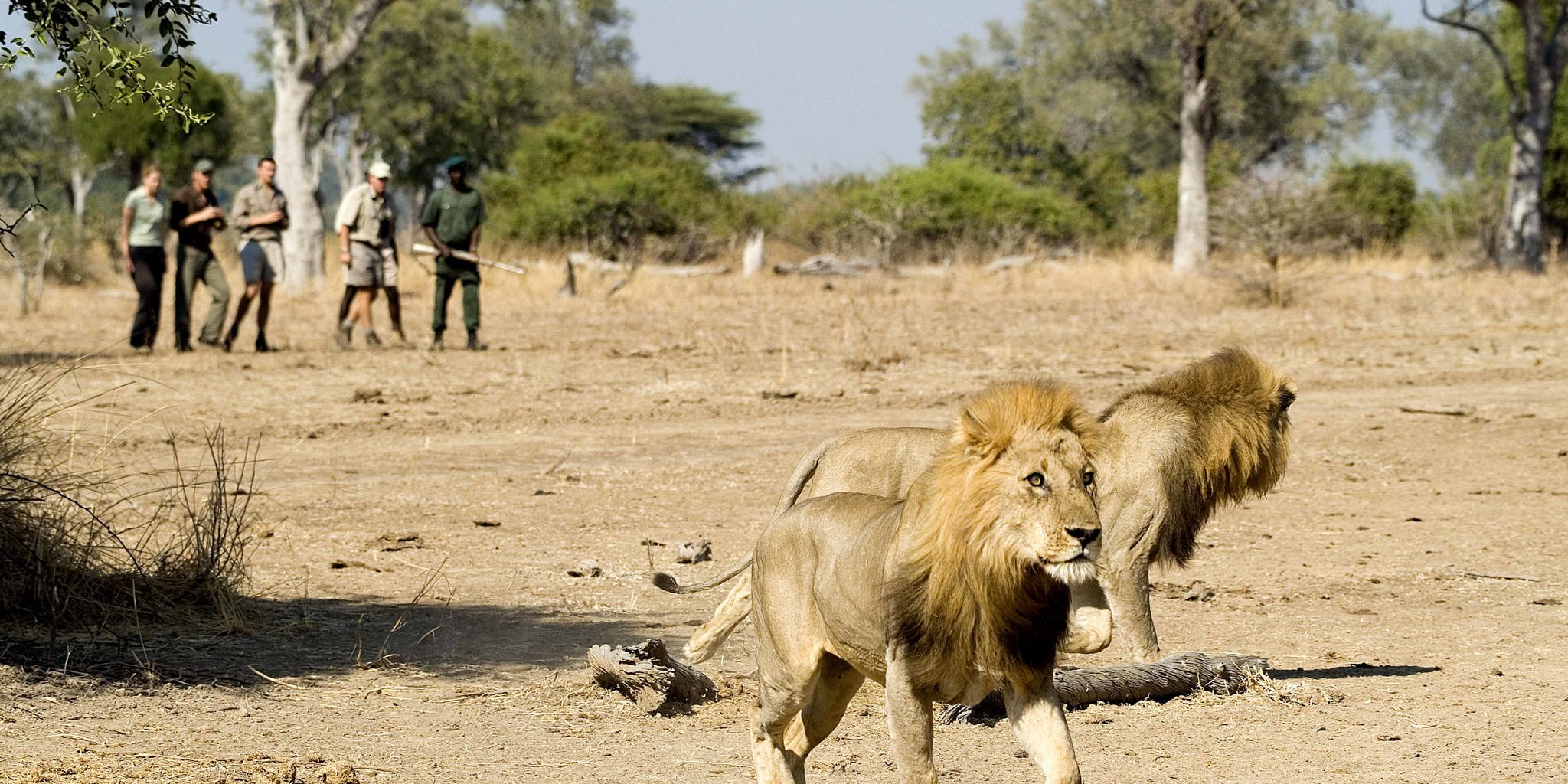
Too much sun on safari? Our guide to sunburn treatment will help you soothe your skin and get back to enjoying your trip.
About Safari Sunburn Treatment
This in-depth guide explores safari sunburn treatment, providing essential information for anyone planning an African safari. Understanding this topic thoroughly will help you make informed decisions and have a more rewarding safari experience. Africa's safari industry continues to evolve, and staying informed about the latest developments ensures you get the best possible experience.
Why This Matters for Your Safari
Safari Sunburn Treatment is an important consideration for safari travelers. Whether you're a first-time visitor or a returning enthusiast, understanding the nuances of this topic can significantly impact your trip. From choosing the right destinations to selecting appropriate operators, every decision builds on foundational knowledge. Our safari operators can provide personalized guidance based on your specific needs.
Still researching? Let us help.
Our advisory team has planned safaris across 9 African countries. We can turn your research into a real plan.
Talk to an AdvisorKey Insights and Recommendations
Based on extensive industry experience and traveler feedback, several key insights emerge. First, research is your best investment, as the more you know before booking, the better your experience will be. Second, flexibility in timing and destinations often leads to better value and fewer crowds. Third, working with experienced professionals, whether guides, operators, or advisors, consistently produces superior outcomes. Explore our knowledge center for more detailed articles on related topics.
Practical Applications
Putting this knowledge into practice starts with your planning process. Begin by identifying your priorities, whether that's specific wildlife encounters, landscape preferences, or cultural experiences. Then use resources like our destination guides, cost calculator, and operator directory to build an itinerary that aligns with your goals. Don't rush the planning process, as a well-planned safari is almost always more rewarding than a hastily arranged one.
Further Reading
To deepen your understanding, explore related articles in our knowledge center. Each guide is written by safari industry professionals with firsthand experience across Africa's top destinations. For personalized advice, our safari planning guidey team is available to answer your questions and help refine your plans.
_Note: This article provides general advice. For severe sunburn or medical emergencies, always consult a qualified healthcare professional. The information here is not a substitute for professional medical advice._
Done Reading? Let's Build Your Safari.
Skip the guesswork. Work with an advisor who has been on the ground across East and Southern Africa.
Plan With UsImmediate After-Sun Care: Your First 24 Hours
The moments immediately following sun overexposure are critical for mitigating damage and discomfort. As soon as you notice redness, tenderness, or a stinging sensation, it’s time to act. Delaying treatment allows inflammation to set in, prolonging recovery and increasing the risk of long-term skin damage. Here’s a step-by-step guide to immediate after-sun care, even when you’re at a remote safari lodge.
1. Get Out of the Sun Immediately
This may seem obvious, but it’s the most crucial first step. Find shade, head back to your tented camp, or cover the affected area with tightly woven clothing. Don’t assume that a little more sun won’t hurt; it will compound the damage. If you're in the middle of a game drive in an open-sided vehicle in the Maasai Mara, for instance, put on your wide-brimmed hat and a long-sleeved shirt, and sit on the side of the vehicle that is in the shade.
2. Cool the Skin with a Compress
Cooling the skin helps to constrict blood vessels and reduce inflammation. Most safari lodges and camps will have ice available. Wrap ice in a cloth (never apply it directly to the skin) and gently apply it to the sunburnt areas for 10-15 minutes at a time, several times a day. If ice isn’t available, a cloth soaked in cool water will also work. A cool shower or bath can also provide relief, but avoid using harsh soaps, which can dry out the skin further.
> Traveler's Tip: Many safari vehicles are equipped with a cooler box for drinks. The cold cans can serve as a makeshift compress if you’re on the move and notice a burn developing.
3. Moisturize with Aloe Vera
Aloe vera is the gold standard for sunburn treatment for a reason. It has anti-inflammatory properties that soothe the skin, reduce redness, and promote healing. Look for a 100% pure aloe vera gel. Many so-called "after-sun" lotions contain alcohol, which can dry out the skin and cause further irritation. Apply a generous layer of aloe vera to the affected areas and reapply as soon as the skin starts to feel dry again. For an extra cooling effect, ask your lodge to store your aloe vera in their refrigerator.
4. Hydrate and Rehydrate
Sunburn draws fluid to the skin’s surface and away from the rest of the body, which can lead to dehydration. It’s essential to drink plenty of water and electrolyte-rich fluids in the hours and days following a sunburn. Most safari providers offer complimentary bottled water. Make sure you are drinking more than you usually would, even if you don’t feel thirsty. Dehydration can lead to headaches and fatigue, which can further detract from your safari experience.
By following these immediate steps, you can significantly reduce the severity and duration of a sunburn, ensuring that a minor mistake doesn’t overshadow your incredible African adventure. For more personalized advice on what to pack, our safari operators can help you prepare for your journey.
Advanced Sunburn Recovery: Healing in the Days Following
After the initial 24 hours, your focus should shift from immediate relief to long-term healing and managing the after-effects of the burn. The recovery process can take several days to a week, depending on the severity of the sunburn. Here’s how to care for your skin as it heals.
1. Managing Peeling Skin
Peeling is a natural part of the healing process as your body sheds the damaged layer of skin. It can be tempting to pull or pick at peeling skin, but this can lead to infection and scarring. Instead, allow the skin to flake off naturally. Keep the area well-moisturized with a high-quality, unscented lotion or more aloe vera. This will help to reduce the itchiness and discomfort associated with peeling.
2. Dealing with Blisters
If your sunburn is severe enough to cause blistering, this is a sign of a second-degree burn. Blisters form to protect the underlying skin from infection. It is crucial that you do not pop them. If a blister breaks on its own, gently clean the area with mild soap and water, apply an antibiotic ointment, and cover it with a non-stick bandage. If you have extensive blistering, or if you develop a fever, chills, or nausea, it’s important to seek medical attention. Most high-end safari camps and lodges have a doctor on call or can arrange for medical assistance.
3. Soothing Itchiness and Discomfort
As the skin heals, it can become incredibly itchy. An over-the-counter hydrocortisone cream can provide relief for particularly itchy spots. Taking an oral antihistamine, such as Benadryl, can also help, especially at night. Cool compresses and oatmeal baths can also be very soothing. Some lodges, particularly those in more developed areas like the Sabi Sands in South Africa, may have these items on hand, but it's always wise to pack your own basic first-aid kit.
> Expert Insight: The African sun is intense, and a severe sunburn can quickly escalate into a more serious condition like sun poisoning or heat stroke. If you experience a headache, dizziness, confusion, or a rapid pulse, seek medical help immediately. Your safari guide is trained to recognize these symptoms and will assist you.
Preventing Sunburn on Safari: A Proactive Approach
The best way to treat a sunburn is to avoid getting one in the first place. A proactive approach to sun protection will ensure that your safari is memorable for the wildlife sightings, not for a painful and debilitating burn. Here are some essential prevention strategies.
1. High-SPF, Broad-Spectrum Sunscreen
Choose a water-resistant, broad-spectrum sunscreen with an SPF of 30 or higher (SPF 50 is even better). Broad-spectrum protection is vital as it shields you from both UVA (aging) and UVB (burning) rays. Apply sunscreen generously to all exposed skin 30 minutes before you head out on your game drive, and reapply it every two hours, or more frequently if you are sweating. Don’t forget often-missed spots like the tops of your ears, the back of your neck, and the part in your hair.
2. Protective Clothing
Clothing is one of the most effective forms of sun protection. Pack lightweight, long-sleeved shirts and trousers in neutral, light colors like khaki, beige, or olive green. These colors are not only ideal for blending in with the bush but also for reflecting heat. Many outdoor brands now offer clothing with a built-in Ultraviolet Protection Factor (UPF). A wide-brimmed hat is non-negotiable; it will protect your face, neck, and ears from the direct sun. For more detailed packing advice, consult our safari planning resources.
3. Timing Your Activities
The sun is at its most intense between 10 a.m. and 4 p.m. Fortunately, safari schedules are naturally designed to avoid the midday heat. Game drives are typically scheduled for the early morning and late afternoon when the animals are most active and the sun is less powerful. During the middle of the day, you’ll usually be back at the lodge for lunch and a siesta. Take advantage of this downtime to rest in the shade, by the pool, or in your room.
By integrating these preventative measures into your daily routine, you can enjoy the African sun responsibly and return home with incredible memories and photographs, rather than a painful sunburn. A well-planned safari considers all aspects of your well-being, and our safari operators are here to help you prepare for a safe and unforgettable journey.
Destination-Specific Sun Considerations
While the sun is strong across Africa, certain destinations and activities require heightened vigilance. Understanding the specific environmental factors of your chosen safari location will help you better prepare.
High-Altitude Safaris: Kenya and Tanzania
Many popular safari destinations in Kenya and Tanzania, such as the Ngorongoro Crater and the Laikipia Plateau, are at a high altitude. For every 1,000 feet you ascend, UV radiation exposure increases by about 4%. This means that even on a cool, overcast day in the Ngorongoro Highlands, the sun's rays are significantly more potent. The risk of a burn is much higher than you might expect based on the temperature alone. When visiting these areas, an SPF 50 sunscreen is highly recommended, along with diligent use of protective clothing.
Water-Based Safaris: Okavango Delta and Chobe River
Activities like mokoro trips in Botswana's Okavango Delta or boat safaris on the Chobe River present a double risk. Not only are you exposed to the direct sun from above, but the water's surface reflects and intensifies the UV rays. This reflected radiation can cause severe burns in unexpected places, such as under your chin and nose. On these excursions, it is essential to wear a wide-brimmed hat, polarized sunglasses to protect your eyes from the glare, and apply sunscreen to all exposed skin, including the underside of your jaw and the insides of your nostrils.
Desert Safaris: Namibia
The Namib Desert is one of the driest places on earth, and the sun here is relentless. The clear, unpolluted skies and reflective sand dunes create an environment of extreme UV exposure. When tracking desert-adapted wildlife or climbing the iconic dunes of Sossusvlei, full-coverage clothing, a high SPF sunscreen, and constant hydration are not just recommendations—they are essential for your safety. The dry air also accelerates dehydration, so it is critical to drink water continuously throughout the day.
By understanding these destination-specific risks, you can tailor your sun protection strategy for a safe and enjoyable experience. For a detailed breakdown of what to expect in different safari countries, explore our destinations guides or use our cost calculator to start planning your budget.
Need Expert Safari Guidance?
Get expert advisory support from a firm founded by a former safari guide — with real operational knowledge across 9 African countries and full-journey accountability.
Related Planning Guides
Recommended Reading
 Travel Logistics
Safari Sunburn Prevention
The African sun is strong. Our guide to sunburn prevention will help you protect your skin and enjoy the sun safely on your safari.
 Travel Logistics
Safari Insect Bite Treatment
Insect bites are an inevitable part of a safari. Our guide to insect bite treatment will help you relieve the itch and avoid infection.
 Travel Logistics
Safari Travel Money and ATM Access
Navigating safari travel money can be complex. Our guide covers everything from ATM access in remote areas to currency exchange and carrying cash safely.
 Packing & Preparation
Safari Hat and Sun Protection Guide
Learn all about Safari Hat and Sun Protection Guide in this comprehensive guide.
 Safari Planning
Step-by-Step Guide to Planning an African Safari
Learn how to plan your first African safari with our step-by-step guide. We cover everything from choosing a destination to booking your trip and packing.
 Safari Planning
Private Safari vs Group Safari
Learn the key differences between private and group safaris to decide which is right for you. This guide compares flexibility, cost, and experience.