
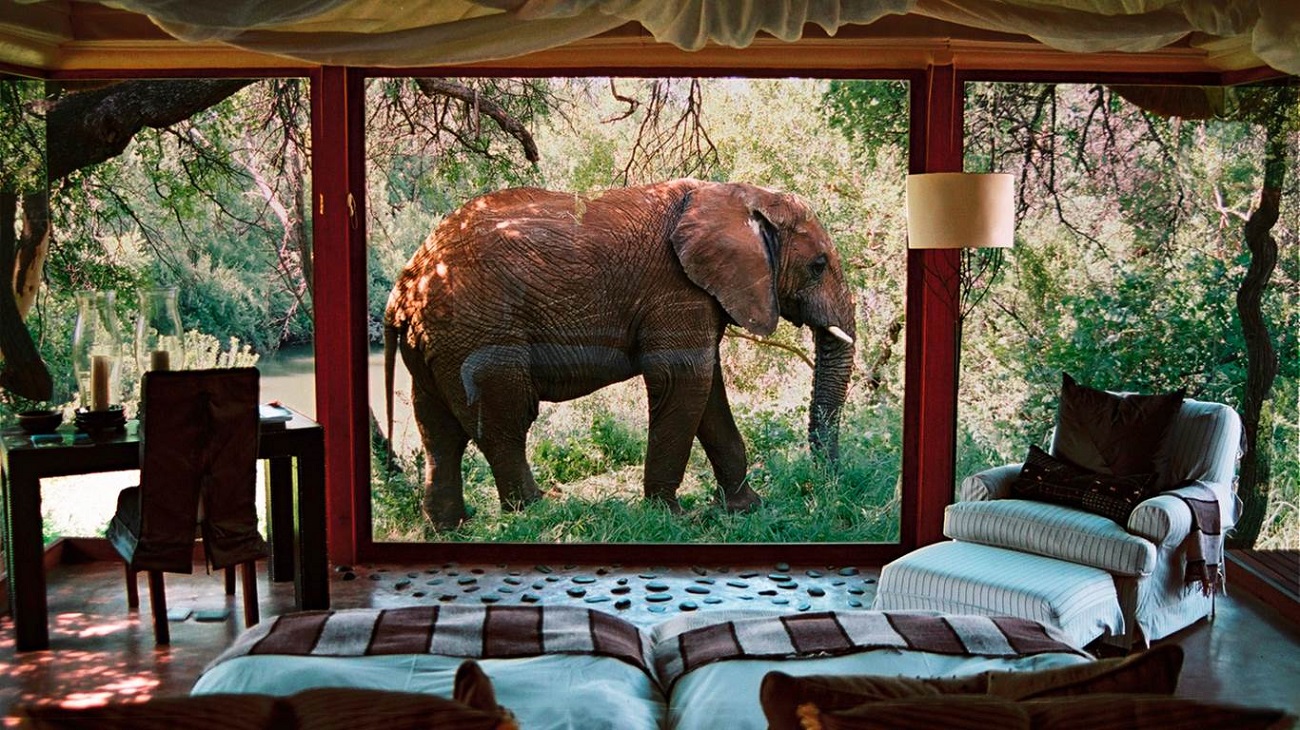
Snake bites are rare on safari, but it\
About Safari Snake Bite First Aid
This in-depth guide explores safari snake bite first aid, providing essential information for anyone planning an African safari. Understanding this topic thoroughly will help you make informed decisions and have a more rewarding safari experience. Africa's safari industry continues to evolve, and staying informed about the latest developments ensures you get the best possible experience.
Why This Matters for Your Safari
Safari Snake Bite First Aid is an important consideration for safari travelers. Whether you're a first-time visitor or a returning enthusiast, understanding the nuances of this topic can significantly impact your trip. From choosing the right destinations to selecting appropriate operators, every decision builds on foundational knowledge. Our safari operators can provide personalized guidance based on your specific needs.
Still researching? Let us help.
Our advisory team has planned safaris across 9 African countries. We can turn your research into a real plan.
Talk to an AdvisorKey Insights and Recommendations
Based on extensive industry experience and traveler feedback, several key insights emerge. First, research is your best investment, as the more you know before booking, the better your experience will be. Second, flexibility in timing and destinations often leads to better value and fewer crowds. Third, working with experienced professionals, whether guides, operators, or advisors, consistently produces superior outcomes. Explore our knowledge center for more detailed articles on related topics.
Practical Applications
Putting this knowledge into practice starts with your planning process. Begin by identifying your priorities, whether that's specific wildlife encounters, landscape preferences, or cultural experiences. Then use resources like our destination guides, cost calculator, and operator directory to build an itinerary that aligns with your goals. Don't rush the planning process, as a well-planned safari is almost always more rewarding than a hastily arranged one.
Further Reading
To deepen your understanding, explore related articles in our knowledge center. Each guide is written by safari industry professionals with firsthand experience across Africa's top destinations. For personalized advice, our safari planning guidey team is available to answer your questions and help refine your plans.
Done Reading? Let's Build Your Safari.
Skip the guesswork. Work with an advisor who has been on the ground across East and Southern Africa.
Plan With UsImmediate First Aid Steps After a Snake Bite
The moments following a suspected snake bite are critical, and your response can significantly impact the outcome. While panic is a natural reaction, the primary goal is to keep the victim calm and still to slow the spread of venom. Adrenaline and an elevated heart rate will only accelerate its circulation. Your safari guide is trained for this emergency, but here are the essential steps to take while awaiting professional medical help.
1. Ensure Scene Safety: Before administering any aid, confirm the snake has moved away from the area to prevent further bites. Do not waste time trying to capture or kill the snake. If you can do so safely from a distance, take a clear photo of it. This can be immensely helpful for medical professionals to identify the species and determine the appropriate antivenom.
2. Keep the Victim Calm and Still: Have the person lie down in a comfortable position and reassure them that help is on its way. It is crucial to immobilize the bitten limb to the best of your ability. You can create a makeshift splint using a sturdy branch, a walking pole, or rolled-up clothing. The objective is to minimize all movement of the affected limb and keep it at or slightly below the level of the heart.
3. Remove Constricting Items: Immediately remove any jewelry, watches, tight clothing, or shoes from the bitten limb. Swelling can be rapid and severe, and these items can quickly cut off circulation, leading to secondary tissue damage.
> Expert Insight: What NOT to Do > Old-fashioned and dangerous myths about snake bite treatment persist. Under no circumstances should you: > - Cut the wound: This does not help remove venom and significantly increases the risk of infection and tissue damage. > - Attempt to suck out the venom: This is ineffective and can introduce bacteria into the wound. > - Apply a tourniquet: Cutting off blood flow is extremely dangerous and can lead to limb loss. A pressure immobilization bandage is the correct technique for certain types of bites (neurotoxic), but should only be applied by someone trained to do so. > - Give the victim alcohol or caffeine: These can speed up the heart rate. > - Apply ice or heat: This can worsen tissue damage.
Common Venomous Snakes in Safari Destinations
While snake encounters are rare on safari, knowing the primary venomous species in your destination is part of being a well-informed traveler. Your guide will be an expert at spotting and identifying them. Here are a few of the most significant species found in popular safari regions like East and Southern Africa.
| Snake Species | Primary Region | Venom Type & Key Characteristics | | :--- | :--- | :--- | | Puff Adder | Widespread across Africa | Cytotoxic. A master of camouflage, this snake is responsible for a majority of serious snakebites in Africa. Its venom causes severe pain, swelling, and tissue damage. | | Black Mamba | East & Southern Africa | Neurotoxic. Famous for its speed and potent venom, the black mamba is highly dangerous. Its bite can lead to rapid paralysis and respiratory failure if not treated quickly. | | Boomslang | Sub-Saharan Africa | Hemotoxic. A tree-dwelling snake with large eyes. Its venom is slow-acting but extremely potent, causing internal and external bleeding by disrupting the blood's clotting ability. | | Spitting Cobra | Widespread across Africa | Cytotoxic & Neurotoxic. Several cobra species can "spit" venom with incredible accuracy, aiming for the eyes. This causes intense pain and can lead to blindness if not flushed out immediately. |
The Role of Your Safari Guide and Medical Evacuation
A professional safari guide is your most valuable asset in a medical emergency. Guides undergo rigorous training in first aid, emergency procedures, and wildlife behavior. They are equipped with a radio or satellite phone to immediately contact the camp manager and emergency services. Their calm leadership and expertise are critical in managing the situation until a higher level of care is available.
For any remote safari, comprehensive travel insurance with medical evacuation coverage is non-negotiable. In the event of a serious snake bite, the victim will almost certainly require evacuation to a hospital in a major city like Nairobi, Johannesburg, or even back to their home country. This process is logistically complex and prohibitively expensive without insurance. Before you travel, verify that your policy includes:
- Emergency medical evacuation to the nearest appropriate facility.
- A 24/7 assistance hotline to coordinate the evacuation.
- Coverage for high-cost medical treatment, including antivenom and intensive care.
Our safari operators can recommend insurance providers that specialize in remote African travel. For an estimate of what your safari might cost, including these essential logistical considerations, visit our cost calculator.
How to Prevent Snake Encounters on Safari
The best first aid is prevention. While your guide will ensure your safety on game drives and walks, there are personal precautions you can take to minimize the risk of an unwanted snake encounter.
- Always Wear Closed-Toed Shoes: When walking around camp, especially at night, wear sturdy, closed-toe shoes or boots. Never walk barefoot or in open sandals.
- Use a Flashlight at Night: Many snakes are nocturnal. Always use a bright flashlight or headlamp to illuminate your path when walking to and from your tent or the dining area after dark.
- Be Cautious on Walking Safaris: Follow your guide’s instructions precisely. Walk behind them, watch where you step, and avoid walking through thick brush or tall grass.
- Don't Put Your Hands Where You Can't See: When gathering firewood or exploring, never reach into holes, under rocks, or into dense vegetation.
By understanding the risks and preparing accordingly, you can focus on the incredible wildlife and landscapes of your African safari. For more expert advice on every aspect of your journey, from packing lists to destination guides, explore our knowledge center or plan your safari with one of our seasoned advisors.
Need Expert Safari Guidance?
Get expert advisory support from a firm founded by a former safari guide — with real operational knowledge across 9 African countries and full-journey accountability.
Related Planning Guides
Recommended Reading
 Travel Logistics
Safari First Aid Kit Essentials
A well-stocked first aid kit is a must-have for any safari. Our guide to first aid kit essentials will help you be prepared for minor injuries and ailments.
 Travel Logistics
Safari Insect Bite Prevention
Insects are a part of the African bush. Our guide to insect bite prevention will help you avoid getting bitten and protect yourself from insect-borne diseases.
 Travel Logistics
Safari Insect Bite Treatment
Insect bites are an inevitable part of a safari. Our guide to insect bite treatment will help you relieve the itch and avoid infection.
 Safari Comparison Articles
First-Time Safari vs Repeat Safari
An in-depth comparison of First-Time Safari vs Repeat Safari to help you choose the perfect safari experience. Explore the pros, cons, and key differences to ma
 Safari Planning
How to Plan Your First African Safari
Learn how to plan your first African safari with expert tips on destinations, timing, costs, and choosing the right operator.
 Safari Planning
What to Expect on Your First Safari
Prepare for your first African safari with our expert guide. Learn what to expect from game drives, accommodations, wildlife viewing, and daily safari life.