
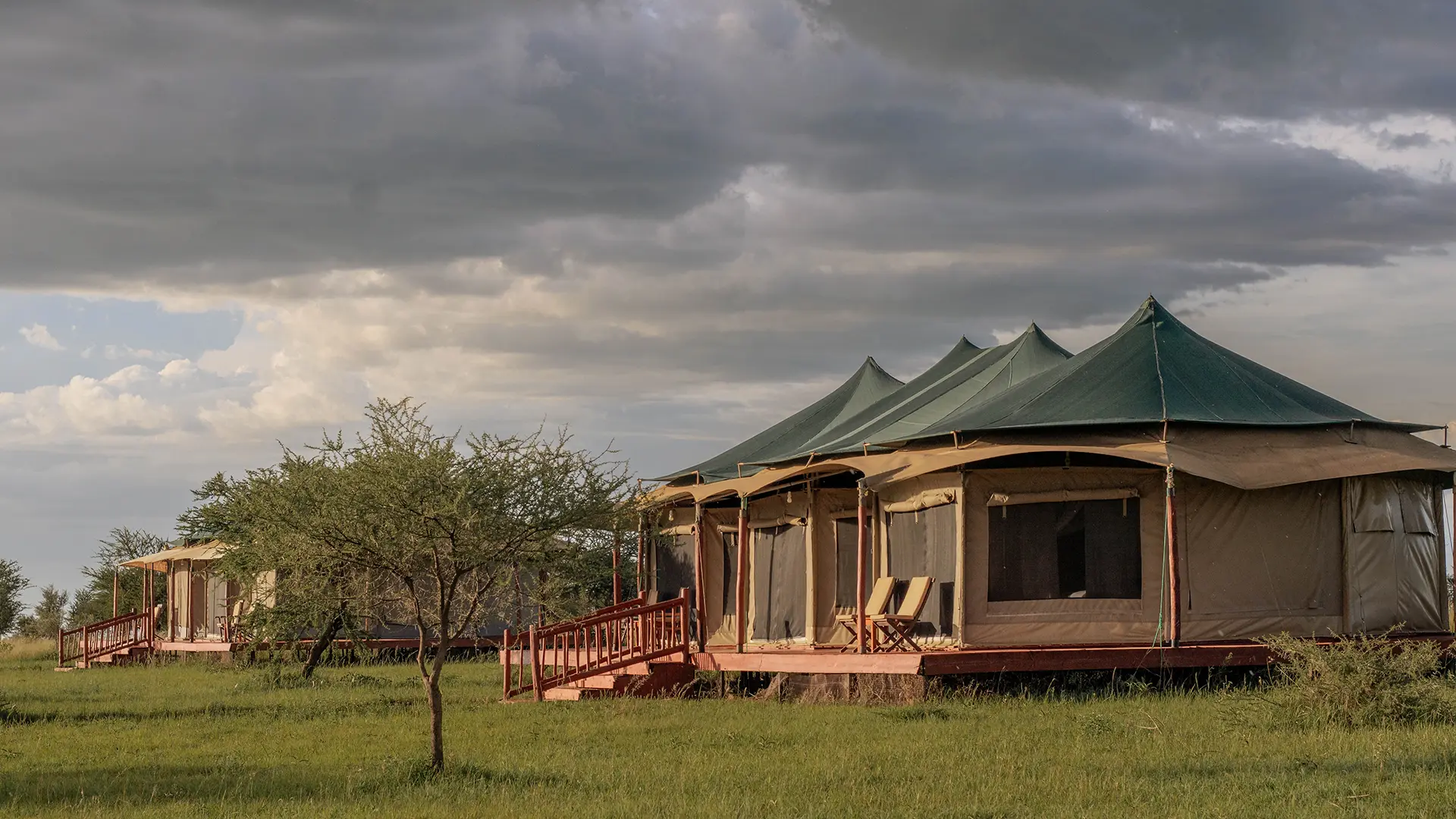
Learn all about Safari Camera Gear Packing Guide in this comprehensive guide.
Understanding the Climate and Terrain in Africa
When packing for a safari in Africa, it's essential to consider the local climate and terrain. Africa has a diverse landscape, from vast plains to dense forests. Temperatures can fluctuate significantly, with warm days and cool evenings. Lightweight, breathable fabrics are your best friend. For more on planning your trip, see our destination guide for Africa.
Essential Clothing Items
Neutral-colored clothing is highly recommended to blend in with the environment and avoid startling the wildlife. Think khaki, olive, and brown. You'll want to pack a mix of short-sleeved shirts and long-sleeved shirts for sun protection. A lightweight waterproof jacket is also a must, as rain showers can be unpredictable. For personalized packing advice, consider consulting with one of our safari operators.
Still researching? Let us help.
Our advisory team has planned safaris across 9 African countries. We can turn your research into a real plan.
Talk to an AdvisorFootwear for All Activities
Comfortable, broken-in walking shoes are non-negotiable. Whether you're on a walking safari or just exploring your lodge, you'll be on your feet a lot. A pair of sandals or flip-flops is also great for relaxing at the lodge. If you're planning any strenuous hikes, be sure to bring appropriate hiking boots. Our safari cost calculator can help you budget for any specialized gear you may need to purchase.
Sun and Insect Protection
A wide-brimmed hat, sunglasses, and high-SPF sunscreen are crucial for protecting yourself from the African sun. Insect repellent is also a must, especially in the evenings. Look for a repellent containing DEET for the most effective protection against mosquitoes and other biting insects. For more health and safety tips, visit our knowledge base.
Evening and Lodge Attire
Evenings on safari can be a mix of casual and smart-casual. Most lodges have a relaxed dress code, but it's always a good idea to pack a slightly nicer outfit for dinner. A pashmina or wrap is perfect for adding a touch of warmth and style. Before you book, be sure to research safari operators in Africa to understand the specific dress codes at their lodges.
Done Reading? Let's Build Your Safari.
Skip the guesswork. Work with an advisor who has been on the ground across East and Southern Africa.
Plan With UsChoosing the Right Camera Body
Selecting the right camera body is the foundation of your safari photography kit. The choice between a DSLR (Digital Single-Lens Reflex) and a mirrorless camera often comes down to personal preference, but there are key differences to consider for a safari.
- Mirrorless Cameras: These are typically lighter and more compact, a significant advantage when dealing with luggage weight limits and carrying gear all day. They offer silent shooting modes, which are invaluable for not disturbing wildlife. Modern mirrorless cameras also feature outstanding autofocus systems with animal eye-tracking, a game-changer for capturing sharp images of moving subjects. Models from Sony (Alpha series), Canon (R series), and Nikon (Z series) are all excellent choices.
- DSLR Cameras: Known for their ruggedness and long battery life, DSLRs are workhorses that can withstand the often-harsh safari environment. Their optical viewfinders can be preferable for some photographers who find electronic viewfinders fatiguing. While heavier, they offer a proven, reliable platform.
> Expert Insight: For most travelers, a modern mirrorless camera offers the best combination of performance and portability. The ability to shoot silently and use advanced autofocus tracking can make the difference between a good shot and a great one. If you are purchasing a new camera for your trip, we highly recommend a weather-sealed body to protect against dust and occasional moisture.
The Essential Safari Lens Kit
A common mistake is bringing too many lenses. Versatility is key. You can cover almost any photographic situation on safari with two or three high-quality zoom lenses.
The Telephoto Zoom: Your Wildlife Workhorse
This is your most important lens. Wildlife is often further away than you expect, and a long telephoto lens is essential to fill the frame. A lens with a focal range of 100-400mm or 200-600mm is ideal. This range allows you to capture a herd of elephants in their environment at the wider end and zoom in for a tight portrait of a lion at the longer end. Look for lenses with image stabilization (IS or VR) to help you get sharp shots, especially in the low light of early mornings and late afternoons.
The Mid-Range Zoom: For Landscapes and Camp Life
A lens in the 24-70mm or 24-105mm range is perfect for capturing the sweeping landscapes of the Serengeti or the dramatic skies over the Okavango Delta. It's also your go-to lens for photos around the lodge, capturing details of your accommodation, and documenting the overall journey. This is the lens that tells the story around the wildlife sightings.
The Wide-Angle (Optional)
While less critical than the other two, a wide-angle lens (e.g., 16-35mm) can be fantastic for astrophotography or capturing the immense scale of the African wilderness. If you have space, it can add a dramatic perspective to your portfolio. Before you invest, consult with our safari operators to discuss the specific photographic opportunities at your chosen destinations.
Critical Camera Accessories
Great gear is only as good as its support system. Forgetting these items can ruin your photographic opportunities.
- Camera Support: Leave the tripod at home unless you are a dedicated night photographer. In a safari vehicle, a beanbag is far superior. It’s stable, versatile, and can be rested on a window frame or roof railing without transmitting vehicle vibrations. You can buy one pre-filled or bring an empty one and fill it with rice or beans upon arrival.
- Power Supply: You will take more photos than you can imagine. Pack at least three extra batteries for your camera and a portable power bank to recharge them and your phone. Most lodges have charging stations, but power can be intermittent. A universal travel adapter is a must.
- Memory Cards: Bring at least double the memory you think you’ll need. High-resolution images and video clips fill cards quickly. We recommend at least two 256GB high-speed cards (V60 or V90 rating). This allows you to shoot all day without worry and provides a backup if one card fails.
- Cleaning and Protection: The safari environment is dusty. A simple rocket air blower is essential for clearing dust from your sensor and lenses. Pack several microfiber cloths and a dedicated lens cleaning solution. A good, padded camera bag will protect your gear during bumpy drives and a rain cover is cheap insurance for unexpected downpours.
> Traveler's Tip: At the end of each day, back up your photos. Use a portable hard drive or a laptop to copy the files from your memory card. This creates redundancy, ensuring your precious memories are safe even if a card is lost or corrupted. For more tips on trip preparation, visit our knowledge center.
Smartphone Photography on Safari
Don't underestimate the power of your smartphone! Modern phone cameras are excellent for capturing high-quality video, time-lapses, and wide-angle shots that complement your main camera's photos. They are also perfect for capturing memories around the camp and sharing updates with family back home. Consider bringing a small, flexible tripod for your phone to capture stable video or long-exposure shots.
Ready to put this gear to the test? Use our cost calculator to budget for your dream trip, and when you're ready, let us help you plan your safari for an unforgettable adventure.
Need Expert Safari Guidance?
Get expert advisory support from a firm founded by a former safari guide — with real operational knowledge across 9 African countries and full-journey accountability.
Related Planning Guides
Recommended Reading
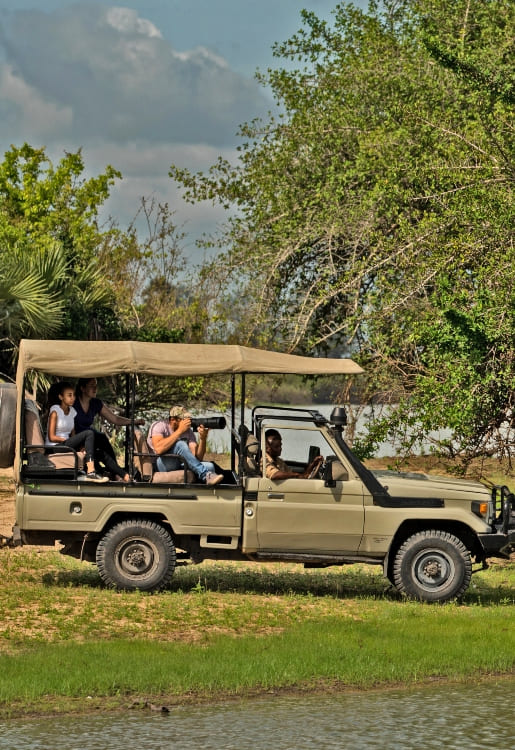 Packing & Preparation
Safari Rain Gear Guide
Learn all about Safari Rain Gear Guide in this comprehensive guide.
 Safari Travel Tips
Safari Packing Guide
Master your safari packing with our expert checklist. Learn what to wear, essential gear to bring, and what to leave behind for your African adventure.
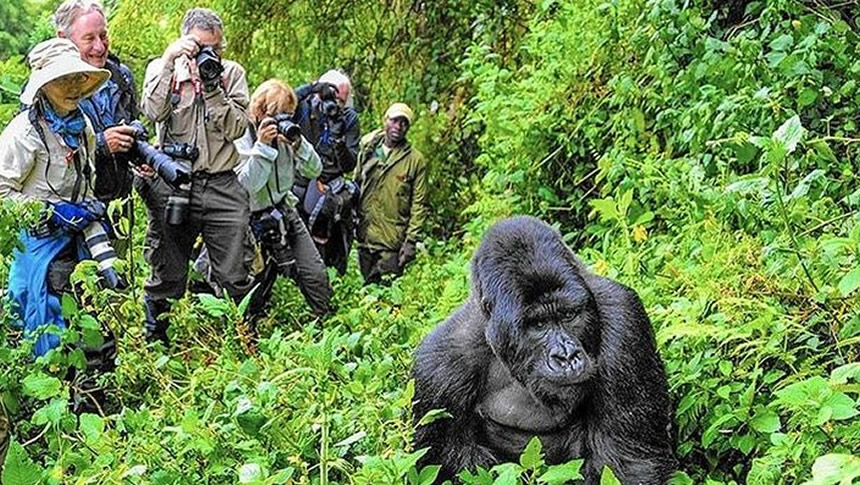 Packing & Preparation
Ultimate Safari Packing List for East Africa
This is a dummy meta description for Ultimate Safari Packing List for East Africa.
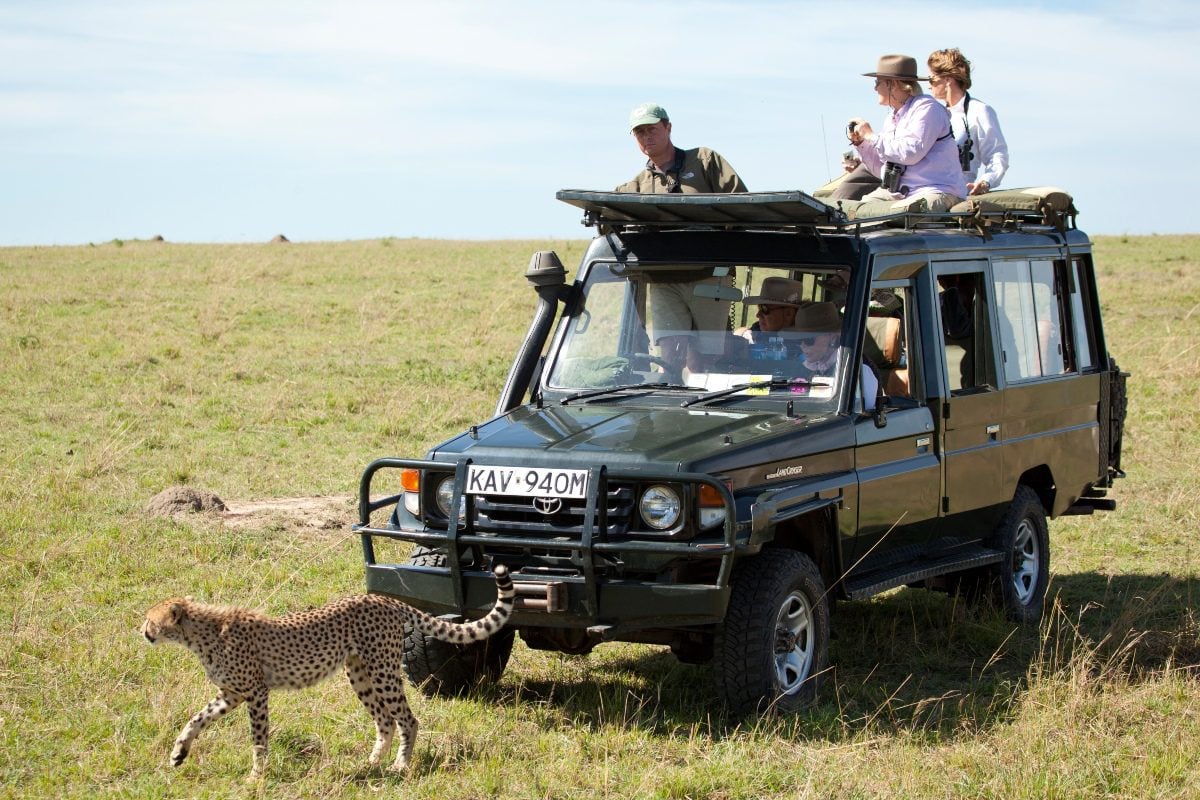 Packing & Preparation
Ultimate Safari Packing List for Southern Africa
This is a dummy meta description for Ultimate Safari Packing List for Southern Africa.
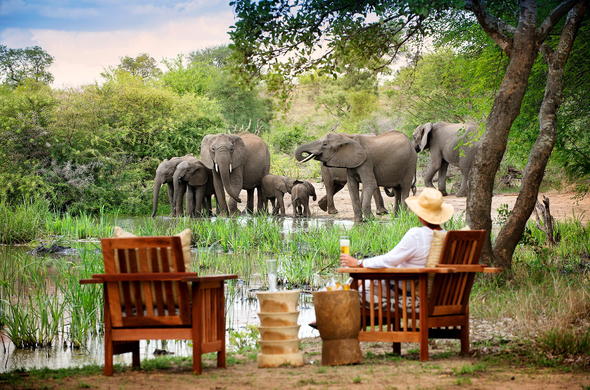 Safari Planning
Step-by-Step Guide to Planning an African Safari
Learn how to plan your first African safari with our step-by-step guide. We cover everything from choosing a destination to booking your trip and packing.
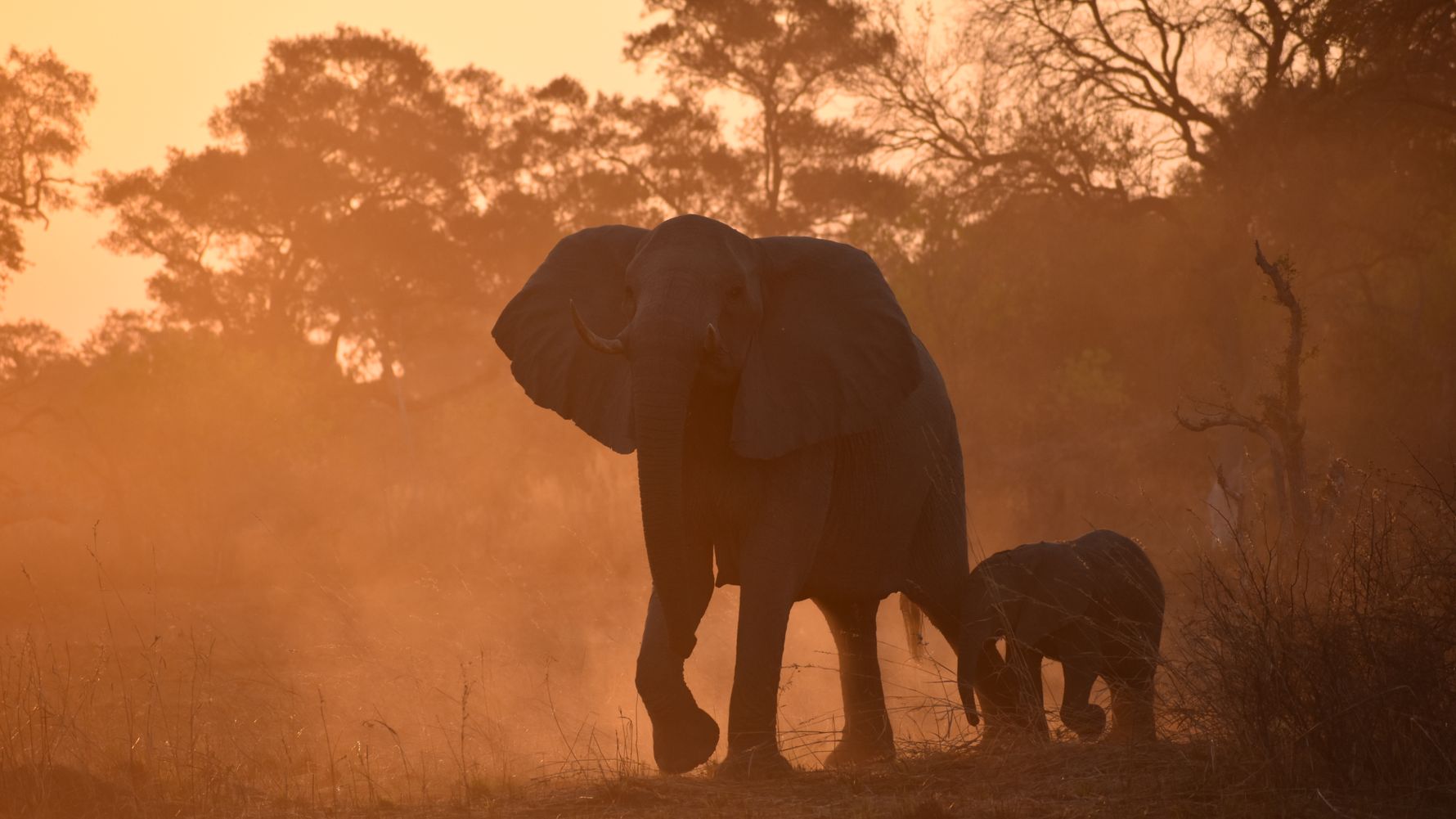 Safari Planning
Self-Drive Safari vs Guided Safari
Deciding between a self-drive safari and a guided safari? This guide breaks down the pros, cons, costs, and key differences to help you choose the right trip.