
Expert guide on best time to see predator hunting on safari with month-by-month conditions, pricing, and planning recommendations for safari travelers.
The Dry Season: A Time of Hunger
The dry season is the best time to see predator hunting on safari. During this time, food and water are scarce, which means that predators have to work harder to find a meal. This can lead to some incredible and dramatic hunting scenes. The lack of vegetation also makes it easier to spot predators and their prey. Our knowledge center has more on the predators of the African bush.
The Calving Season
The calving season in the Serengeti, from January to March, is another great time to see predator hunting. The abundance of young and vulnerable calves makes for easy pickings for lions, cheetahs, and hyenas. This is not for the faint of heart, but it is a powerful and unforgettable wildlife experience. Our destinations page has more on the southern Serengeti.
Still researching? Let us help.
Our advisory team has planned safaris across 9 African countries. We can turn your research into a real plan.
Talk to an AdvisorEarly Mornings and Late Afternoons
Predators are most active during the cooler hours of the day, so early morning and late afternoon game drives are the best time to see them hunting. It is important to be patient and to listen to the advice of your guide. Witnessing a hunt is a matter of luck and timing, but it is an experience that you will never forget. Our safari operators can help you find a camp that is known for its predator sightings.
Beyond the Golden Hours: A Deeper Look at Predator Activity
While the cooler hours of dawn and dusk are indeed prime hunting times, understanding the nuances of predator behavior can significantly increase your chances of witnessing a dramatic chase. The cooler temperatures allow predators like lions, leopards, and cheetahs to exert themselves without overheating. Furthermore, the low light provides them with a distinct advantage over their prey, whose vision is less adapted to the dim conditions. However, the hunt doesn't stop when the sun goes down.
Many camps in private conservancies across Africa offer night game drives, opening up a whole new world of nocturnal predators. These drives, led by experienced guides with spotlights, offer the chance to see creatures that are rarely active during the day. You might encounter the elusive leopard on the prowl, a clan of hyenas on a mission, or smaller carnivores like civets and genets. A night drive is an essential experience for anyone serious about seeing predators in their element.
> Expert Insight: The Power of a Private Conservancy > Staying in a private conservancy bordering a national park (like the Sabi Sands next to Kruger, or Mara North Conservancy next to the Maasai Mara) is a game-changer for predator viewing. These areas have lower vehicle density and, crucially, allow for off-road driving and night drives—privileges not permitted inside most national parks. This flexibility allows your guide to follow a hunt as it unfolds, rather than being restricted to the main roads.
Prime Destinations for Predator Action
While predators are a key feature of any safari, certain destinations are legendary for their high predator densities and frequent sightings. Choosing the right location is the single most important factor in turning your dream of seeing a hunt into a reality.
The Serengeti & Maasai Mara Ecosystem: The Great Migration Stage
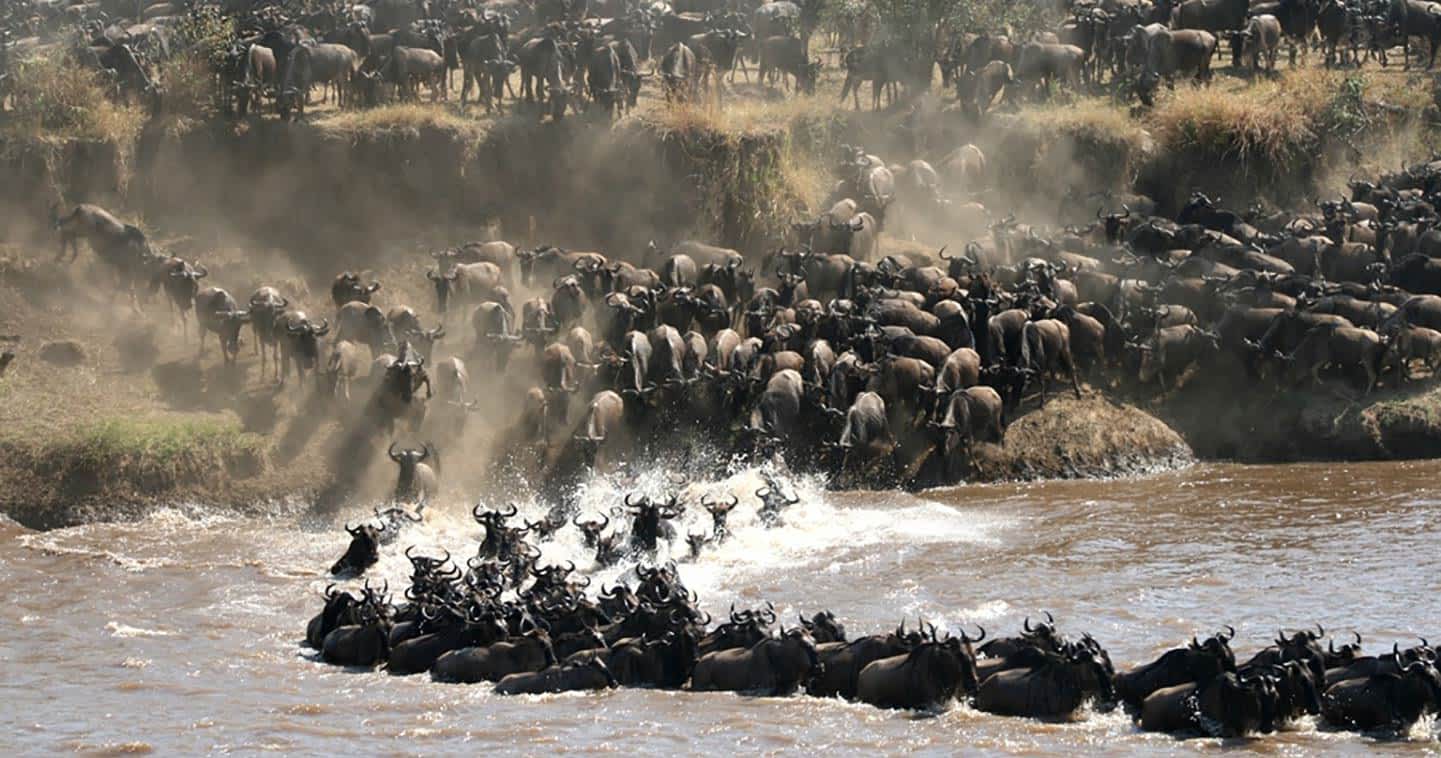
Nowhere on earth is the drama of life and death more palpable than in the Serengeti-Mara ecosystem during the Great Migration. From roughly July to October, nearly two million wildebeest, zebra, and gazelle thunder across the plains and the treacherous Mara River, creating a mobile feast for the resident predators. The sheer concentration of prey means the lions, leopards, and cheetahs of this region are some of the best-fed and most active in Africa. Our safari operators can help you position yourself in the heart of the action, whether it's witnessing a river crossing in the northern Serengeti or a cheetah chase on the open plains of the Maasai Mara.
The Okavango Delta, Botswana: Where Lions Swim
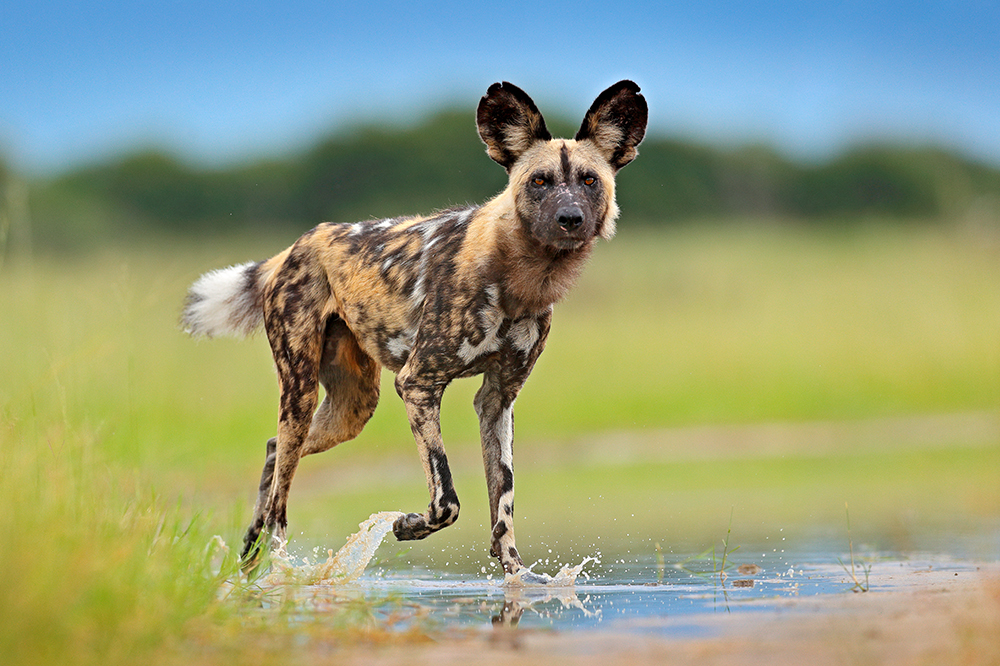
The UNESCO World Heritage site of the Okavango Delta offers a unique predator-prey dynamic. Here, prides of lions have adapted to the watery landscape, often hunting large buffalo in the shallow floodplains. Witnessing these powerful cats plunge into the water in pursuit of their formidable prey is a truly unforgettable sight. The Delta is also one of the last strongholds for the endangered African wild dog, whose cooperative hunting techniques are a marvel of efficiency and teamwork. To learn more about this incredible destination, visit our destinations page.
South Luangwa, Zambia: The Home of the Walking Safari
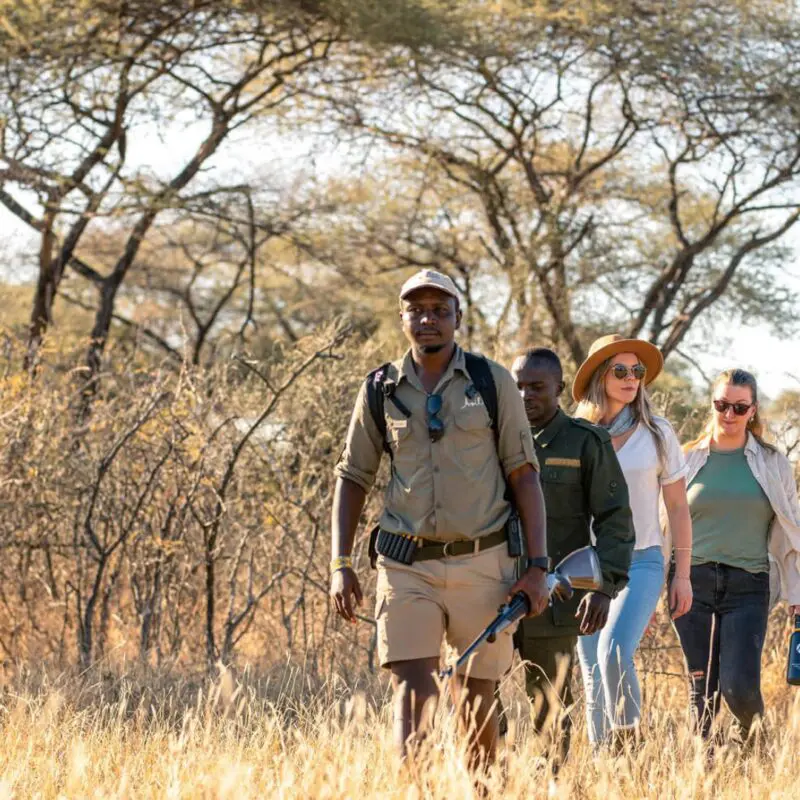
South Luangwa National Park in Zambia is renowned for its incredible density of leopards. The park's riverine landscapes and ebony groves are the perfect habitat for these elusive cats. South Luangwa is also the birthplace of the walking safari, which offers an entirely different perspective on the bush. Tracking predators on foot with an expert guide is an intense and deeply rewarding experience, connecting you to the environment in a way a vehicle cannot. You learn to read the signs of the bush—fresh tracks, alarm calls from birds, the scent of a recent kill—and experience the thrill of a close, yet safe, encounter.
Done Reading? Let's Build Your Safari.
Skip the guesswork. Work with an advisor who has been on the ground across East and Southern Africa.
Plan With UsThe Strategic Advantage of the Dry Season
The dry season (typically June to October in most of East and Southern Africa) is widely considered the best time for game viewing, and this holds especially true for predator sightings. As seasonal waterholes dry up, wildlife is forced to congregate around the few remaining permanent rivers and water sources. This concentration makes it easier for predators to ambush their prey.
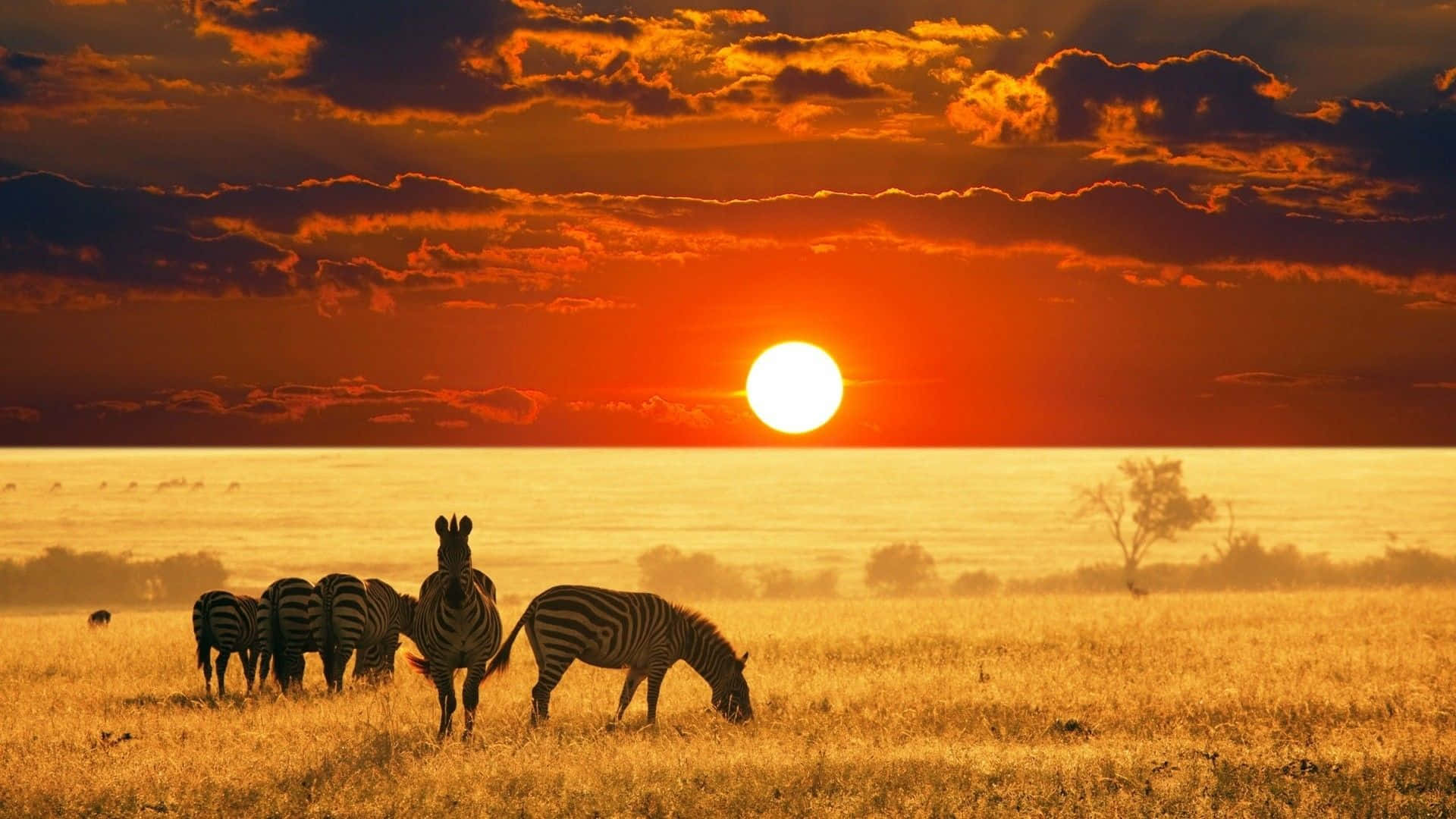
Furthermore, the vegetation dies back, making animals much easier to spot from a distance. The thinner bush allows for clearer lines of sight, meaning you're more likely to see a leopard resting in a sausage tree or a pride of lions stalking through the golden grass. Planning a safari during this window can dramatically increase your odds of witnessing the raw power of nature. Use our cost calculator to get an idea of what a safari during this peak season might entail.
Maximizing Your Safari: Tips for the Aspiring Wildlife Photographer
For many travelers, capturing a stunning photograph of a hunt is the ultimate goal. If this is you, a few strategic choices can make all the difference.
- Communicate with Your Guide: Let your guide know that predator action is your priority. They can then tailor the game drives to focus on tracking and finding these animals.
- Consider a Private Vehicle: A private vehicle and guide offer the ultimate flexibility. You can stay at a sighting for as long as you wish, waiting for the perfect moment, without needing to accommodate the interests of other guests.
- Patience is Key: A hunt is a waiting game. It can involve hours of patient observation as a predator stalks its prey. Resist the urge to rush from one sighting to the next. The reward for your patience can be a once-in-a-lifetime experience.
Witnessing a predator hunt is a powerful and humbling reminder of the cycles of life in the African bush. It requires planning, patience, and a little bit of luck, but it is an experience that will stay with you forever. To begin crafting your own safari adventure, plan your safari with our team of experts.
Need Expert Safari Guidance?
Get expert advisory support from a firm founded by a former safari guide — with real operational knowledge across 9 African countries and full-journey accountability.
Related Planning Guides
Recommended Reading
 Season & Timing Guides
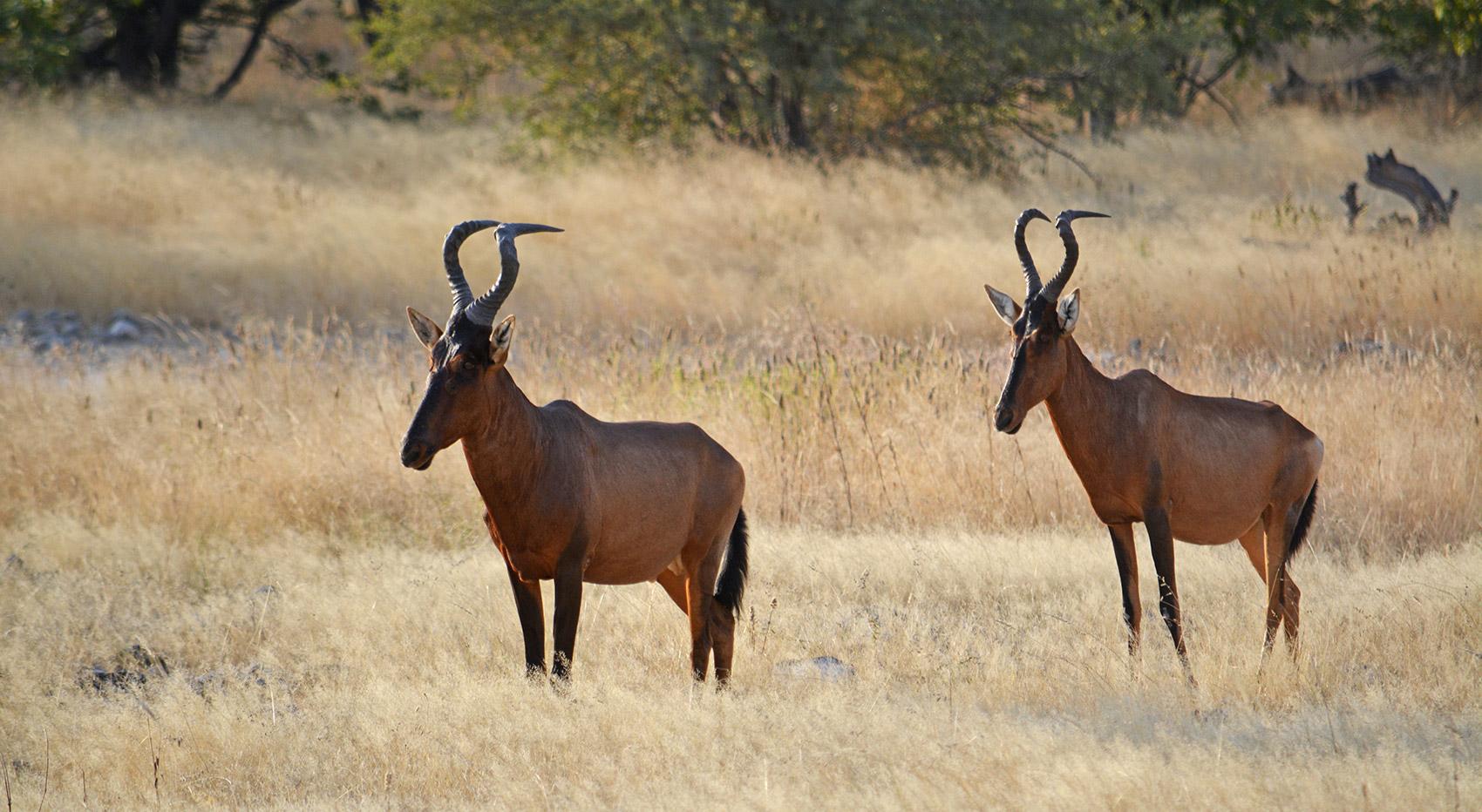
Best Time to See Baby Animals on Safari
Expert guide on best time to see baby animals on safari with month-by-month conditions, pricing, and planning recommendations for safari travelers.
 Season & Timing Guides
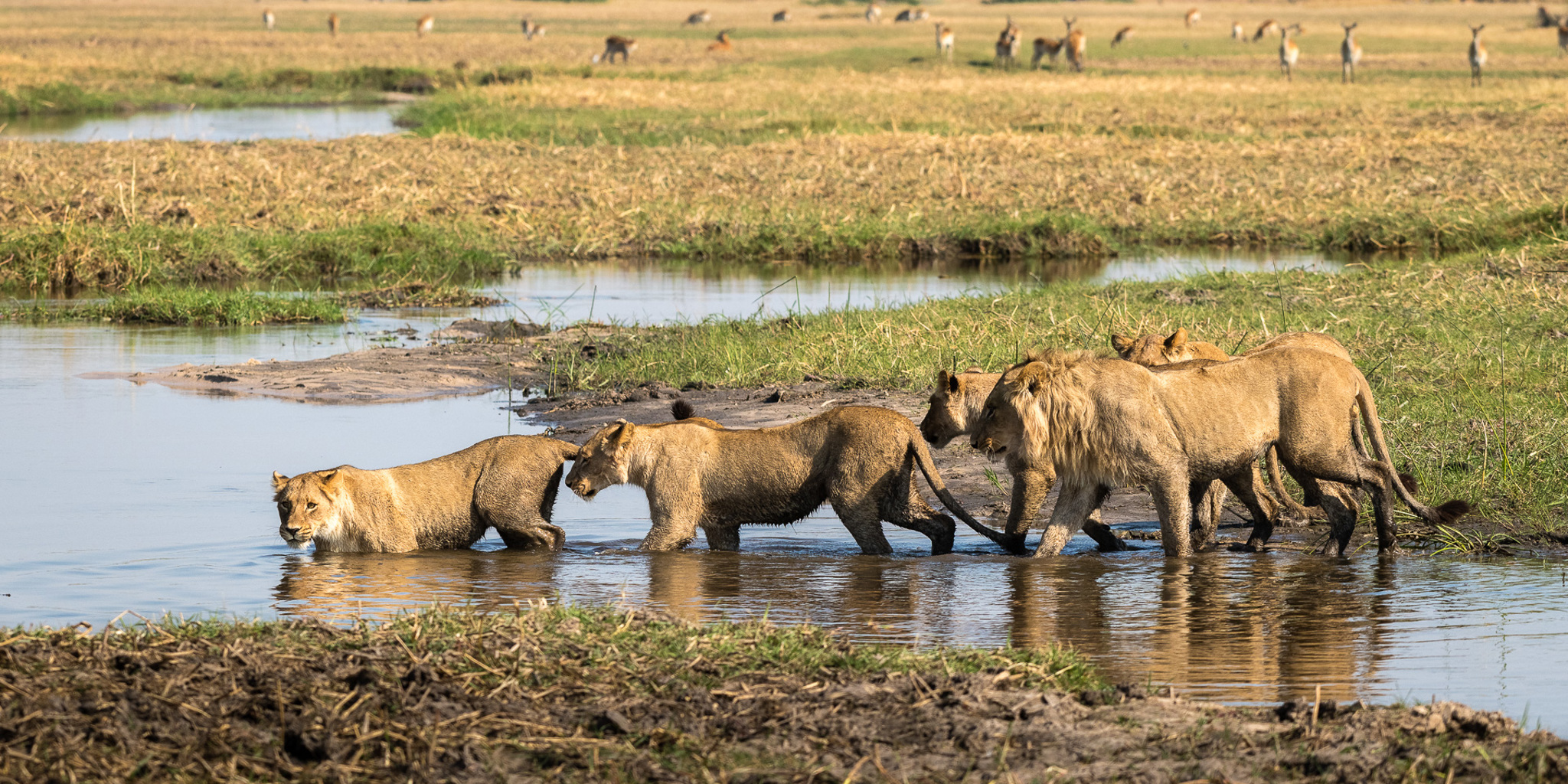
Best Time to See Leopards on Safari
Expert guide on best time to see leopards on safari with month-by-month conditions, pricing, and planning recommendations for safari travelers.
 Season & Timing Guides
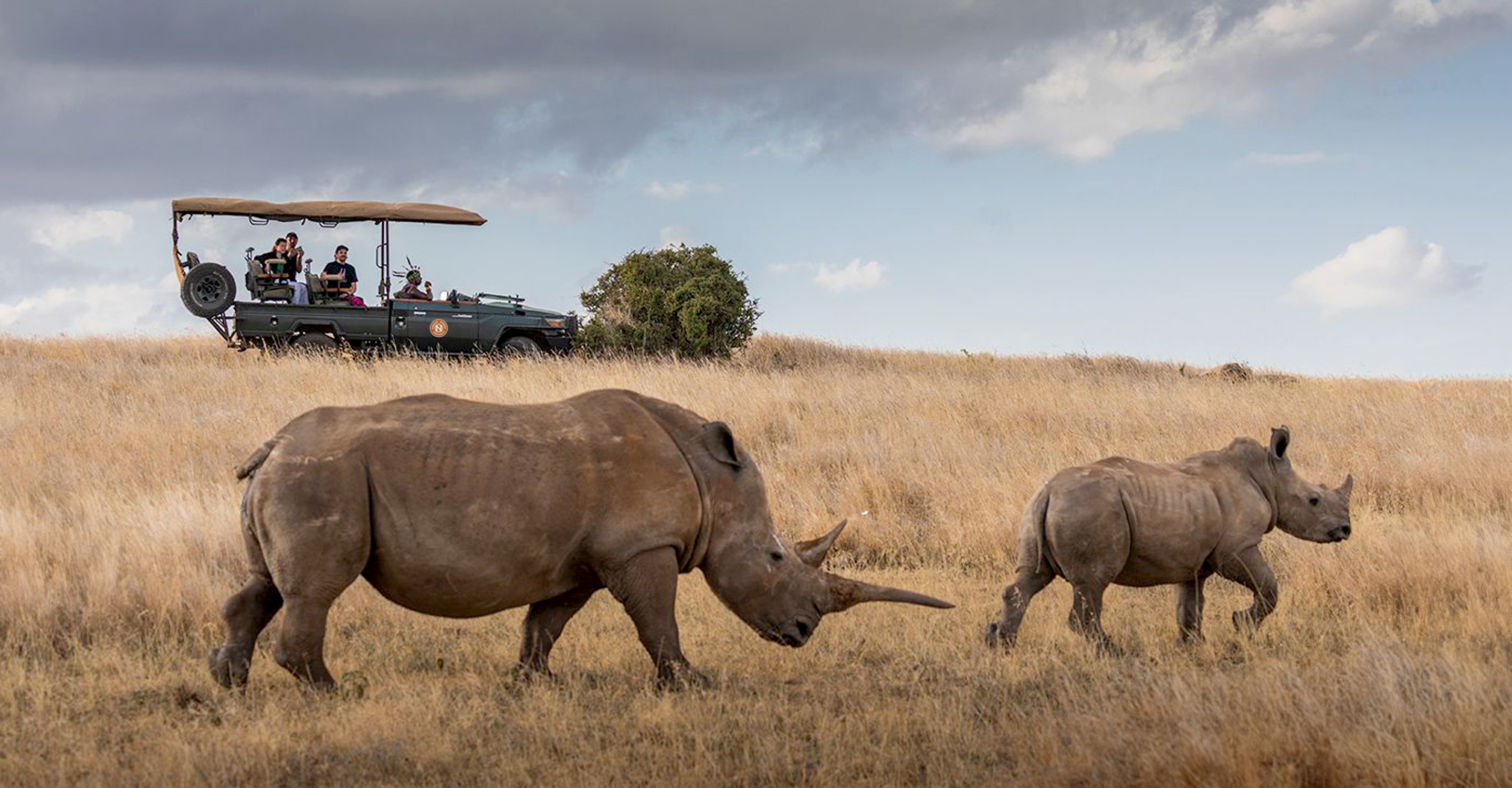
Best Time to See Lions on Safari
Expert guide on best time to see lions on safari with month-by-month conditions, pricing, and planning recommendations for safari travelers.
 Safari Planning
Best Countries for First-Time Safari Travelers
Discover the best countries for a first-time safari. Our expert guide compares Tanzania, Kenya, South Africa, and more to help you plan your dream African adventure.
 Safari Planning
Best Time of Year to Go on Safari
Discover the best time of year to go on an African safari. Learn about the wet and dry seasons, and find out the ideal months to visit top destinations.
 Additional Safari Topics
Best Time to See the Migration
Discover the best time to witness the Great Migration. Our month-by-month guide helps you plan your safari to see this incredible wildlife spectacle.