
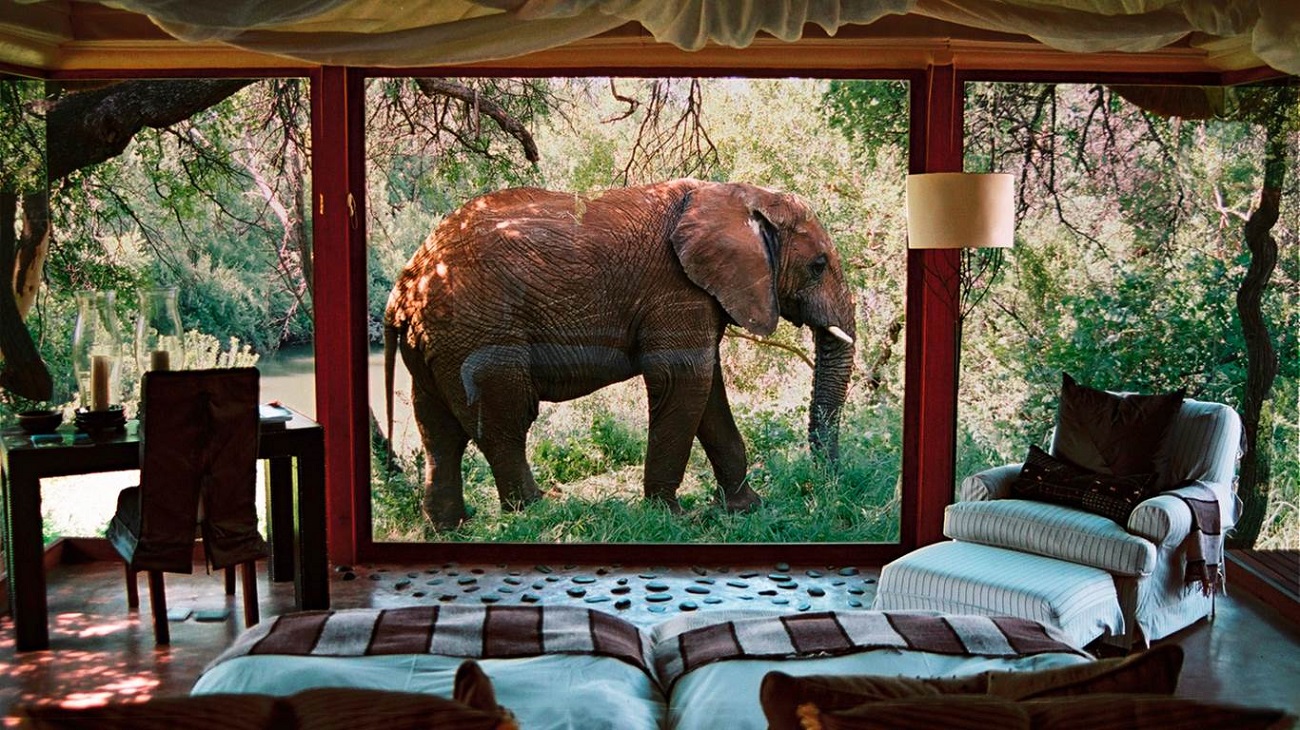
A comprehensive guide to Recently Extinct African Wildlife. Learn about its habitat, behavior, diet, and conservation status.
Recently Extinct African Wildlife
Africa offers some of the most incredible wildlife experiences on Earth, and getting recently extinct african wildlife right is essential to making the most of your journey. Here is what experienced safari guides and advisors recommend.
Practical Planning Steps: Recently Extinct African Wildlife
Step one in addressing recently extinct african wildlife is to clearly define your priorities and expectations. Are you focused on specific wildlife sightings, cultural experiences, photography opportunities, or a combination? Your answer will shape every subsequent decision.
Step two involves researching your options thoroughly. Compare different destinations, operators, and approaches to recently extinct african wildlife. Read reviews from verified travelers, consult with safari operators, and cross-reference information from multiple sources.
Step three is creating a detailed plan that accounts for all aspects of recently extinct african wildlife. This should include timelines, budgets, backup options, and contingency plans. The most successful safari travelers are those who plan thoroughly while remaining flexible enough to adapt to changing conditions.
Still researching? Let us help.
Our advisory team has planned safaris across 9 African countries. We can turn your research into a real plan.
Talk to an AdvisorRegional Considerations Across Africa
Central and West African destinations, including Uganda, Rwanda, and the Congo, offer specialized experiences like gorilla trekking that bring their own set of requirements. These destinations often involve more challenging terrain and different logistical considerations compared to the classic savanna safari.
East African safaris, particularly in Kenya and Tanzania, have their own distinct approach to recently extinct african wildlife. The Serengeti-Mara ecosystem, which hosts the Great Migration, requires specific planning considerations that differ from destinations like Amboseli or Ngorongoro. Understanding these regional differences is crucial for optimizing your experience.
Seasonal Factors and Timing
The timing of your safari significantly impacts recently extinct african wildlife. Dry season months, typically June through October in most East African destinations, offer different conditions than the green season months of November through May. Each period has distinct advantages and considerations.
Weather patterns across Africa are becoming less predictable due to climate change, which adds another layer of consideration to recently extinct african wildlife. Working with operators who have current, on-the-ground knowledge of conditions is more important than ever.
Peak season brings excellent wildlife viewing but also higher prices and more crowded parks. Shoulder seasons offer a balance of good conditions and fewer crowds. Understanding how seasonal factors affect recently extinct african wildlife helps you choose the optimal time for your specific priorities.
Common Mistakes to Avoid: Recently Extinct African Wildlife
One of the most frequent mistakes travelers make with recently extinct african wildlife is waiting too long to start planning. Popular safari destinations and lodges book up months in advance, especially during peak season. Last-minute planning often results in limited options and higher costs.
Underestimating the importance of recently extinct african wildlife is perhaps the biggest mistake of all. Travelers who give this aspect of their safari proper attention consistently report more satisfying experiences than those who treat it as an afterthought.
Done Reading? Let's Build Your Safari.
Skip the guesswork. Work with an advisor who has been on the ground across East and Southern Africa.
Plan With UsRelated Resources
For more information on planning your safari, explore our destination guides, browse the safari operator directory, or connect with an experienced safari planning guide for personalized guidance.
The Tragic Tale of the Western Black Rhino
The Western Black Rhinoceros (Diceros bicornis longipes) is a sobering example of a magnificent creature lost in recent memory, declared extinct in 2011. Once roaming across the savannas of west and central Africa, its disappearance is a stark reminder of the devastating impact of poaching. While genetically similar to other black rhino subspecies, it was a unique and irreplaceable part of Africa's megafauna.
The primary driver of its extinction was the insatiable demand for rhino horn, particularly in Yemen and Southeast Asia, where it was used for traditional medicines and as a status symbol. This demand fueled a massive wave of poaching in the 1970s and 1980s. Despite conservation efforts, the population plummeted from several thousand to just a few hundred by 1980. By the turn of the century, only a handful of individuals remained. The last confirmed sighting was in Cameroon in 2006, and after years of searching with no success, the IUCN officially declared it extinct.
> Expert Insight: The Rhino Horn Fallacy > It is a tragic irony that the rhino horn, which led to the Western Black Rhino's demise, is composed of keratin—the same protein found in human hair and fingernails. It holds no scientifically proven medicinal value. This highlights the critical role of education in dispelling myths that drive the illegal wildlife trade. Understanding the real cost of these beliefs is a crucial step in protecting the remaining rhino populations. For more on conservation, visit our knowledge center.
The Quagga: A Zebra's Ghost
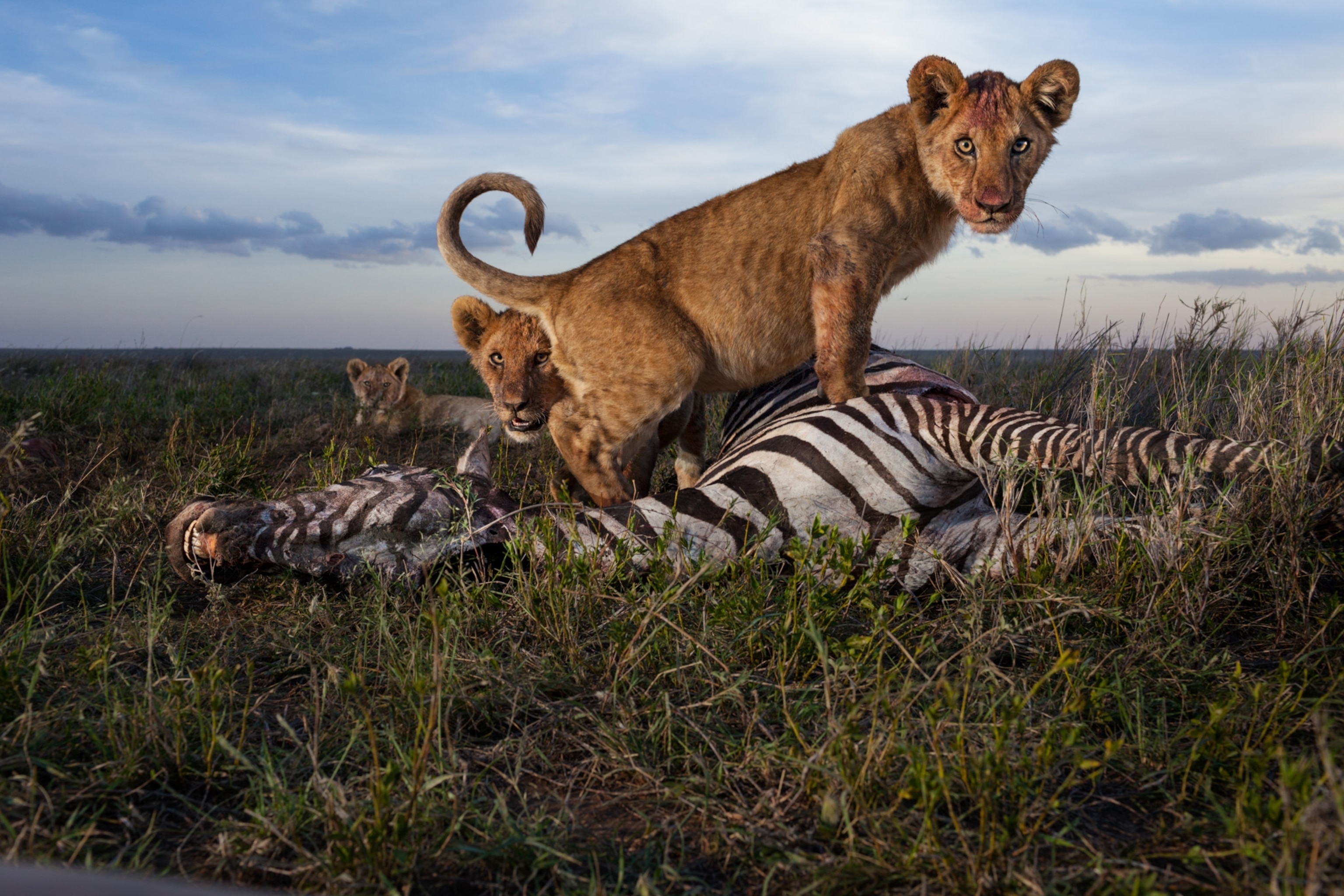
The Quagga (Equus quagga quagga), a unique subspecies of the plains zebra, is one of Africa's most famous extinct animals. It was distinguished by its striking appearance, with zebra-like stripes on its head, neck, and front portion of its body, which faded to a uniform brown along its rear. These remarkable animals were once abundant in South Africa's Karoo region.
Following European settlement, the Quagga was ruthlessly hunted. Settlers saw them as competitors for grazing land for their livestock, and their hides were also valuable. The last wild Quagga was likely shot in the late 1870s, and the last captive individual, a mare, died in an Amsterdam zoo in 1883. For a long time, the Quagga was thought to be a separate species, but modern genetic analysis revealed its close relationship to the plains zebra.
In an ambitious attempt to rectify a past mistake, the "Quagga Project" was launched in South Africa in 1987. Through selective breeding of plains zebras that exhibit Quagga-like traits, the project aims to bring back an animal that is phenotypically identical to the original. While controversial, the project has seen success in breeding animals that closely resemble the lost Quagga, offering a glimmer of hope and a powerful lesson in conservation genetics. To see what modern safaris have to offer, check out our destinations.
The Lost King: The Cape Lion
The Cape Lion (Panthera leo melanochaitus) was a magnificent, black-maned lion that once roamed the Cape region of South Africa. It was reputed to be one of the largest lion subspecies, with a distinctive dark mane that extended across its shoulders and under its belly. Its story is one of rapid decline in the face of human expansion.
As European settlers expanded their presence in the Cape, the Cape Lion was seen as a threat to livestock and human life. This led to a systematic campaign of persecution. Hunted relentlessly, its habitat was also fragmented by agriculture and urban development. The last known Cape Lion was killed in the 1850s, and the subspecies was declared extinct.
Recent genetic research has challenged the status of the Cape Lion as a distinct subspecies, suggesting it may have been the southernmost population of the Transvaal lion. However, its unique appearance and tragic story serve as a powerful symbol of the conflict between humans and wildlife. The loss of the Cape Lion underscores the importance of creating and maintaining protected areas where large predators can thrive without coming into conflict with human populations. If you are interested in planning a safari to see Africa's remaining lions, our safari operators can help.
Lessons from the Lost
The stories of the Western Black Rhino, the Quagga, and the Cape Lion are more than just historical accounts; they are urgent warnings. They reveal a common pattern of human-wildlife conflict, over-exploitation, and habitat loss. These extinctions highlight the fragility of even the most iconic species and the speed at which they can be lost forever.
Modern conservation efforts have learned much from these tragedies. The importance of protected areas, anti-poaching initiatives, community involvement, and education are now central to wildlife preservation. The fate of these extinct animals should inspire a greater commitment to protecting Africa's remaining biodiversity. To understand the cost of a modern safari and how it contributes to conservation, you can use our safari cost calculator. If you are ready to start planning your own journey, you can plan your safari with us.
Need Expert Safari Guidance?
Get expert advisory support from a firm founded by a former safari guide — with real operational knowledge across 9 African countries and full-journey accountability.
Related Planning Guides
Explore Related Topics
Recommended Reading
 Wildlife Guides
Wildlife Corridor Conservation in Africa
Learn about Africa\
 Wildlife Guides
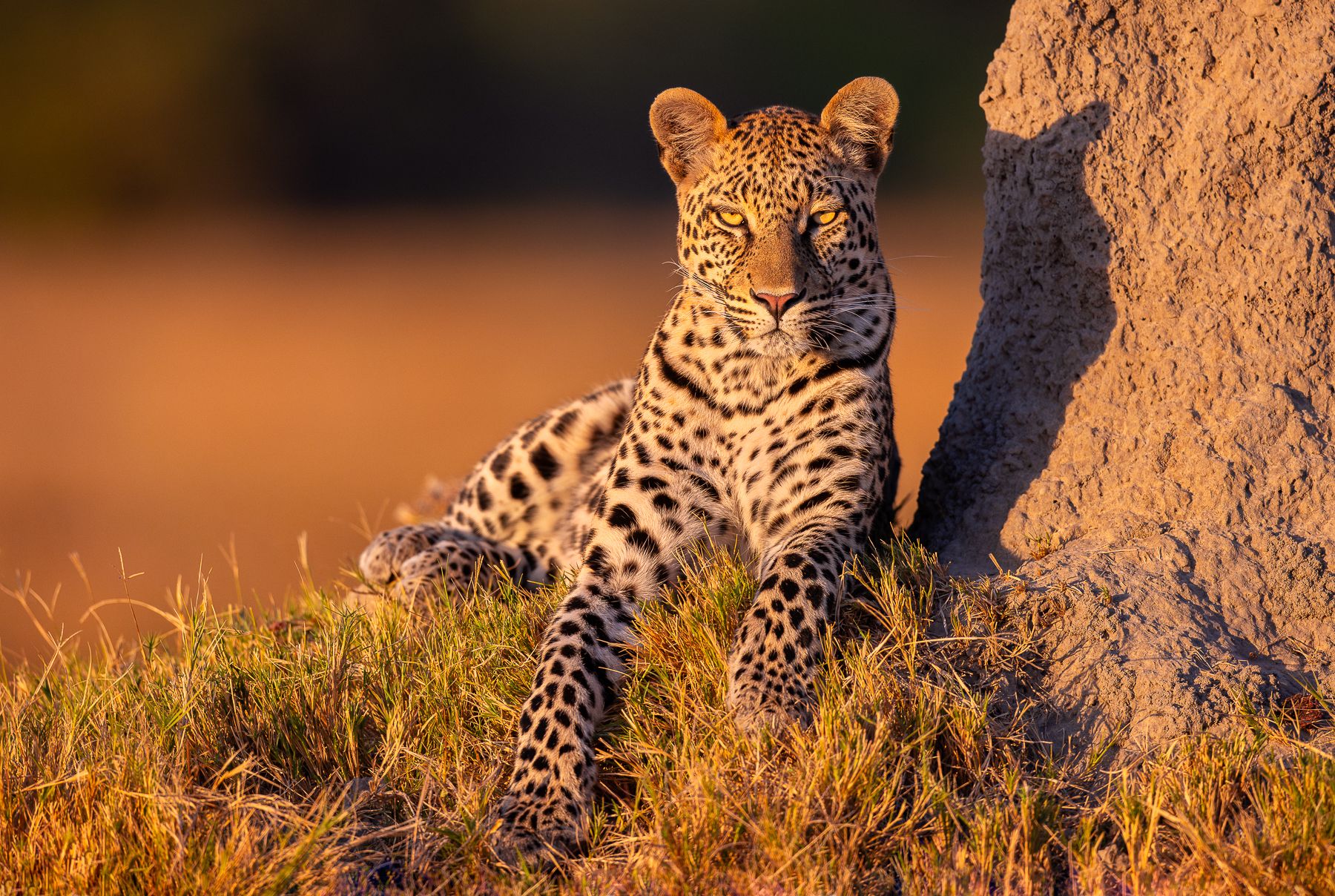
Complete Guide to African Wild Dog Pack Dynamics
Learn all about Complete Guide to African Wild Dog Pack Dynamics in this comprehensive guide. Discover the best time to go, what to see, and how to plan your trip.
 Wildlife Guides
Symbiotic Relationships in African Wildlife
A comprehensive guide to Symbiotic Relationships in African Wildlife. Learn about its habitat, behavior, diet, and conservation status.
 Season & Timing Guides
Best Time to See Wild Dogs in Africa
Expert guide on best time to see wild dogs in africa with month-by-month conditions, pricing, and planning recommendations for safari travelers.
 Safari Safety
Is African Safari Safe for Travelers?
Is an African safari safe? Our expert guide covers the real risks, safety measures, and practical advice to help you plan a secure and unforgettable journey.
 Safari Safety
Wildlife Safety on Safari
Planning an African safari? Our guide to wildlife safety provides essential tips for staying safe around wild animals, from game drives to walking safaris.