
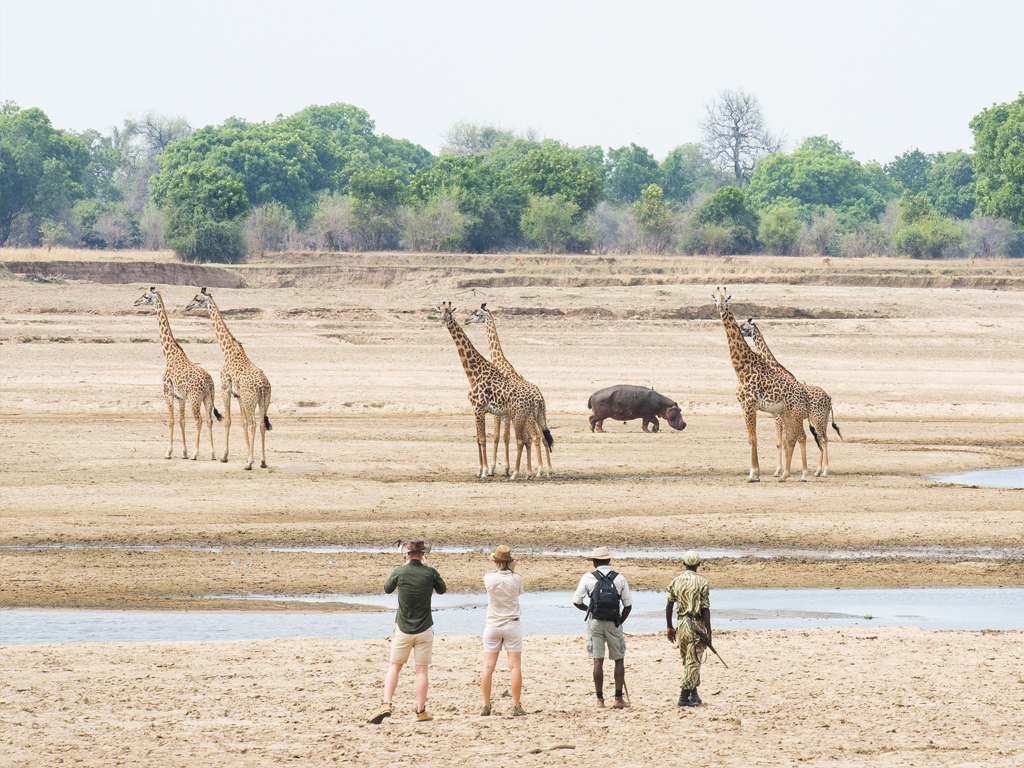
Expert tips for booking a safari during the peak season to ensure you get the best experience and value for your money.
Planning Your Peak Season Safari
The peak season is the most popular time to go on safari, which means that planning and booking in advance is essential. With high demand for accommodation and tours, it pays to be prepared. This guide will provide you with some useful tips for booking your peak season safari. For more in-depth advice, explore our knowledge center.
Book Well in Advance
This is the most important tip for booking a peak season safari. Accommodation in the most popular parks and reserves can get booked up a year or more in advance. To avoid disappointment, it is crucial to start planning and booking your trip as early as possible. Our safari operators can help you secure the best lodges and camps for your dates.
Still researching? Let us help.
Our advisory team has planned safaris across 9 African countries. We can turn your research into a real plan.
Talk to an AdvisorBe Flexible with Your Dates and Destinations
If you have some flexibility with your travel dates, you may be able to find better availability and prices. Traveling at the very beginning or end of the peak season can sometimes be a little cheaper and less crowded. It is also worth considering less well-known parks and reserves, which may have more availability and offer a more exclusive experience. To explore different options, visit our destinations guides.
Work with a Safari Expert
Booking a peak season safari can be a complex and time-consuming process. Working with a reputable safari expert can save you a lot of time and hassle. They have the knowledge and contacts to find the best options for your budget and interests. They can also help you navigate the complexities of booking and ensure that your trip runs smoothly. To get an idea of the costs involved, use our cost calculator.
Understanding Peak Season Dynamics
Peak season in Africa's premier safari destinations is not just about pleasant weather; it's intrinsically linked to wildlife behavior and accessibility. Understanding these dynamics is the first step in planning a successful safari. For instance, the Great Migration in East Africa dictates the peak season in both Tanzania and Kenya. From July to October, the vast herds of wildebeest and zebra are typically in the northern Serengeti and the Masai Mara, creating dramatic river crossings and abundant predator action. This is why demand for lodges in these areas skyrockets during these months. Our destinations guides offer more detail on specific parks.
In Southern Africa, the peak season is driven by the dry winter months (June to October). In destinations like Botswana's Okavango Delta and Zambia's South Luangwa National Park, the vegetation thins out, and water sources become scarce, concentrating wildlife around rivers and waterholes. This makes for exceptional game viewing. The weather is also cooler and there are fewer mosquitos, adding to the appeal.
> Expert Insight: Don't assume peak season is the same everywhere. While East Africa is at its best from June to October, a destination like South Africa's Kruger National Park has a more extended peak season. And some destinations, like Uganda for gorilla trekking, have two peak seasons (June-August and December-February) corresponding to their dry seasons.
Done Reading? Let's Build Your Safari.
Skip the guesswork. Work with an advisor who has been on the ground across East and Southern Africa.
Plan With UsAdvanced Booking Strategies for Peak Season
Given the high demand, booking a peak season safari requires a strategic approach. The general advice is to book early, but how early is early enough? For a prime Great Migration safari in the Serengeti or Masai Mara, you should be looking to book 12 to 18 months in advance, especially if you have specific lodges or camps in mind. For other popular destinations like the Okavango Delta or Kruger National Park, a booking window of 9 to 12 months is advisable.
Your choice of accommodation also plays a role. Small, exclusive lodges and mobile camps, which offer a more intimate and flexible experience, have limited availability and tend to book up the fastest. Larger, more established lodges may have more rooms, but the best-located ones still fill up quickly. Working with our safari operators can give you an edge, as they have established relationships with a wide range of properties and can often access rooms that may not be available to the public.
> Traveler's Tip: If you have some flexibility, consider traveling during the 'shoulder season'—the period just before or after peak season. You may experience slightly less predictable weather, but you'll benefit from lower prices and fewer crowds, while still enjoying excellent game viewing.
Alternative Peak Season Destinations
If you find that your preferred destination is fully booked, don't despair. Africa is a vast continent with many incredible, lesser-known safari areas that offer a fantastic peak season experience. For example, if the Masai Mara is booked, consider the Laikipia Plateau in Kenya. It offers a diverse landscape, abundant wildlife (including the 'Northern Five'), and a range of unique activities like camel trekking and night drives.
Similarly, if the heart of the Okavango Delta is out of reach, explore the Linyanti or Kwando concessions in northern Botswana. These areas are known for their large elephant herds and strong predator populations, and they offer a more exclusive experience than some of the more crowded parts of the Delta. In Tanzania, instead of the central Serengeti, consider the more remote western or northern corridors, which have their own unique appeal and are often less crowded. For more ideas, explore our knowledge center.
Managing Costs During Peak Season
It's no secret that peak season safaris come with a premium price tag. However, there are ways to manage your budget without compromising on the quality of your experience. One effective strategy is to opt for an all-inclusive safari. While the upfront cost may seem high, it covers all your accommodation, meals, drinks, and activities. This not only provides excellent value but also helps you lock in your costs and avoid any unpleasant surprises. You can get a sense of what to expect by using our cost calculator.
Another approach is to be strategic with your itinerary. Instead of hopping between multiple expensive lodges, consider spending more time in fewer locations. This will reduce your travel costs and allow you to have a more immersive experience. You could also mix and match different types of accommodation, combining a few nights at a luxury lodge with a stay at a more affordable, but still high-quality, camp. When you're ready to take the next step, you can plan your safari with us.
Need Expert Safari Guidance?
Get expert advisory support from a firm founded by a former safari guide — with real operational knowledge across 9 African countries and full-journey accountability.
Related Planning Guides
Recommended Reading
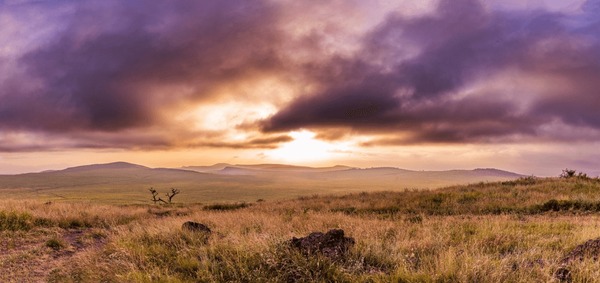 Season & Timing Guides
Off-Peak Season Safari Deals
Learn how to find the best safari deals during the off-peak season and enjoy an incredible African adventure at a fraction of the price.
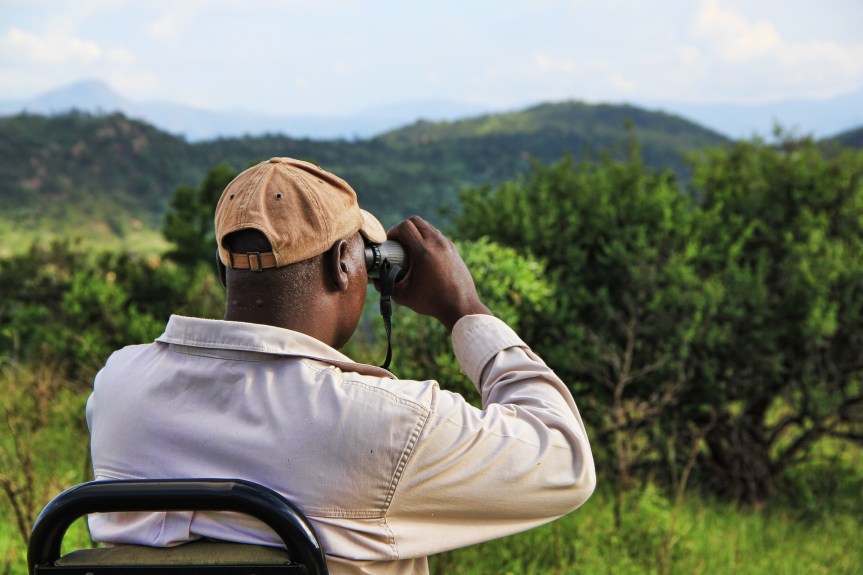 Safari Planning Guides
How to Plan a Safari During Peak Season
Discover how to plan your dream safari with our expert guide on How to Plan a Safari During Peak Season. Get tips on destinations, costs, and more.
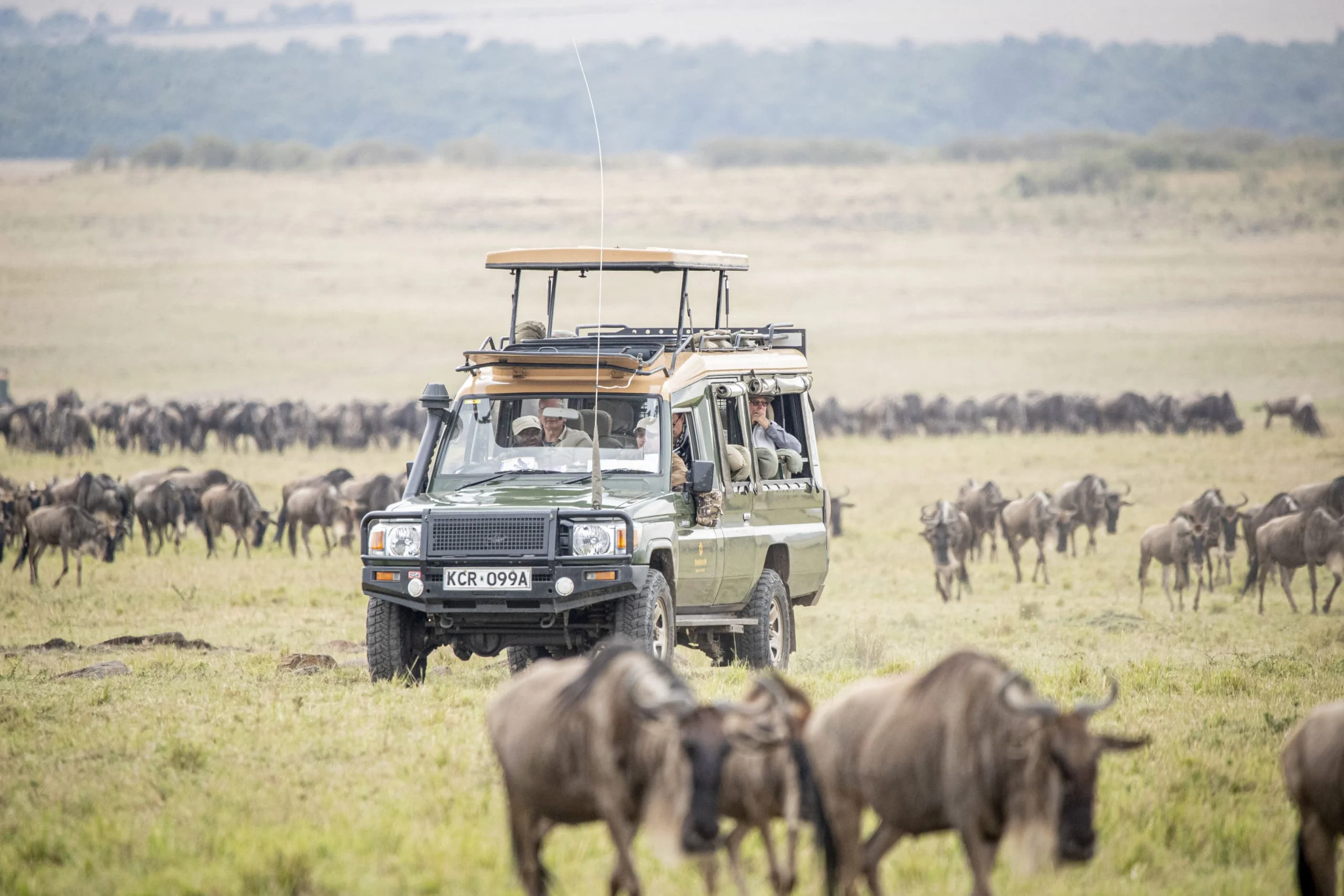 Safari Cost Guides
Safari Cost Comparison Peak vs Shoulder Season
Learn about safari cost comparison peak vs shoulder season in this comprehensive safari guide covering key insights and practical advice.
 Safari Operator Articles
How Safari Operators Handle Peak Season Demand
Learn about how safari operators handle peak season demand and how it can impact your safari experience. Get expert advice and start planning your dream safari today.
 Season & Timing Guides
Green Season Safari Advantages
Discover the many advantages of a Green Season safari, from lush landscapes and newborn animals to lower prices and fewer crowds.
 Season & Timing Guides
Dry Season Safari Advantages
Discover the key advantages of a dry season safari, from exceptional wildlife viewing to pleasant weather and easier travel conditions.