
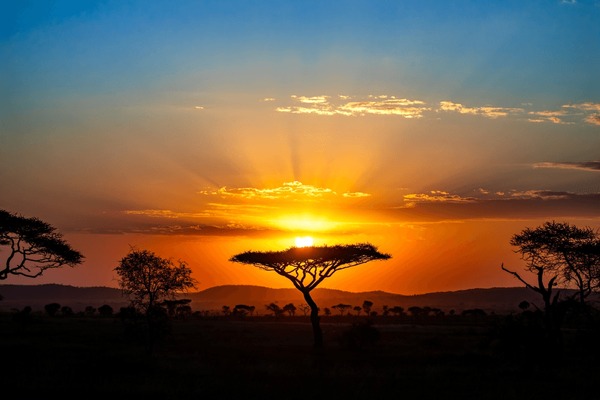
Discover the benefits of traveling during the shoulder season, from lower prices and fewer crowds to a great mix of weather and wildlife viewing.
The Best of Both Worlds: The Shoulder Season
The shoulder season, the period between the peak and off-peak seasons, can be one of the best times to go on safari. It offers a fantastic combination of good weather, great wildlife viewing, and excellent value for money. If you are looking for a well-rounded safari experience, the shoulder season is hard to beat. For more safari planning advice, explore our knowledge center.
Great Value for Money
One of the biggest advantages of the shoulder season is that you can get a taste of the peak season experience without the peak season prices. Accommodation and tour prices are generally lower than in the dry season, but the wildlife viewing is still excellent. This makes it a great option for travelers who want to maximize their budget. Our safari operators can help you find the best shoulder season deals.
Still researching? Let us help.
Our advisory team has planned safaris across 9 African countries. We can turn your research into a real plan.
Talk to an AdvisorFewer Crowds and a More Relaxed Atmosphere
The shoulder season sees fewer tourists than the peak season, which means you can enjoy a more relaxed and intimate safari experience. The popular parks and reserves are less crowded, and you are less likely to have to share your wildlife sightings with other vehicles. This can make for a more personal and authentic connection with nature. To explore different destinations, visit our destinations guides.
A Mix of Green and Dry Season Conditions
The shoulder season often offers a beautiful mix of green and dry season conditions. The landscape is still relatively lush from the rains, but the weather is starting to dry up, and animals are beginning to congregate around water sources. This can make for some stunning photographic opportunities and a great diversity of sightings. To get an idea of the costs involved, use our cost calculator.
Specific Shoulder Season Destinations and Timings
Understanding when and where to travel is key to maximizing the benefits of a shoulder season safari. The timing varies significantly across Africa's vast landscapes. Our destinations guides offer in-depth information, but here is a strategic overview of prime shoulder season opportunities.
East Africa: Kenya and Tanzania
In Kenya and Tanzania, the main shoulder seasons fall between the two primary rainy periods. This typically includes April to June and October to November.
- April and May: This period follows the long rains. While some remote camps may close, many remain open, offering lush, green landscapes and dramatic skies. It's a fantastic time for birdwatching as migratory species are present. In the Serengeti, you can witness the Great Migration herds in the Western Corridor, a spectacular sight with fewer vehicles than in the peak months of July and August. The Ngorongoro Crater is also stunningly green, though afternoon showers are possible.
- October and November: Following the dry season, the short rains begin to refresh the landscape. In Tarangire National Park, elephants are still abundant near the Tarangire River before dispersing. This is also an excellent time to visit the Maasai Mara, as the large crowds that gather for the river crossings have departed, but resident wildlife remains plentiful. You can enjoy the Mara's iconic rolling plains in relative solitude.
> Expert Insight: The shoulder season in East Africa is particularly rewarding for photographers. The combination of dramatic clouds, vibrant green scenery, and lower dust levels creates exceptional light and color saturation. It's a chance to capture a different, more atmospheric side of the savanna.
Southern Africa: Botswana, Zambia, and Zimbabwe
Southern Africa's shoulder seasons are generally tied to the end of the dry season and the beginning of the green season. Key periods are April to May and November to early December.
- April and May: As the summer rains recede, the landscape is verdant and water levels in places like the Okavango Delta are beginning to rise from rains that fell in the Angolan highlands months earlier. This is a beautiful time to visit, with comfortable temperatures and clear air. Wildlife is healthy and active after a period of abundance. Victoria Falls, on the border of Zambia and Zimbabwe, is at a powerful flow, creating immense spray and thunderous noise.
- November and early December: This is a period of dramatic change. The first rains arrive, breaking the long dry spell. The heat and humidity can be intense, but the rewards are significant. Many animals, including antelopes, give birth during this time, which in turn attracts predators. It's a phenomenal time for observing predator-prey interactions. The bush comes alive with new growth, and migratory birds arrive in droves. For travelers who can handle the heat, it's a time of incredible renewal and action.
Done Reading? Let's Build Your Safari.
Skip the guesswork. Work with an advisor who has been on the ground across East and Southern Africa.
Plan With UsWildlife Behavior and Viewing Opportunities
The changing seasons directly influence animal behavior, creating unique viewing opportunities that are often missed during the peak dry season. Rather than just seeing animals, you get to observe them in a more dynamic environment.
During the shoulder months that precede the dry season, water sources are still reasonably distributed, so animals are more spread out. This can make game viewing slightly more challenging, but it also encourages more exploration of the park. Guides often have to work harder, which can lead you to more remote and interesting corners of a reserve.
Conversely, in the shoulder period that marks the beginning of the rains, the transformation is electric. The arrival of newborn animals creates a surge in predator activity. Lions, leopards, cheetahs, and wild dogs take advantage of the vulnerable young, and witnessing a hunt is more likely. It's a raw and powerful display of the circle of life. Furthermore, the return of water means you may see species like elephants and buffalo engaging in joyful mud baths and water play.
> Traveler's Tip: If you are interested in specific behaviors like bird nesting, antelope birthing, or particular migratory patterns, the shoulder season is often the best time to travel. Discuss your interests with one of our safari operators, who can align your itinerary with these natural events.
Navigating the Trade-Offs: What to Expect
While the advantages are compelling, a shoulder season safari comes with certain trade-offs that are important to understand. The weather can be more unpredictable. You might experience afternoon thunderstorms or overcast days, which can alter plans for activities like bush dinners or walking safaris. Roads in some areas can become muddy and temporarily impassable, requiring flexibility in your itinerary.
Wildlife density might also be lower compared to the peak dry season when animals are highly concentrated around the last remaining waterholes. However, the animals you do see are often healthier and less stressed. The experience becomes less about ticking off a checklist and more about appreciating the subtleties of the ecosystem.
It's a matter of priorities. If your goal is to see the absolute maximum number of animals in the shortest time, the peak dry season might be a better fit. But if you value a more holistic and intimate experience with fewer crowds and a more dynamic environment, the shoulder season is an outstanding choice. Our knowledge center has more articles to help you weigh these decisions.
Is a Shoulder Season Safari Right for You?
Deciding on the best time to travel depends entirely on your personal preferences and priorities. A shoulder season safari is ideal for:
- Budget-Conscious Travelers: Those looking to get more value for their money without compromising on the quality of lodges and guiding.
- Repeat Safari-Goers: Experienced travelers who have already witnessed the peak season and are looking for a different, more nuanced experience.
- Photographers: Anyone seeking dramatic landscapes, beautiful light, and unique atmospheric conditions.
- Solitude Seekers: Travelers who prefer to share the wilderness with fewer people and enjoy a more exclusive feel.
Ultimately, the best safari is the one that is right for you. The complexities of seasonal timing and regional variations are why expert guidance is so valuable. To explore your options and design a journey tailored to your specific interests, connect with our team and plan your safari.
Need Expert Safari Guidance?
Get expert advisory support from a firm founded by a former safari guide — with real operational knowledge across 9 African countries and full-journey accountability.
Related Planning Guides
Recommended Reading
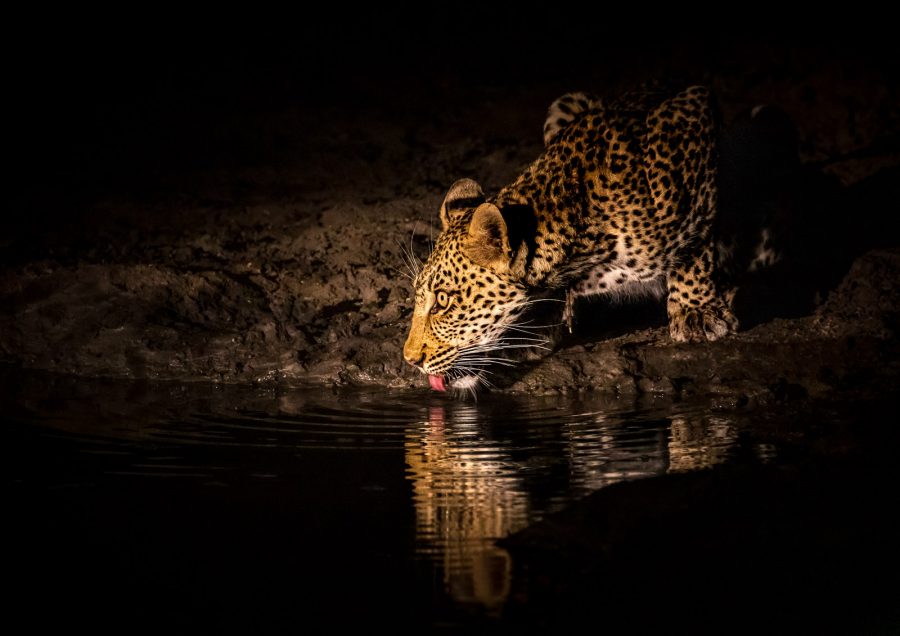 Season & Timing Guides
Green Season Safari Advantages
Discover the many advantages of a Green Season safari, from lush landscapes and newborn animals to lower prices and fewer crowds.
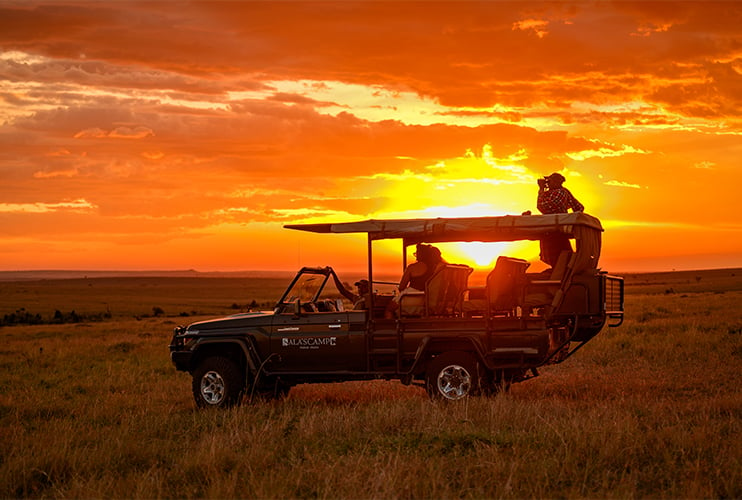 Season & Timing Guides
Dry Season Safari Advantages
Discover the key advantages of a dry season safari, from exceptional wildlife viewing to pleasant weather and easier travel conditions.
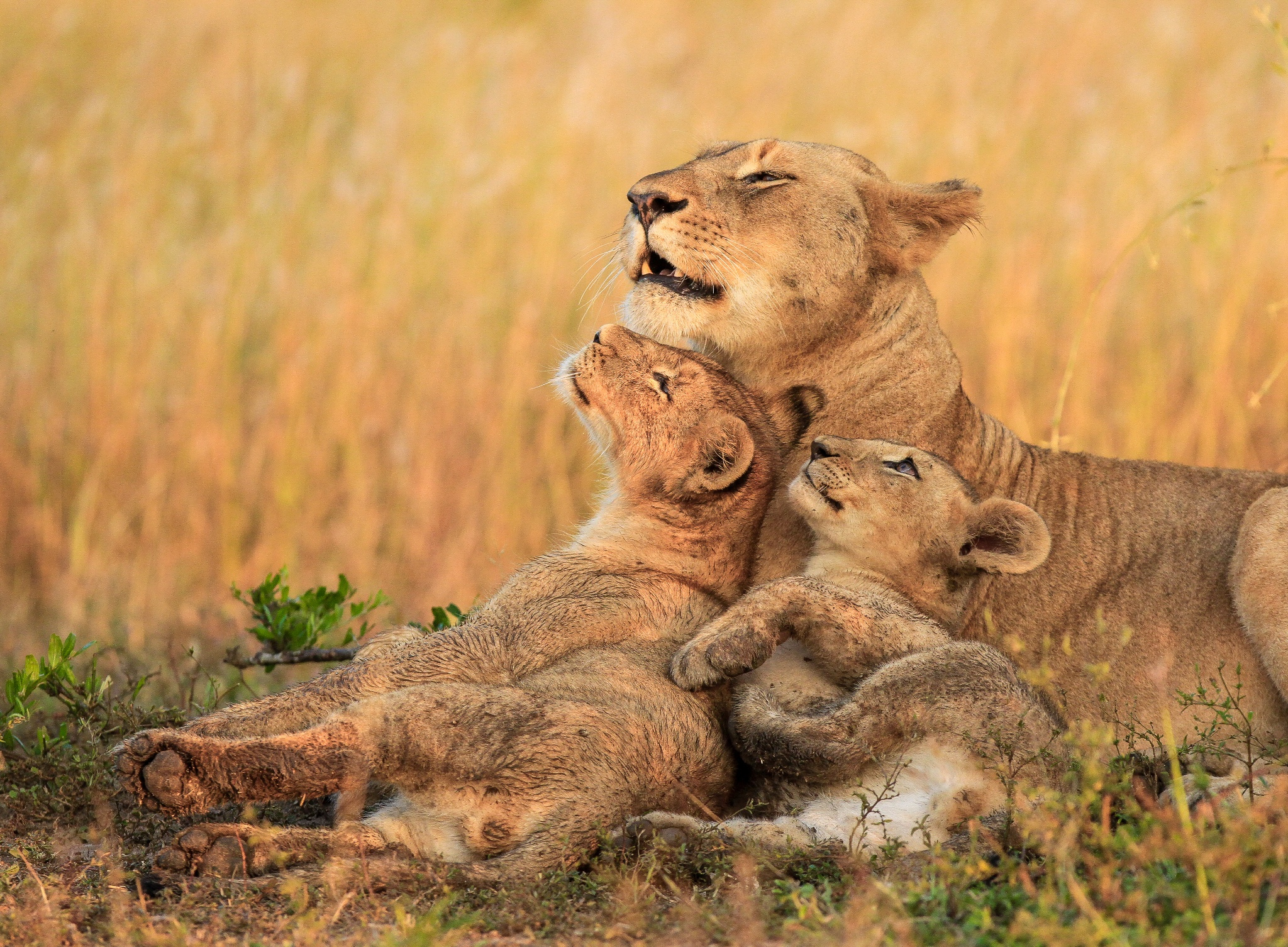 Season & Timing Guides
Dry Season Safari Disadvantages
Understand the potential disadvantages of a dry season safari, from higher prices and more crowds to a less vibrant landscape.
 Safari Cost Guides
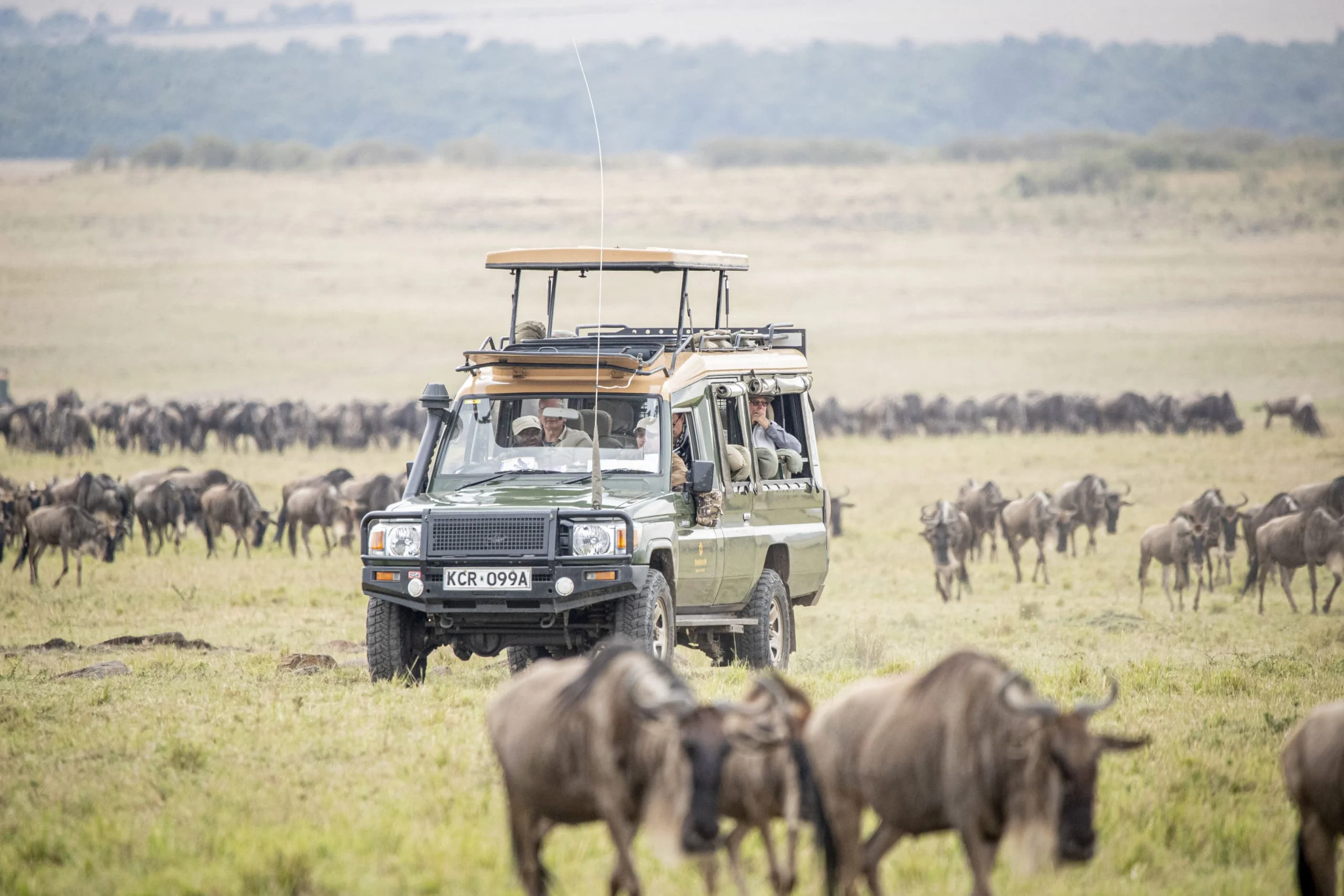
Safari Cost Comparison Peak vs Shoulder Season
Learn about safari cost comparison peak vs shoulder season in this comprehensive safari guide covering key insights and practical advice.
 Safari Planning Guides
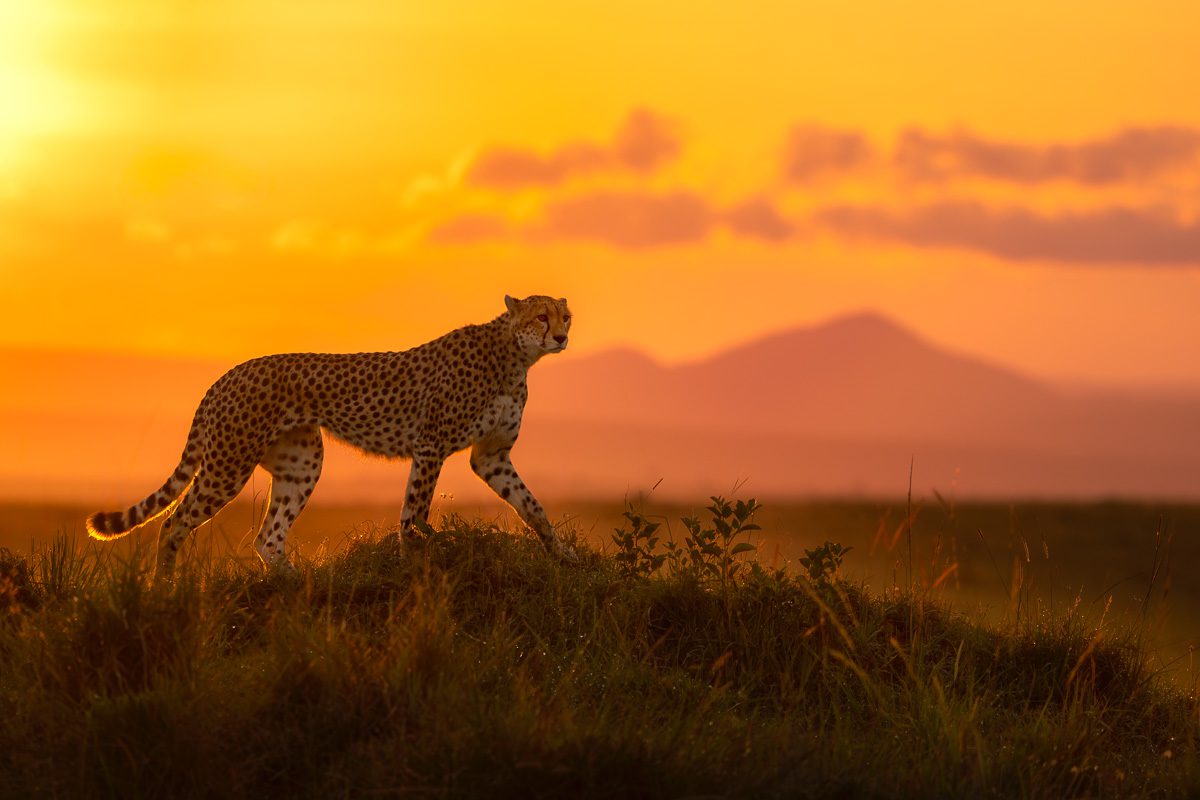
How to Plan a Safari During the Green Season
Discover how to plan your dream safari with our expert guide on How to Plan a Safari During the Green Season. Get tips on destinations, costs, and more.
 Safari Planning Guides
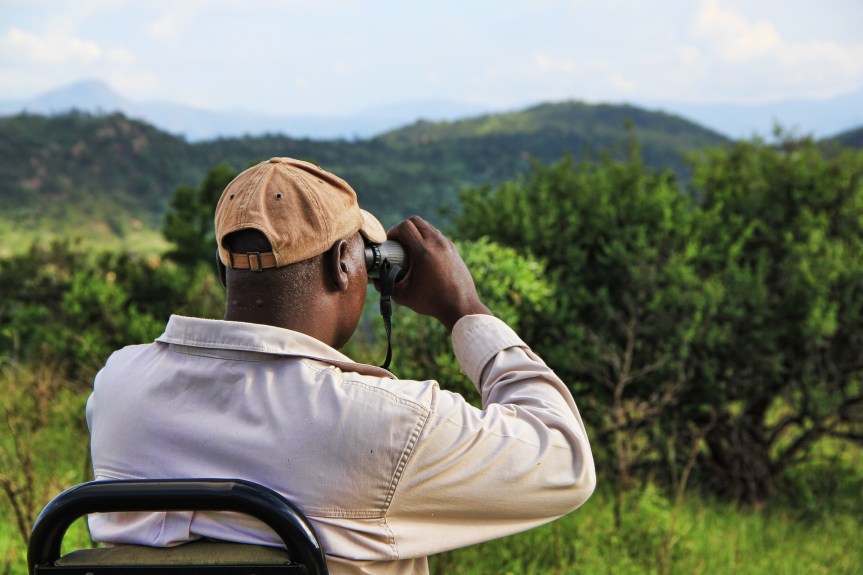
How to Plan a Safari During Peak Season
Discover how to plan your dream safari with our expert guide on How to Plan a Safari During Peak Season. Get tips on destinations, costs, and more.