
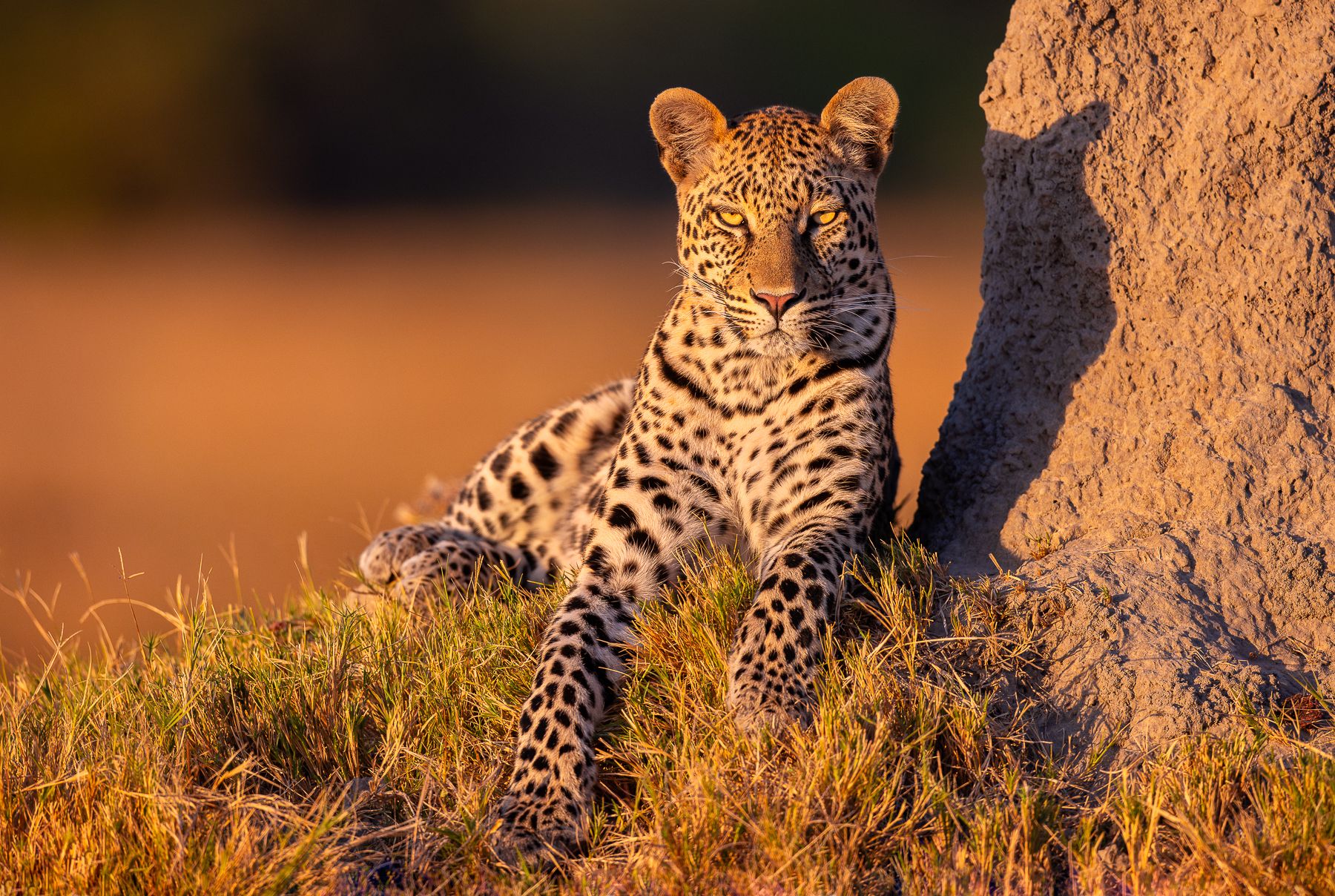
Learn about how safari operators handle peak season demand and how it can impact your safari experience. Get expert advice and start planning your dream safari today.
How Safari Operators Handle Peak Season Demand
This is the content for the article: How Safari Operators Handle Peak Season Demand.
This article is in the category: Safari Operator Articles.
Here are some internal links:
Understanding Peak Season Dynamics in the Safari World
Peak season in the safari industry is not a single, universal timeframe but a nuanced concept that varies significantly across Africa's vast ecosystems. For premier destinations like Tanzania's Serengeti and Kenya's Maasai Mara, the peak months typically run from June to October. This period coincides with the dry season, when water sources become scarce, forcing wildlife to congregate around rivers and waterholes, making for easier and more dramatic game viewing. It is also when the Great Migration, the largest overland migration of mammals on Earth, reaches its most dramatic river-crossing phase.
In Southern Africa, destinations such as Botswana's Okavango Delta and South Africa's Kruger National Park also experience their peak season during these same winter months (June to August). The dry, mild weather and sparse vegetation offer optimal conditions for spotting wildlife. Conversely, other regions have different peak periods. For gorilla trekking in Uganda and Rwanda, the "long dry" season from June to September is considered peak, but a "short dry" season from December to February also attracts a high volume of visitors.
Understanding these dynamics is the first step in navigating the complexities of booking a safari. The demand during these windows is driven by a confluence of factors: ideal weather, unparalleled wildlife spectacles, and alignment with summer holiday schedules in North America and Europe. This surge in demand creates a ripple effect across the entire supply chain, from lodge availability to the price of a safari vehicle. For travelers, this means that planning a peak-season safari requires foresight, flexibility, and expert guidance, which is where a trusted safari planning guide becomes invaluable.
Still researching? Let us help.
Our advisory team has planned safaris across 9 African countries. We can turn your research into a real plan.
Talk to an AdvisorAdvanced Booking and Inventory Management
Safari operators are masters of long-term planning, and their booking cycles reflect the intense demand for peak season travel. The most sought-after lodges and camps, particularly those in prime wildlife areas like the private conservancies bordering the Maasai Mara or the exclusive concessions in the Okavango Delta, are often fully booked 12 to 18 months in advance. This is not an exaggeration but a fundamental reality of securing a high-quality safari experience.
To manage this, operators utilize a system of provisional bookings and allotments. A provisional booking is a temporary hold on a room or a set of rooms, which must be confirmed with a deposit by a specific date. This allows operators to pencil in itineraries while giving travelers time to finalize their plans. However, during peak season, these confirmation deadlines are strict, and any unconfirmed space is immediately released to a waiting list.
> Expert Insight: Top-tier safari camps may have as few as six to twelve tents. With such limited inventory, a single group booking can take a lodge out of the market for specific dates a year or more ahead of time. This scarcity is why early communication with your safari planning guide is critical. They have the relationships and knowledge to navigate this competitive landscape.
Allotments are blocks of rooms that established operators contract with lodges far in advance, guaranteeing them space. This is a significant financial commitment for the operator but ensures they can serve their clients during the busiest times. For a traveler, booking with an operator who holds allotments can be the difference between securing a spot at a preferred camp and having to compromise.
Pricing Strategies and Yield Management
Just as availability shrinks, prices during peak season invariably rise. Safari lodges and operators employ a seasonal pricing model, typically categorized into three tiers:
- Peak Season: Highest rates, corresponding to the periods of greatest demand and optimal game viewing.
- Shoulder Season: Mid-tier pricing, often representing a fantastic balance of good weather, abundant wildlife, and better value. Examples include September-October in Southern Africa or March and October in East Africa.
- Low/Green Season: Lowest rates, coinciding with the rainy seasons. While some perceive this as a less desirable time, the green season can be spectacular, with lush landscapes, newborn animals, and dramatic skies, as detailed in our knowledge center.
Unlike the airline or hotel industry, dynamic pricing is less common in the safari world. Rates are typically set a year or more in advance, providing transparency. However, one pricing element that becomes more pronounced during peak season is the single supplement. This is an additional charge for a solo traveler occupying a room, as most lodge rates are based on double occupancy. During the low season, many lodges waive this fee to attract business, but in peak season, the high demand for limited rooms makes it a standard practice.
> Traveler's Tip: If your travel dates are flexible, consider the shoulder season. For example, traveling to the Serengeti in October still offers phenomenal migration viewing but with slightly lower crowds and costs compared to July and August. Our cost calculator can help you visualize these differences.
Logistical Coordination and Staffing
The logistical puzzle of running a peak-season safari operation is immense. It extends far beyond just booking rooms. Every component, from guide allocation to the supply chain for remote camps, is under strain. The best safari guides—those with decades of experience, intimate knowledge of animal behavior, and exceptional interpersonal skills—are in the highest demand. Reputable operators secure their top guides for their clients months in advance.
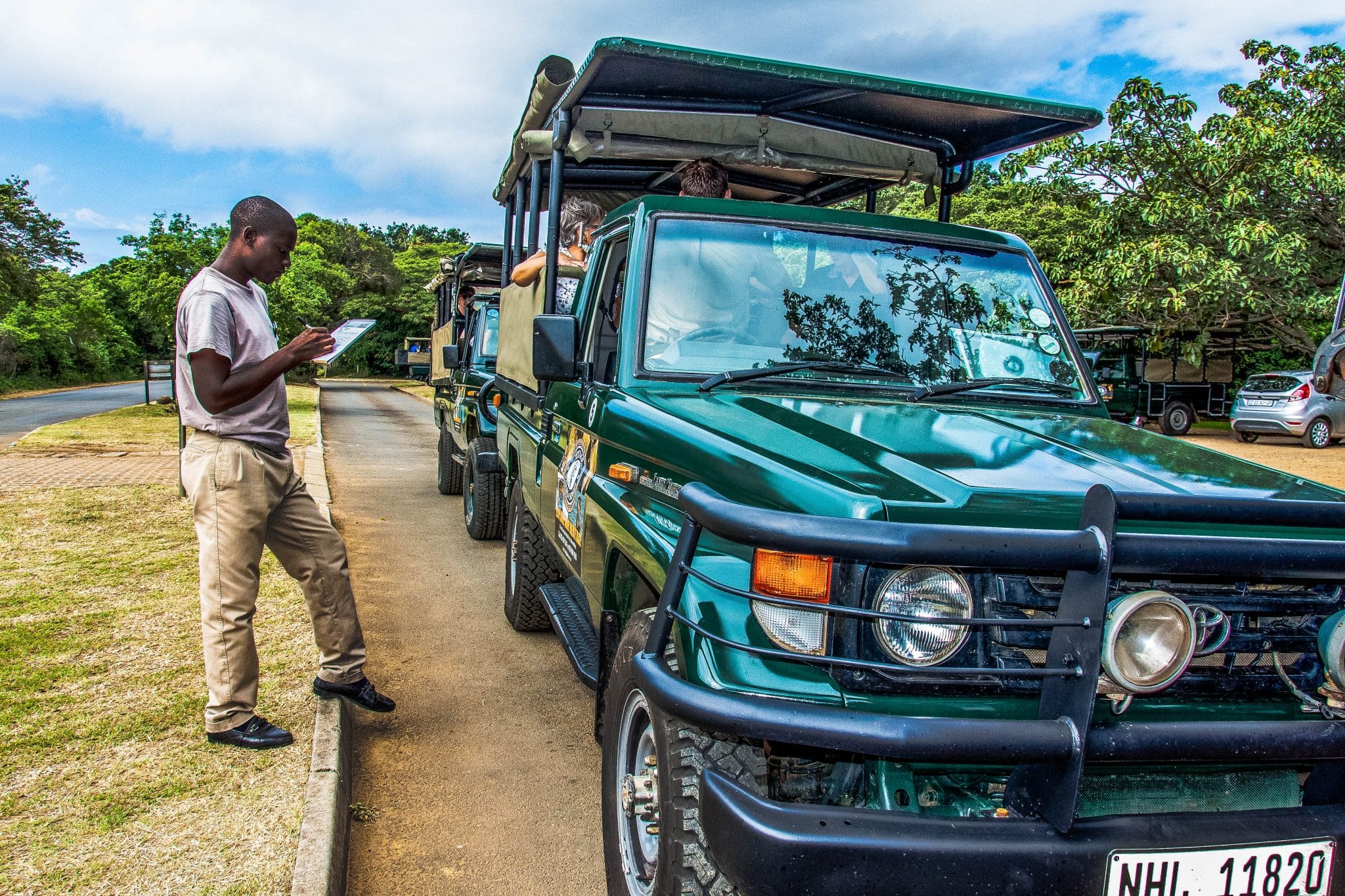
Vehicle management is another critical piece. An operator must ensure their fleet of custom-fitted safari vehicles is perfectly maintained and strategically positioned. During peak season, there is no spare capacity. A vehicle breakdown can have significant knock-on effects, so operators invest heavily in maintenance and have robust contingency plans.
Furthermore, managing the intricate web of domestic flights and road transfers requires precision. A delayed flight into a bush airstrip can disrupt an entire day's activities. Operators work with reliable local charter companies and have staff on the ground at key airports to smooth this process for their guests. This behind-the-scenes coordination is a hallmark of a professional operation and a key reason to plan your safari with an experienced partner.
Done Reading? Let's Build Your Safari.
Skip the guesswork. Work with an advisor who has been on the ground across East and Southern Africa.
Plan With UsManaging the Guest Experience Amidst the Crowds
A common concern for travelers considering a peak-season safari is the presence of other tourists. The iconic images of dozens of vehicles surrounding a leopard in a tree are, unfortunately, a reality in some parts of Africa's public national parks during July and August. However, elite operators have developed effective strategies to mitigate this and preserve the sense of wilderness and exclusivity that defines a true safari.
One of the most effective strategies is utilizing private conservancies. These are vast tracts of land bordering the national parks that are leased from local communities, such as the Maasai. Access is restricted to the few small, exclusive camps located within the conservancy. This model offers several distinct advantages:
- Exclusivity: The number of vehicles is strictly limited, ensuring you rarely see another soul on your game drives.
- Flexibility: Unlike national parks, conservancies often permit off-road driving for special sightings, guided bush walks, and night game drives, offering a more immersive experience.
- Community Impact: A significant portion of the lease fees goes directly to the local community, creating a sustainable model for conservation.
Even when operating within national parks, a skilled guide can make all the difference. They know how to read animal behavior to anticipate movements, understand the road networks to avoid traffic jams, and time their drives to begin earlier or end later than the standard schedules. Booking a private vehicle and guide, while an additional investment, provides the ultimate flexibility to tailor your days entirely to your interests, away from the rhythm of the larger lodges.
Need Expert Safari Guidance?
Get expert advisory support from a firm founded by a former safari guide — with real operational knowledge across 9 African countries and full-journey accountability.
Related Planning Guides
Recommended Reading
 Safari Operator Articles
How Safari Operators Handle Low Season Operations
Learn about how safari operators handle low season operations and how it can impact your safari experience. Get expert advice and start planning your dream safari today.
 Safari Operator Articles
How Safari Operators Handle Emergencies
An overview of the emergency preparedness and response protocols that reputable safari operators have in place to ensure the safety of their clients.
 Safari Operator Articles
How Safari Operators Handle Dietary Requirements
A guide to how safari operators accommodate dietary requirements and what to do to ensure your needs are met while on safari.
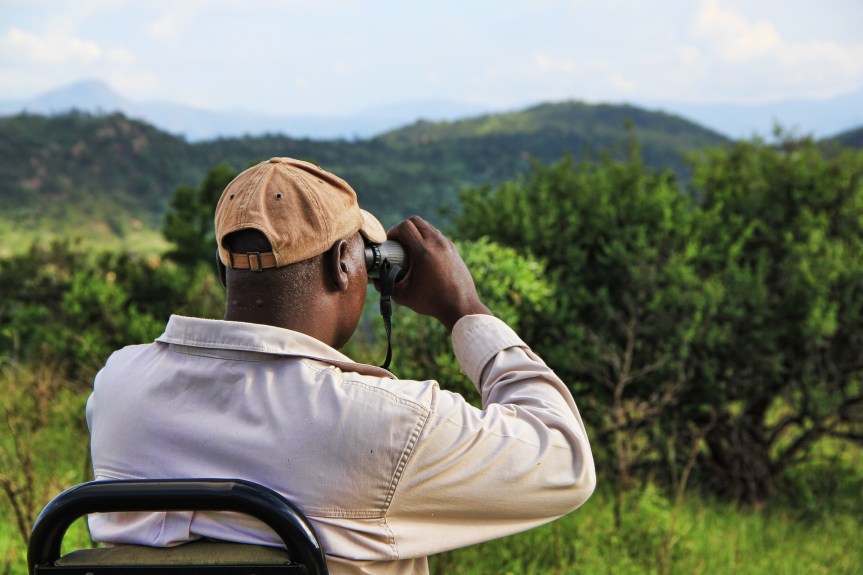 Safari Planning Guides
How to Plan a Safari During Peak Season
Discover how to plan your dream safari with our expert guide on How to Plan a Safari During Peak Season. Get tips on destinations, costs, and more.
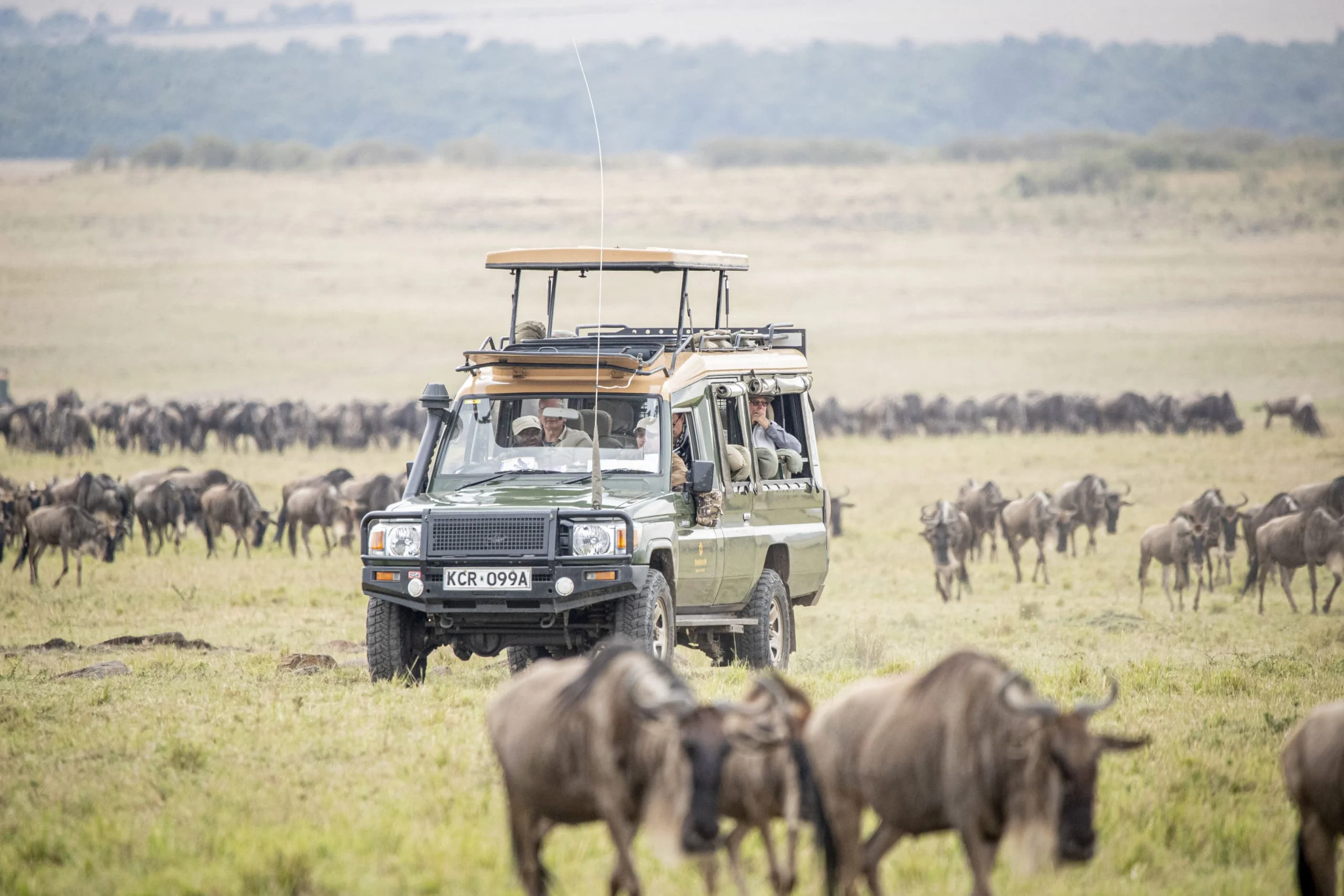 Safari Cost Guides
Safari Cost Comparison Peak vs Shoulder Season
Learn about safari cost comparison peak vs shoulder season in this comprehensive safari guide covering key insights and practical advice.
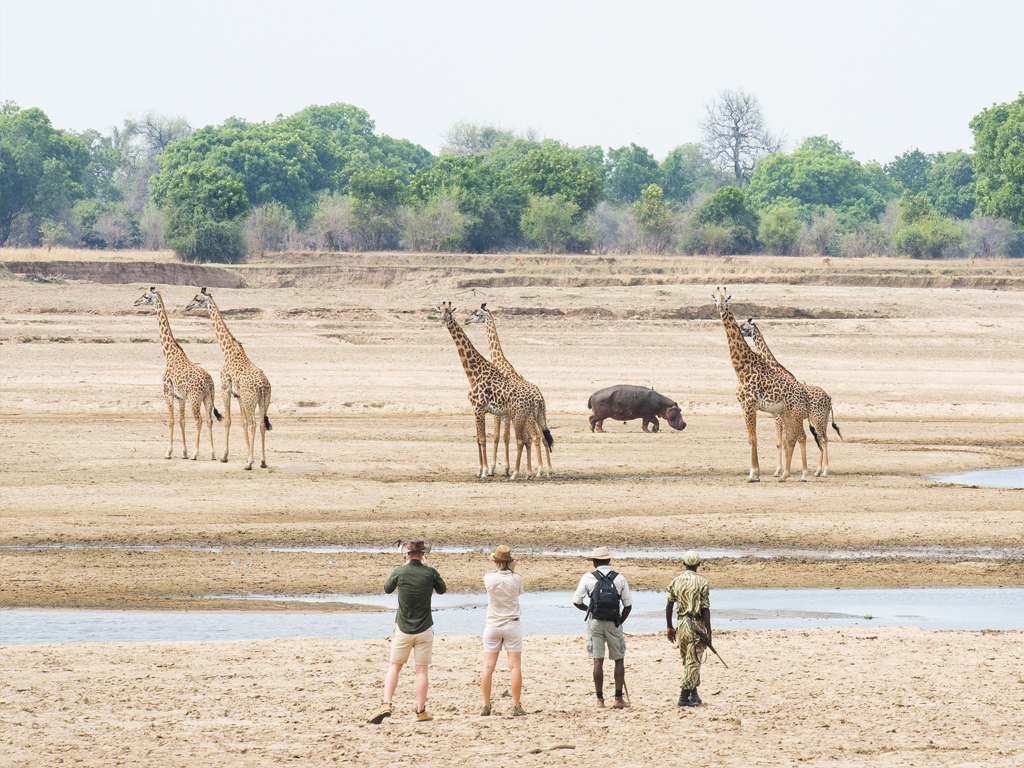 Season & Timing Guides
Peak Season Safari Booking Tips
Expert tips for booking a safari during the peak season to ensure you get the best experience and value for your money.