
Learn about how to plan a safari with sustainable lodges in this comprehensive safari guide covering key insights and practical advice.
Overview
Planning a safari involves many moving parts, and how to plan a safari with sustainable lodges is one of the most important considerations. Whether you're a first-time visitor or a seasoned Africa traveler, this guide provides the practical knowledge you need to make informed decisions and create an unforgettable experience.
What You Need to Know
A deeper look at how to plan a safari with sustainable lodges reveals important connections to other aspects of safari planning. Your choice of destination, timing, accommodation, and activities all influence each other, creating a web of decisions that benefit from expert guidance. Our knowledge center covers these interconnected topics comprehensively.
Still researching? Let us help.
Our advisory team has planned safaris across 9 African countries. We can turn your research into a real plan.
Talk to an AdvisorPractical Considerations
The practical application of how to plan a safari with sustainable lodges extends beyond the planning phase into the safari itself. Being well-informed allows you to make better decisions in real-time, whether that means choosing the right game drive timing, understanding animal behavior, or knowing when to ask your guide for more information. Preparation and knowledge transform a good safari into an extraordinary one. Start with our planning resources for a structured approach.
Expert Perspective
The safari industry's leading voices agree that how to plan a safari with sustainable lodges is an area where knowledge truly makes a difference. As conservation challenges evolve and tourism patterns shift, staying informed helps travelers make choices that benefit both their experience and the destinations they visit. Browse our operator directory to connect with companies that share this commitment to informed, responsible travel.
Next Steps
As you continue planning your African safari, keep how to plan a safari with sustainable lodges in mind as an important piece of the puzzle. The more you understand about the various aspects of safari travel, the better positioned you'll be to create an experience that exceeds your expectations. Explore our destinations, browse the knowledge center, and connect with our safari operators to take the next step in your journey.
_This article has been expanded by an expert safari writer to provide more in-depth information and practical advice for planning a sustainable safari._
Done Reading? Let's Build Your Safari.
Skip the guesswork. Work with an advisor who has been on the ground across East and Southern Africa.
Plan With UsWhat Does "Sustainable" Truly Mean in a Safari Context?
The term "sustainable" is often used in travel marketing, but its meaning can be vague. In the context of an African safari, sustainability is a multi-faceted concept that extends far beyond simply reusing your towels. It represents a deep commitment to a balanced ecosystem where conservation, community, and commerce coexist harmoniously. A truly sustainable lodge operates on three core principles:
- Environmental Responsibility: This is the most obvious pillar, focusing on minimizing the lodge's ecological footprint. It involves using renewable energy sources like solar power, implementing comprehensive water conservation and waste management systems, and constructing facilities with locally sourced, low-impact materials. It also means actively protecting the surrounding habitat and its wildlife, often through direct funding of anti-poaching patrols and habitat restoration projects.
- Socio-Economic Empowerment: Sustainable tourism must benefit the local communities who are the ancestral custodians of the land. This means fair employment practices, providing stable jobs and career advancement opportunities for local residents. It also involves sourcing produce and goods from local farmers and artisans, ensuring that a significant portion of the lodge's revenue flows directly into the local economy. Many top-tier sustainable lodges are either community-owned or operate in partnership with community conservancies, creating a direct link between wildlife preservation and community prosperity.
- Ethical Wildlife Engagement: The core of any safari is the wildlife. A sustainable lodge ensures that all wildlife viewing is conducted ethically and respectfully. This means adhering to strict guidelines, such as maintaining a safe distance from animals, never altering their natural behaviors for a photo opportunity, and employing highly trained guides who can interpret animal behavior and educate guests on the importance of conservation. The goal is to observe, not to interfere.
> Expert Insight: The Conservancy Model > Many of the most successful sustainable safari experiences are found in private or community-run conservancies rather than national parks. These conservancies lease land from local communities (often Maasai or Samburu), creating a buffer zone around the parks and expanding the protected habitat for wildlife. In return, the communities receive a reliable income stream from the lodges. This model gives local people a direct financial stake in protecting wildlife, turning former poachers into passionate protectors.
Key Indicators of a Genuinely Sustainable Safari Lodge
When researching where to stay, it can be challenging to distinguish genuine commitment from clever marketing. Here are concrete indicators to look for when evaluating a lodge’s sustainability credentials. A truly sustainable lodge won't just claim to be "eco-friendly"—it will provide transparent evidence of its practices.
- Community Partnership & Ownership: Who owns the lodge and the land it sits on? Look for lodges that are either owned by the local community, co-owned in a joint venture, or operate under a long-term lease agreement that provides direct and substantial financial benefits to a community conservancy. Check their website for details on their community projects, such as funding for local schools or healthcare clinics.
- Transparent Conservation Funding: How does the lodge contribute to conservation? The best lodges are explicit about their conservation efforts. They often have their own non-profit foundations or a direct partnership with respected conservation organizations like the Tusk Trust or the African Wildlife Foundation. Look for a "conservation fee" or "community fee" on your invoice—this is a positive sign that your stay is directly funding these critical initiatives.
- Resource Management Systems: A sustainable lodge is proud of its operational efficiency. Their website or guest information booklet should detail their use of renewable energy (primarily solar), water recycling systems (greywater for irrigation), and policies for minimizing single-use plastics. Many have their own organic gardens to supply their kitchens, reducing food miles and ensuring freshness.
- Guide Training and Qualifications: The quality of your safari guide is paramount. Sustainable lodges invest heavily in their guides, who are almost always from the local area. Check if the guides are certified by a recognized body, such as the Kenya Professional Safari Guides Association (KPSGA) or the Field Guides Association of Southern Africa (FGASA). A well-trained guide will not only enhance your wildlife viewing but will also be a font of knowledge about the local culture and ecosystem.
Case Studies: Leading Sustainable Lodges in Africa
To make the concept of sustainability more tangible, let's look at a few examples of lodges that are setting the standard for eco-conscious and community-focused tourism across the continent.
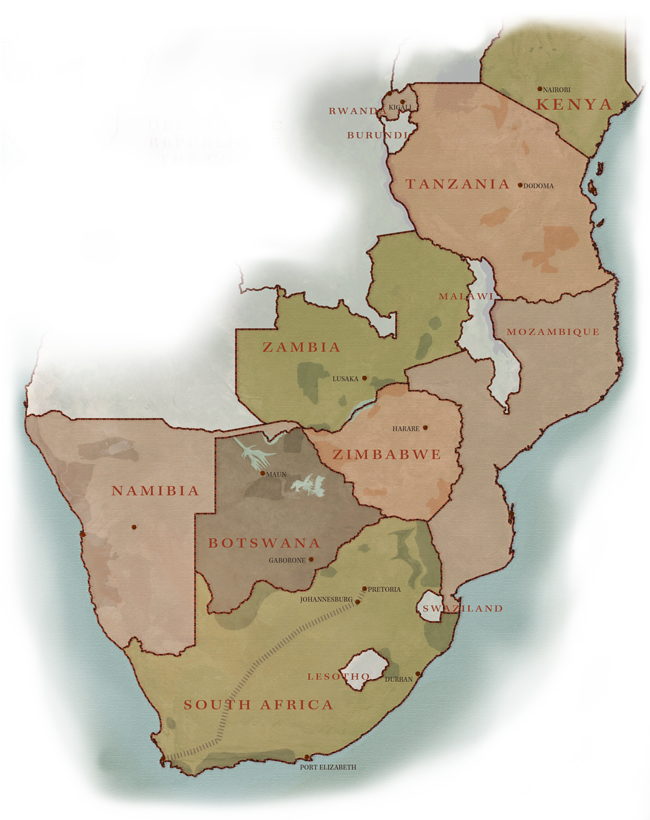
| Lodge | Country | Key Sustainable Features | | :--- | :--- | :--- | | Segera Retreat | Kenya | Located in the Laikipia Plateau, Segera is a leader in the "4C" philosophy (Conservation, Community, Culture, and Commerce). It operates within a 50,000-acre private conservancy and is 100% solar-powered. The lodge actively supports the community through education and healthcare initiatives and has a strong focus on habitat restoration. | | Grootbos Private Nature Reserve | South Africa | Situated on the fynbos-covered hills overlooking Walker Bay, Grootbos is a botanical and conservation marvel. Through its non-profit foundation, it runs extensive programs in conservation research, sustainable agriculture, and community upliftment, including a football foundation and a hospitality training college for local youth. | | Chumbe Island Coral Park | Tanzania | A globally recognized model for marine conservation, Chumbe Island is a privately managed marine protected area. The lodge's eco-bungalows feature rainwater harvesting, photovoltaic energy, and composting toilets. All proceeds from tourism are reinvested into the conservation and education programs on the island. | | Bisate Lodge | Rwanda | Nestled in the natural amphitheater of an eroded volcanic cone, Bisate Lodge is a key partner in the reforestation of the area surrounding Volcanoes National Park. Guests are invited to participate in planting indigenous trees. The lodge is a joint venture with the local community, providing direct economic benefits and a powerful incentive for gorilla conservation. |
The Financial Aspect: Is a Sustainable Safari More Expensive?
It is a common perception that sustainable travel comes with a premium price tag, and in some cases, this is true. Lodges that invest in sophisticated solar power systems, advanced water treatment facilities, and pay fair wages to a large local staff will naturally have higher operating costs than those that do not. However, it's more accurate to view this not as an added cost, but as an investment in the future of the destination.
When you choose a sustainable lodge, your money is working harder. A portion of your nightly rate is a direct contribution to:
- Protecting Endangered Species: Funding anti-poaching units that protect rhinos, elephants, and other vulnerable wildlife.
- Empowering Local Communities: Paying for teachers' salaries, building new classrooms, or providing access to clean water.
- Preserving Critical Habitats: Leasing land from local communities to create wildlife corridors and expand protected areas.
> Traveler's Tip: Value Beyond the Price Tag > Instead of focusing solely on the nightly rate, consider the all-inclusive value offered by many high-end sustainable lodges. These rates often include not just your accommodation and meals, but also expert-guided game drives, walking safaris, cultural visits, and sometimes even drinks and laundry. When you factor in the unparalleled access to pristine, low-crowd wilderness areas, the value proposition becomes much clearer. For a detailed breakdown of potential expenses, explore our safari cost calculator.
By choosing a sustainable safari, you are actively participating in a model of tourism that ensures these incredible wild places will be around for generations to come. It transforms your vacation from a passive experience into a meaningful contribution. To begin crafting your own conservation-focused journey, plan your safari with the guidance of our expert safari operators.
Need Expert Safari Guidance?
Get expert advisory support from a firm founded by a former safari guide — with real operational knowledge across 9 African countries and full-journey accountability.
Related Planning Guides
Recommended Reading
 Safari Planning Guides
How to Choose Between a Lodge Safari and Camping Safari
Discover how to plan your dream safari with our expert guide on How to Choose Between a Lodge Safari and Camping Safari. Get tips on destinations, costs, and more.
 Safari Planning Guides
Safari Planning Guide for First-Time Travelers
Discover how to plan your dream safari with our expert guide on Safari Planning Guide for First-Time Travelers. Get tips on destinations, costs, and more.
 Safari Planning Guides
Safari Planning Guide for Returning Travelers
Discover how to plan your dream safari with our expert guide on Safari Planning Guide for Returning Travelers. Get tips on destinations, costs, and more.
 Safari Comparison Articles
Lodge Safari vs Tented Camp Safari
An in-depth comparison of Lodge Safari vs Tented Camp Safari to help you choose the perfect safari experience. Explore the pros, cons, and key differences to ma
 Safari Comparison Articles
Tree House Safari vs Ground Lodge Safari
An in-depth comparison of Tree House Safari vs Ground Lodge Safari to help you choose the perfect safari experience. Explore the pros, cons, and key differences
 Safari Comparison Articles
River Lodge vs Bush Lodge Safari
An in-depth comparison of River Lodge vs Bush Lodge Safari to help you choose the perfect safari experience. Explore the pros, cons, and key differences to make