

Discover how responsible safari operators can empower local communities and how you can choose an operator that makes a positive impact.
The Importance of Community-Based Tourism
Responsible tourism is not just about protecting wildlife; it is also about supporting the local communities that live alongside the wildlife. When local communities benefit from tourism, they are more likely to support conservation efforts. Community-based tourism can provide a sustainable source of income and create opportunities for education, healthcare, and infrastructure development. Our safari operators can help you find operators that are committed to community empowerment.
How Safari Operators Can Make a Difference
Safari operators can support local communities in a variety of ways. Many operators employ staff from local communities, providing them with stable jobs and valuable skills. Some operators also partner with local communities to develop tourism enterprises, such as cultural villages or craft markets. This allows the community to have a direct stake in the tourism industry and to share in its benefits. For more on this topic, visit our knowledge center.
Still researching? Let us help.
Our advisory team has planned safaris across 9 African countries. We can turn your research into a real plan.
Talk to an AdvisorChoosing an Operator with a Community Focus
When choosing a safari operator, look for one that has a strong commitment to community development. Ask the operator about their community projects and how they involve local people in their operations. Look for operators that have long-term relationships with the communities in which they work and that are transparent about their community development initiatives. By choosing an operator with a community focus, you can help to ensure that your safari has a positive and lasting impact. Use our cost calculator to see how your safari can benefit local communities.
How You Can Contribute
As a traveler, you can also support local communities during your safari. You can buy souvenirs from local artisans, visit community-run projects, and be respectful of local customs and traditions. Some operators may also offer opportunities for you to volunteer or make a donation to a local community project. By being a responsible and respectful visitor, you can help to create a positive and meaningful exchange between tourists and local communities. For more ideas, explore our destinations page.
The Deeper Connection: Why Community Empowerment is Essential for Conservation
Supporting local communities is not just a feel-good add-on to a safari; it is a critical component of sustainable conservation in Africa. For decades, the traditional model of conservation often involved excluding local people from protected areas, leading to resentment and conflict. When communities living alongside wildlife do not see the economic benefits of its existence, they have little incentive to protect it. This can lead to an increase in poaching, habitat destruction, and human-wildlife conflict.
A modern, responsible safari operator understands that the future of Africa’s wildlife is inextricably linked to the well-being of its people. By creating economic opportunities and tangible benefits for local communities, these operators transform them into powerful allies for conservation. When a community benefits from tourism, they become the first line of defense for the wildlife and the ecosystem they share. This is the core principle of community-based conservation, a model that is now widely recognized as the most effective long-term strategy for protecting Africa's natural heritage.
> Expert Insight: The success of community-based conservation hinges on a simple principle: wildlife must pay its own way. When a local community sees more value in a live elephant than in a poached one, the entire dynamic of conservation changes. This is the philosophy that guides the most forward-thinking safari operators and is a key factor we assess when recommending partners to our clients. For more information on our vetting process, contact our safari operators.
Done Reading? Let's Build Your Safari.
Skip the guesswork. Work with an advisor who has been on the ground across East and Southern Africa.
Plan With UsModels of Community Support in Action
Safari operators employ various models to support local communities, each with its unique approach and impact. Here are some of the most common and effective models you will encounter:
- Community Conservancies: This is one of the most powerful models for community-based conservation. In this model, local communities set aside a portion of their land for wildlife conservation in exchange for a share of the tourism revenue generated from that land. This creates a direct link between conservation and economic benefit. A great example of this is the Northern Rangelands Trust (NRT) in Kenya, an organization that has helped communities establish and manage their own conservancies. Many of our trusted partners operate in these conservancies, and you can explore them on our destinations page.
- Direct Employment and Skill Development: Many safari lodges and camps make it a policy to hire a significant percentage of their staff from local communities. This provides stable income and valuable skills training in hospitality, guiding, and camp management. Some operators go a step further by creating leadership development programs to empower local staff to advance into senior management roles.
- Social Enterprise and Micro-Business Support: Forward-thinking operators often invest in local social enterprises that provide goods and services to the lodge. This can range from sourcing fresh produce from local farmers to purchasing handcrafted goods from women's cooperatives for the lodge’s gift shop. This creates a ripple effect of economic empowerment that extends beyond the immediate lodge employees.
How to Identify a Socially Responsible Safari Operator
With so many operators claiming to be “eco-friendly” and “community-oriented,” it can be challenging to distinguish genuine commitment from clever marketing. Here are some key questions to ask and factors to consider when choosing a safari operator:
- Transparency: A responsible operator will be transparent about their community and conservation initiatives. Look for detailed information on their website, in their brochures, or ask them directly. Vague statements like “we support the local community” are a red flag. Ask for specifics: what percentage of their staff is local? Which community projects do they support, and how?
- Fair Wages and Working Conditions: Inquire about the operator's employment practices. Do they pay fair wages? Do they provide benefits and opportunities for advancement for their local staff? A happy and well-cared-for staff is often a good indicator of an ethical operator.
- Authentic Community Engagement: Be wary of operators that offer “poverty tourism” or staged cultural encounters. A responsible operator will facilitate genuine and respectful interactions that benefit both the traveler and the community. This could involve visiting a local school that is supported by the lodge, or a craft market where you can buy directly from the artisans.
> Traveler's Tip: Don't be shy about asking these questions. A truly responsible operator will be proud to share the details of their community work. If you're unsure where to start, our safari operators can help you find an operator that aligns with your values. You can also use our cost calculator to get a preliminary budget for your trip.
Your Role as a Responsible Traveler
As a traveler, you hold significant power to create positive change. Here are some practical ways you can contribute to local communities during your safari:
- Pack for a Purpose: Many lodges partner with the “Pack for a Purpose” initiative, which allows you to use a small amount of your luggage space to bring much-needed supplies for local schools and medical clinics. Check with your safari operator or on the Pack for a Purpose website to see if they participate.
- Support Local Artisans: When buying souvenirs, purchase them directly from local artisans or from community-owned craft markets. This ensures that the money goes directly into the hands of the people who made the goods. Avoid buying from large, commercial souvenir shops.
- Visit Community-Run Projects: Many operators can arrange for you to visit a local community project, such as a school, a health clinic, or a women's cooperative. This is a great way to learn about the local culture and see firsthand how your tourism dollars are making a difference. Always be respectful during these visits and follow the guidance of your guide.
By choosing a responsible safari operator and being a mindful traveler, you can ensure that your journey to Africa has a lasting and positive impact on both the wildlife and the people who call it home. To start planning your own impactful safari, plan your safari with us today or browse our knowledge center for more inspiration.
Need Expert Safari Guidance?
Get expert advisory support from a firm founded by a former safari guide — with real operational knowledge across 9 African countries and full-journey accountability.
Related Planning Guides
Recommended Reading
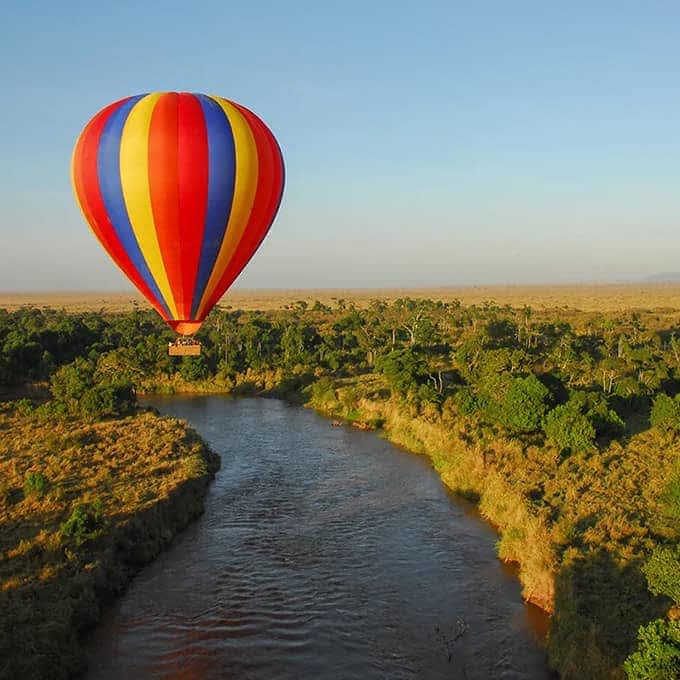 Safari Planning Guides
How to Plan a Safari That Supports Local Communities
Learn about how to plan a safari that supports local communities in this comprehensive safari guide covering key insights and practical advice.
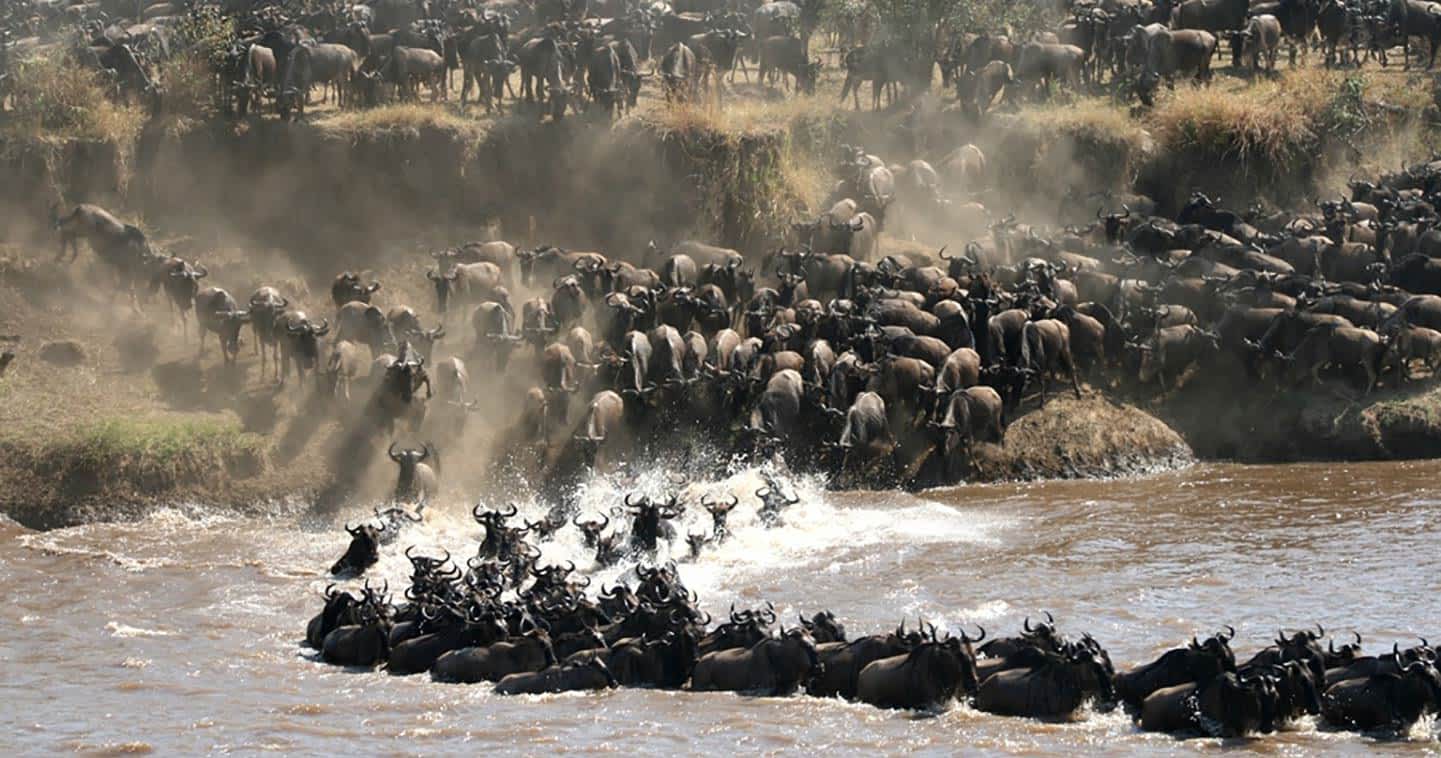 Safari Operator Articles
International Safari Operators vs Local Safari Operators
A comparison of international and local safari operators to help you decide which is the right choice for your African safari.
 Safari Operator Articles
How Safari Operators Support Conservation
Learn how responsible safari operators contribute to wildlife conservation and how you can support their efforts.
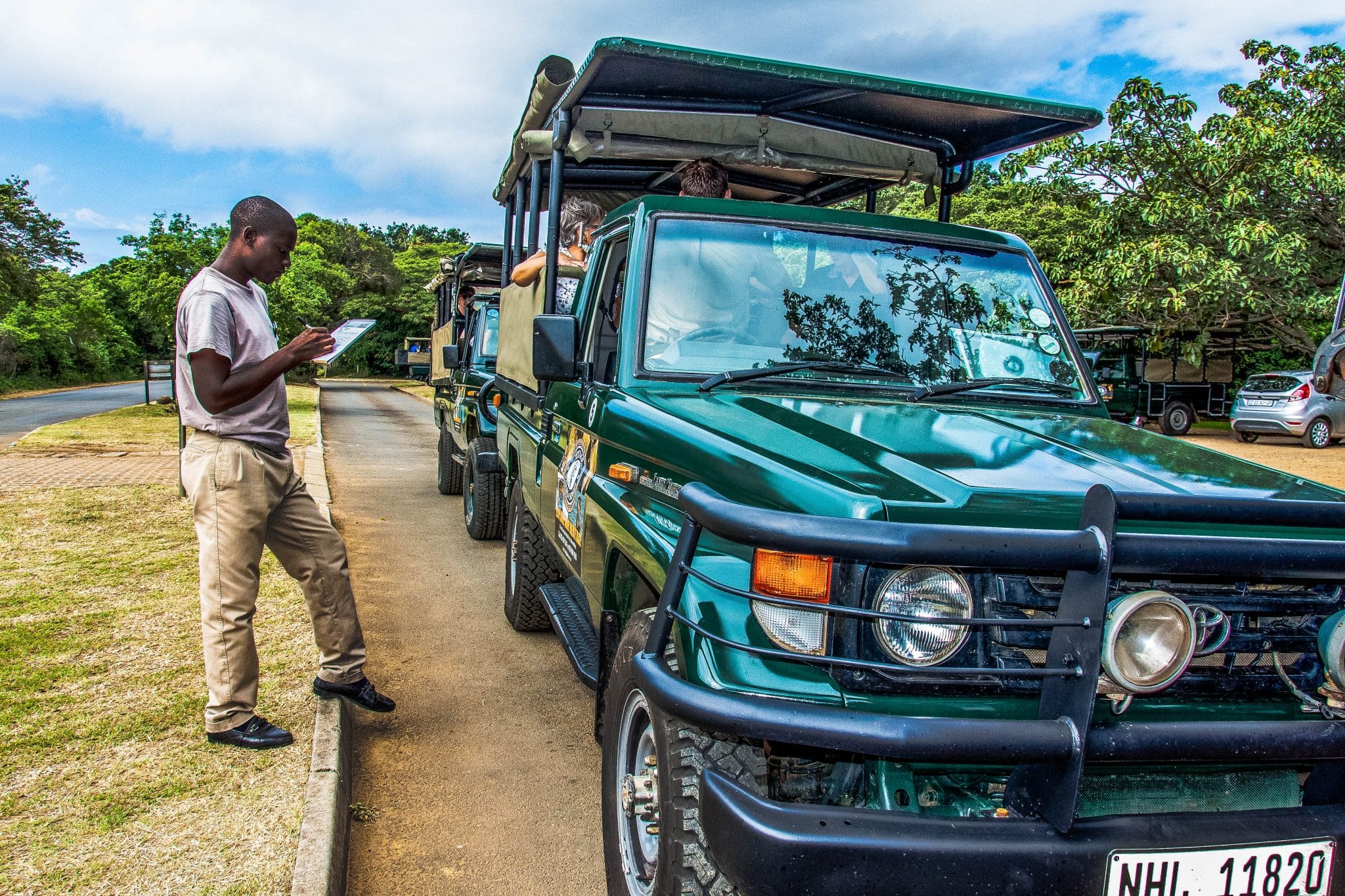 Safari Comparison Articles
Safari With International Operator vs Local Operator
An in-depth comparison of Safari With International Operator vs Local Operator to help you choose the perfect safari experience. Explore the pros, cons, and key
 Safari Cost Guides
Safari Cost Comparison International vs Local Operators
Learn about safari cost comparison international vs local operators in this comprehensive safari guide covering key insights and practical advice.
 Safari Operator Articles
Large Safari Operators vs Small Safari Operators
A comparison of large and small safari operators to help you decide which is the right fit for your African safari adventure.