
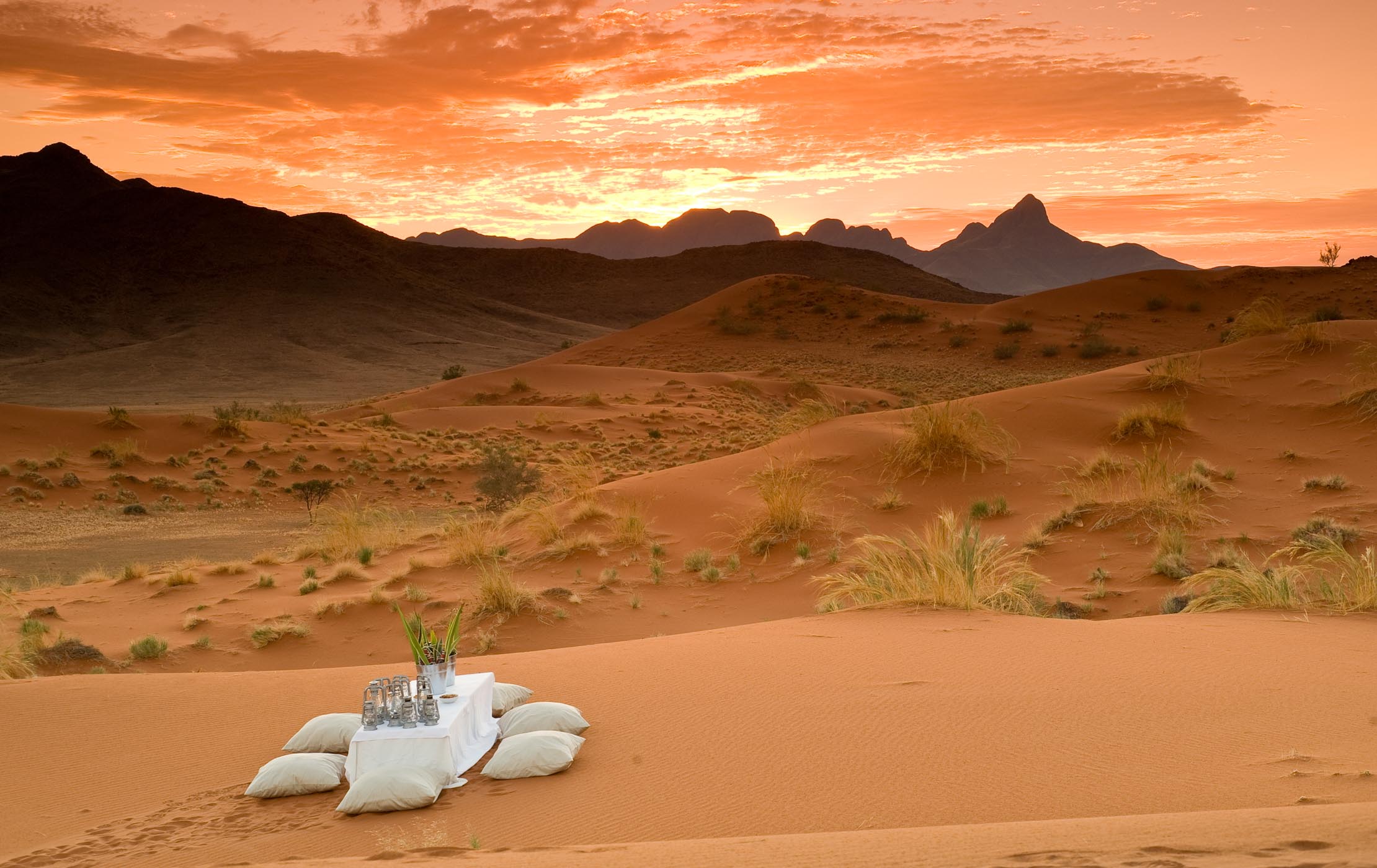
Learn about how to plan a safari for floodplain ecosystems in this comprehensive safari guide covering key insights and practical advice.
Overview
Planning a safari involves many moving parts, and how to plan a safari for floodplain ecosystems is one of the most important considerations. Whether you're a first-time visitor or a seasoned Africa traveler, this guide provides the practical knowledge you need to make informed decisions and create an unforgettable experience.
What You Need to Know
A deeper look at how to plan a safari for floodplain ecosystems reveals important connections to other aspects of safari planning. Your choice of destination, timing, accommodation, and activities all influence each other, creating a web of decisions that benefit from expert guidance. Our knowledge center covers these interconnected topics comprehensively.
Still researching? Let us help.
Our advisory team has planned safaris across 9 African countries. We can turn your research into a real plan.
Talk to an AdvisorPractical Considerations
From a practical standpoint, how to plan a safari for floodplain ecosystems requires attention to both the big picture and the small details. Start by establishing your priorities: what matters most to you on safari? Is it the wildlife, the landscape, the cultural experience, or the level of comfort? Once you've clarified your goals, use our cost calculator to understand the financial implications and our operator directory to find companies that specialize in your preferred type of experience.
Expert Perspective
Experienced safari guides and travel professionals consistently highlight the importance of how to plan a safari for floodplain ecosystems when advising clients. The consensus among industry experts is that informed travelers have better experiences, make more sustainable choices, and return home with deeper appreciation for Africa's wildlife and cultures. Our safari operators embody this philosophy, providing personalized guidance that goes beyond generic travel advice.
Next Steps
Whether you're in the early stages of dreaming about an African safari or actively finalizing your plans, understanding how to plan a safari for floodplain ecosystems contributes to a more rewarding experience. Use the resources available on Safari Intelligence, including our cost calculator, operator directory, and destination library, to build confidence in your planning decisions.
Done Reading? Let's Build Your Safari.
Skip the guesswork. Work with an advisor who has been on the ground across East and Southern Africa.
Plan With UsDeeper Dive: The Magic of Floodplain Ecosystems
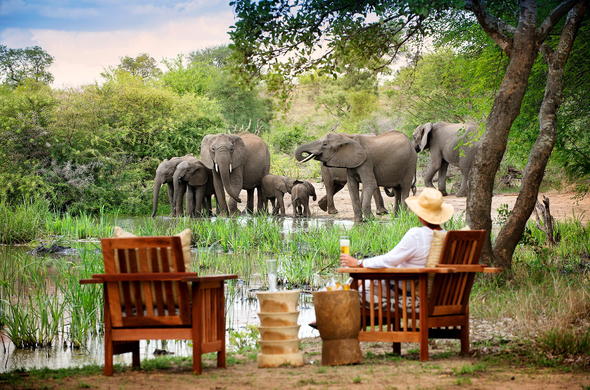
Floodplain ecosystems are among the most dramatic and life-filled landscapes in Africa. They are defined by the seasonal ebb and flow of water, which dictates the rhythm of life for countless species. Unlike static environments, floodplains are in a constant state of flux, creating a dynamic stage for some of the continent's most compelling wildlife viewing. The annual inundation, driven by distant rains, replenishes the land with nutrient-rich silt, fostering lush grasslands that attract vast herds of herbivores. This, in turn, supports a high density of predators, making for exceptional game viewing.
This cycle of flood and retreat creates a mosaic of habitats—permanent swamps, seasonal grasslands, riverine forests, and open water channels—all within a single ecosystem. This diversity of environments allows a remarkable variety of species to thrive, from water-adapted antelope like the red lechwe to specialist predators and a breathtaking array of birdlife. Understanding this ecological engine is the first step to appreciating why a floodplain safari is so unique. It’s not just about seeing animals; it’s about witnessing a grand, ancient cycle of renewal and abundance.
> Expert Insight: When planning a safari, think of floodplains as nature's ultimate pop-up restaurant. The arrival of the floodwaters is like the opening bell, triggering a massive influx of wildlife that comes to feast on the temporary bounty. Your safari timing determines whether you witness the peak of this feast or the dramatic moments of transition as the waters advance or recede.
Top Floodplain Destinations: Where to Witness the Spectacle
While many parks have river systems, only a few offer the quintessential floodplain experience on a grand scale. These are the destinations where the entire ecosystem is defined by the annual flood.
1. The Okavango Delta, Botswana
Often considered the crown jewel of floodplain ecosystems, the Okavango Delta is a UNESCO World Heritage Site and one of the largest inland deltas in the world. Fed by rains from the Angolan highlands, its floodwaters arrive months after the local rainy season has ended, creating a watery paradise during Botswana's dry season. This counter-intuitive timing makes it a magnet for wildlife seeking water and fresh grazing.
- What Makes It Unique: The sheer scale and the clarity of the water. The Delta offers a unique blend of water-based activities (mokoro and boat safaris) and traditional game drives on its many islands.
- Key Species: Look for red lechwe, sitatunga, African wild dogs, and a healthy leopard population. It is also a stronghold for elephants and buffalo.
- Best Time to Visit: June to October, when the flood is at its peak and wildlife concentrations are at their highest.
2. The Linyanti Wetlands, Botswana
The Linyanti region, north of the Okavango, is another premier floodplain destination. Its water levels are also fed by the Okavango-Linyanti river system, creating a similar dynamic of seasonal flooding. The Linyanti is known for its remote, exclusive concessions and a high density of predators.
- What Makes It Unique: The combination of floodplains, riverine forests, and dry woodlands creates a diverse landscape. It is particularly famous for its large elephant herds in the dry season.
- Key Species: Lions, leopards, wild dogs, and large herds of elephants and buffalo. The area is also excellent for birding.
- Best Time to Visit: May to October.
3. Liuwa Plain National Park, Zambia
For the safari connoisseur seeking a truly off-the-beaten-path experience, Liuwa Plain is a must. This vast floodplain in western Zambia hosts the second-largest wildebeest migration in Africa. The landscape is starkly beautiful and the sense of space is immense.
- What Makes It Unique: The sheer spectacle of the wildebeest migration arriving on the plains as the floodwaters recede. It is also home to a famous lion pride, led by the legendary Lady Liuwa for many years.
- What to Expect: This is a remote and wild destination, with a limited number of camps. The experience is raw and authentic.
- Best Time to Visit: November to December for the migration, or May to June for lush green landscapes.
> Traveler's Tip: Don't underestimate the importance of choosing the right camp. Some camps are water-based, offering primarily boat and mokoro activities, while others are land-based, focusing on game drives. A combination of both often provides the most comprehensive floodplain experience. Our safari operators can help you select the perfect camps for your interests.
Activities: Beyond the Game Drive
A key part of the allure of floodplain safaris is the variety of activities on offer, which allow you to experience the environment from different perspectives.
- Mokoro Safaris: The quintessential Okavango Delta experience. A mokoro is a traditional dugout canoe, poled through the shallow, reed-lined channels by an expert guide. It is a silent, almost meditative way to explore the waterways, getting eye-level with tiny reed frogs and water birds. It’s less about big game and more about immersing yourself in the details of the ecosystem.
- Boating Safaris: In the deeper channels and rivers, motorboats allow you to cover more ground. This is an excellent way to see hippos, crocodiles, and elephants drinking or swimming. It also provides a different vantage point for photography.
- Walking Safaris: On the islands and drier parts of the floodplains, guided walks are often possible. This is a chance to learn about the smaller details of the bush—tracks, plants, and insect life—from an expert guide. The thrill of encountering wildlife on foot is an unforgettable experience.
- Game Drives: Traditional 4x4 game drives remain a staple, especially in areas with a mix of floodplain and dry land. In some parts of the Okavango, vehicles are specially adapted to drive through deep water, which is an adventure in itself.
> Traveler's Tip: When booking your safari, ask about the specific activities offered at each camp. A camp that offers a mix of water and land activities will give you the most complete floodplain experience. Check our knowledge center for more articles on safari activities.
Cost & Budgeting for a Floodplain Safari
Floodplain safaris, particularly in premier destinations like the Okavango Delta, are often at the higher end of the safari price spectrum. This is due to several factors: the remoteness of the camps, the logistical complexity of operating in a water-logged environment, and the exclusivity of the concessions. However, with careful planning, it is possible to experience these incredible ecosystems on a range of budgets.
- Lodge & Camp Tiers: Camps are generally categorized into three tiers: luxury, mid-range, and (a few) more budget-friendly options. A luxury lodge might cost upwards of $1,500 per person per night, while a solid mid-range camp could be in the $800 - $1,200 range. These prices are typically all-inclusive of accommodation, meals, drinks, and activities.
- Green Season Travel: One of the best ways to save on a floodplain safari is to travel during the "green season" (typically November to April). While this is the rainy season, it is also a time of lush landscapes, baby animals, and dramatic skies. Many camps offer significantly lower rates during this period. The wildlife viewing is still excellent, though animals may be more dispersed.
- Mobile Safaris: For a more adventurous and often more affordable option, consider a mobile safari. These safaris move between different campsites, allowing you to experience a wider range of environments. While the accommodation is simpler (but still very comfortable), the quality of the guiding is often exceptional.
Use our cost calculator to get a more detailed estimate for your trip, and remember that our safari operators are experts at crafting itineraries that match your budget and travel style.
Need Expert Safari Guidance?
Get expert advisory support from a firm founded by a former safari guide — with real operational knowledge across 9 African countries and full-journey accountability.
Related Planning Guides
Recommended Reading
 Safari Planning Guides
Safari Planning Guide for First-Time Travelers
Discover how to plan your dream safari with our expert guide on Safari Planning Guide for First-Time Travelers. Get tips on destinations, costs, and more.
 Safari Planning Guides
Safari Planning Guide for Returning Travelers
Discover how to plan your dream safari with our expert guide on Safari Planning Guide for Returning Travelers. Get tips on destinations, costs, and more.
 Safari Planning Guides
Safari Planning Guide for Luxury Travelers
Discover how to plan your dream safari with our expert guide on Safari Planning Guide for Luxury Travelers. Get tips on destinations, costs, and more.
 Safari Planning
Step-by-Step Guide to Planning an African Safari
Learn how to plan your first African safari with our step-by-step guide. We cover everything from choosing a destination to booking your trip and packing.
 Advanced Safari Planning
Safari Permit Systems
Understand how safari permit systems in Africa fund conservation and manage tourism. Learn about park entry fees, gorilla permits, and how your travel contributes to protecting wildlife.
 Destination Guides
Best Safari Destinations for Savanna Ecosystems
Your complete guide to Best Safari Destinations for Savanna Ecosystems. Find the best destinations, planning tips, and more for your next safari adventure.