
Learn about safari stargazing equipment at lodges in this comprehensive safari guide.
Introduction
When it comes to safari stargazing equipment at lodges, experienced safari travelers know that preparation makes all the difference. Africa's diverse landscapes and ecosystems offer unique opportunities, and knowing what to expect helps you make the most of every moment on safari.
Key Details and Considerations
The most important aspects of safari stargazing equipment at lodges involve understanding local conditions, seasonal variations, and the unique characteristics of different safari regions. Each destination across Africa offers something distinct, from the Serengeti's endless plains to the Okavango Delta's waterways. Working with experienced safari operators ensures you receive guidance tailored to your specific interests and travel dates.
Still researching? Let us help.
Our advisory team has planned safaris across 9 African countries. We can turn your research into a real plan.
Talk to an AdvisorPractical Advice
For practical guidance on safari stargazing equipment at lodges, consider these expert recommendations. First, start your research early and use reliable sources like our knowledge center for up-to-date information. Second, don't underestimate the value of professional guidance, as a knowledgeable safari planning guide can save you time, money, and potential disappointment. Third, remain flexible in your planning, as Africa's natural environments are dynamic and unpredictable.
Expert Insights
Safari professionals with decades of experience note that understanding safari stargazing equipment at lodges gives travelers a significant advantage. The difference between a good safari and an exceptional one often comes down to the details, from choosing the right accommodation to timing your game drives for optimal wildlife viewing. Our safari operators bring this expertise to every consultation, helping you avoid common pitfalls and discover hidden gems.
Planning Your Next Steps
In summary, safari stargazing equipment at lodges is a multifaceted topic that rewards careful study and thoughtful planning. Whether you're a first-time safari traveler or a returning enthusiast, staying informed about the latest developments and best practices ensures the best possible experience. Explore our destinations, consult our safari operators, and use our cost calculator to begin planning your African adventure today.
Done Reading? Let's Build Your Safari.
Skip the guesswork. Work with an advisor who has been on the ground across East and Southern Africa.
Plan With UsThe Spectrum of Stargazing Setups at Safari Lodges
While many lodges in prime stargazing destinations offer some form of night sky viewing, the quality and sophistication of the equipment can vary dramatically. Understanding this spectrum is key to aligning your expectations with the reality on the ground. At one end, you have lodges that provide a simple, yet effective, setup. This typically includes a high-quality pair of binoculars (such as 10x50 or 15x70 models) and a comfortable viewing area, often around a campfire. This approach is perfect for casual observers looking to identify major constellations and enjoy the immense beauty of the Milky Way.
Moving up the scale, many mid-range and luxury lodges invest in a resident telescope. The most common type is a Dobsonian telescope, favored for its simple design and large aperture, which gathers more light and provides brighter, clearer images of deep-sky objects. You might also find Schmidt-Cassegrain or Maksutov-Cassegrain telescopes, which are more compact and offer excellent all-around performance. A lodge with this level of equipment will often have a trained staff member or a resident guide who can lead a basic stargazing session, pointing out planets, star clusters, and nebulae.
At the pinnacle of the safari stargazing experience are lodges with dedicated observatories or highly specialized equipment. These exclusive properties cater to serious amateur astronomers and those with a deep passion for the cosmos. Here, you can expect to find powerful, research-grade telescopes, often housed in a domed observatory that rotates for optimal viewing. These setups may include computerized tracking systems, allowing for long-exposure astrophotography and the observation of faint, distant galaxies. Some even offer specialized equipment like Hydrogen-alpha solar telescopes for safe and spectacular daytime viewing of the sun's surface.
> Expert Insight: When choosing a lodge for a stargazing-focused safari, don't hesitate to inquire about the specifics of their equipment. Ask for the make and model of their primary telescope, the availability of trained astronomy guides, and whether they offer any specialized programs. A lodge that is serious about stargazing will be proud to share these details. For personalized recommendations, connect with our safari operators who have first-hand knowledge of the best-equipped lodges.
Prime Destinations for Celestial Safaris
Certain regions in Africa are world-renowned for their dark, unpolluted skies, making them exceptional destinations for a stargazing safari. The Namib Desert in Namibia is arguably the most famous of these. As one of the darkest accessible places on Earth, the NamibRand Nature Reserve was designated Africa's first International Dark Sky Reserve. Lodges here, such as &Beyond Sossusvlei Desert Lodge, often feature state-of-the-art observatories and resident astronomers, offering an unparalleled celestial experience.
Botswana's Makgadikgadi Pans and the Kalahari Desert also provide extraordinary stargazing conditions. The vast, flat salt pans create an uninterrupted 360-degree horizon, making you feel as if you are suspended in a bowl of stars. The dry winter months, from May to September, offer the clearest skies. Similarly, the remote and arid landscapes of northern Kenya, particularly in the Laikipia region and Samburu National Reserve, offer minimal light pollution and a stunning celestial panorama, with the added bonus of unique northern hemisphere constellations not visible further south.
In Tanzania, the Ruaha and Serengeti National Parks, far from the lights of major cities, provide excellent opportunities. While the primary focus is often on wildlife, a night spent under the vast Serengeti sky is a profound experience. For those traveling to Southern Africa, the Cederberg Mountains in South Africa are another designated Dark Sky Reserve, offering a different landscape for your astronomical pursuits. Explore our destinations page to learn more about the unique attractions of each region.
Beyond the Telescope: Maximizing Your Night Sky Experience
A memorable stargazing safari isn't solely dependent on powerful telescopes. With a few simple tools and techniques, you can greatly enhance your connection to the African night sky. A good pair of binoculars is an invaluable asset. They are perfect for scanning the Milky Way, revealing the dense star fields and hidden clusters within it. They also provide stunning views of the moon's craters and can even reveal the four largest moons of Jupiter.
> Traveler's Tip: Download a stargazing app to your smartphone before you travel. Apps like Star Walk 2, SkyView, or Stellarium use your phone's GPS and compass to provide a real-time, interactive map of the sky. Simply point your phone upwards, and the app will identify the stars, constellations, and planets you are looking at. Remember to switch the app to its red-light mode to preserve your night vision.
Another essential item is a headlamp with a red-light setting. White light from a standard flashlight or phone screen can ruin your night vision for up to 30 minutes, while red light has a minimal impact. This allows you to consult a star chart or adjust your equipment without losing your ability to see faint celestial objects. Finally, take the time to learn a few of the major southern hemisphere constellations before your trip. Being able to identify the Southern Cross, Scorpio, or Orion will give you a sense of familiarity and a framework for exploring the rest of the sky. Our knowledge center offers additional resources and guides to help you prepare.
The Stargazing Guide: Your Celestial Interpreter
The role of a knowledgeable guide in transforming a simple viewing into an enriching astronomical journey cannot be overstated. A great safari guide who is also passionate about astronomy acts as a bridge between you and the cosmos. They do more than just point out celestial objects; they weave together the science, mythology, and cultural significance of the stars.
A skilled stargazing guide can bring the sky to life with stories from local traditions, explaining how different cultures have interpreted the constellations for centuries. They can explain the life cycle of stars, the vast distances to galaxies, and the fascinating physics behind a supernova. They will also be adept at operating the lodge's equipment, ensuring you get the best possible views through the telescope and answering any technical questions you may have.
When planning your safari, consider inquiring about the astronomical expertise of the guiding team. Some lodges have dedicated astronomy guides, while others have safari guides who have undergone specialized training. This small detail can make a significant difference in the quality of your experience. A private safari, in particular, allows you the flexibility to dedicate entire evenings to stargazing with a guide who can tailor the session to your interests. Use our cost calculator to explore options for a private, guide-led safari and plan your safari with an emphasis on the stars.
Written & Reviewed By
Philips Okot
Former safari guide from Uganda and founder of Safari Intelligence. Philips has spent years guiding travelers across East and Southern Africa and now provides independent safari advisory services to help travelers plan with confidence.
Need Expert Safari Guidance?
Get expert advisory support from a firm founded by a former safari guide — with real operational knowledge across 9 African countries and full-journey accountability.
Related Planning Guides
Recommended Reading
 Travel Logistics
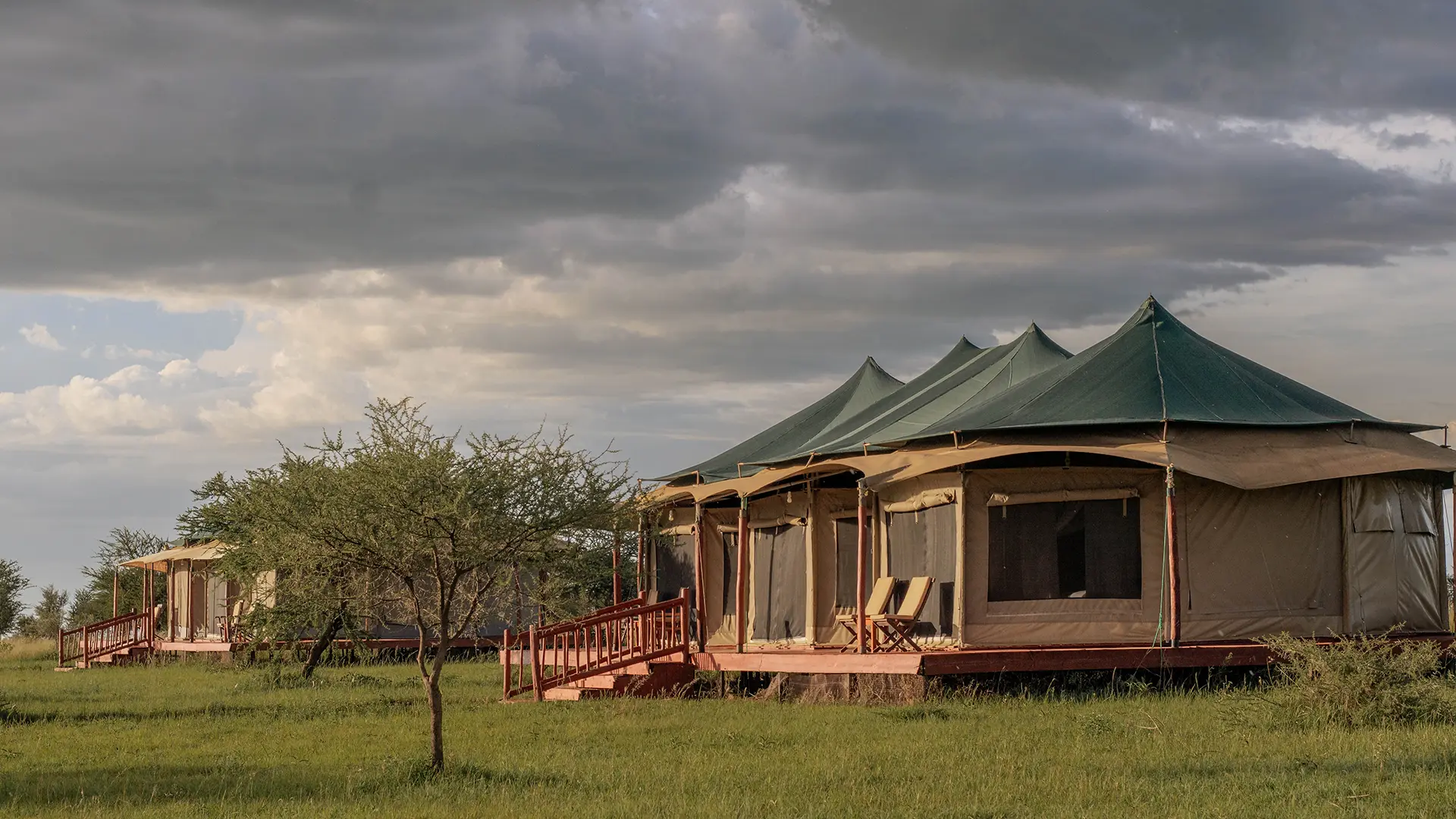
Safari Lodge Amenities Guide
From plunge pools to pizza ovens, safari lodges offer a surprising range of amenities. Our guide will help you know what to expect at your home in the bush.
 Travel Logistics
Safari Laundry Services at Lodges
Packing light for a safari is easy when you can do laundry along the way. Our guide to laundry services at safari lodges will help you keep your clothes fresh a
 Travel Logistics
Safari WiFi Availability at Lodges
Learn about safari wifi availability at lodges in this comprehensive safari guide.
 Safari Travel Tips
Safari Photography Equipment Guide
Planning a safari? Our comprehensive guide to safari photography equipment covers everything you need to know about cameras, lenses, and accessories.
 Safari Planning Guides
How to Choose Between a Lodge Safari and Camping Safari
Discover how to plan your dream safari with our expert guide on How to Choose Between a Lodge Safari and Camping Safari. Get tips on destinations, costs, and more.
 Safari Comparison Articles
Lodge Safari vs Tented Camp Safari
An in-depth comparison of Lodge Safari vs Tented Camp Safari to help you choose the perfect safari experience. Explore the pros, cons, and key differences to ma