
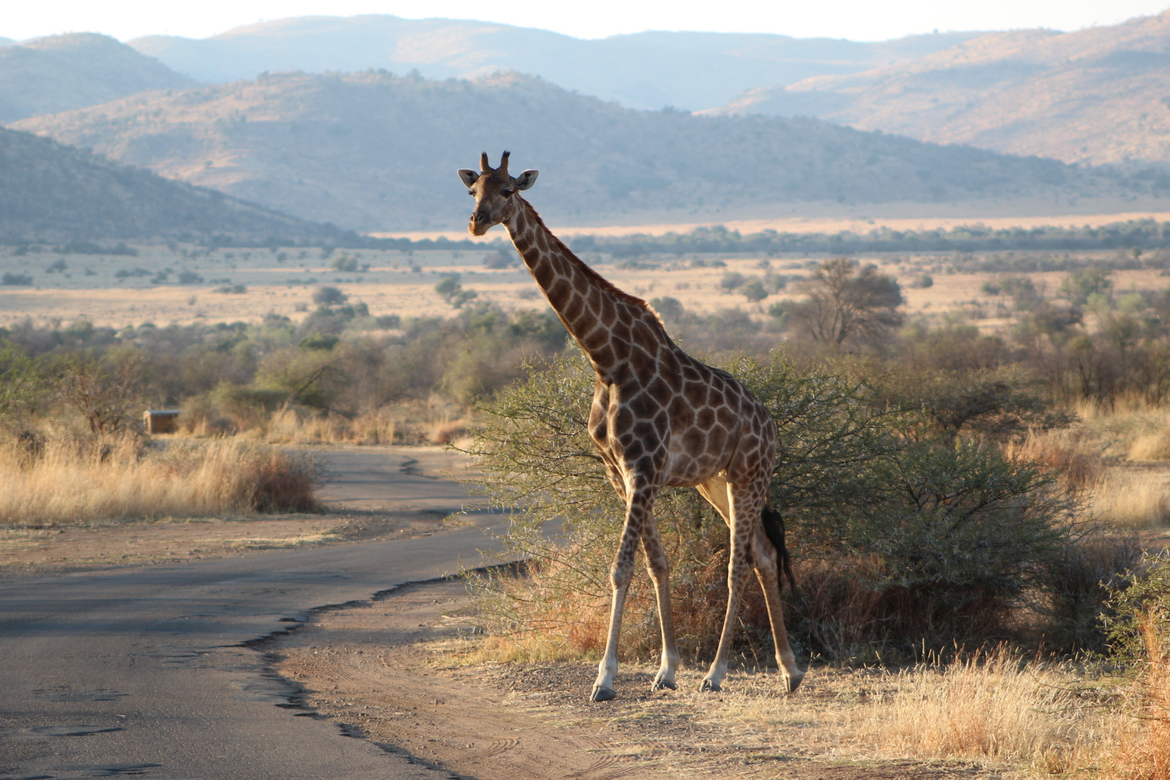
Learn about how to plan a safari for river and lake wildlife in this comprehensive safari guide covering key insights and practical advice.
Overview
Planning a safari involves many moving parts, and how to plan a safari for river and lake wildlife is one of the most important considerations. Whether you're a first-time visitor or a seasoned Africa traveler, this guide provides the practical knowledge you need to make informed decisions and create an unforgettable experience.
What You Need to Know
A deeper look at how to plan a safari for river and lake wildlife reveals important connections to other aspects of safari planning. Your choice of destination, timing, accommodation, and activities all influence each other, creating a web of decisions that benefit from expert guidance. Our knowledge center covers these interconnected topics comprehensively.
Still researching? Let us help.
Our advisory team has planned safaris across 9 African countries. We can turn your research into a real plan.
Talk to an AdvisorPractical Considerations
Implementing your understanding of how to plan a safari for river and lake wildlife means taking concrete steps during the planning process. Research thoroughly using reliable sources, compare multiple options, and don't rush your decisions. The best safari experiences are built on careful preparation and realistic expectations. Our team of safari operators can review your plans and offer suggestions based on decades of combined experience in African travel.
Expert Perspective
The safari industry's leading voices agree that how to plan a safari for river and lake wildlife is an area where knowledge truly makes a difference. As conservation challenges evolve and tourism patterns shift, staying informed helps travelers make choices that benefit both their experience and the destinations they visit. Browse our operator directory to connect with companies that share this commitment to informed, responsible travel.
Next Steps
As you continue planning your African safari, keep how to plan a safari for river and lake wildlife in mind as an important piece of the puzzle. The more you understand about the various aspects of safari travel, the better positioned you'll be to create an experience that exceeds your expectations. Explore our destinations, browse the knowledge center, and connect with our safari operators to take the next step in your journey.
Done Reading? Let's Build Your Safari.
Skip the guesswork. Work with an advisor who has been on the ground across East and Southern Africa.
Plan With UsTop Destinations for River and Lake Safaris
When planning a safari focused on aquatic ecosystems, certain destinations stand out for their exceptional river and lake experiences. The Okavango Delta in Botswana is arguably the world's most famous inland delta, offering unparalleled opportunities for mokoro (traditional canoe) excursions and boat safaris to see elephants, hippos, and a rich diversity of birdlife. The delta's channels and floodplains create a unique environment where water-based game viewing is the primary activity.
Another prime location is the Chobe River in Botswana, particularly the Chobe National Park waterfront. It is renowned for having one of the largest concentrations of elephants in Africa, which frequently come to the river to drink and play. A sunset boat cruise on the Chobe provides spectacular photographic opportunities. In Tanzania, the Selous Game Reserve (now Nyerere National Park) is home to the mighty Rufiji River, where you can embark on multi-day boat safaris, spotting crocodiles, hippos, and a variety of animals along the banks.
A Case Study: The Lower Zambezi
For a practical example, consider a safari in Zambia's Lower Zambezi National Park. Here, the Zambezi River creates a stunning backdrop for wildlife viewing. A typical day might start with a morning game drive and end with an afternoon canoe safari. Paddling quietly along the channels allows for intimate encounters with wildlife without the noise of a vehicle. You can drift past herds of elephants drinking at the water's edge, watch buffalo graze on the floodplains, and spot elusive leopards resting in the trees along the riverbank. This combination of land and water-based activities provides a holistic and immersive safari experience that highlights the importance of river ecosystems.
Comparing Top River and Lake Safari Destinations
Choosing the right destination is the most critical step in planning a successful river or lake-focused safari. While the Okavango, Chobe, and Zambezi are premier choices, they offer distinctly different experiences. Understanding these nuances is key to aligning the destination with your expectations. Below is a detailed comparison to guide your decision-making process.
| Feature | Okavango Delta (Botswana) | Chobe Riverfront (Botswana) | Lower Zambezi (Zambia) | | :--- | :--- | :--- | :--- | | Primary Activity | Mokoro (canoe) safaris, motorboat exploration through channels | Motorboat river cruises | Canoeing, motorboating, and catch-and-release fishing | | Key Wildlife | Elephants, hippos, crocodiles, red lechwe, sitatunga, diverse birdlife | Massive elephant herds, buffalo, hippos, crocodiles, puku | Elephants, hippos, buffalo, lions, leopards, rich birdlife | | Best Time to Visit | June to October (dry season, when floodwaters are high) | May to October (dry season, animals congregate at the river) | May to October (dry season, pleasant temperatures) | | Landscape | Labyrinth of channels, floodplains, and islands | Wide, flowing river with lush banks and adjacent woodlands | Broad river with islands, flanked by the Zambezi Escarpment | | Typical Cost | High-end (often starting at $1,000+ per person, per night) | Mid-range to High-end | Mid-range to High-end | | Insider Tip | Focus on a private concession for exclusive access and fewer crowds. | Combine with a few nights in the Savuti region for predator action. | Opt for a camp that offers both water and land-based game drives. |
Essential Activities on a Water-Based Safari
A river or lake safari offers a unique portfolio of activities that bring you closer to aquatic and terrestrial wildlife in their natural habitat. Motorboat safaris are a staple, allowing you to cover significant distances on larger rivers like the Chobe or Rufiji. These boats are stable platforms for photography and can approach large animals like elephants and hippos safely.
For a more intimate and tranquil experience, a canoe or mokoro safari is unparalleled. In places like the Okavango Delta or the Lower Zambezi, you paddle silently through narrow channels, often guided by an expert who poles the craft. This quiet approach allows for incredible, eye-level encounters with smaller creatures, basking crocodiles, and drinking mammals without the sound of an engine. It’s a peaceful, immersive way to experience the bush.
Catch-and-release fishing is another popular activity, particularly on the Zambezi and Kafue Rivers in Zambia. These waters are famous for the hard-fighting tigerfish and various species of bream. Most lodges provide tackle and expert guides who know the best spots. It offers a different pace and a chance to appreciate the river's ecosystem from another perspective. For birdwatchers, a water-based safari is a dream, providing sightings of African fish eagles, Pel's fishing owls, and vast colonies of herons and storks. You can learn more about specialized safari types in our destination guides.
Insider Tips for Your River or Lake Adventure
To make the most of your water-based safari, a few practical considerations can make a significant difference. First, packing is crucial. Bring a waterproof bag for your camera and electronics, as splashes are common. Polarized sunglasses are essential for cutting glare off the water, allowing you to see beneath the surface. For clothing, quick-drying fabrics are ideal.
Second, embrace the rhythm of the river. Wildlife activity is often highest in the early morning and late afternoon. A midday siesta or a swim at the lodge is a perfect way to wait out the hottest part of the day when animals are less active. Trust your guide’s expertise; they understand the currents, the channels, and the animal behaviors that are invisible to the untrained eye. Their knowledge is your greatest asset, a service you can explore further with our safari operators.
Finally, manage your expectations for photography. While the opportunities are spectacular, shooting from a moving boat or canoe is challenging. A faster shutter speed is necessary to avoid blur, and a zoom lens is invaluable for capturing distant subjects. Don't forget to simply put the camera down and soak in the experience. The sounds of the water, the call of a fish eagle, and the sight of an elephant silhouetted against the sunset are memories that last a lifetime.
Need Expert Safari Guidance?
Get expert advisory support from a firm founded by a former safari guide — with real operational knowledge across 9 African countries and full-journey accountability.
Related Planning Guides
Recommended Reading
 Safari Planning Guides
How to Plan a Safari for Wildlife Research
Discover how to plan your dream safari with our expert guide on How to Plan a Safari for Wildlife Research. Get tips on destinations, costs, and more.
 Safari Planning Guides
How to Plan a Safari for Wildlife Photography Beginners
Learn about how to plan a safari for wildlife photography beginners in this comprehensive safari guide covering key insights and practical advice.
 Safari Planning Guides
How to Plan a Safari for Experienced Wildlife Photographers
Learn about how to plan a safari for experienced wildlife photographers in this comprehensive safari guide covering key insights and practical advice.
 Destination Guides
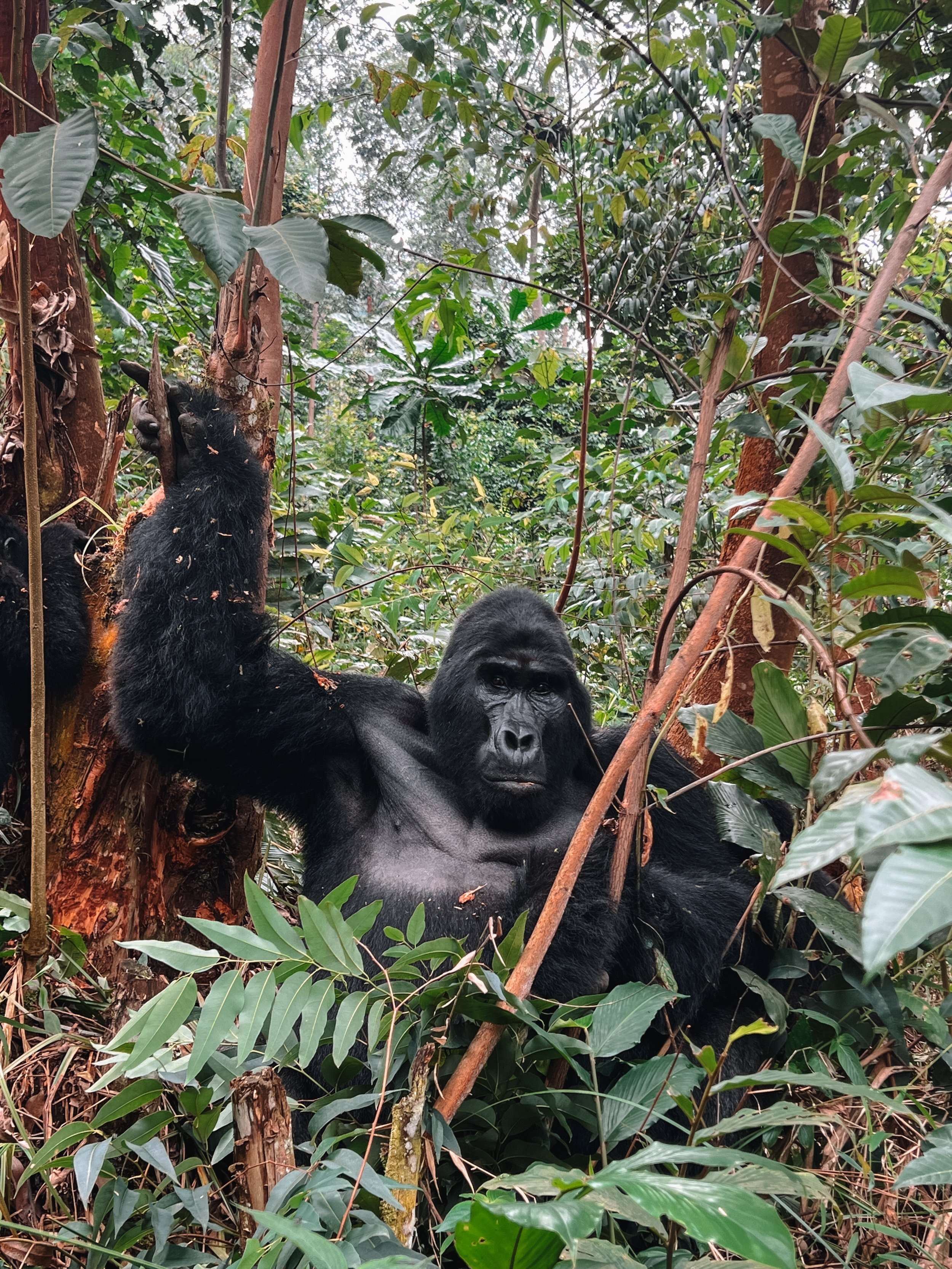
Best Safari Destinations for River Wildlife
Your complete guide to Best Safari Destinations for River Wildlife. Find the best destinations, planning tips, and more for your next safari adventure.
 Wildlife Guides
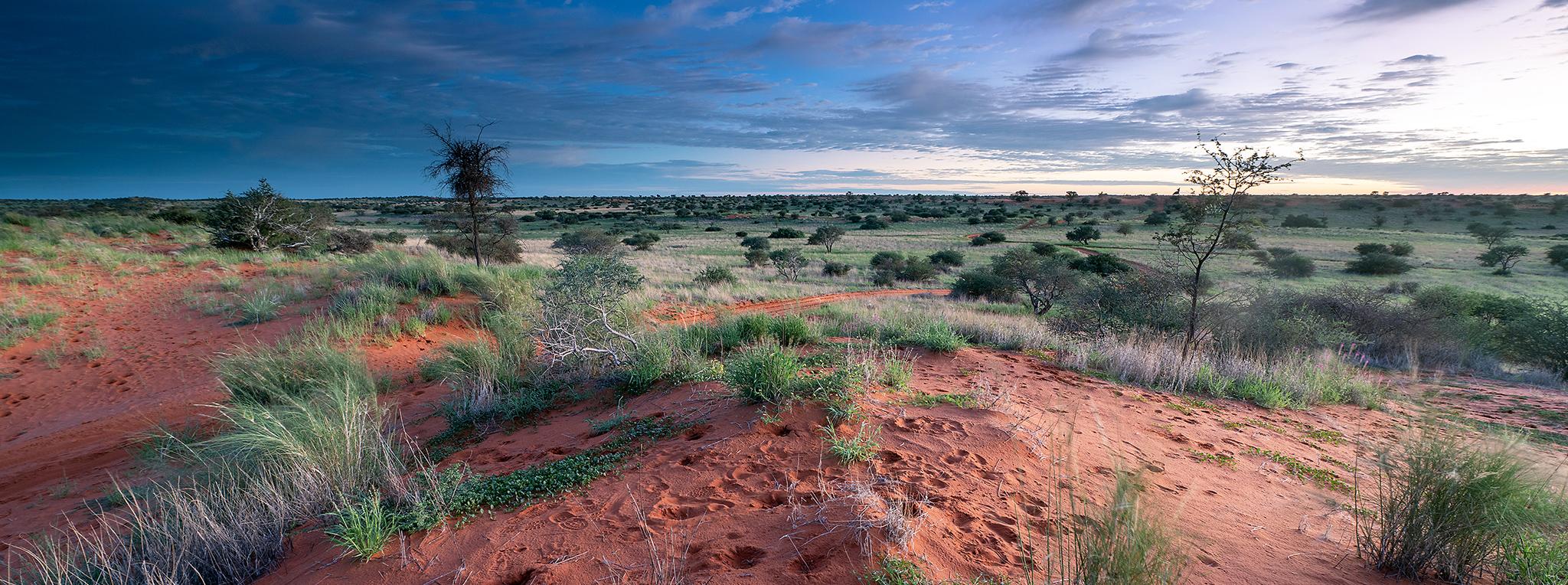
Freshwater Wildlife of African Rivers and Lakes
Comprehensive guide to freshwater wildlife of african rivers and lakes covering key species, habitats, viewing tips, and conservation status for safari traveler
 Safari Comparison Articles
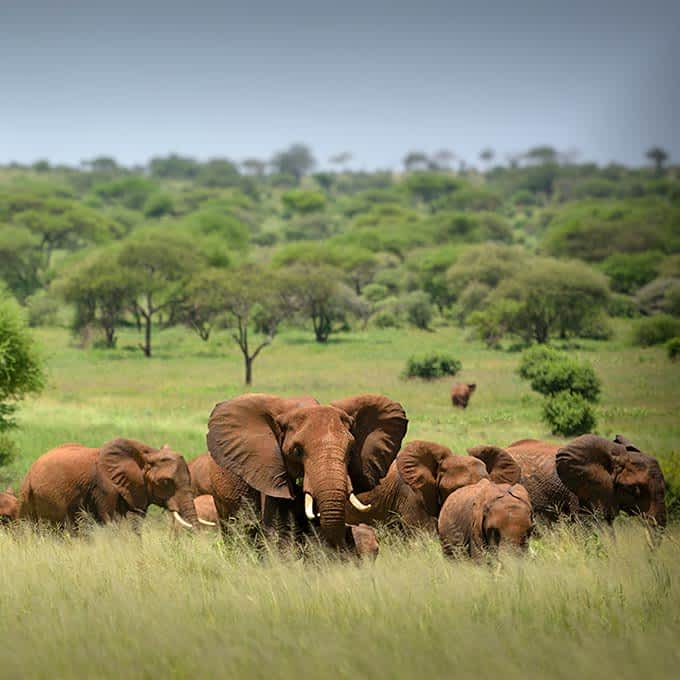
Birding Safari vs Wildlife Safari
An in-depth comparison of Birding Safari vs Wildlife Safari to help you choose the perfect safari experience. Explore the pros, cons, and key differences to mak