
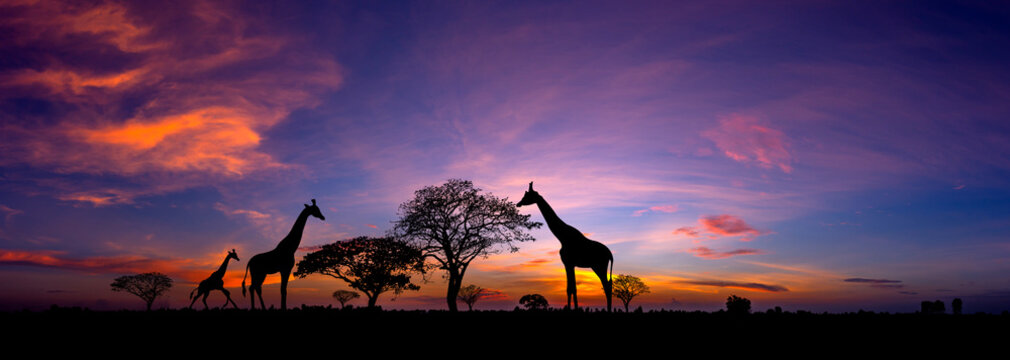
Learn about how to plan a safari for volcanic landscapes in this comprehensive safari guide covering key insights and practical advice.
Overview
Planning a safari involves many moving parts, and how to plan a safari for volcanic landscapes is one of the most important considerations. Whether you're a first-time visitor or a seasoned Africa traveler, this guide provides the practical knowledge you need to make informed decisions and create an unforgettable experience.
What You Need to Know
A deeper look at how to plan a safari for volcanic landscapes reveals important connections to other aspects of safari planning. Your choice of destination, timing, accommodation, and activities all influence each other, creating a web of decisions that benefit from expert guidance. Our knowledge center covers these interconnected topics comprehensively.
Still researching? Let us help.
Our advisory team has planned safaris across 9 African countries. We can turn your research into a real plan.
Talk to an AdvisorPractical Considerations
Implementing your understanding of how to plan a safari for volcanic landscapes means taking concrete steps during the planning process. Research thoroughly using reliable sources, compare multiple options, and don't rush your decisions. The best safari experiences are built on careful preparation and realistic expectations. Our team of safari operators can review your plans and offer suggestions based on decades of combined experience in African travel.
Expert Perspective
The safari industry's leading voices agree that how to plan a safari for volcanic landscapes is an area where knowledge truly makes a difference. As conservation challenges evolve and tourism patterns shift, staying informed helps travelers make choices that benefit both their experience and the destinations they visit. Browse our operator directory to connect with companies that share this commitment to informed, responsible travel.
Next Steps
Whether you're in the early stages of dreaming about an African safari or actively finalizing your plans, understanding how to plan a safari for volcanic landscapes contributes to a more rewarding experience. Use the resources available on Safari Intelligence, including our cost calculator, operator directory, and destination library, to build confidence in your planning decisions.
Done Reading? Let's Build Your Safari.
Skip the guesswork. Work with an advisor who has been on the ground across East and Southern Africa.
Plan With UsTop Volcanic Safari Destinations in Africa
Africa's Great Rift Valley is a treasure trove of dramatic volcanic landscapes, each offering a unique safari experience. Understanding the distinct characteristics of these destinations is the first step in planning an unforgettable journey. From the iconic craters of the Ngorongoro Conservation Area to the mist-shrouded peaks of the Virunga Mountains, here are some of the top volcanic safari destinations to consider.
The Ngorongoro Crater, Tanzania
The Ngorongoro Crater is perhaps the most famous volcanic caldera on Earth and a UNESCO World Heritage Site. This massive, unbroken crater is over 2,000 feet deep and covers 100 square miles, forming a natural amphitheater for wildlife. The crater floor is a microcosm of East African savanna, home to an extraordinary concentration of animals, including the Big Five. The permanent water sources and lush grasslands support a resident population of over 25,000 large mammals.
Expert Insight: While the crater floor offers phenomenal game viewing, the crater rim provides a different perspective. The lodges perched on the rim offer breathtaking views, but be prepared for cooler temperatures, especially in the evenings. For a more exclusive experience, consider visiting during the shoulder seasons (April-May and November) when there are fewer crowds.
Volcanoes National Park, Rwanda
Nestled in the heart of the Virunga Mountains, Volcanoes National Park is a sanctuary for the endangered mountain gorilla. The park encompasses five of the eight major volcanoes in the Virunga Massif, including Karisimbi, the highest peak. Trekking through the dense bamboo forests to encounter a gorilla family is a profound and life-changing experience. The park is also home to golden monkeys, a variety of bird species, and a rich tapestry of montane vegetation.
Bwindi Impenetrable Forest, Uganda
While not a classic volcanic cone, Bwindi Impenetrable Forest lies on the edge of the Albertine Rift, a branch of the East African Rift. Its rugged terrain is a product of ancient volcanic activity. Bwindi is home to roughly half of the world's remaining mountain gorilla population, and gorilla trekking here is a highlight of any Ugandan safari. The forest's immense biodiversity also includes chimpanzees, L'Hoest's monkeys, and a dazzling array of butterflies.
Mount Kilimanjaro, Tanzania
Africa's highest peak, Mount Kilimanjaro, is a dormant volcano that offers a different kind of safari – a trekking adventure. While not a traditional wildlife destination, the journey to the summit takes you through five distinct climate zones, from lush rainforest to alpine desert and the icy summit. The sense of accomplishment upon reaching Uhuru Peak is unparalleled, and the views from the "Roof of Africa" are simply breathtaking. For those not wishing to summit, the lower slopes and surrounding national park offer beautiful walks and the chance to see colobus monkeys and other forest dwellers.
Traveler's Tip: Combining a Kilimanjaro climb with a classic wildlife safari in the Serengeti or Ngorongoro Crater is a popular option. This allows you to experience the best of both worlds – the thrill of the climb and the magic of a Big Five safari. Our safari operators can help you craft the perfect itinerary.
Wildlife Adaptations in Volcanic Regions
The unique geology and microclimates of volcanic landscapes have given rise to fascinating wildlife adaptations. In the Ngorongoro Crater, the enclosed nature of the caldera has led to a high density of predators and a resident lion population with a unique social structure. The mineral-rich volcanic soils support nutritious grasses, which in turn support a large and healthy herbivore population.
In the Virunga Mountains, mountain gorillas have adapted to the high altitude and cool temperatures with thicker fur than their lowland counterparts. Their diet consists mainly of the lush vegetation found on the volcanic slopes, including bamboo, nettles, and wild celery. Understanding these adaptations enriches the safari experience, turning it from a simple game drive into a deeper appreciation of the interconnectedness of life.
Planning Your Volcanic Safari: A Step-by-Step Guide
Planning a safari to a volcanic destination requires careful consideration of several factors. Here’s a step-by-step guide to help you plan your trip:
Best Time to Visit
The best time to visit volcanic regions depends on the specific destination and your planned activities. For gorilla trekking in Rwanda and Uganda, the dry seasons (June-September and December-February) are ideal, as the trails are less muddy and the vegetation is less dense. For the Ngorongoro Crater, game viewing is excellent year-round, but the dry season offers the most pleasant weather. Our destinations guide provides detailed information on the best time to visit each park.
Logistics and Permits
Gorilla trekking permits are in high demand and must be booked well in advance. In Rwanda, a permit costs $1,500 per person, while in Uganda, it is $700. These fees contribute directly to conservation efforts and community development projects. Our plan your safari service can assist you with securing these permits and all other logistical arrangements.
What to Pack
Packing for a volcanic safari requires versatility. You’ll need lightweight clothing for game drives, as well as warmer layers for the cool evenings and high altitudes. For trekking, sturdy hiking boots, waterproof gear, and gardening gloves (to protect your hands from thorny branches) are essential. Don't forget a good pair of binoculars, a high-quality camera, and plenty of memory cards.
Sample Itinerary: A 10-Day Volcanic Wonders Safari
To give you an idea of what a volcanic safari might look like, here is a sample itinerary that combines the best of Rwanda and Tanzania:
- Day 1-3: Arrive in Kigali, Rwanda, and transfer to Volcanoes National Park. Spend two days trekking to see mountain gorillas and golden monkeys.
- Day 4-6: Fly to Tanzania and transfer to the Ngorongoro Conservation Area. Spend two days exploring the Ngorongoro Crater and the surrounding highlands.
- Day 7-9: Journey to the Serengeti for a classic Big Five safari, witnessing the Great Migration if your timing is right.
- Day 10: Depart from Kilimanjaro International Airport.
This is just a sample, and our safari operators can customize an itinerary to your specific interests and budget. You can also use our cost calculator to get an estimate for your trip.
Beyond the Volcanoes: Combining Your Safari
A volcanic safari can be the centerpiece of a longer, more diverse African adventure. Consider combining your time in the mountains with a few days on the pristine beaches of Zanzibar, a cultural tour in Ethiopia, or a visit to the majestic Victoria Falls. The possibilities are endless, and our team at Safari Intelligence is here to help you create the safari of your dreams. Visit our knowledge center for more ideas and inspiration.
Need Expert Safari Guidance?
Get expert advisory support from a firm founded by a former safari guide — with real operational knowledge across 9 African countries and full-journey accountability.
Related Planning Guides
Recommended Reading
 Destination Guides
Best Safari Destinations for Volcanic Landscapes
Your complete guide to Best Safari Destinations for Volcanic Landscapes. Find the best destinations, planning tips, and more for your next safari adventure.
 Safari Planning Guides
Safari Planning Guide for First-Time Travelers
Discover how to plan your dream safari with our expert guide on Safari Planning Guide for First-Time Travelers. Get tips on destinations, costs, and more.
 Safari Planning Guides
Safari Planning Guide for Returning Travelers
Discover how to plan your dream safari with our expert guide on Safari Planning Guide for Returning Travelers. Get tips on destinations, costs, and more.
 Safari Planning Guides
Safari Planning Guide for Luxury Travelers
Discover how to plan your dream safari with our expert guide on Safari Planning Guide for Luxury Travelers. Get tips on destinations, costs, and more.
 Safari Planning
Step-by-Step Guide to Planning an African Safari
Learn how to plan your first African safari with our step-by-step guide. We cover everything from choosing a destination to booking your trip and packing.
 Additional Safari Topics
Safari Landscape Types
Discover the diverse safari landscape types, from savannas and deserts to wetlands and forests. Learn how each ecosystem shapes your African safari adventure.