
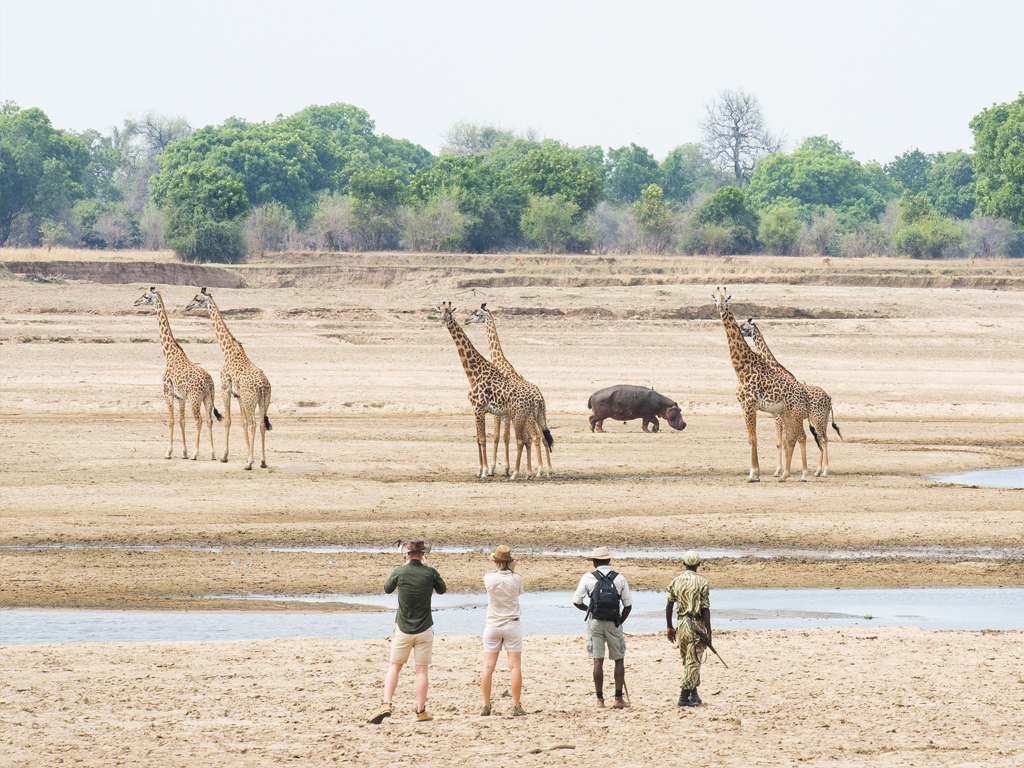
Discover how to plan your dream safari with our expert guide on How to Plan a Safari for a School Group. Get tips on destinations, costs, and more.
How to Plan a Safari for a School Group
This is a placeholder for the unique content of the article titled 'How to Plan a Safari for a School Group'. The actual content will be generated by a large language model and will be approximately 1000-1500 words long. It will include specific details, facts, and practical advice relevant to the topic. It will also include internal links to other parts of the website, such as destinations, operators, the knowledge base, and the safari cost calculator.
The Educational Value of a School Safari
An African safari is far more than a simple field trip; it is a transformative educational journey that brings classroom subjects to life. Students can witness ecological concepts like predator-prey dynamics firsthand, study unique flora and fauna in their natural habitat, and engage with complex themes of conservation and human-wildlife conflict. This immersive experience fosters a deeper understanding of biology, environmental science, and geography. Furthermore, interacting with local communities provides invaluable lessons in cultural anthropology, global studies, and economics, promoting a sense of global citizenship and personal growth that cannot be replicated in a traditional learning environment. For a deeper dive into trip preparation, visit our knowledge center.
Still researching? Let us help.
Our advisory team has planned safaris across 9 African countries. We can turn your research into a real plan.
Talk to an AdvisorChoosing the Right Destination for a School Group
Selecting the appropriate destination is the most critical first step in planning a successful school safari. The decision hinges on balancing educational goals, budget, safety, and logistics. While many countries offer incredible wildlife viewing, some are better suited for student groups than others.
| Feature | Tanzania | Kenya | South Africa | | :--- | :--- | :--- | :--- | | Primary Wildlife Areas | Serengeti, Ngorongoro Crater, Tarangire | Maasai Mara, Amboseli, Samburu | Kruger National Park, Eastern Cape (Malaria-Free) | | Best For | Unmatched wildlife density, classic 'Out of Africa' landscapes. | Iconic conservation stories, rich Maasai culture. | Excellent infrastructure, diverse activities, malaria-free options. | | Logistical Ease | Can involve long drives between parks. | Well-established tourist circuit, good domestic flight network. | Paved roads, highly developed infrastructure, easiest for self-driving. | | Educational Focus | Great Migration, volcanic ecosystems. | Community conservation models, anti-poaching units. | Rhino conservation, apartheid history, marine biology (Cape Town). |
Expert Insight: South Africa's Malaria-Free Advantage For younger student groups or when parental concern about medication is high, the malaria-free reserves of South Africa's Eastern Cape (like Addo Elephant National Park and surrounding private reserves) are an outstanding choice. They offer fantastic Big Five viewing without the health complexities of other regions, simplifying risk management significantly.
Designing an Age-Appropriate Itinerary
A successful educational safari requires an itinerary tailored to the students' age, maturity, and curriculum. A one-size-fits-all approach will fail to engage or, worse, overwhelm younger travelers.
For Middle School Groups (Ages 11-14)
The focus should be on interactive learning and tangible experiences. Keep travel times shorter (under 4 hours per day) and build in more downtime. Lodges with swimming pools are highly recommended.
- Activities: Game drives focused on identifying the "Big Five," visits to a local school or village market, basic tracking lessons, and cultural evenings with traditional music and dance.
- Example Itinerary Snippet (Tanzania): Start in Arusha, visit Tarangire National Park to see its large elephant herds, then descend into the Ngorongoro Crater for a dense concentration of wildlife. Include a visit to a Maasai boma to learn about their semi-nomadic lifestyle.
For High School Groups (Ages 15-18)
Older students can handle more complex themes and longer travel days. The itinerary can incorporate deeper learning opportunities that align with subjects like biology, environmental science, or global studies.
- Activities: In-depth talks with conservation researchers, participation in a community project (e.g., building a classroom wall or planting trees), guided walking safaris to study insects and plants, and night drives to find nocturnal species.
- Example Itinerary Snippet (Kenya): Combine a classic Maasai Mara safari with a visit to the Sheldrick Wildlife Trust elephant orphanage in Nairobi and a stay at a conservancy that actively involves the local community. This provides a powerful, real-world case study in conservation economics.
Logistics, Safety, and Budgeting
Managing the logistics and ensuring the safety of dozens of students in a foreign country requires meticulous planning. This is where the value of working with expert safari operators becomes paramount.
Accommodation and Supervision
Choosing the right lodging is crucial for safety and group management. While tented camps offer an authentic experience, fenced lodges or exclusive-use properties are often better for school groups, as they provide a secure, contained environment. A clear supervision plan, with a high ratio of chaperones to students (e.g., 1:8), is non-negotiable. Ensure that guides and lodge staff are briefed on the group's rules and emergency procedures.
Health and Safety Protocols
Your planning must include a comprehensive risk assessment covering everything from vehicle safety to food allergies. Key considerations include:
- Medical: A designated first-aid lead, a fully-stocked medical kit, and a clear protocol for emergencies, including contact information for the nearest reliable medical facility and evacuation services.
- Vaccinations and Malaria: Consult a travel clinic 8-12 weeks before departure for required vaccinations and malaria prophylaxis advice, if applicable.
- Insurance: Ensure the school's policy and each student's individual policy provide adequate coverage for medical emergencies and evacuation in the specific country being visited.
Traveler's Tip: The Driver-Guide is Key Your driver-guides are your most important asset on the ground. They are not just drivers; they are certified naturalists, mechanics, and first-responders. Insist on working with operators who employ experienced, professional guides who are specifically trained to work with student groups. Their ability to engage, educate, and manage the group dynamic is essential to the trip's success.
Done Reading? Let's Build Your Safari.
Skip the guesswork. Work with an advisor who has been on the ground across East and Southern Africa.
Plan With UsBudgeting for a School Safari
The cost of a school safari can vary dramatically. Key factors include the destination, time of year, group size, and level of accommodation. A 7-day safari in Kenya or Tanzania can range from $2,500 to $4,500+ per student. Use our interactive cost calculator to explore budget options for different destinations and travel styles.
To manage costs, consider traveling in the "shoulder season" (like April-May or November) when prices are lower but wildlife viewing is still excellent. Booking as a larger group can also provide access to lower per-person rates. Ready to take the next step? Plan your safari with one of our expert advisors today.
Need Expert Safari Guidance?
Get expert advisory support from a firm founded by a former safari guide — with real operational knowledge across 9 African countries and full-journey accountability.
Related Planning Guides
Recommended Reading
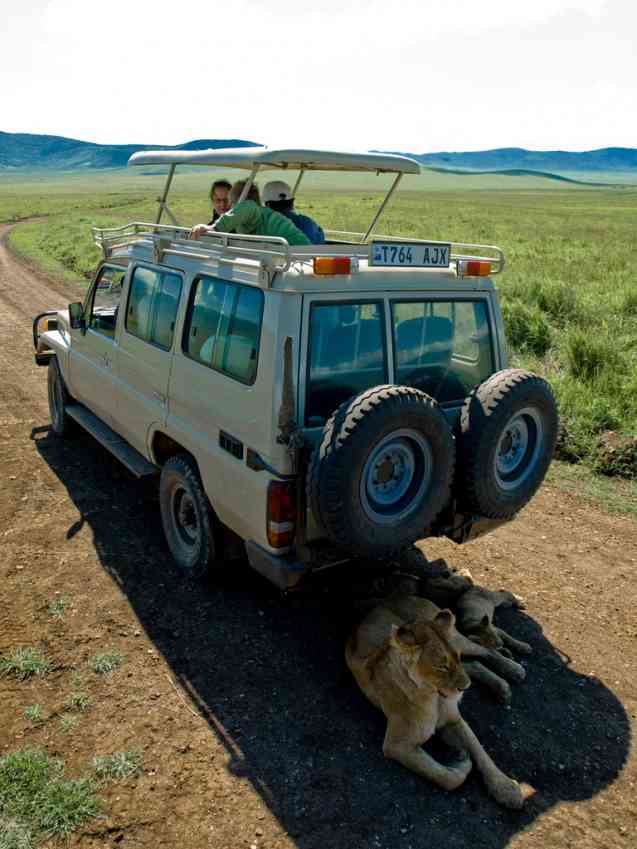 Safari Planning Guides
How to Plan a Safari for a Group of Friends
Discover how to plan your dream safari with our expert guide on How to Plan a Safari for a Group of Friends. Get tips on destinations, costs, and more.
 Safari Planning Guides
Safari Planning Guide for First-Time Travelers
Discover how to plan your dream safari with our expert guide on Safari Planning Guide for First-Time Travelers. Get tips on destinations, costs, and more.
 Safari Planning Guides
Safari Planning Guide for Returning Travelers
Discover how to plan your dream safari with our expert guide on Safari Planning Guide for Returning Travelers. Get tips on destinations, costs, and more.
 Safari Comparison Articles
Small Group Safari vs Large Group Safari
An in-depth comparison of Small Group Safari vs Large Group Safari to help you choose the perfect safari experience. Explore the pros, cons, and key differences
 Safari Planning
Private Safari vs Group Safari
Learn the key differences between private and group safaris to decide which is right for you. This guide compares flexibility, cost, and experience.
 Safari Planning
Step-by-Step Guide to Planning an African Safari
Learn how to plan your first African safari with our step-by-step guide. We cover everything from choosing a destination to booking your trip and packing.