
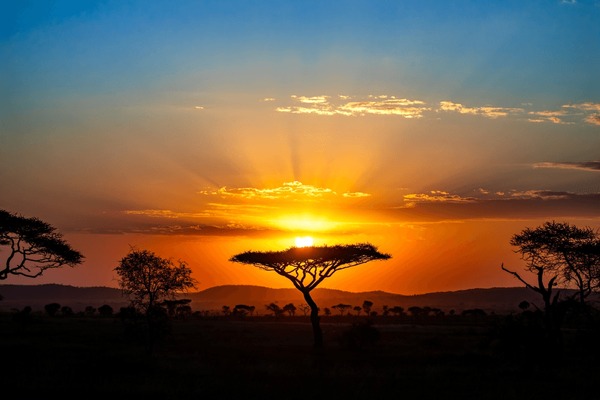
Discover how to plan your dream safari with our expert guide on How to Plan a Safari for a University Study Trip. Get tips on destinations, costs, and more.
How to Plan a Safari for a University Study Trip
This is a placeholder for the unique content of the article titled 'How to Plan a Safari for a University Study Trip'. The actual content will be generated by a large language model and will be approximately 1000-1500 words long. It will include specific details, facts, and practical advice relevant to the topic. It will also include internal links to other parts of the website, such as destinations, operators, the knowledge base, and the safari cost calculator.
_Generated by an AI model._
Aligning Academic Goals with Your Safari Experience
A university study trip is fundamentally different from a standard vacation. While the thrill of seeing a lion on the hunt or a herd of elephants at a watering hole is a powerful experience for any traveler, an academic safari must be built around specific learning objectives. The itinerary, destination, and even the style of accommodation should all be chosen to support your curriculum. Whether your focus is on wildlife biology, conservation science, anthropology, or environmental studies, the safari needs to be more than just a sightseeing tour; it must be a living laboratory.
For example, a biology department might focus on observing primate behavior in Uganda's Kibale Forest National Park, while a geology group could study the volcanic formations of the Great Rift Valley in Kenya. An anthropology course, on the other hand, might prioritize interactions with Maasai or Hadzabe communities in Tanzania to understand human-environment relationships. Clearly defining your academic goals is the critical first step that will inform every other decision in your planning process. This is where a detailed consultation with experienced safari operators can be invaluable, as they can help you match your academic requirements with the most suitable locations and activities.
> Expert Insight: Before you even start looking at maps or itineraries, draft a clear mission statement for your study trip. What specific knowledge and skills do you want your students to gain? This statement will be your guiding compass throughout the planning process and will help you filter out options that don't align with your core objectives.
Still researching? Let us help.
Our advisory team has planned safaris across 9 African countries. We can turn your research into a real plan.
Talk to an AdvisorChoosing the Right Destination for Your Study Focus
With your academic goals in mind, the next step is to select a destination that offers the best resources for your area of study. Africa is a vast continent with an incredible diversity of ecosystems, wildlife, and cultures. The ideal location for a primatology course will be very different from one focused on savanna ecology or marine biology. Here’s a comparative look at a few top destinations for academic safaris:
| Destination | Primary Academic Focus | Key Highlights & Research Opportunities | | :--- | :--- | :--- | | Tanzania | Savanna Ecology, Human-Wildlife Conflict, Paleoanthropology | Witness the Great Migration in the Serengeti, study predator-prey dynamics in the Ngorongoro Crater, and visit Olduvai Gorge, the “Cradle of Humankind.” Opportunities to interact with Maasai communities provide a rich cultural context. | | Kenya | Conservation Models, Community-Based Tourism, Anti-Poaching | Explore the diverse ecosystems of the Maasai Mara, learn about innovative conservation strategies at private conservancies like Lewa, and engage with researchers at the forefront of anti-poaching efforts. The proximity to Nairobi also allows for visits to wildlife rescue centers. | | Uganda | Primatology, Rainforest Ecology, Post-Conflict Recovery | Track mountain gorillas in Bwindi Impenetrable National Park and chimpanzees in Kibale Forest. Study the unique biodiversity of Queen Elizabeth National Park, which includes both savanna and forest habitats. The country’s history also offers a compelling case study in post-conflict recovery and its impact on conservation. | | South Africa | Wildlife Management, Veterinary Science, Marine Biology | Kruger National Park offers a highly managed environment to study wildlife populations and veterinary interventions. The Western Cape provides opportunities for marine biology research, including shark and whale studies. The country’s well-developed infrastructure can also make it an easier logistical choice for first-time group leaders. |
When making your decision, consider factors such as the political stability of the country, the accessibility of research stations or local experts, and the specific wildlife or ecosystems you need to study. Our destinations guide offers a more in-depth look at what each country has to offer, and our cost calculator can help you compare the financial implications of each option.
Logistics and Budgeting for Academic Groups
Organizing a safari for a university group involves a different set of logistical challenges than planning a family vacation. You'll be dealing with a larger group size, institutional requirements, and the need to manage a budget that is often funded by the university or through student fees. Here are some key logistical and budgeting considerations to keep in mind:
1. Group Size and Accommodation: The number of students on the trip will significantly impact your choice of accommodation and transportation. While a small group might be able to stay in intimate tented camps, a larger group will likely need to book out entire lodges or stay in accommodations designed for bigger parties. This needs to be balanced with the academic goals; a smaller group allows for more personalized interaction with guides and researchers, while a larger group can be more cost-effective.
2. Transportation: For a group, you'll need to arrange for one or more safari vehicles (typically 6-8 seaters) for game drives. If your itinerary covers a large distance, you may also need to book domestic flights between national parks to save time. When budgeting, remember to account for airport transfers and any other ground transportation required.
3. Institutional Requirements: Universities have strict procurement and risk management policies. You will likely need to work with a tour operator that is properly insured and can provide detailed risk assessments. The booking process may also be more formal, involving purchase orders and contracts. It's essential to start these conversations with your university's administration early in the planning process.
4. Budgeting for the Essentials: Your budget should be broken down into several key categories:
- Accommodation and Meals: This will be the largest portion of your budget.
- Park Fees and Permits: These fees contribute to the conservation of the parks and are non-negotiable. Gorilla and chimp tracking permits, in particular, can be expensive and must be booked far in advance.
- Transportation: Includes safari vehicles, domestic flights, and transfers.
- Guides and Experts: Budget for professional safari guides and any specialist researchers or lecturers you plan to engage.
- Insurance: Comprehensive travel and medical insurance is a must for all participants.
- Contingency Fund: Always include a buffer of at least 10-15% for unexpected expenses.
> Traveler's Tip: When comparing quotes from different operators, make sure you are comparing like for like. A seemingly cheaper quote may exclude park fees, domestic flights, or other essential costs. A detailed, all-inclusive quote from a reputable operator is always preferable. Use our cost calculator to get a preliminary estimate for your group.
Crafting an Itinerary That Balances Education and Experience
The perfect academic safari itinerary is a careful blend of structured learning activities and opportunities for students to simply immerse themselves in the experience. A schedule that is too rigid can feel like a forced march, while one that is too loose may not meet your academic objectives. The key is to create a rhythm that alternates between focused educational sessions and moments of awe and discovery.
Here’s a sample 10-day itinerary for a university group studying conservation in Kenya, designed to provide a balanced experience:
| Day | Location | Educational Activities | Experiential Highlights | | :--- | :--- | :--- | :--- | | 1-2 | Nairobi | Visit the David Sheldrick Wildlife Trust and the Giraffe Centre to learn about urban conservation efforts. Lecture on the history of conservation in Kenya. | Acclimatize to the country and enjoy a welcome dinner at a local restaurant. | | 3-5 | Lewa Wildlife Conservancy | Meet with researchers to discuss community-based conservation models and anti-poaching strategies. Track rhinos with rangers and learn about wildlife monitoring techniques. | Morning and afternoon game drives in a private conservancy with fewer crowds. Enjoy a sundowner overlooking the landscape. | | 6-8 | Maasai Mara National Reserve | Study the ecology of the Mara ecosystem and the dynamics of the Great Migration. Lecture on human-wildlife conflict and the role of the Maasai in conservation. | Witness the dramatic river crossings of the Great Migration (seasonal). Experience a hot air balloon safari for a unique perspective of the savanna. | | 9 | Lake Naivasha | Take a boat trip to study the birdlife and hippo populations. Visit Crescent Island for a walking safari and a lesson on lake ecology. | Relax by the lake and enjoy a final evening in the bush. | | 10 | Departure | Morning debrief and reflection session on the key learnings of the trip. Transfer to Jomo Kenyatta International Airport (NBO) for departure. | Last chance to buy souvenirs and say goodbye to your guides. |
This itinerary is just an example. A successful trip requires a custom-built plan that reflects your specific academic needs. The best way to achieve this is to work with a safari planning guide who can translate your learning objectives into a seamless and impactful itinerary. You can start building your own custom trip using our plan your safari tool.
Done Reading? Let's Build Your Safari.
Skip the guesswork. Work with an advisor who has been on the ground across East and Southern Africa.
Plan With UsHealth, Safety, and Ethical Considerations
Ensuring the well-being of your students is your highest priority. A safari is an adventure, but it should be a safe one. Additionally, as representatives of an academic institution, it is crucial to conduct your trip in an ethical and responsible manner.
Health and Vaccinations: Consult a travel clinic or your university's health services at least 2-3 months before your trip. Depending on your destination, you may need vaccinations for diseases such as yellow fever, typhoid, and hepatitis A. Malaria is prevalent in many safari destinations, and you will need to take prophylactic medication. Ensure all students have any personal medications they need and a basic first-aid kit.
Safety in the Bush: Wildlife is unpredictable. Always listen to your guide's instructions. Never get out of the vehicle during a game drive unless you are in a designated safe area. When staying in unfenced camps, you will be escorted to and from your tent after dark. It is this proximity to nature that makes the experience so special, but it requires a high level of respect for the environment.
Ethical Wildlife Viewing: Responsible tourism is a cornerstone of modern safaris. Your operator should adhere to strict guidelines for wildlife viewing, such as not driving off-road in national parks, not crowding animals, and never feeding them. The goal is to observe animals in their natural habitat without disturbing them.
Cultural Engagement: Many trips include visits to local communities. These should be respectful and educational exchanges, not exploitative “poverty tourism.” Work with your operator to ensure that any community visits are authentic and that the community benefits directly from your presence. Brief your students on cultural etiquette, such as asking for permission before taking photographs of people.
> Expert Insight: Before your trip, hold a mandatory orientation session for all participants covering health, safety, and ethical conduct. This not only prepares them for the journey but also sets a standard of responsible behavior that reflects well on your institution. For more in-depth information, refer to our knowledge center for articles on safari safety and ethics.
Need Expert Safari Guidance?
Get expert advisory support from a firm founded by a former safari guide — with real operational knowledge across 9 African countries and full-journey accountability.
Related Planning Guides
Recommended Reading
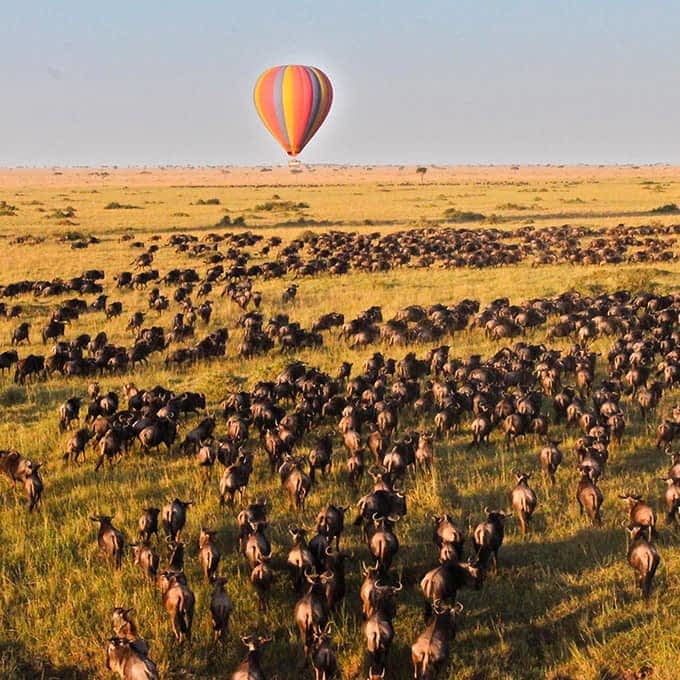 Safari Planning Guides
Safari Planning Mistakes That Ruin Trips
Discover how to plan your dream safari with our expert guide on Safari Planning Mistakes That Ruin Trips. Get tips on destinations, costs, and more.
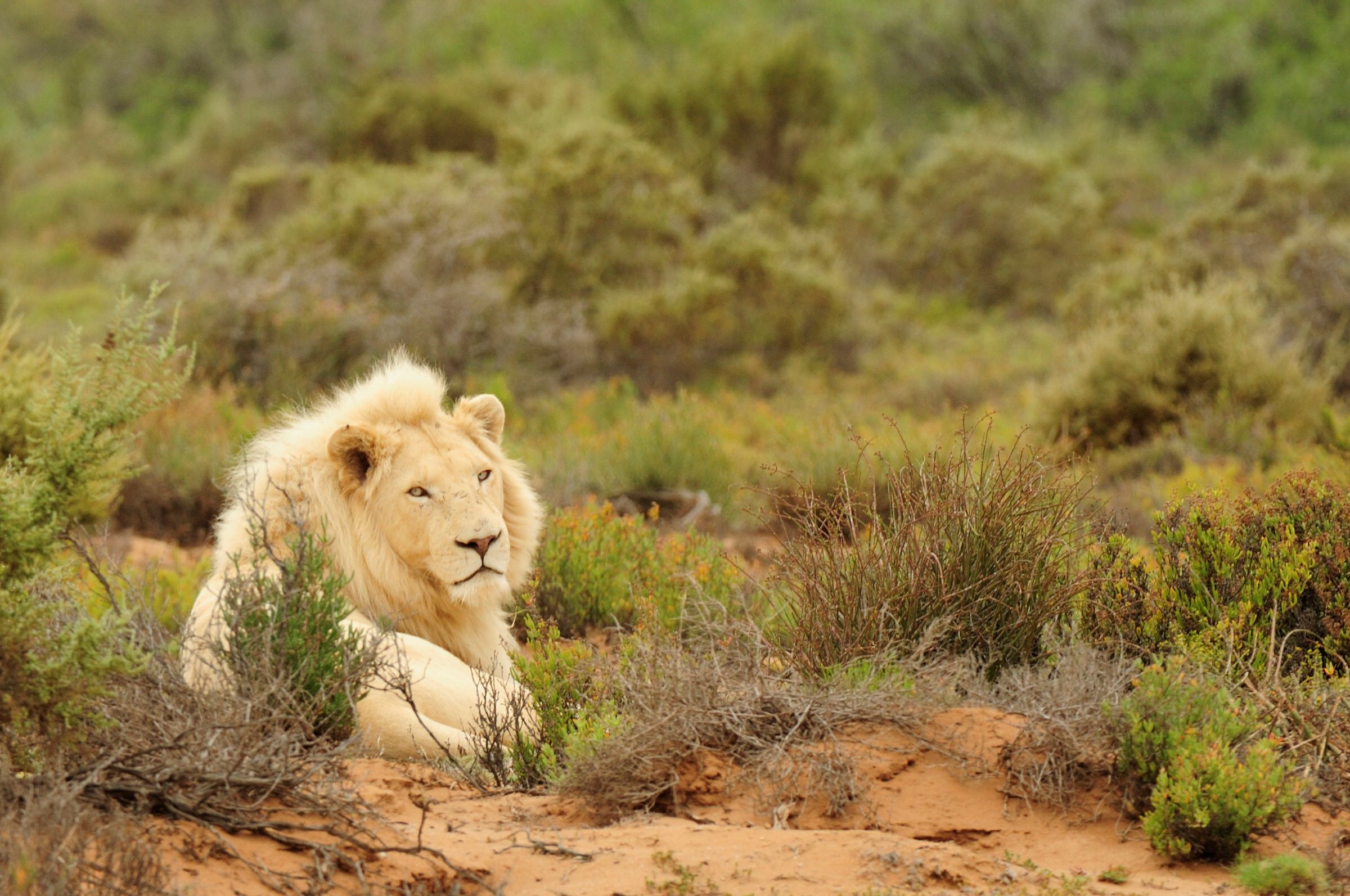 Safari Planning
Safari Planning Timeline – When to Book Your Trip
Learn the ideal safari planning timeline for booking your African adventure. Our guide covers when to book for the best lodges, prices, and experiences.
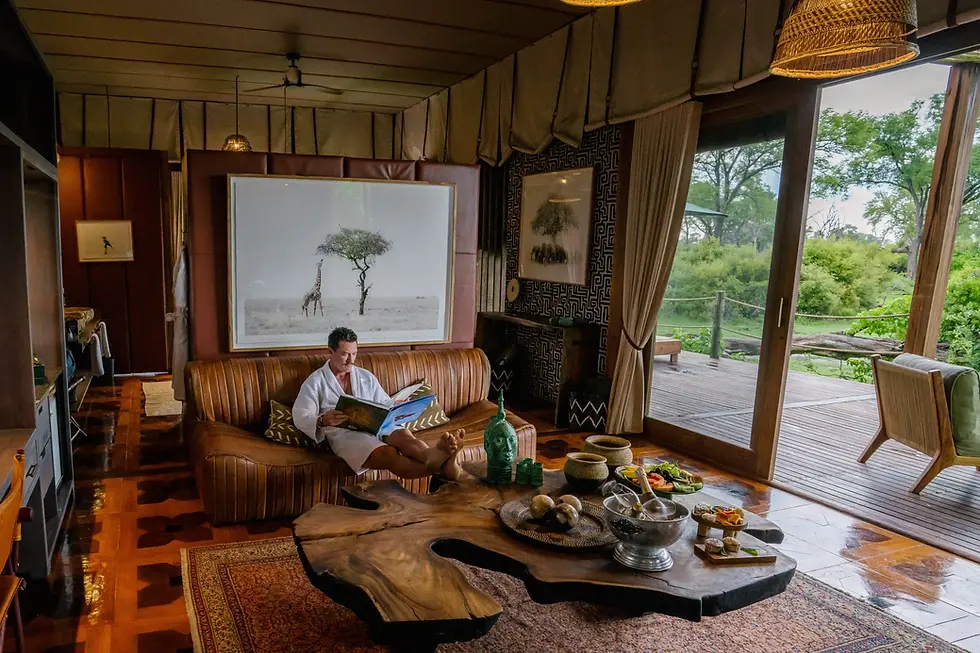 Luxury Safari Content
How to Plan a Luxury Safari Anniversary Trip
A comprehensive guide to How to Plan a Luxury Safari Anniversary Trip. Learn everything you need to know for your safari adventure.
 Safari Planning Guides
Safari Planning Guide for First-Time Travelers
Discover how to plan your dream safari with our expert guide on Safari Planning Guide for First-Time Travelers. Get tips on destinations, costs, and more.
 Safari Planning Guides
Safari Planning Guide for Returning Travelers
Discover how to plan your dream safari with our expert guide on Safari Planning Guide for Returning Travelers. Get tips on destinations, costs, and more.
 Safari Planning
Step-by-Step Guide to Planning an African Safari
Learn how to plan your first African safari with our step-by-step guide. We cover everything from choosing a destination to booking your trip and packing.