
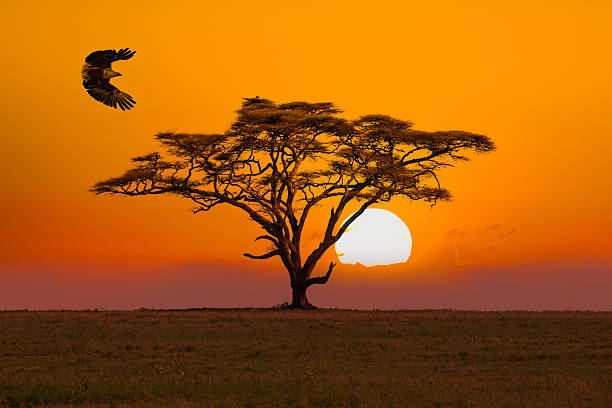
An in-depth comparison of Small Group Safari vs Large Group Safari to help you choose the perfect safari experience. Explore the pros, cons, and key differences
Small Group Safari vs Large Group Safari
Every safari destination in Africa has its own character, and small group safari vs large group safari varies accordingly. This guide helps you understand the nuances so you can make informed decisions for your specific itinerary.
Making the Most of Your Experience
Finally, remember that a safari is more than just wildlife viewing. The cultural experiences, landscapes, and personal connections you make along the way are equally valuable. Approaching small group safari vs large group safari with this broader perspective will enrich your entire journey.
Photography enthusiasts should pay special attention to small group safari vs large group safari as it relates to their equipment and technique. The lighting conditions, distances, and movement patterns of African wildlife create unique challenges and opportunities that benefit from advance preparation.
To truly optimize small group safari vs large group safari, approach your safari with an open mind and realistic expectations. Africa has a way of surprising even the most experienced travelers, and some of the best moments come from unexpected encounters and unplanned detours.
Still researching? Let us help.
Our advisory team has planned safaris across 9 African countries. We can turn your research into a real plan.
Talk to an AdvisorSafety and Health Considerations
Health preparation is an essential component of small group safari vs large group safari. Consult with a travel medicine specialist at least six weeks before your departure to discuss vaccinations, malaria prophylaxis, and other health precautions specific to your destinations.
Travel insurance that specifically covers safari activities is strongly recommended. Standard travel insurance policies may not cover all the activities and situations you might encounter on an African safari. Ensure your policy covers medical evacuation, trip cancellation, and activity-specific risks.
Safety is paramount when it comes to small group safari vs large group safari on safari. Reputable operators maintain strict safety protocols and employ experienced guides who are trained to handle a wide range of situations. Always verify that your chosen operator has proper licensing, insurance, and safety certifications.
Seasonal Factors and Timing: Small Group Safari vs Large Group Safari
Weather patterns across Africa are becoming less predictable due to climate change, which adds another layer of consideration to small group safari vs large group safari. Working with operators who have current, on-the-ground knowledge of conditions is more important than ever.
Peak season brings excellent wildlife viewing but also higher prices and more crowded parks. Shoulder seasons offer a balance of good conditions and fewer crowds. Understanding how seasonal factors affect small group safari vs large group safari helps you choose the optimal time for your specific priorities.
The timing of your safari significantly impacts small group safari vs large group safari. Dry season months, typically June through October in most East African destinations, offer different conditions than the green season months of November through May. Each period has distinct advantages and considerations.
Understanding the Fundamentals: Small Group Safari vs Large Group Safari
The foundation of small group safari vs large group safari begins with understanding the basic principles. Safari environments across Africa present unique conditions that differ significantly from what most travelers are accustomed to. In East Africa, the vast savannas of Kenya and Tanzania create one set of considerations, while the dense forests of Uganda and Rwanda present entirely different challenges. Southern African destinations like Botswana and South Africa add yet another dimension.
Experienced safari operators emphasize that preparation is the single most important factor in small group safari vs large group safari. This means doing your research well in advance, consulting with knowledgeable advisors, and being willing to adapt your plans based on current conditions. The best safari experiences come from travelers who approach their journey with both enthusiasm and informed flexibility.
Done Reading? Let's Build Your Safari.
Skip the guesswork. Work with an advisor who has been on the ground across East and Southern Africa.
Plan With UsCase Study: Group Size Impact in the Serengeti vs. Bwindi Impenetrable Forest
To illustrate the trade-offs between small and large group safaris, let's compare two iconic but vastly different African ecosystems: the open plains of Tanzania's Serengeti National Park and the dense jungle of Uganda's Bwindi Impenetrable Forest. This comparison highlights how the destination itself often dictates the ideal group size.
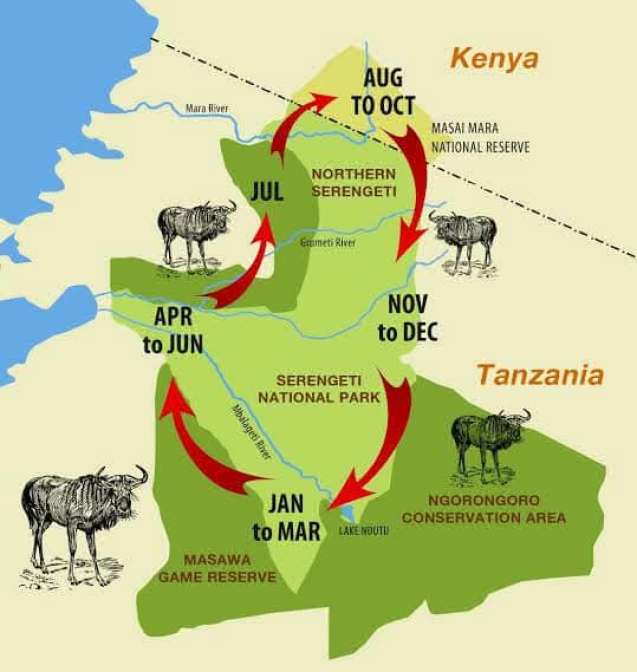
In the Serengeti, a large group safari can be a practical and cost-effective option. The immense, wide-open savannas mean that multiple vehicles can often view a wildlife sighting, such as a pride of lions on a kill, without significantly obstructing one another. For major events like the Great Migration river crossings in the northern Serengeti, a larger tour might even offer varied perspectives from different vehicles. However, for more nuanced experiences, a small group safari holds a distinct advantage. Imagine tracking a leopard resting in an acacia tree; a smaller, more maneuverable vehicle can quietly position itself for optimal photographic angles and wait patiently for the perfect shot, an experience often compromised by the competing interests and movements within a larger group.
Contrast this with gorilla trekking in Bwindi Impenetrable Forest. Here, the choice is made for you by conservation regulations. Gorilla permits are strictly limited to small groups of no more than eight people per habituated gorilla family each day. The environment itself—a dense, montane rainforest with steep trails and thick vegetation—makes a small group essential for a successful trek. A large group would be incredibly disruptive to the gorillas and nearly impossible to manage. The resulting experience is profoundly intimate; spending an hour with a mountain gorilla family is a quiet, reflective, and deeply personal encounter that is only possible due to the mandated small group size. This underscores how certain high-value wildlife experiences are structurally designed around small, low-impact tourism.
Related Resources
For more information on planning your safari, explore our destination guides, browse the safari operator directory, or connect with an experienced safari planning guide for personalized guidance.
Detailed Comparison: Small vs. Large Group Safaris
Choosing between a small and large group safari fundamentally shapes your entire experience, from the wildlife encounters you have to the people you share them with. To make the decision clearer, it helps to directly compare the key aspects of each travel style. The right choice depends entirely on your priorities, budget, and what you hope to gain from your journey.
| Feature | Small Group Safari (2-6 Guests) | Large Group Safari (10-20+ Guests) | | :--- | :--- | :--- | | Cost per Person | Higher (often $800 - $2,000+ per day) | Lower (often $300 - $700 per day) | | Flexibility | High. Itineraries can be adjusted, and you can linger at sightings. | Low. Follows a fixed schedule and must cater to the group consensus. | | Wildlife Viewing | More intimate. Fewer people mean less noise and disturbance. Everyone gets a "window seat" in a 4x4 vehicle. | Can be crowded. Sightings may be shared with many others, and views can be obstructed in a larger bus or van. | | Guide Interaction | Deep and personal. You have direct access to the guide's expertise and can ask unlimited questions. | Limited. The guide's attention is divided among many guests, making in-depth conversation difficult. | | Accommodation | Typically intimate bush camps or boutique lodges (e.g., a 10-tent camp like Namiri Plains in the Serengeti). | Often larger, hotel-style lodges with more amenities but less character (e.g., a 75-room lodge like the Serengeti Serena Safari Lodge). | | Pace of Travel | Generally more relaxed, with less time spent on logistics and more time on safari. | Can feel rushed, with fixed departure times and a schedule to keep. | | Social Dynamics | Close-knit. Ideal for families, couples, or solo travelers seeking a quiet, personal experience. | More social and structured. Good for travelers who enjoy meeting many new people from diverse backgrounds. | | Best Suited For | Photographers, seasoned safari-goers, families, and anyone seeking a deep, immersive wildlife experience. | Budget-conscious travelers, first-time safari-goers, and solo travelers looking for a social atmosphere. |
Real-World Scenarios: Cost and Experience
To put this into a real-world context, let’s compare two hypothetical 7-day safaris—one in Kenya on a large group tour and one in Botswana on a small group tour. This illustrates the dramatic differences in cost, logistics, and overall experience.
Scenario 1: The Classic Kenya Circuit (Large Group)
A popular option for first-time visitors is a road-based safari through Kenya’s most famous parks. A large group tour might include 15-20 travelers in a converted overland truck or a convoy of safari vans. The itinerary would likely cover Amboseli National Park, Lake Nakuru, and the Maasai Mara National Reserve over 7-8 days.
- Logistics: Travel is primarily by road, which can involve long driving days (e.g., 5-6 hours from Nairobi to Amboseli). Accommodation would be in large, established lodges like the Amboseli Serena Safari Lodge or Mara Sopa Lodge, which offer comfortable rooms and buffet-style dining but host many groups simultaneously.
- Experience: Game drives are conducted with a full vehicle. When a leopard is spotted, you may be one of several vans jockeying for position. The schedule is fixed, with set times for meals and activities. While efficient and social, the experience is less personal.
- Estimated Cost: $2,800 - $4,500 per person. This price point makes it an accessible way to see iconic wildlife, but it comes with trade-offs in exclusivity and flexibility.
Scenario 2: The Okavango Delta Fly-In Safari (Small Group)
In contrast, a small group safari in Botswana’s Okavango Delta offers a far more exclusive and intimate experience. This itinerary is built around flying in small Cessna Caravan aircraft between remote, unfenced camps, maximizing your time in pristine wilderness.
- Logistics: You fly from Maun directly into a private concession. Your group consists of just 4-6 guests in a single, open-sided 4x4 vehicle. You might stay at a premier camp like Vumbura Plains (operated by Wilderness Safaris) or Duba Plains Camp (Great Plains Conservation), which have fewer than a dozen tents and cater to a small number of guests.
- Experience: Your guide is one of the best in the industry. You can spend hours tracking a specific pride of lions or waiting for the perfect light to photograph a malachite kingfisher. The schedule is entirely flexible, dictated by wildlife movements and your interests. Activities might include walking safaris or exploring the delta’s channels by mokoro (traditional canoe)—experiences not possible with a large group.
- Estimated Cost: $9,000 - $16,000+ per person. The cost is significantly higher, but it delivers an unparalleled level of privacy, expert guidance, and immersive wildlife viewing. For many, this is the pinnacle of the African safari experience.
Ultimately, the choice is not about which is "better," but which is right for you. If you need guidance navigating these options, our safari operators can help you compare specific itineraries and operators to match your goals. You can also explore our destination guides to learn more about what each country offers.
Need Expert Safari Guidance?
Get expert advisory support from a firm founded by a former safari guide — with real operational knowledge across 9 African countries and full-journey accountability.
Related Planning Guides
Recommended Reading
 Safari Operator Articles
Large Safari Operators vs Small Safari Operators
A comparison of large and small safari operators to help you decide which is the right fit for your African safari adventure.
 Safari Planning
Private Safari vs Group Safari
Learn the key differences between private and group safaris to decide which is right for you. This guide compares flexibility, cost, and experience.
 Safari Planning Guides
How to Plan a Safari for a Group of Friends
Discover how to plan your dream safari with our expert guide on How to Plan a Safari for a Group of Friends. Get tips on destinations, costs, and more.
 Safari Planning Guides
How to Plan a Safari for a School Group
Discover how to plan your dream safari with our expert guide on How to Plan a Safari for a School Group. Get tips on destinations, costs, and more.
 Safari Cost Guides
Cost of a Group Safari
Planning a safari? Learn about cost of a group safari. Get expert advice and insights from Safari Intelligence to plan your perfect trip.
 Safari Cost Guides
How to Get Group Safari Discounts
Learn about how to get group safari discounts in this comprehensive safari guide covering key insights and practical advice.