
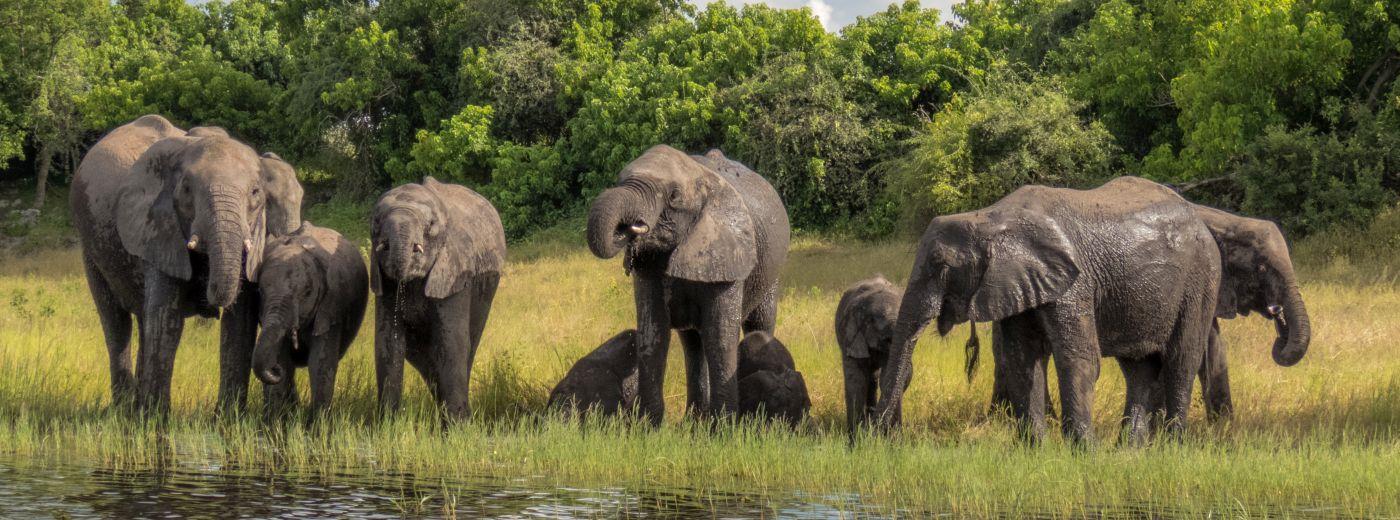
Learn about how park fee increases affect safari costs in this comprehensive safari guide covering key insights and practical advice.
Overview
Understanding the financial aspects of how park fee increases affect safari costs is essential for planning a safari that delivers exceptional value. Safari costs vary significantly based on destination, season, accommodation level, and the specific activities included. This guide breaks down the key cost factors and provides practical budgeting advice to help you plan wisely.
Detailed Analysis
Diving deeper into how park fee increases affect safari costs, it becomes clear that research and preparation pay significant dividends. The difference between a well-planned safari and a hastily arranged one often comes down to understanding the details that matter most. Our knowledge center provides comprehensive coverage of these topics, helping you build the foundation of knowledge needed for confident decision-making.
Still researching? Let us help.
Our advisory team has planned safaris across 9 African countries. We can turn your research into a real plan.
Talk to an AdvisorPractical Guidance
From a practical standpoint, how park fee increases affect safari costs requires attention to both the big picture and the fine details. Start by establishing your priorities and non-negotiables: what experiences are most important to you? What's your realistic budget range? Are there specific wildlife encounters or landscapes you're determined to see? Once you've clarified these fundamentals, use our cost calculator to model different scenarios and our operator directory to identify companies that specialize in your preferred type of experience.
Expert Insights
Industry professionals and experienced safari travelers consistently emphasize the importance of understanding how park fee increases affect safari costs before committing to a specific plan. The consensus among experts is that informed travelers not only have better experiences but also make more sustainable choices that benefit the destinations they visit. Our safari operators embody this philosophy, providing personalized guidance that goes well beyond generic travel advice.
Planning Your Next Steps
As you continue planning your African safari, keep the insights from how park fee increases affect safari costs in mind as valuable reference points. The more thoroughly you understand the various dimensions of safari travel, the better positioned you'll be to create an experience that exceeds your expectations. Explore our destinations, browse the knowledge center, and connect with our safari operators to take the next confident step in your journey.
Done Reading? Let's Build Your Safari.
Skip the guesswork. Work with an advisor who has been on the ground across East and Southern Africa.
Plan With UsDeconstructing Park Fees: Where Does the Money Go?
When you see a significant portion of your safari budget allocated to park fees, it's natural to wonder where that money is directed. Understanding the purpose behind these fees can transform your perspective from viewing them as a mere expense to seeing them as a vital contribution to conservation. The revenue generated from park entry fees is the lifeblood of wildlife protection and ecosystem management across Africa.
Primarily, these funds support:
- Conservation and Anti-Poaching Operations: A substantial percentage of park fees directly funds the salaries, training, and equipment for rangers who are on the front lines of protecting endangered species like rhinos and elephants from poachers. This includes vehicle maintenance for patrols, aerial surveillance, and intelligence gathering operations.
- Ecosystem Maintenance: Fees contribute to the upkeep of the park's infrastructure, including road maintenance, fire management, and scientific research to monitor wildlife populations and habitat health.
- Community Development: In many regions, a portion of the revenue is shared with local communities living adjacent to the parks. These programs are critical for ensuring that local people benefit directly from tourism, which in turn fosters goodwill and reduces human-wildlife conflict. These initiatives can fund schools, healthcare clinics, and clean water projects, creating a sustainable model where both wildlife and people thrive.
> Expert Insight: When you pay your park fees, you are making a direct investment in the long-term survival of Africa's iconic landscapes and the animals that inhabit them. It is one of the most direct ways that tourism supports conservation.
Case Study: Kenya's 2024-2026 Park Fee Restructuring
Kenya recently implemented one of the most significant park fee adjustments in recent memory, rolling out a new tiered structure effective from 2024 through 2026. This move by the Kenya Wildlife Service (KWS) aims to manage visitor numbers in sensitive areas, enhance the visitor experience, and generate more funds for conservation.
For example, the world-renowned Maasai Mara National Reserve saw a substantial increase. As of January 2024, the fee for non-resident adults increased to $100 per person per day during the low season (January-June) and will rise to $200 per person per day during the high season (July-December). This seasonal pricing is designed to distribute tourism more evenly throughout the year.
Other key parks were also affected:
- Amboseli and Lake Nakuru National Parks: Fees for non-resident adults increased from $60 to $90.
- Nairobi National Park: The fee for non-resident adults visiting this unique urban park increased from $43 to $80.
This restructuring underscores a global trend towards high-value, low-impact tourism. By increasing the cost of entry, Kenya aims to attract more serious travelers while reducing the environmental footprint associated with mass tourism. For travelers, this means planning further in advance and budgeting more carefully, especially for high-season travel. To navigate these changes and optimize your itinerary, it is more important than ever to work with our expert safari operators.
Contrasting Approaches: Tanzania's Fee Stability
In contrast to Kenya's aggressive fee hikes, neighboring Tanzania has taken a more measured approach. In early 2025, the Tanzania National Parks Authority (TANAPA) announced that it would freeze all park entry fees for at least 12 months. This decision provides a period of stability for both tour operators and international travelers, making it a relatively more predictable destination for budgeting in the short term.
This doesn't mean Tanzania is a "cheap" destination—far from it. The fees for premier parks like the Serengeti National Park and the Ngorongoro Conservation Area remain significant, often ranging from $70 to $82.60 per person per day. However, the freeze on increases offers a welcome reprieve for those planning a safari in the near future.
> Traveler's Tip: If your travel dates are flexible, the current fee stability in Tanzania makes it an attractive option for 2025 and early 2026. You can explore our detailed destinations guide or use our cost calculator to compare the overall costs between a Kenyan and Tanzanian safari.
Strategies to Mitigate the Impact of Rising Safari Costs
While rising park fees are an unavoidable component of safari planning, there are several effective strategies you can employ to manage your budget without compromising the quality of your experience.
- Travel During the Shoulder or Green Season: The most significant savings can be found by avoiding the peak season (typically July-October). The "green season" (often November-May) offers lush landscapes, fewer crowds, and lower prices on both accommodation and park fees in places with seasonal pricing like Kenya. This time of year is also fantastic for birdwatching and witnessing the birth of new animals.
- Book Well in Advance: Many lodges and tour operators set their prices a year or more in advance. By booking early, you can often lock in the current year's rates, protecting you from future fee increases. This is especially important for travel in 2026 and beyond.
- Explore Less-Visited Parks: While the Maasai Mara and Serengeti are world-famous, countries like Kenya and Tanzania boast a wealth of incredible, lesser-known parks with lower entry fees. Consider adding parks like Meru National Park in Kenya or Ruaha National Park in Tanzania to your itinerary. You'll be rewarded with a more intimate and unique safari experience.
- Extend Your Stay in One Area: Park fees are charged on a per-24-hour basis. Hopping between numerous parks means paying multiple entry fees. By spending more time in fewer locations, such as a combination of a national park and an adjacent private conservancy, you can reduce transit time and the number of separate fees you need to pay. Our safari operators can help you design an itinerary that minimizes unnecessary costs.
By thoughtfully planning your trip, you can enjoy a phenomenal African safari that provides great value while directly supporting the conservation of the continent's precious wildlife. To get started, plan your safari with us today.
Need Expert Safari Guidance?
Get expert advisory support from a firm founded by a former safari guide — with real operational knowledge across 9 African countries and full-journey accountability.
Related Planning Guides
Recommended Reading
 Safari Cost Guides
Cost of Safari Park Entry Fees by Country
Planning a safari? Learn about cost of safari park entry fees by country. Get expert advice and insights from Safari Intelligence to plan your perfect trip.
 Safari Cost Guides
How Exchange Rates Affect Safari Costs
Learn about how exchange rates affect safari costs in this comprehensive safari guide covering key insights and practical advice.
 Safari Cost Guides
How Fuel Prices Affect Safari Costs
Learn about how fuel prices affect safari costs in this comprehensive safari guide covering key insights and practical advice.
 Safari Costs
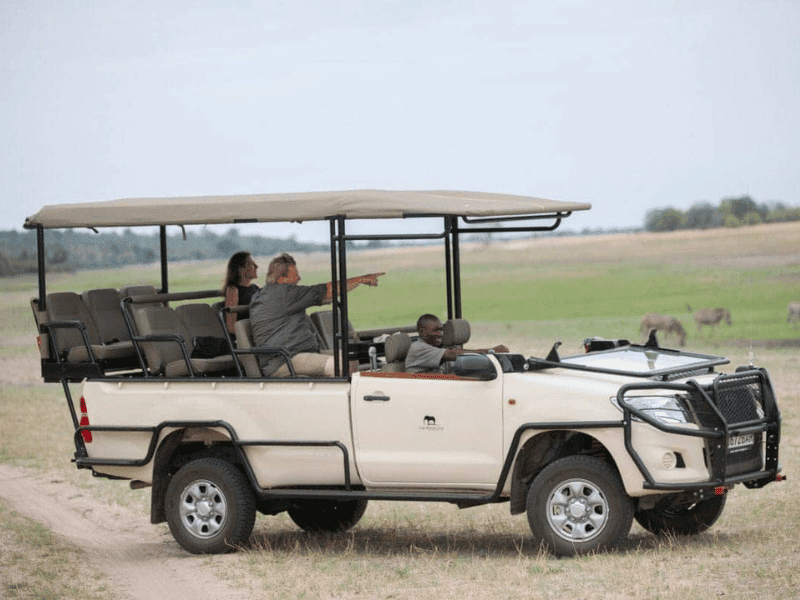
Safari Park Fees Explained
Understand safari park fees and how they contribute to conservation. This guide explains park entry costs in Africa, helping you budget for your safari.
 Safari Advisor Content
How Much Does a Safari Advisor Cost? Understanding Fees and Value
Learn how safari advisor fees work, from commission-based to flat-fee models. Understand the true value of professional guidance for planning your African safari.
 Safari Costs
Budget Safari vs Luxury Safari Costs
Discover the key cost differences between budget and luxury safaris, from accommodation and guiding to game drives and locations, to choose the right trip for you.