
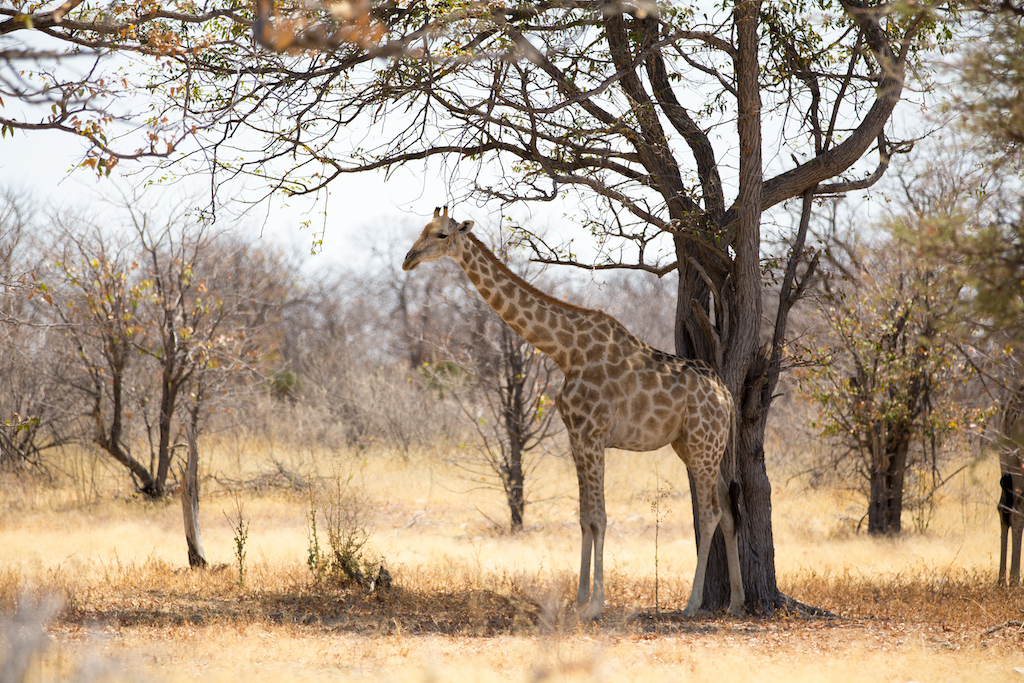
Learn about how to find safari deals and discounts in this comprehensive safari guide covering key insights and practical advice.
Overview
Understanding the financial aspects of how to find safari deals and discounts is essential for planning a safari that delivers exceptional value. Safari costs vary significantly based on destination, season, accommodation level, and the specific activities included. This guide breaks down the key cost factors and provides practical budgeting advice to help you plan wisely.
Detailed Analysis
A thorough analysis of how to find safari deals and discounts reveals nuances that many travelers overlook during initial planning. The safari industry encompasses a wide range of options, from budget-friendly camping safaris to ultra-luxury private conservancy experiences. Each tier offers its own set of advantages and trade-offs. Working with experienced safari operators can help you navigate these options and find the sweet spot that matches your expectations and budget.
Still researching? Let us help.
Our advisory team has planned safaris across 9 African countries. We can turn your research into a real plan.
Talk to an AdvisorPractical Guidance
Putting your understanding of how to find safari deals and discounts into practice means taking concrete, well-sequenced steps. Begin with thorough research using reliable sources, then compare multiple options before committing. Don't rush the decision-making process, as the best safari experiences are built on careful preparation and realistic expectations. Our team of safari operators can review your plans and offer suggestions based on years of experience in African travel.
Expert Insights
Leading safari guides and travel professionals agree that how to find safari deals and discounts is an area where knowledge creates meaningful advantages. As the industry evolves and traveler expectations shift, staying informed helps you identify genuine value and avoid common pitfalls. Browse our operator directory to connect with companies that demonstrate transparency, quality, and commitment to responsible tourism.
Planning Your Next Steps
As you continue planning your African safari, keep the insights from how to find safari deals and discounts in mind as valuable reference points. The more thoroughly you understand the various dimensions of safari travel, the better positioned you'll be to create an experience that exceeds your expectations. Explore our destinations, browse the knowledge center, and connect with our safari operators to take the next confident step in your journey.
_The following content is new and expands on the original article._
Done Reading? Let's Build Your Safari.
Skip the guesswork. Work with an advisor who has been on the ground across East and Southern Africa.
Plan With UsUnderstanding Safari Seasons: Beyond Peak and Off-Peak
When most people think of an African safari, they picture the dry, golden plains of the peak season. This is the classic safari experience, and for good reason. The dry season, which typically runs from June to October in many parts of East and Southern Africa, concentrates wildlife around scarce water sources, making for easier game viewing. However, this is also the most expensive and crowded time to travel. To find real value without compromising the quality of your experience, it’s essential to understand the nuances of the other travel seasons: the shoulder season and the "green" or low season.
| Season | Typical Months (East & Southern Africa) | Wildlife Viewing | Crowds & Cost | |---|---|---|---| | Peak (Dry) Season | June - October | Excellent; animals congregate at waterholes | High | | Shoulder Season | April - May, November | Very good; transitional weather | Medium | | Green (Low) Season | December - March | Good; lush landscapes, baby animals | Low |
Expert Insight: Don't discount the green season. While the thicker vegetation can make spotting animals slightly more challenging, it's a time of incredible renewal. You'll see a profusion of newborn animals, dramatic skies, and far fewer vehicles, offering a more intimate and personal safari experience. For photographers, the green season is a dream, with vibrant colors and stunning light.
The "Green Season" Advantage: A Secret Worth Knowing
The term "low season" is a bit of a misnomer. In the safari world, we prefer to call it the "green season" because this is when the rains transform the landscape into a lush, green paradise. This period, which generally runs from December to March, is a hidden gem for savvy travelers. While it does rain, it's often in the form of short, afternoon thunderstorms that clear up quickly, leaving behind fresh, clean air and dramatic, cloudy skies.
One of the biggest advantages of the green season is the cost. With fewer travelers, lodges and camps often offer significant discounts, sometimes as much as 40% lower than peak season rates. This can make a high-end safari suddenly much more accessible, or allow you to extend your trip for a few extra days. Our cost calculator can help you compare the price differences between seasons for your desired destinations.
But the benefits go beyond just the price. The green season is a time of abundance. With plenty of food and water, animals are healthy and active. It’s the primary birthing season for many species, so you're likely to see adorable baby zebras, wildebeest, and impalas. This, in turn, attracts predators, and the chances of witnessing a hunt are often higher during this time. For birdwatchers, the green season is unparalleled, with migratory birds arriving in their thousands.
Traveler's Tip: If you're considering a green season safari, focus on destinations with well-drained soils, such as the Serengeti in Tanzania or the Masai Mara in Kenya. These areas are less prone to flooding and offer excellent game viewing year-round. A conversation with one of our safari operators can help you pinpoint the perfect green season destination for your interests.
The Shoulder Season: A Balanced Approach
The shoulder seasons, typically April-May and November, offer a compelling middle ground. You'll find fewer crowds than in the peak season, and prices are more moderate. The weather is also in transition, offering a mix of dry and wet conditions. This can be a fantastic time to travel, as you get many of the benefits of the peak season—good game viewing, pleasant weather—without the high price tag.
In many destinations, the shoulder season coincides with unique wildlife events. For example, in Botswana's Okavango Delta, the floodwaters begin to arrive in the shoulder season, creating a stunning landscape of islands and waterways. This is a great time for water-based activities like mokoro (traditional canoe) safaris. In other areas, the end of the dry season can lead to dramatic wildlife encounters as animals compete for the last remaining resources.
Traveler's Tip: The shoulder season is a great time to consider a multi-destination safari. For example, you could combine a classic safari in a popular park with a visit to a more off-the-beaten-path destination. This can be a great way to maximize your budget and experience the diversity of Africa. Our destinations page is a great place to start exploring your options.
Actionable Strategies for Finding Safari Deals
Beyond choosing the right season, there are several other strategies you can use to find a great deal on your safari.
- Book in Advance: Many lodges and camps offer early-bird discounts for those who book their trip well in advance. This can be a great way to lock in a lower price, especially if you're planning to travel during the peak season.
- Be Flexible with Your Dates: If you have some flexibility in your travel dates, you can often find better deals. Mid-week travel is often cheaper than weekend travel, and you may be able to find last-minute deals if you're willing to be spontaneous.
- Look for Special Offers: Keep an eye out for special offers, such as "stay for 4 nights, pay for 3" deals or packages that include extras like spa treatments or guided walks. These can add a lot of value to your trip.
- Travel in a Small Group: Traveling with a small group of friends or family can often lead to significant savings. Many lodges offer group discounts, and you can also save money by sharing the cost of a private vehicle and guide.
Case Study: The Savvy Safari Planner
Let's consider a hypothetical traveler, Sarah, who wants to go on a high-quality safari in Tanzania but has a budget of $5,000 per person for a 7-day trip. By working with one of our safari operators, Sarah discovers that she can save over $2,000 per person by traveling during the green season in March instead of the peak season in August. She also takes advantage of an early-bird discount by booking her trip 10 months in advance. This allows her to stay at a more luxurious camp than she would have been able to afford otherwise, and she also gets a free hot-air balloon safari as part of a special offer.
By being strategic and flexible, Sarah was able to plan an incredible safari that exceeded her expectations without breaking the bank. This is a great example of how a little bit of knowledge and planning can go a long way.
Your Safari, Your Way
Ultimately, the best way to find a great deal on a safari is to work with an expert who can help you navigate the complexities of the safari world. Our safari operators have decades of experience and can help you find the perfect safari for your budget and interests. Whether you're looking for a classic peak-season experience or a more off-the-beaten-path adventure, we can help you make it happen.
Ready to start planning? Plan your safari with us today and let us help you create the trip of a lifetime.
Need Expert Safari Guidance?
Get expert advisory support from a firm founded by a former safari guide — with real operational knowledge across 9 African countries and full-journey accountability.
Related Planning Guides
Recommended Reading
 Safari Cost Guides
How to Get Last-Minute Safari Deals
Learn about how to get last-minute safari deals in this comprehensive safari guide covering key insights and practical advice.
 Safari Cost Guides
How to Get Early Bird Safari Discounts
Learn about how to get early bird safari discounts in this comprehensive safari guide covering key insights and practical advice.
 Safari Cost Guides
How to Get Group Safari Discounts
Learn about how to get group safari discounts in this comprehensive safari guide covering key insights and practical advice.
 Season & Timing Guides
Off-Peak Season Safari Deals
Learn how to find the best safari deals during the off-peak season and enjoy an incredible African adventure at a fraction of the price.
 Safari Planning
Step-by-Step Guide to Planning an African Safari
Learn how to plan your first African safari with our step-by-step guide. We cover everything from choosing a destination to booking your trip and packing.
 Safari Planning
Private Safari vs Group Safari
Learn the key differences between private and group safaris to decide which is right for you. This guide compares flexibility, cost, and experience.