
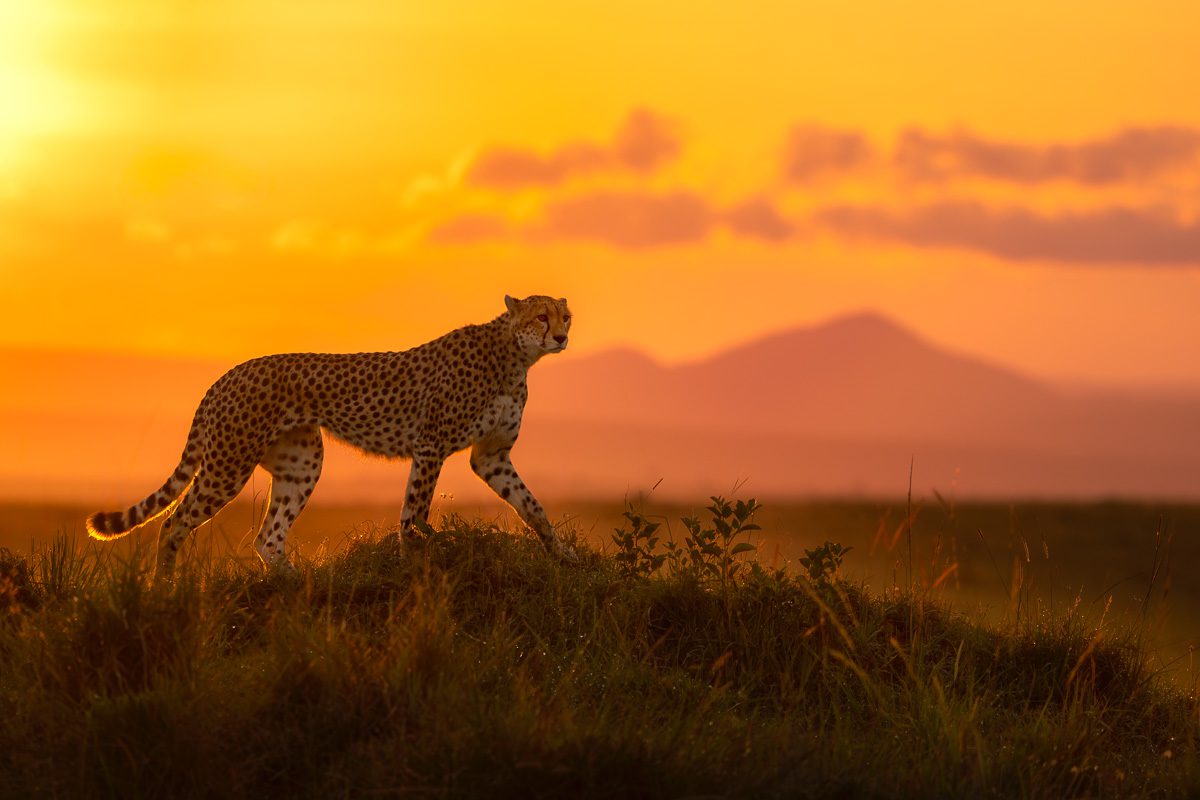
An in-depth comparison of Horseback Safari vs Walking Safari to help you choose the perfect safari experience. Explore the pros, cons, and key differences to ma
Horseback Safari vs Walking Safari
Planning a safari involves many important decisions, and understanding horseback safari vs walking safari is one of the most critical. This comprehensive guide draws on years of field experience to help you navigate this aspect of safari travel with confidence.
Safety and Health Considerations: Horseback Safari vs Walking Safari
Health preparation is an essential component of horseback safari vs walking safari. Consult with a travel medicine specialist at least six weeks before your departure to discuss vaccinations, malaria prophylaxis, and other health precautions specific to your destinations.
Travel insurance that specifically covers safari activities is strongly recommended. Standard travel insurance policies may not cover all the activities and situations you might encounter on an African safari. Ensure your policy covers medical evacuation, trip cancellation, and activity-specific risks.
Still researching? Let us help.
Our advisory team has planned safaris across 9 African countries. We can turn your research into a real plan.
Talk to an AdvisorSeasonal Factors and Timing
The timing of your safari significantly impacts horseback safari vs walking safari. Dry season months, typically June through October in most East African destinations, offer different conditions than the green season months of November through May. Each period has distinct advantages and considerations.
Weather patterns across Africa are becoming less predictable due to climate change, which adds another layer of consideration to horseback safari vs walking safari. Working with operators who have current, on-the-ground knowledge of conditions is more important than ever.
Making the Most of Your Experience: Horseback Safari vs Walking Safari
Photography enthusiasts should pay special attention to horseback safari vs walking safari as it relates to their equipment and technique. The lighting conditions, distances, and movement patterns of African wildlife create unique challenges and opportunities that benefit from advance preparation.
Finally, remember that a safari is more than just wildlife viewing. The cultural experiences, landscapes, and personal connections you make along the way are equally valuable. Approaching horseback safari vs walking safari with this broader perspective will enrich your entire journey.
Practical Planning Steps
Step three is creating a detailed plan that accounts for all aspects of horseback safari vs walking safari. This should include timelines, budgets, backup options, and contingency plans. The most successful safari travelers are those who plan thoroughly while remaining flexible enough to adapt to changing conditions.
Step one in addressing horseback safari vs walking safari is to clearly define your priorities and expectations. Are you focused on specific wildlife sightings, cultural experiences, photography opportunities, or a combination? Your answer will shape every subsequent decision.
Step two involves researching your options thoroughly. Compare different destinations, operators, and approaches to horseback safari vs walking safari. Read reviews from verified travelers, consult with safari operators, and cross-reference information from multiple sources.
Done Reading? Let's Build Your Safari.
Skip the guesswork. Work with an advisor who has been on the ground across East and Southern Africa.
Plan With UsIconic Destinations for Horseback Safaris
For those seeking the ultimate equestrian adventure, certain destinations in Africa stand out for their exceptional horseback safari experiences. The Okavango Delta in Botswana is arguably the pinnacle of horseback safaris, offering the unique opportunity to ride through seasonal floodplains alongside herds of elephants, zebras, and buffalo. The water crossings on horseback are a particularly thrilling experience, providing a unique perspective on this pristine wetland ecosystem. Another exceptional destination is the Masai Mara in Kenya, where riders can gallop across the vast savannahs, tracking the Great Migration and witnessing dramatic river crossings. The sense of freedom and connection to the landscape is unparalleled.
Premier Walking Safari Experiences
For a more intimate and on-the-ground connection with the African bush, a walking safari is unbeatable. Zambia's South Luangwa National Park is widely regarded as the birthplace of the walking safari, and it remains one of the best places to track wildlife on foot. Led by highly experienced guides and an armed scout, you'll learn to read animal tracks, identify bird calls, and appreciate the smaller details of the ecosystem that are often missed from a vehicle. Similarly, the Serengeti National Park in Tanzania offers incredible walking safari opportunities, particularly in the less-crowded northern regions. Imagine the thrill of cautiously approaching a herd of elephants or a journey of giraffes on foot, a truly humbling and unforgettable experience.
Related Resources
For more information on planning your safari, explore our destination guides, browse the safari operator directory, or connect with an experienced safari planning guide for personalized guidance.
Detailed Comparison: Horseback vs. Walking Safari
To make an informed decision, it's crucial to compare the nuances of each safari style. While both offer an escape from the traditional 4x4 vehicle, they deliver fundamentally different experiences. The choice depends entirely on your personal priorities, fitness level, and what you hope to gain from your time in the bush.
| Feature | Horseback Safari | Walking Safari | | ------------------------ | ----------------------------------------------------------------------------- | --------------------------------------------------------------------------------- | | Pace & Distance | Faster pace; can cover 20-40 km per day. Allows for cantering and galloping across open plains. | Slow and deliberate; typically covers 5-10 km per day. Focus is on immersion, not distance. | | Wildlife Perspective | Animals often see the horse as another herbivore, allowing for closer, more natural encounters with herds. | You are on foot as a bipedal primate, which animals notice. Approaches are more cautious and tracked. | | Focus | The thrill of the ride, covering ground, and seeing landscapes from a unique vantage point. | Education, tracking, and understanding the micro-ecosystem (insects, plants, spoor). | | Fitness Required | Strong intermediate to advanced horse riding ability is essential. Core fitness and endurance for long hours in the saddle. | Good general fitness. Ability to walk for 3-4 hours over uneven terrain, sometimes in the heat. | | Best For | Experienced equestrians who want to combine their passion for riding with a safari adventure. | Nature lovers, photographers, and anyone seeking a deep, educational connection with the wilderness. | | Typical Cost | Generally higher due to the logistics of horse care, tack, and specialized guides. ($1,200 - $2,000+ USD pppn). | More accessible, though luxury options exist. ($800 - $1,500 USD pppn). | | Key Operators | [Okavango Horse Safaris](https://www.okavangohorse.com/) (Botswana), [Ride Kenya](https://greatplainsconservation.com/safari/ride-kenya-chyulu-hills/) (Kenya). | [Norman Carr Safaris](https://www.normancarrsafaris.com/) (Zambia), [Asilia Africa](https://www.asiliaafrica.com/)'s walking experiences (Tanzania). |
Real-World Scenarios: Which Is Right for You?
Understanding the practical differences is best illustrated through scenarios. Consider which of these traveler profiles most closely matches your own.
Scenario 1: The Lifelong Equestrian You've been riding for decades and dream of galloping alongside a herd of giraffes. The idea of spending 4-6 hours in the saddle exploring the African wilderness is your definition of a perfect holiday. For you, a dedicated horseback safari is the only choice. An experience like the one offered at Macatoo Camp in Botswana's Okavango Delta would be ideal, allowing you to navigate floodplains and open islands, getting incredibly close to wildlife that is habituated to the presence of horses. Your days would be spent tracking game from the saddle, with evenings spent relaxing and sharing stories of the day's ride.
Scenario 2: The Inquisitive Naturalist You are an avid hiker who believes the best way to understand a place is by walking through it. You're fascinated by the small things—the medicinal uses of a plant, the intricate design of a termite mound, the subtle signs of a leopard's passing. A multi-day walking safari in Zambia's South Luangwa National Park would be your ultimate adventure. Guided by an expert naturalist and an armed wildlife scout, you would walk from one bushcamp to another, learning to interpret the language of the wild. The focus isn't on covering distance but on deep, sensory immersion.
Can You Combine Both Experiences?
For travelers who are intrigued by both but don't want to commit to a specialist, single-activity trip, many lodges and conservancies offer both riding and walking as part of a mixed-activity safari. This is an excellent compromise, providing a taste of each. For example, lodges in Laikipia, Kenya, such as Ol Donyo Lodge, are renowned for their varied activities. Here, you could spend a morning on a game walk, learning about tracks and signs from a Maasai guide, and then enjoy a gentle afternoon horse ride across the plains. This approach offers flexibility and is ideal for couples or families with different interests and fitness levels. While you may not experience the fast-paced gallops of a dedicated equestrian safari, you gain a well-rounded perspective of the environment. For more tailored advice, our safari operators can help find the perfect lodge that balances your interests.
Need Expert Safari Guidance?
Get expert advisory support from a firm founded by a former safari guide — with real operational knowledge across 9 African countries and full-journey accountability.
Related Planning Guides
Recommended Reading
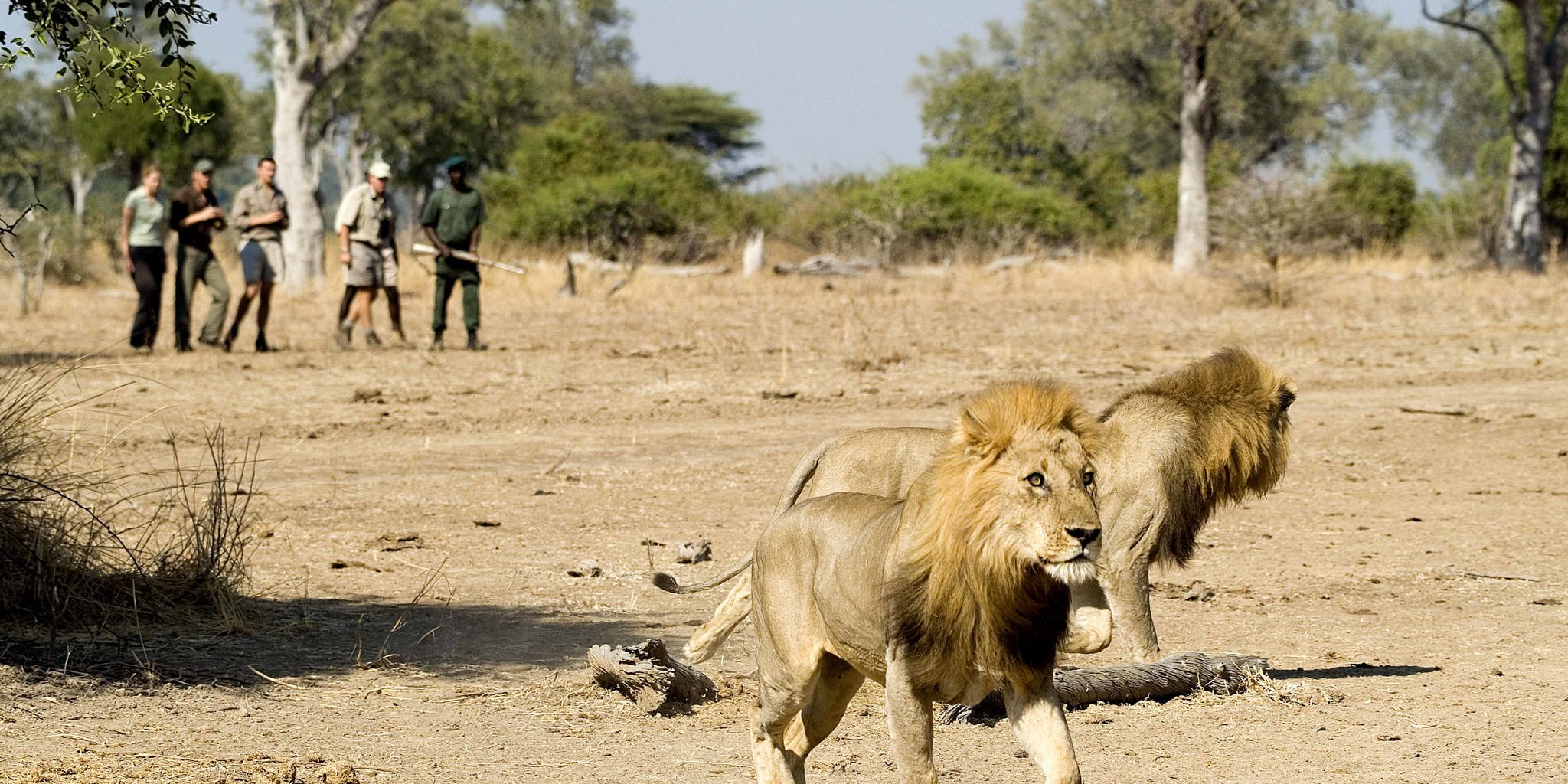 Safari Comparison Articles
Walking Safari vs Driving Safari Comparison
An in-depth comparison of Walking Safari vs Driving Safari Comparison to help you choose the perfect safari experience. Explore the pros, cons, and key differen
 Safari Comparison Articles
Cycling Safari vs Walking Safari
An in-depth comparison of Cycling Safari vs Walking Safari to help you choose the perfect safari experience. Explore the pros, cons, and key differences to make
 Safari Comparison Articles
Elephant-Back Safari vs Walking Safari
An in-depth comparison of Elephant-Back Safari vs Walking Safari to help you choose the perfect safari experience. Explore the pros, cons, and key differences t
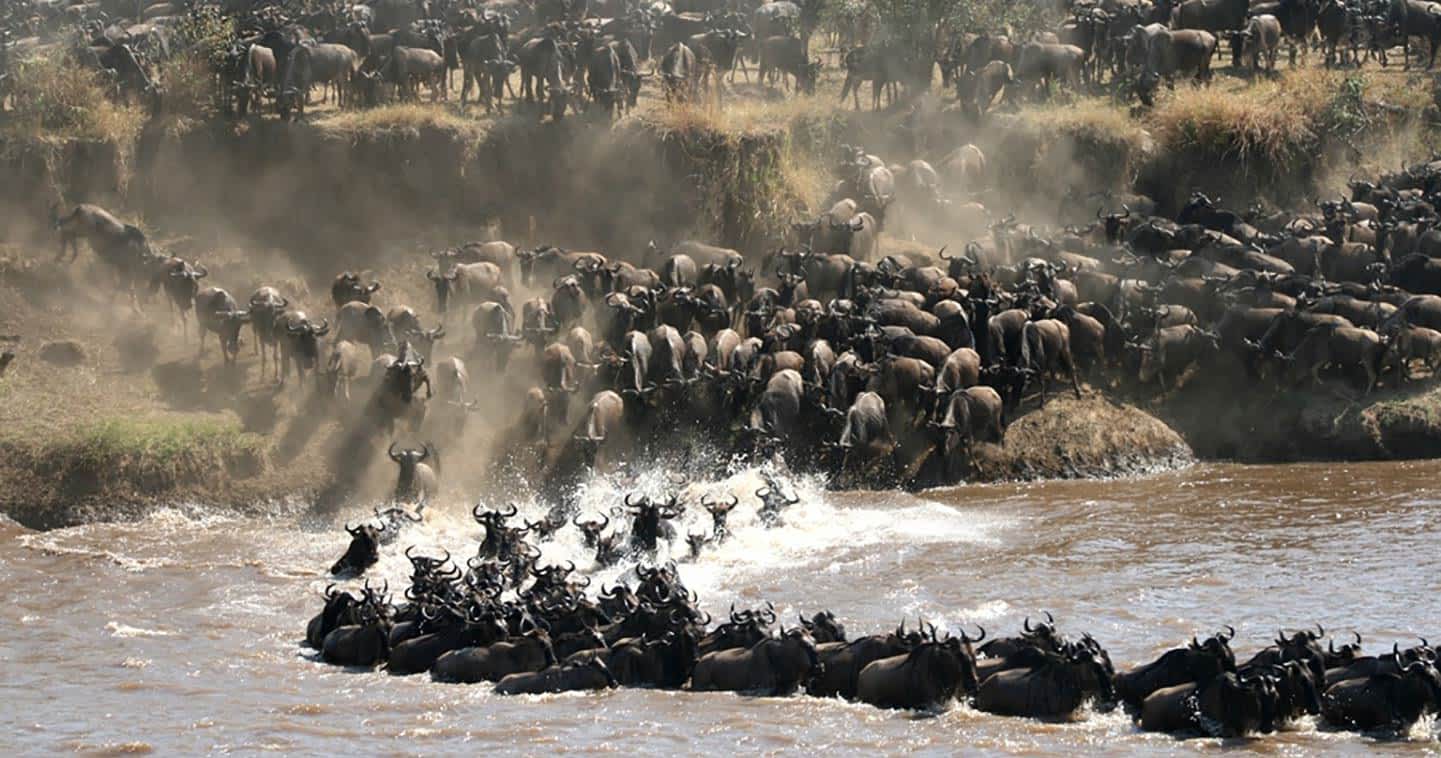 Safari Safety
Walking Safari Safety Tips
Learn how to stay safe on a walking safari with our expert tips. Discover the importance of your guide, what to wear, and how to act in the African bush.
 Safari Planning Guides
How to Plan a Safari With Walking Activities
Discover how to plan your dream safari with our expert guide on How to Plan a Safari With Walking Activities. Get tips on destinations, costs, and more.
 Destination Guides
Best Safari Destinations for Walking Safaris
Discover everything you need to know about Best Safari Destinations for Walking Safaris. From wildlife and landscapes to lodges and activities, this guide cover