
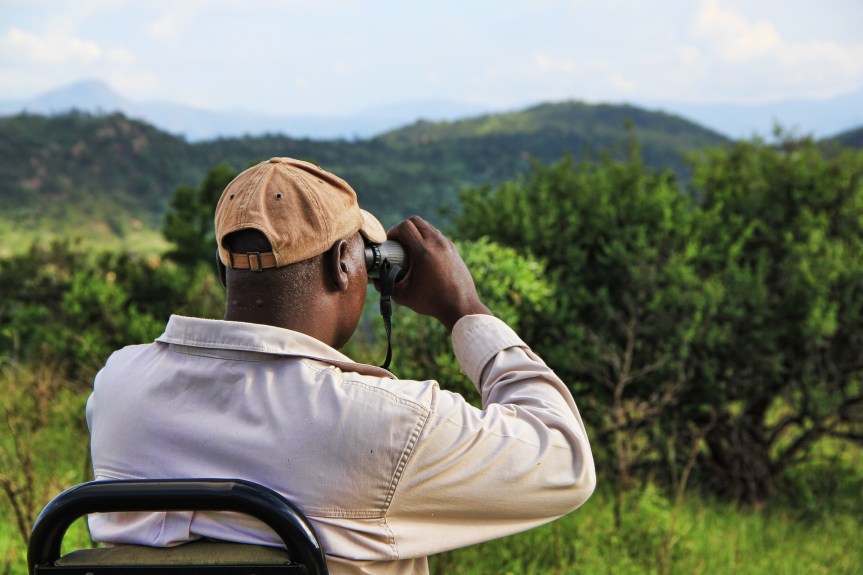
An in-depth comparison of Cycling Safari vs Walking Safari to help you choose the perfect safari experience. Explore the pros, cons, and key differences to make
Cycling Safari vs Walking Safari
One of the most common questions we receive from safari travelers relates to cycling safari vs walking safari. After helping hundreds of travelers plan their African adventures, we have compiled this detailed resource to address every aspect of this important topic.
Understanding the Fundamentals: Cycling Safari vs Walking Safari
The foundation of cycling safari vs walking safari begins with understanding the basic principles. Safari environments across Africa present unique conditions that differ significantly from what most travelers are accustomed to. In East Africa, the vast savannas of Kenya and Tanzania create one set of considerations, while the dense forests of Uganda and Rwanda present entirely different challenges. Southern African destinations like Botswana and South Africa add yet another dimension.
Experienced safari operators emphasize that preparation is the single most important factor in cycling safari vs walking safari. This means doing your research well in advance, consulting with knowledgeable advisors, and being willing to adapt your plans based on current conditions. The best safari experiences come from travelers who approach their journey with both enthusiasm and informed flexibility.
Still researching? Let us help.
Our advisory team has planned safaris across 9 African countries. We can turn your research into a real plan.
Talk to an AdvisorSafety and Health Considerations: Cycling Safari vs Walking Safari
Travel insurance that specifically covers safari activities is strongly recommended. Standard travel insurance policies may not cover all the activities and situations you might encounter on an African safari. Ensure your policy covers medical evacuation, trip cancellation, and activity-specific risks.
Safety is paramount when it comes to cycling safari vs walking safari on safari. Reputable operators maintain strict safety protocols and employ experienced guides who are trained to handle a wide range of situations. Always verify that your chosen operator has proper licensing, insurance, and safety certifications.
Health preparation is an essential component of cycling safari vs walking safari. Consult with a travel medicine specialist at least six weeks before your departure to discuss vaccinations, malaria prophylaxis, and other health precautions specific to your destinations.
Common Mistakes to Avoid: Cycling Safari vs Walking Safari
Underestimating the importance of cycling safari vs walking safari is perhaps the biggest mistake of all. Travelers who give this aspect of their safari proper attention consistently report more satisfying experiences than those who treat it as an afterthought.
Another common error is relying solely on online reviews without consulting experienced professionals. While traveler reviews provide valuable perspectives, they often lack the context and expertise that a qualified safari planning guide can offer. The best approach combines both sources of information.
One of the most frequent mistakes travelers make with cycling safari vs walking safari is waiting too long to start planning. Popular safari destinations and lodges book up months in advance, especially during peak season. Last-minute planning often results in limited options and higher costs.
Expert Recommendations
Working with a qualified safari planning guide can significantly improve your experience with cycling safari vs walking safari. Advisors who have personal experience in your chosen destinations can provide insights that no guidebook or website can match. They understand the subtle differences between properties, the best times to visit specific areas, and how to structure an itinerary that maximizes your time.
Safari advisors consistently recommend starting your planning process at least six to twelve months before your intended travel dates. This lead time allows you to secure preferred accommodations, take advantage of early booking rates, and properly prepare for all aspects of cycling safari vs walking safari.
Budget considerations play an important role in cycling safari vs walking safari. While it is tempting to cut corners, experienced travelers consistently report that investing in quality where it matters most leads to significantly better outcomes. The key is knowing where to allocate your budget for maximum impact.
Done Reading? Let's Build Your Safari.
Skip the guesswork. Work with an advisor who has been on the ground across East and Southern Africa.
Plan With UsSeasonal Factors and Timing: Cycling Safari vs Walking Safari
The timing of your safari significantly impacts cycling safari vs walking safari. Dry season months, typically June through October in most East African destinations, offer different conditions than the green season months of November through May. Each period has distinct advantages and considerations.
Weather patterns across Africa are becoming less predictable due to climate change, which adds another layer of consideration to cycling safari vs walking safari. Working with operators who have current, on-the-ground knowledge of conditions is more important than ever.
Peak season brings excellent wildlife viewing but also higher prices and more crowded parks. Shoulder seasons offer a balance of good conditions and fewer crowds. Understanding how seasonal factors affect cycling safari vs walking safari helps you choose the optimal time for your specific priorities.
A Tale of Two Tanzanian Experiences: Cycling vs. Walking
Nowhere is the contrast between a cycling and walking safari more apparent than in Northern Tanzania. Imagine a cycling safari across the open plains near Lake Manyara, covering significant ground with the Great Rift Valley escarpment as your backdrop. On two wheels, you can travel between local villages and wildlife-rich areas in a single morning, spotting giraffe, zebra, and vast herds of wildebeest. The focus is on the landscape and the freedom of movement, offering a dynamic perspective of the ecosystem. A typical guided day-ride might cost between $80 and $200 per person, depending on the operator and inclusions.
Contrast this with a walking safari in the heart of Tarangire National Park. Here, the experience is intimate and slow. Led by an armed ranger and often a Maasai guide, you will learn to identify animal tracks, discover the medicinal uses of native plants, and tune your ears to the subtle sounds of the bush. The thrill comes not from speed, but from the heightened sense of awareness and the potential for a safe, on-foot encounter with elephants or buffalo. This is about immersing yourself in the minutiae of the environment, an experience that a vehicle or even a bicycle cannot replicate.
Case Study: A Guided Cycling Safari in Arusha National Park
A classic example of a successful cycling safari is a half-day tour in Arusha National Park. The journey often begins near the Ngurdoto Crater, winding through lush highland forest before opening onto the plains. On this route, you are almost guaranteed to see colobus monkeys, herds of buffalo, and families of giraffe at close range. The ride is not strenuous, covering 15-25 kilometers on gentle terrain, making it accessible for most fitness levels. Because Arusha has a lower density of dangerous predators, it provides a safe yet thrilling environment for cycling. This activity offers a unique way to experience the park's diverse habitats, from lakes teeming with flamingos to the slopes of Mount Meru, in a way that connects you to the landscape without the barrier of a vehicle.
Related Resources
For more information on planning your safari, explore our destination guides, browse the safari operator directory, or connect with an experienced safari planning guide for personalized guidance.
Need Expert Safari Guidance?
Get expert advisory support from a firm founded by a former safari guide — with real operational knowledge across 9 African countries and full-journey accountability.
Related Planning Guides
Recommended Reading
 Safari Comparison Articles
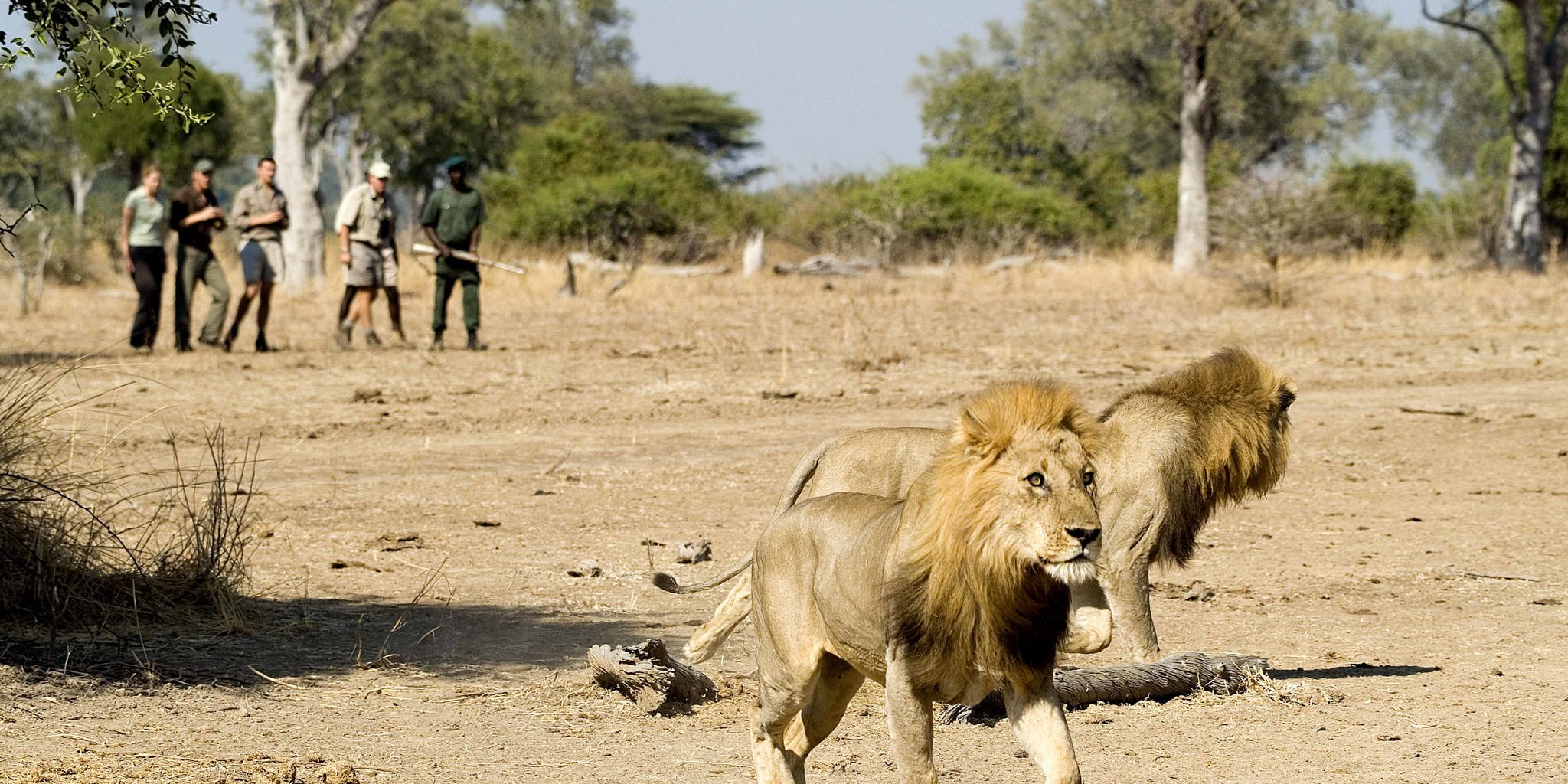
Walking Safari vs Driving Safari Comparison
An in-depth comparison of Walking Safari vs Driving Safari Comparison to help you choose the perfect safari experience. Explore the pros, cons, and key differen
 Safari Comparison Articles
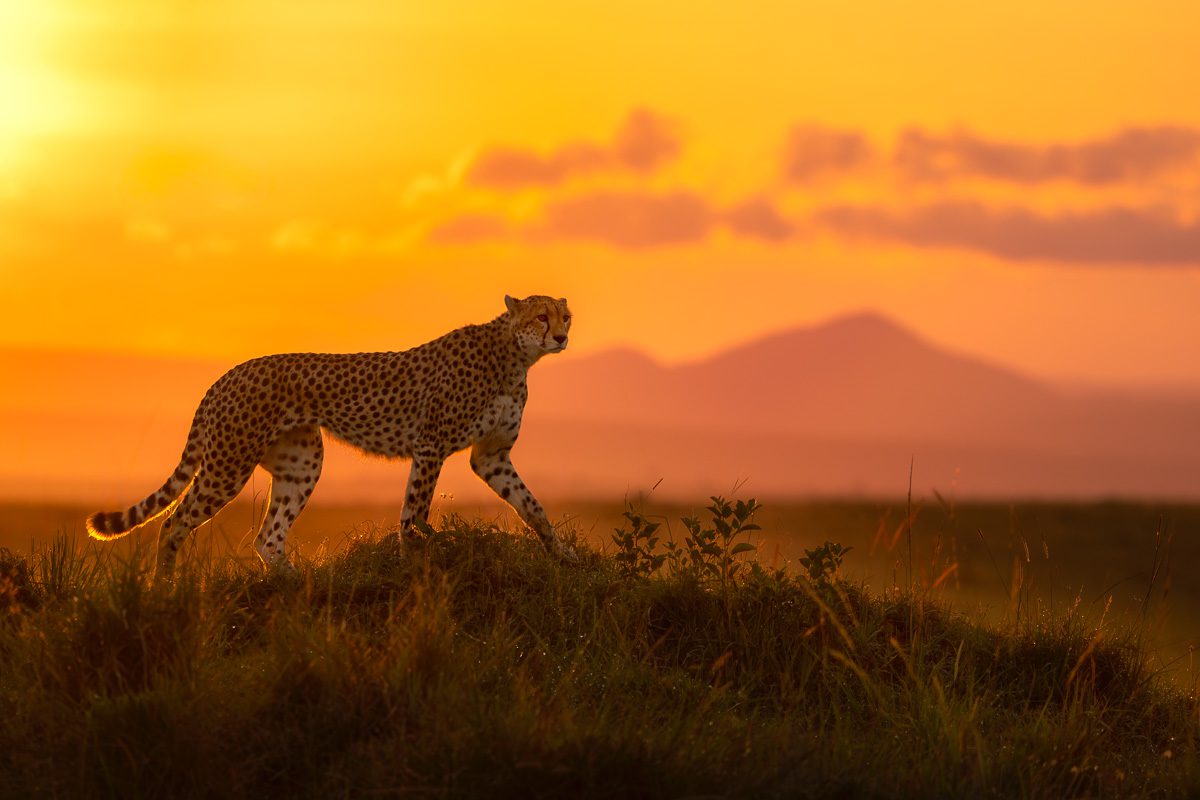
Horseback Safari vs Walking Safari
An in-depth comparison of Horseback Safari vs Walking Safari to help you choose the perfect safari experience. Explore the pros, cons, and key differences to ma
 Safari Comparison Articles
Elephant-Back Safari vs Walking Safari
An in-depth comparison of Elephant-Back Safari vs Walking Safari to help you choose the perfect safari experience. Explore the pros, cons, and key differences t
 Safari Safety
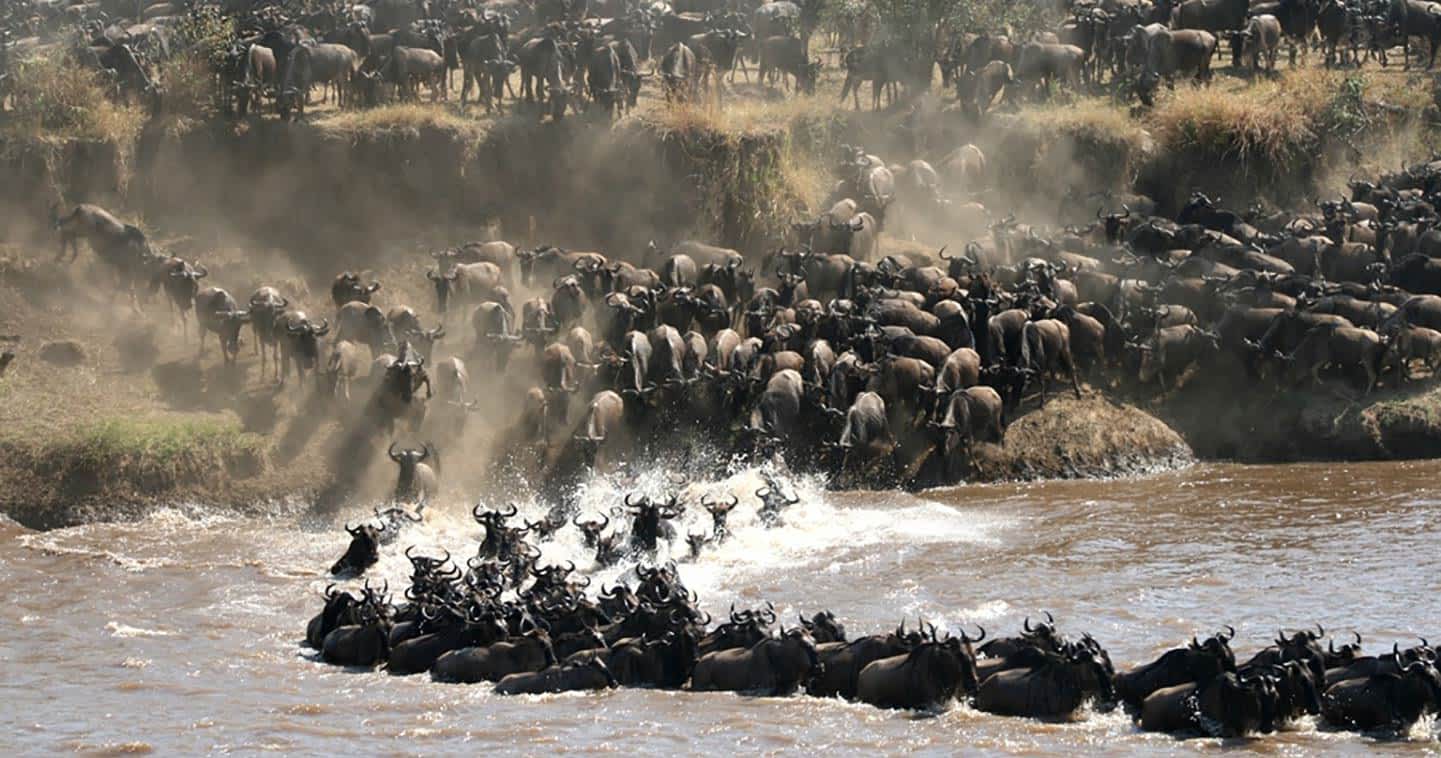
Walking Safari Safety Tips
Learn how to stay safe on a walking safari with our expert tips. Discover the importance of your guide, what to wear, and how to act in the African bush.
 Safari Planning Guides
How to Plan a Safari With Walking Activities
Discover how to plan your dream safari with our expert guide on How to Plan a Safari With Walking Activities. Get tips on destinations, costs, and more.
 Destination Guides
Best Safari Destinations for Walking Safaris
Discover everything you need to know about Best Safari Destinations for Walking Safaris. From wildlife and landscapes to lodges and activities, this guide cover