
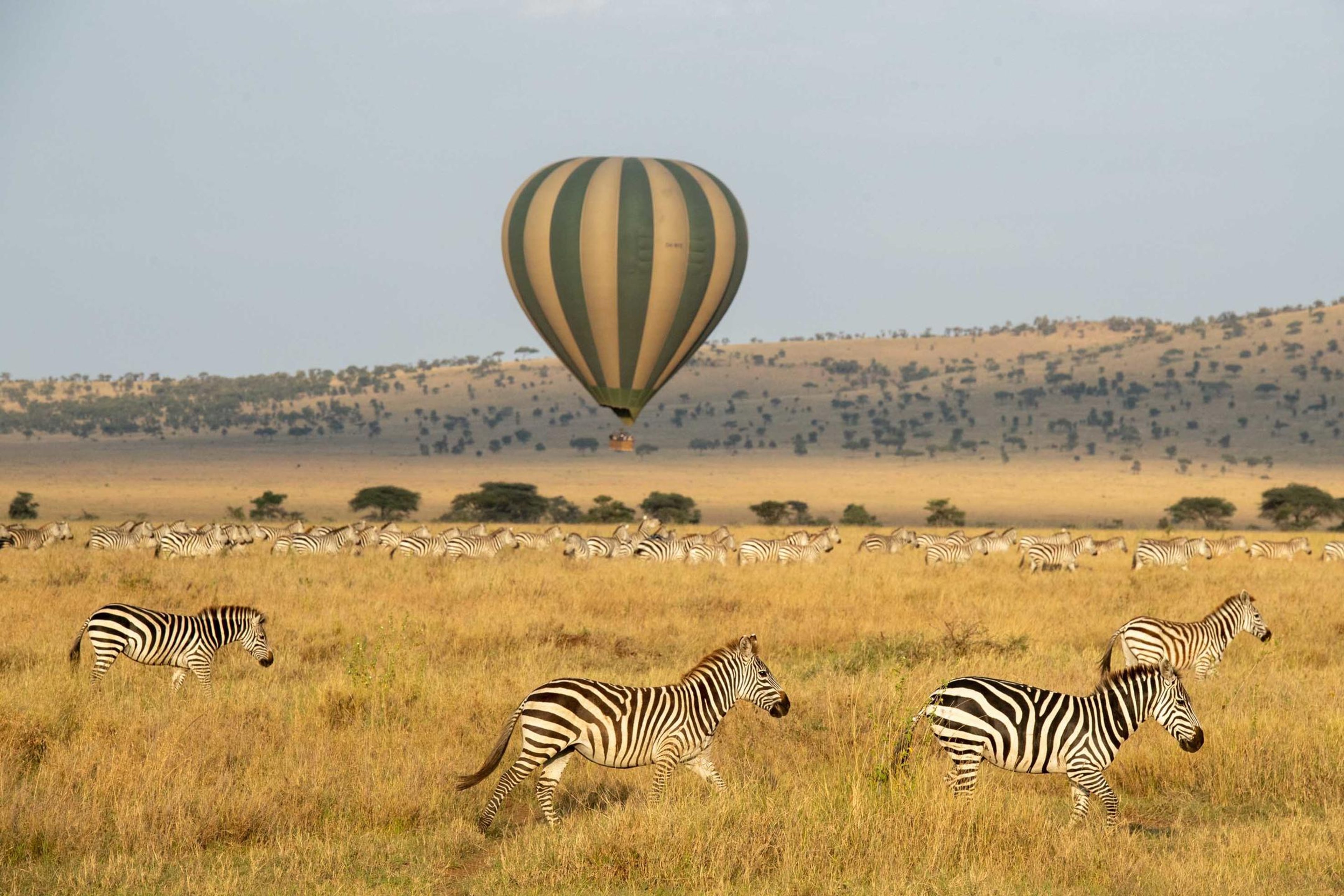
Learn all about Complete Guide to Side-Striped Jackal in this comprehensive guide. Discover the best time to go, what to see, and how to plan your trip.
Introduction to Complete Guide to Side-Striped Jackal
Understanding complete guide to side-striped jackal is essential for anyone planning a safari in Africa. This topic encompasses a range of considerations that can significantly impact your travel experience, from practical logistics to wildlife encounters that create lasting memories.
Key Details and Considerations
Delving deeper into complete guide to side-striped jackal, travelers discover that Africa's safari industry has evolved significantly over the past decades. Modern safari experiences combine traditional wilderness exploration with contemporary comfort and conservation awareness. The key is finding the right balance for your travel style and budget, which our cost calculator can help you determine.
Still researching? Let us help.
Our advisory team has planned safaris across 9 African countries. We can turn your research into a real plan.
Talk to an AdvisorPractical Advice
For practical guidance on complete guide to side-striped jackal, consider these expert recommendations. First, start your research early and use reliable sources like our knowledge center for up-to-date information. Second, don't underestimate the value of professional guidance, as a knowledgeable safari planning guide can save you time, money, and potential disappointment. Third, remain flexible in your planning, as Africa's natural environments are dynamic and unpredictable.
Expert Insights
The landscape of complete guide to side-striped jackal reflects broader trends in African tourism, including the growing emphasis on authentic experiences, wildlife conservation, and cultural exchange. Modern safari travelers are more informed and discerning than ever, seeking meaningful connections with the natural world rather than simply checking off a bucket list. Our knowledge center supports this approach with in-depth articles covering every aspect of safari travel.
Planning Your Next Steps
In summary, complete guide to side-striped jackal is a multifaceted topic that rewards careful study and thoughtful planning. Whether you're a first-time safari traveler or a returning enthusiast, staying informed about the latest developments and best practices ensures the best possible experience. Explore our destinations, consult our safari operators, and use our cost calculator to begin planning your African adventure today.
Done Reading? Let's Build Your Safari.
Skip the guesswork. Work with an advisor who has been on the ground across East and Southern Africa.
Plan With UsDetailed Physical Characteristics and Subspecies
The side-striped jackal (Canis adustus) is a medium-sized canid, often mistaken for a small fox or a greyhound mix. Adults typically weigh between 6.5 and 14 kg (14 to 31 lb) and stand about 35–50 cm (14–20 in) at the shoulder. Their most distinguishing feature is the stripe of white and black hairs running along their flanks, from which they get their name. This stripe is often indistinct, but it serves as a key identifier. The coat is a grizzled grey to buff, with a darker saddle and a white or light-colored underside. The tail is bushy and dark with a white tip, a feature that distinguishes it from the black-backed jackal, which has a black-tipped tail.
There are seven recognized subspecies of the side-striped jackal, each with slight variations in size, coloration, and geographic range. These include:
- Canis adustus adustus (Sundevall's side-striped jackal): Found in southern Africa.
- Canis adustus bweha (Bweha side-striped jackal): Found in East Africa, including Kenya and Tanzania.
- Canis adustus centralis (Central African side-striped jackal): Found in Central Africa.
- Canis adustus kaffensis (Kaffa side-striped jackal): Found in Ethiopia.
- Canis adustus lateralis (Lateralis side-striped jackal): Found in West Africa.
- Canis adustus notatus (Notatus side-striped jackal): Found in the Udzungwa Mountains of Tanzania.
- Canis adustus poensis (Poensis side-striped jackal): Found on the island of Bioko.
These subtle differences are fascinating to observe and highlight the adaptability of this species across various African landscapes. For those planning a safari, understanding these variations can add another layer of appreciation to your wildlife sightings. Our safari operators can help you choose a destination where you might encounter a specific subspecies.
Habitat and Distribution in Detail
Side-striped jackals are incredibly adaptable, thriving in a wide range of habitats across sub-Saharan Africa. They are most commonly found in woodlands, savannas, and wetlands, but they can also be found in montane areas up to 2,700 meters. Unlike the more arid-loving black-backed jackal, the side-striped jackal prefers areas with more rainfall and denser vegetation. This preference for wetter environments means they are often found near rivers, marshes, and lakes.
Some of the best places to see side-striped jackals include:
- Serengeti National Park, Tanzania: The vast plains and woodlands of the Serengeti are prime habitats for side-striped jackals. They are often seen on the periphery of the great wildebeest migration, scavenging on leftovers from lion and hyena kills.
- Queen Elizabeth National Park, Uganda: The mix of savanna, forest, and wetlands in this park provides an ideal environment for side-striped jackals. They are often spotted during evening game drives.
- South Luangwa National Park, Zambia: Known for its incredible biodiversity, South Luangwa is another excellent location to find these canids, particularly along the Luangwa River.
- Moremi Game Reserve, Botswana: In the heart of the Okavango Delta, Moremi's floodplains and woodlands support a healthy population of side-striped jackals.
Understanding the specific habitats of the animals you want to see is a key part of safari planning. Our destinations guide provides more information on the unique ecosystems of each park.
Behavior and Social Structure
Side-striped jackals are primarily nocturnal, with peak activity occurring after dusk and before dawn. They are less vocal than other jackal species, communicating through a series of soft yaps, howls, and chirps. They are generally monogamous, forming lifelong pair bonds. A breeding pair will defend a territory of about 2.5 to 5 square kilometers, which they mark with urine and feces.
These jackals are often seen in pairs or small family groups. The family unit typically consists of the breeding pair and their most recent litter of pups. Older offspring may stay with the parents for a year to help raise the next litter before dispersing to establish their own territories. This cooperative breeding behavior is a fascinating aspect of their social structure and increases the survival rate of the pups.
> Expert Insight: While on a night drive, listen for the distinct, high-pitched calls of the side-striped jackal. Your guide will be able to distinguish them from the calls of other nocturnal animals, giving you a better chance of a sighting.
Diet and Foraging Ecology
The side-striped jackal is an omnivore with a highly varied diet. They are opportunistic foragers, and their diet changes seasonally depending on food availability. Their diet consists of:
- Invertebrates: Insects, such as grasshoppers and termites, make up a significant portion of their diet, especially during the wet season.
- Small Mammals: They prey on rodents, hares, and other small mammals.
- Fruits and Berries: They have a particular fondness for fruits and will often be found foraging under fruit-bearing trees.
- Carrion: They are not shy about scavenging and will feed on the remains of kills made by larger predators.
- Birds and Reptiles: They will also eat birds, lizards, and snakes when the opportunity arises.
Their foraging strategy is typically a slow, deliberate trot, with their ears cocked to listen for the slightest sound of prey. They use their keen sense of smell to locate food, and their long legs are well-suited for pouncing on small animals.
Reproduction and Lifespan
Side-striped jackals have a gestation period of about 57 to 70 days, and they typically give birth to a litter of three to six pups. The pups are born in a den, which can be a hole in the ground, a termite mound, or a dense thicket. The pups are born blind and helpless, and they are weaned at around 8 to 10 weeks of age. Both parents are involved in raising the young, with the male bringing food back to the den for the female and the pups.
The pups begin to forage with their parents at around 4 months of age and are fully independent by 6 to 8 months. The average lifespan of a side-striped jackal in the wild is about 10 to 12 years. For more information on the life cycles of African wildlife, visit our knowledge center.
Conservation Status and Threats
The side-striped jackal is listed as a species of "Least Concern" by the IUCN, as they have a wide distribution and are relatively common throughout their range. However, they do face some threats, including:
- Habitat Loss: As human populations expand, the natural habitats of the side-striped jackal are being converted into agricultural land and settlements.
- Human-Wildlife Conflict: They are sometimes persecuted by farmers for preying on small livestock, such as chickens.
- Disease: They are susceptible to diseases such as rabies and canine distemper, which can be transmitted from domestic dogs.
Conservation efforts are focused on mitigating these threats through community education, habitat protection, and vaccination programs for domestic dogs. By choosing to travel with responsible safari operators, you are supporting these conservation initiatives. Our plan your safari tool can help you find operators who are committed to conservation.
Best Parks to See Side-Striped Jackals
While side-striped jackals are widespread, some parks offer a higher chance of a sighting. Here are our top picks:
| Park | Country | Why it's great for jackal sightings | |---|---|---| | Serengeti National Park | Tanzania | Open plains and abundant prey make for excellent viewing opportunities. | | Queen Elizabeth NP | Uganda | The mix of habitats increases the chances of an encounter. | | South Luangwa NP | Zambia | Famous for its walking safaris, which offer a unique perspective on smaller carnivores. | | Moremi Game Reserve | Botswana | The delta environment provides a rich food source for jackals. |
Traveler's Tips for Spotting Jackals
- Go on a night drive: As they are primarily nocturnal, a night drive is your best bet for a sighting.
- Listen for their calls: Their yaps and howls can help you locate them in the dark.
- Scan the edges of the road: They often use roads and tracks for easier travel.
- Look for them near kills: They are often found scavenging on the leftovers of larger predators.
- Be patient: Like all wildlife sightings, a bit of patience can go a long way.
Ready to start planning your safari adventure? Use our cost calculator to get an estimate of your trip, and then connect with one of our safari operators to create a tailor-made itinerary.
Need Expert Safari Guidance?
Get expert advisory support from a firm founded by a former safari guide — with real operational knowledge across 9 African countries and full-journey accountability.
Related Planning Guides
Explore Related Topics
Recommended Reading
 Wildlife Guides
Complete Guide to Black-Backed Jackal
Learn all about Complete Guide to Black-Backed Jackal in this comprehensive guide. Discover the best time to go, what to see, and how to plan your trip.
 Destination Guides
Complete Guide to Caprivi Strip
A complete guide to Complete Guide to Caprivi Strip. Learn about the wildlife, activities, and best time to visit this amazing destination.
 Wildlife Guides
Complete Guide to African Lion Behavior
Delve into the complex social structure, hunting techniques, and communication methods of the African lion. Understand the king of the savanna with this in-depth guide.
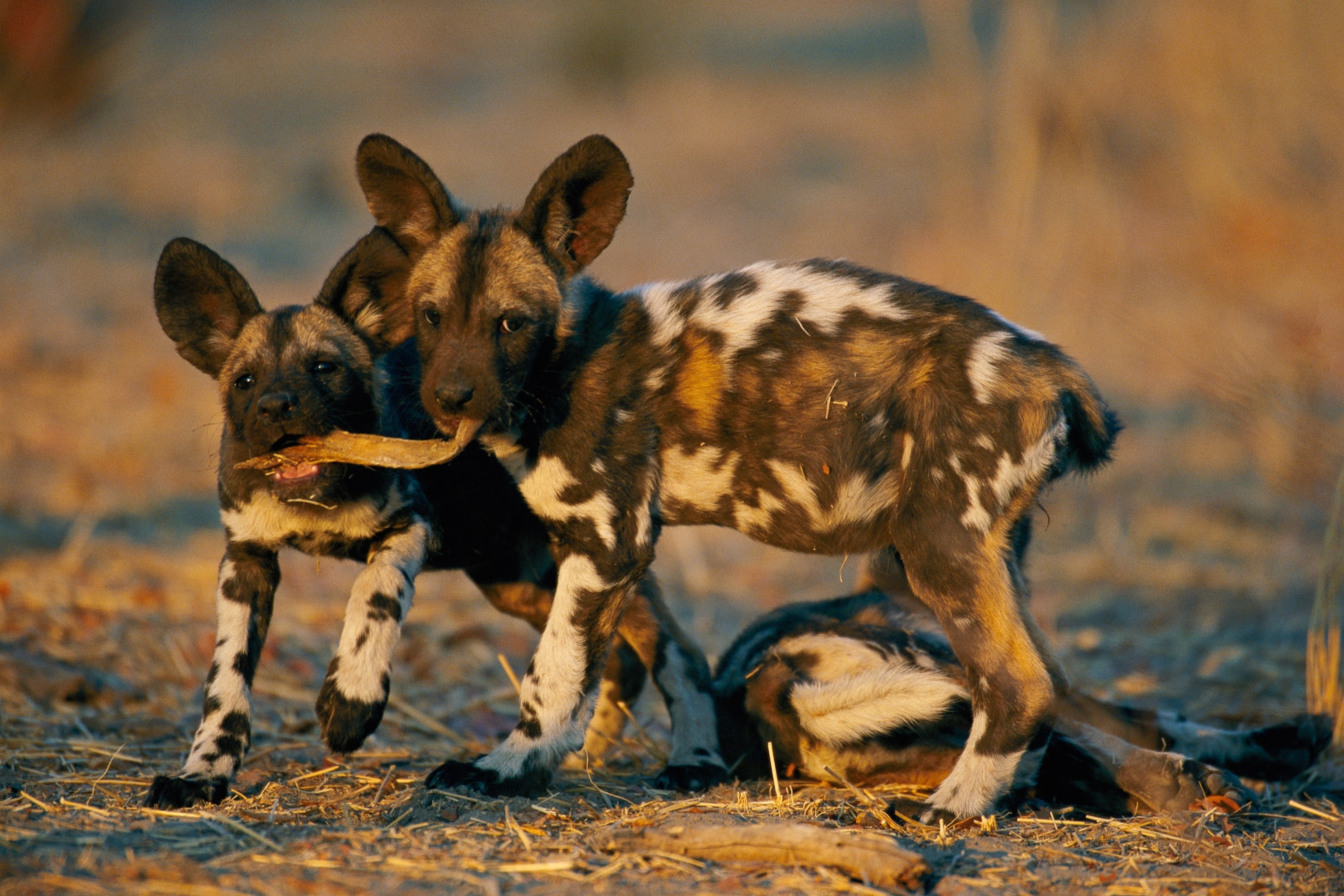 Wildlife Guides
Complete Guide to Cheetah Speed and Hunting
Learn all about Complete Guide to Cheetah Speed and Hunting in this comprehensive guide. Discover the best time to go, what to see, and how to plan your trip.
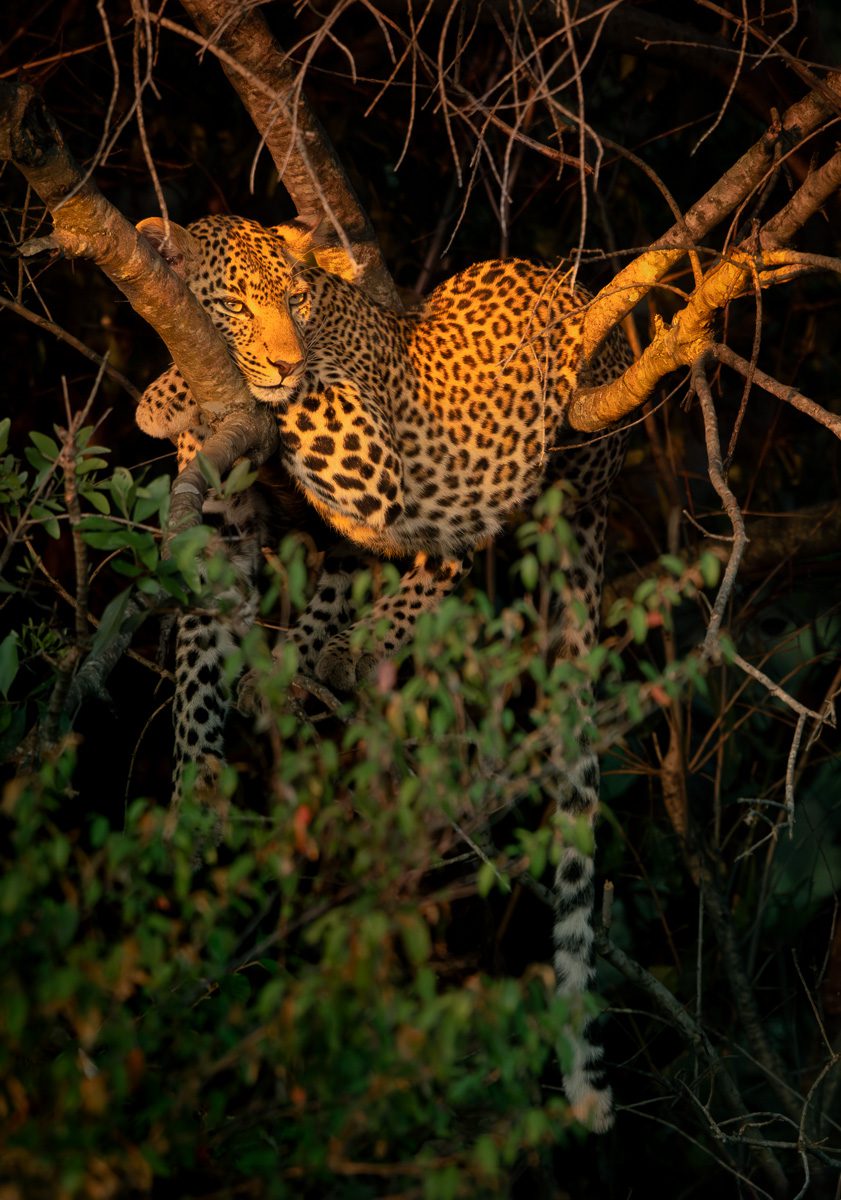 Destination Guides
Complete Guide to Table Mountain National Park
A complete guide to Complete Guide to Table Mountain National Park. Learn about the wildlife, activities, and best time to visit this amazing destination.
 Destination Guides
Complete Guide to Garden Route Safari Options
A complete guide to Complete Guide to Garden Route Safari Options. Learn about the wildlife, activities, and best time to visit this amazing destination.