
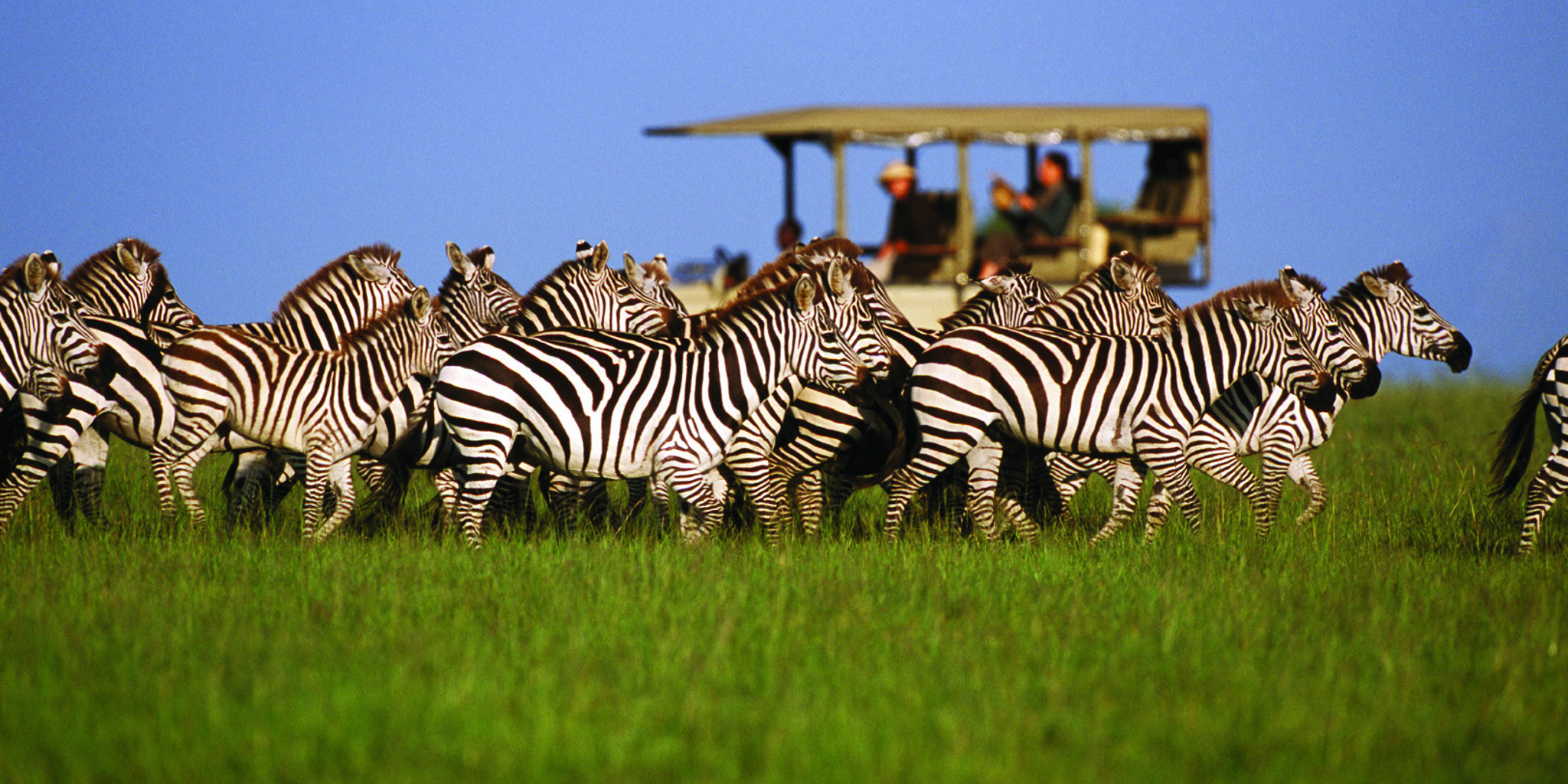
A complete guide to Complete Guide to Caprivi Strip. Learn about the wildlife, activities, and best time to visit this amazing destination.
Introduction to Complete Guide to Caprivi Strip
When it comes to complete guide to caprivi strip, experienced safari travelers know that preparation makes all the difference. Africa's diverse landscapes and ecosystems offer unique opportunities, and knowing what to expect helps you make the most of every moment on safari.
Key Details and Considerations
Delving deeper into complete guide to caprivi strip, travelers discover that Africa's safari industry has evolved significantly over the past decades. Modern safari experiences combine traditional wilderness exploration with contemporary comfort and conservation awareness. The key is finding the right balance for your travel style and budget, which our cost calculator can help you determine.
Still researching? Let us help.
Our advisory team has planned safaris across 9 African countries. We can turn your research into a real plan.
Talk to an AdvisorPractical Advice
For practical guidance on complete guide to caprivi strip, consider these expert recommendations. First, start your research early and use reliable sources like our knowledge center for up-to-date information. Second, don't underestimate the value of professional guidance, as a knowledgeable safari planning guide can save you time, money, and potential disappointment. Third, remain flexible in your planning, as Africa's natural environments are dynamic and unpredictable.
Expert Insights
Safari professionals with decades of experience note that understanding complete guide to caprivi strip gives travelers a significant advantage. The difference between a good safari and an exceptional one often comes down to the details, from choosing the right accommodation to timing your game drives for optimal wildlife viewing. Our safari operators bring this expertise to every consultation, helping you avoid common pitfalls and discover hidden gems.
Planning Your Next Steps
To wrap up, mastering complete guide to caprivi strip is an investment that pays dividends throughout your safari journey. The more you understand about Africa's diverse ecosystems, wildlife, and tourism infrastructure, the better equipped you'll be to make decisions that lead to extraordinary experiences. Start your planning journey with our comprehensive knowledge center and connect with our team of experienced safari operators for personalized guidance.
Done Reading? Let's Build Your Safari.
Skip the guesswork. Work with an advisor who has been on the ground across East and Southern Africa.
Plan With UsA Deeper Dive into the Caprivi's National Parks
The Caprivi Strip, now officially known as the Zambezi Region, is a unique panhandle of Namibia that feels more like Botswana or Zambia than the arid landscapes that characterize much of the country. This water-rich region is a mosaic of rivers, floodplains, and woodlands, supporting a density and diversity of wildlife that is unparalleled in Namibia. The region is anchored by three spectacular national parks: Bwabwata, Mudumu, and Nkasa Rupara. Each offers a distinct safari experience, making a journey through the Caprivi a truly comprehensive adventure.
Bwabwata National Park: A Corridor of Life
Bwabwata National Park is the largest of the three, a vast expanse of over 6,000 square kilometers that stretches from the Okavango River in the west to the Kwando River in the east. The park is unique in that it is a multi-use area, with a designated core conservation area and a large area that is home to local communities. This innovative approach to conservation, which integrates the needs of both people and wildlife, is a model for sustainable tourism in Africa.
Expert Insight: Bwabwata is a critical wildlife corridor, allowing elephants, buffalo, and other large game to move freely between Angola, Botswana, and Zambia. This transboundary conservation effort is essential for the long-term survival of these populations.
The park is divided into several core wildlife areas, with the Mahango Core Area in the west and the Kwando Core Area in the east being the most popular for game viewing. Mahango, with its riverine forests and floodplains, is known for its large herds of elephant and buffalo, as well as sable and roan antelope. The Kwando section, on the other hand, is characterized by its vast wetlands and is a haven for birdlife.
Mudumu National Park: A Wild and Remote Wilderness
To the east of Bwabwata lies Mudumu National Park, a wild and remote wilderness that is a favorite among seasoned safari-goers. The park is characterized by its dense mopane woodlands and the Linyanti River, which forms its southern boundary. Mudumu is known for its large herds of buffalo, which can often be seen grazing on the floodplains. The park is also home to a healthy population of lions, leopards, and African wild dogs.
Traveler's Tip: Due to its remote location and challenging terrain, Mudumu is best explored with a 4x4 vehicle. A self-drive safari in Mudumu is a true adventure, but it is essential to be well-prepared with all the necessary equipment and supplies. For a more comfortable experience, consider staying at one of the lodges on the park's periphery, which offer guided game drives into the park.
Nkasa Rupara National Park: Namibia's Okavango Delta
Nkasa Rupara National Park, formerly known as Mamili National Park, is the largest wetland area with conservation status in Namibia. The park is a maze of channels, lagoons, and islands, and is often referred to as Namibia's Okavango Delta. The park is a haven for water-loving wildlife, including hippos, crocodiles, and the rare sitatunga antelope. It is also a birdwatcher's paradise, with over 400 species recorded in the area.
Expert Insight: Nkasa Rupara is a true wilderness area, with very little infrastructure. This is part of its charm, but it also means that it is a challenging destination to visit. The park is often flooded during the rainy season, making it inaccessible to all but the most intrepid travelers. The best time to visit is during the dry season, from June to October, when the water levels have receded and the wildlife is concentrated around the remaining water sources.
The Unique Wildlife of the Caprivi Strip
The Caprivi Strip is home to a remarkable diversity of wildlife, including many species that are not found anywhere else in Namibia. The region's abundant water and lush vegetation support large populations of elephants, buffalo, and hippos. The rivers are teeming with crocodiles, and the woodlands are home to a variety of antelope, including the rare sitatunga and red lechwe.
The Caprivi is also a stronghold for predators, with healthy populations of lions, leopards, and hyenas. The region is one of the best places in Africa to see African wild dogs, which are often seen hunting in large packs. For those interested in the smaller creatures, the Caprivi is also home to a variety of nocturnal animals, including genets, civets, and bushbabies.
Planning Your Caprivi Adventure
A safari in the Caprivi Strip is a journey into the heart of wild Africa. To make the most of your trip, it is essential to plan carefully. Our team of safari operators can help you create a tailor-made itinerary that is based on your interests and budget. We can also help you with all the practical aspects of your trip, from booking accommodation to arranging transportation.
When to Go: The best time to visit the Caprivi Strip is during the dry season, from June to October. During this time, the weather is pleasant, the roads are in good condition, and the wildlife is concentrated around the water sources. The wet season, from November to April, can be a beautiful time to visit, with lush green landscapes and lots of baby animals. However, it is also hot and humid, and many of the roads in the national parks become impassable.
How to Get There: The Caprivi Strip is a remote destination, but it is surprisingly accessible. The main town in the region, Katima Mulilo, has an airport with regular flights from Windhoek. From there, you can either rent a 4x4 vehicle and explore the region on your own, or you can arrange for a guided safari with one of the local operators. For a truly unique experience, consider a houseboat safari on the Chobe or Kwando rivers.
Ready to start planning your Caprivi adventure? Use our cost calculator to get an estimate for your trip, or plan your safari with one of our expert advisors.
Need Expert Safari Guidance?
Get expert advisory support from a firm founded by a former safari guide — with real operational knowledge across 9 African countries and full-journey accountability.
Related Planning Guides
Recommended Reading
 Wildlife Guides
Complete Guide to Side-Striped Jackal
Learn all about Complete Guide to Side-Striped Jackal in this comprehensive guide. Discover the best time to go, what to see, and how to plan your trip.
 Destination Guides
Complete Guide to Mlilwane Wildlife Sanctuary Eswatini
Discover everything you need to know about Complete Guide to Mlilwane Wildlife Sanctuary Eswatini. From wildlife and landscapes to lodges and activities, this g
 Destination Guides
Complete Guide to Table Mountain National Park
A complete guide to Complete Guide to Table Mountain National Park. Learn about the wildlife, activities, and best time to visit this amazing destination.
 Destination Guides
Complete Guide to Garden Route Safari Options
A complete guide to Complete Guide to Garden Route Safari Options. Learn about the wildlife, activities, and best time to visit this amazing destination.
 Country Guides
Complete Safari Guide to Tanzania
Your complete guide to Complete Safari Guide to Tanzania. Find the best destinations, planning tips, and more for your next safari adventure.
 Country Guides
Complete Safari Guide to Kenya
Your complete guide to Complete Safari Guide to Kenya. Find the best destinations, planning tips, and more for your next safari adventure.