
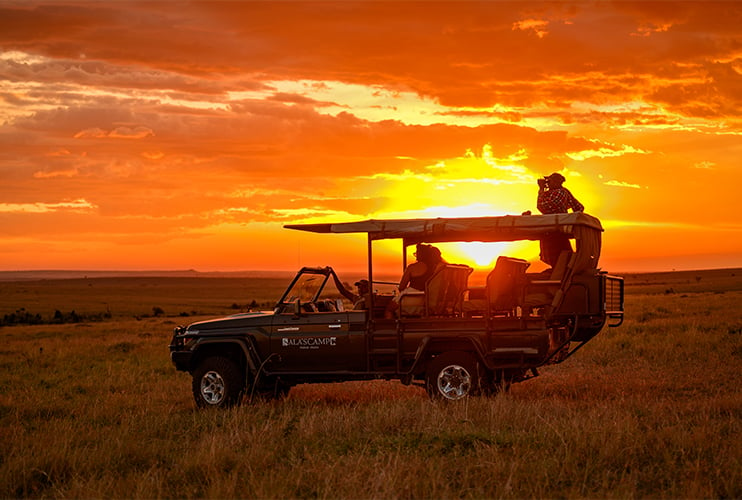
Learn all about Complete Guide to Giraffe Species and Subspecies in this comprehensive guide. Discover the best time to go, what to see, and how to plan your trip.
Introduction to Complete Guide to Giraffe Species and Subspecies
Understanding complete guide to giraffe species and subspecies is essential for anyone planning a safari in Africa. This topic encompasses a range of considerations that can significantly impact your travel experience, from practical logistics to wildlife encounters that create lasting memories.
Key Details and Considerations
Delving deeper into complete guide to giraffe species and subspecies, travelers discover that Africa's safari industry has evolved significantly over the past decades. Modern safari experiences combine traditional wilderness exploration with contemporary comfort and conservation awareness. The key is finding the right balance for your travel style and budget, which our cost calculator can help you determine.
Still researching? Let us help.
Our advisory team has planned safaris across 9 African countries. We can turn your research into a real plan.
Talk to an AdvisorPractical Advice
For practical guidance on complete guide to giraffe species and subspecies, consider these expert recommendations. First, start your research early and use reliable sources like our knowledge center for up-to-date information. Second, don't underestimate the value of professional guidance, as a knowledgeable safari planning guide can save you time, money, and potential disappointment. Third, remain flexible in your planning, as Africa's natural environments are dynamic and unpredictable.
Expert Insights
The landscape of complete guide to giraffe species and subspecies reflects broader trends in African tourism, including the growing emphasis on authentic experiences, wildlife conservation, and cultural exchange. Modern safari travelers are more informed and discerning than ever, seeking meaningful connections with the natural world rather than simply checking off a bucket list. Our knowledge center supports this approach with in-depth articles covering every aspect of safari travel.
Planning Your Next Steps
In summary, complete guide to giraffe species and subspecies is a multifaceted topic that rewards careful study and thoughtful planning. Whether you're a first-time safari traveler or a returning enthusiast, staying informed about the latest developments and best practices ensures the best possible experience. Explore our destinations, consult our safari operators, and use our cost calculator to begin planning your African adventure today.
Done Reading? Let's Build Your Safari.
Skip the guesswork. Work with an advisor who has been on the ground across East and Southern Africa.
Plan With UsWhere to Find Africa's Giraffe Subspecies
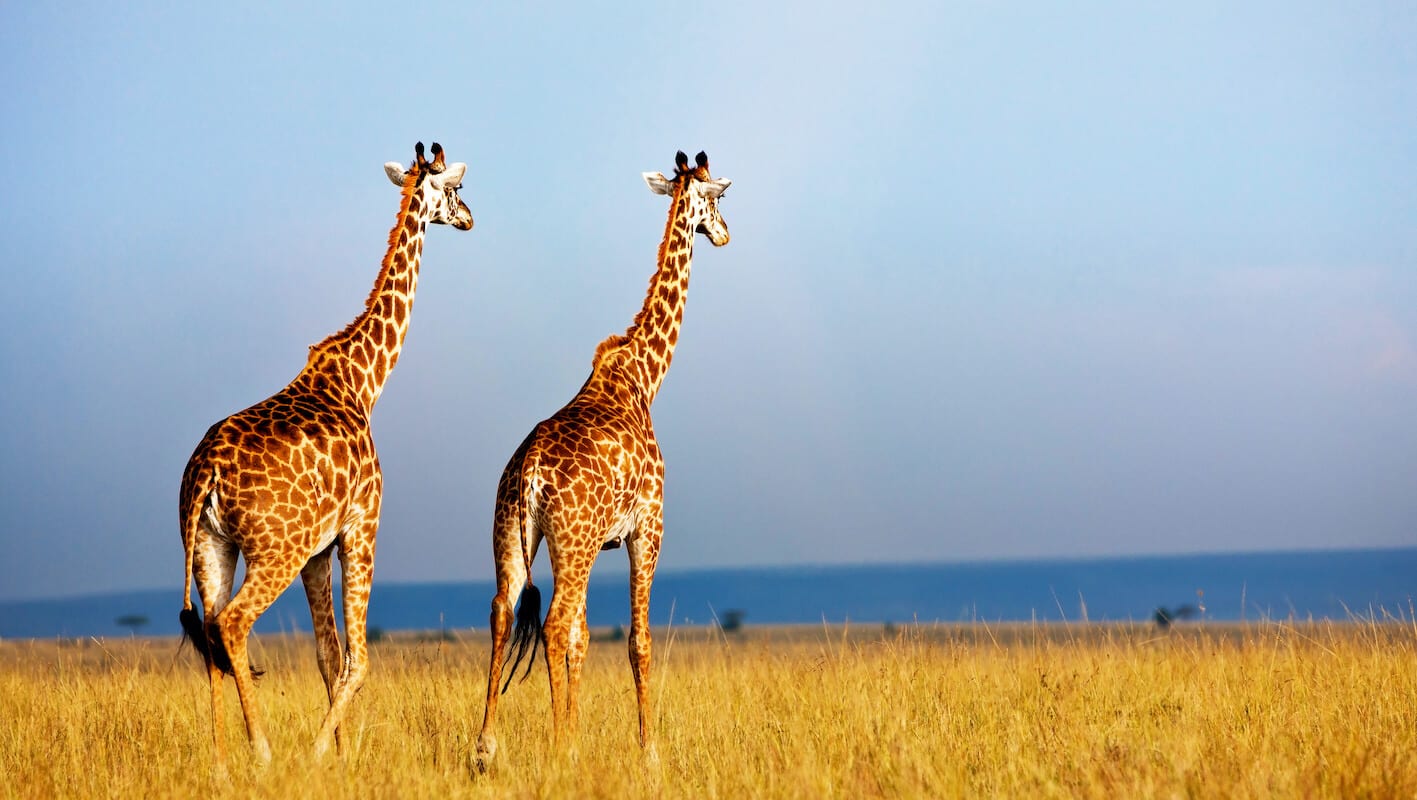
Spotting giraffes on safari is a highlight for many travelers, but knowing where to find specific subspecies can elevate your wildlife experience. Each subspecies has a unique coat pattern and is often restricted to specific regions or even parks. Here’s a guide to where you can find them.
Masai Giraffe (*Giraffa tippelskirchi*)
The most numerous of the giraffe subspecies, the Masai giraffe is found in both Kenya and Tanzania. Their spots are jagged and irregular, resembling oak leaves.
- Best Places to See Them: Serengeti National Park and the Masai Mara National Reserve are prime locations. You can also find them in Tarangire National Park and Amboseli National Park, often with the stunning backdrop of Mount Kilimanjaro.
- Expert Insight: For incredible photo opportunities, consider a safari in the southern Serengeti during the green season (December to March). The lush landscapes provide a vibrant contrast to the giraffes' coats. Explore our destinations to find the perfect safari for you.
Reticulated Giraffe (*Giraffa reticulata*)
Arguably the most recognized giraffe, the reticulated giraffe has large, polygonal, liver-colored spots outlined by a network of bright white lines. Their range is primarily in northern Kenya.
- Best Places to See Them: Samburu National Reserve, Buffalo Springs National Reserve, and Meru National Park are the strongholds for this subspecies.
- Traveler's Tip: A visit to the Giraffe Centre in Nairobi allows you to get up close with reticulated giraffes and even feed them. It’s a fantastic experience for families and a great way to learn more about giraffe conservation before heading out on safari. Our safari operators can help you incorporate this into your itinerary.
Rothschild's Giraffe (*Giraffa camelopardalis rothschildi*)
Once widespread, the Rothschild's giraffe is now one of the most endangered subspecies. They are distinct for their five ossicones (horns) instead of the usual two.
- Best Places to See Them: Lake Nakuru National Park in Kenya and Murchison Falls National Park in Uganda are the best places to see them in the wild.
- Conservation Note: The population in Murchison Falls has been a major conservation success story. A boat cruise on the Nile River often provides excellent sightings of these giraffes coming to drink.
Angolan Giraffe (*Giraffa angolensis*)
Found in northern Namibia, southwestern Zambia, and parts of Botswana and Zimbabwe. Their spots are large and notched, extending down their legs.
- Best Places to See Them: Etosha National Park in Namibia is the top destination for seeing Angolan giraffes. The park's numerous waterholes attract large numbers of wildlife, including these graceful giants.
The Silent Extinction: Giraffe Conservation
Many travelers are surprised to learn that giraffe populations have plummeted by nearly 40% in the last three decades. The IUCN now lists the species as "Vulnerable," with some subspecies critically endangered.
The primary threats to giraffes are:
- Habitat Loss and Fragmentation: Expanding agriculture and human settlements are shrinking the savannas giraffes depend on.
- Poaching: Giraffes are illegally hunted for their meat, hides, and tails.
- Civil Unrest: Conflicts in some parts of Africa have had a devastating impact on wildlife, including giraffes.
By choosing a reputable safari operator, you are contributing to conservation efforts that protect these magnificent animals. Learn more in our knowledge center.
Understanding Giraffe Behavior
Beyond their towering height, giraffes have fascinating behaviors that are a joy to observe on safari.
- Social Structure: Giraffes have a fluid social structure. While they are often seen in herds, these are typically loose, temporary associations. The strongest social bonds are between mothers and their calves.
- Necking: This is one of the most dramatic giraffe behaviors. Males will swing their long necks at each other, delivering powerful blows with their heads. This is a way to establish dominance and win mating rights.
- Feeding Habits: Giraffes are browsers, feeding on leaves, flowers, and fruits from trees and shrubs. Their long necks give them access to a food source that few other herbivores can reach. They use their long, prehensile tongues to strip leaves from thorny acacia trees.
Planning Your Giraffe-Spotting Safari
Ready to see these gentle giants in their natural habitat? Here are a few tips:
- Best Time to Go: Giraffe can be seen year-round, but the dry season is often best for wildlife viewing in general, as animals congregate around water sources. Use our cost calculator to estimate your trip budget.
- What to Look For: When scanning the savanna, look for the distinctive shape of a giraffe's head and neck above the treeline. They are often found in small groups, so where you see one, there are likely more nearby.
- Patience is Key: Spend time watching them. You might witness a tender moment between a mother and calf, or the impressive sight of two males necking. Plan your safari with our experts to maximize your chances of unforgettable wildlife encounters.
Need Expert Safari Guidance?
Get expert advisory support from a firm founded by a former safari guide — with real operational knowledge across 9 African countries and full-journey accountability.
Related Planning Guides
Explore Related Topics
Recommended Reading
 Wildlife Guides
Complete Guide to Vulture Species of Africa
Learn all about Complete Guide to Vulture Species of Africa in this comprehensive guide. Discover the best time to go, what to see, and how to plan your trip.
 Wildlife Guides
Complete Guide to Hornbill Species of Africa
Learn all about Complete Guide to Hornbill Species of Africa in this comprehensive guide. Discover the best time to go, what to see, and how to plan your trip.
 Wildlife Guides
Complete Guide to Bushbaby Species
A comprehensive guide to Complete Guide to Bushbaby Species. Learn about its habitat, behavior, diet, and conservation status.
 Destination Guides
Complete Guide to Table Mountain National Park
A complete guide to Complete Guide to Table Mountain National Park. Learn about the wildlife, activities, and best time to visit this amazing destination.
 Destination Guides
Complete Guide to Garden Route Safari Options
A complete guide to Complete Guide to Garden Route Safari Options. Learn about the wildlife, activities, and best time to visit this amazing destination.
 Destination Guides
Complete Guide to Sabi Sands Game Reserve
A complete guide to Complete Guide to Sabi Sands Game Reserve. Learn about the wildlife, activities, and best time to visit this amazing destination.