
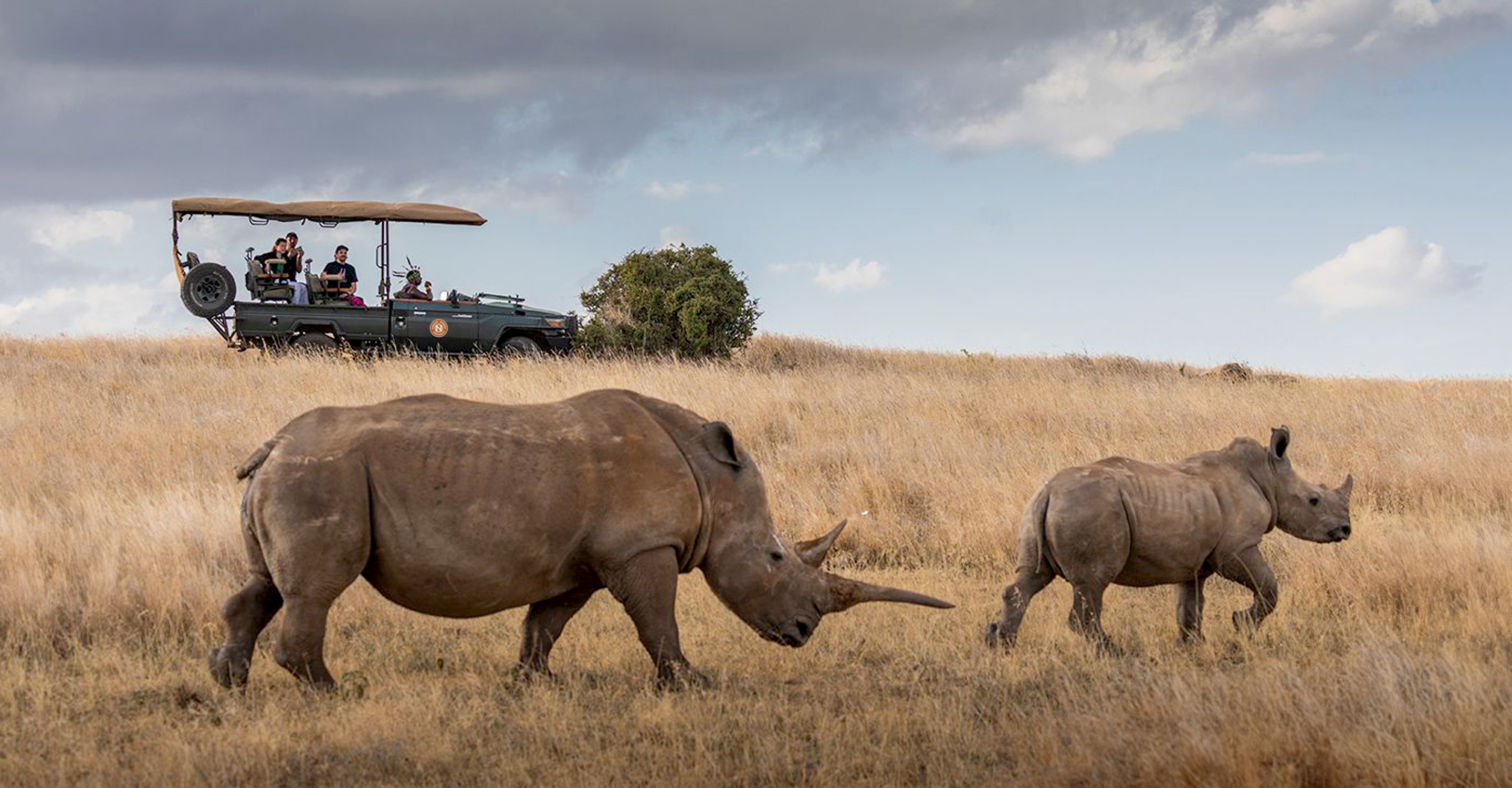
Discover the pristine wilderness of Lower Zambezi National Park in Zambia, a haven for wildlife and a premier safari destination.
A Wilderness of Unspoiled Beauty
Lower Zambezi National Park, situated in southeastern Zambia, is a breathtaking expanse of pristine wilderness. The park stretches along the northern bank of the mighty Zambezi River, creating a stunning backdrop for an unforgettable safari experience. The river itself is a lifeblood for the region, attracting a high concentration of wildlife to its fertile floodplains. For more on Zambia's national parks, see our destinations page.
Abundant Wildlife
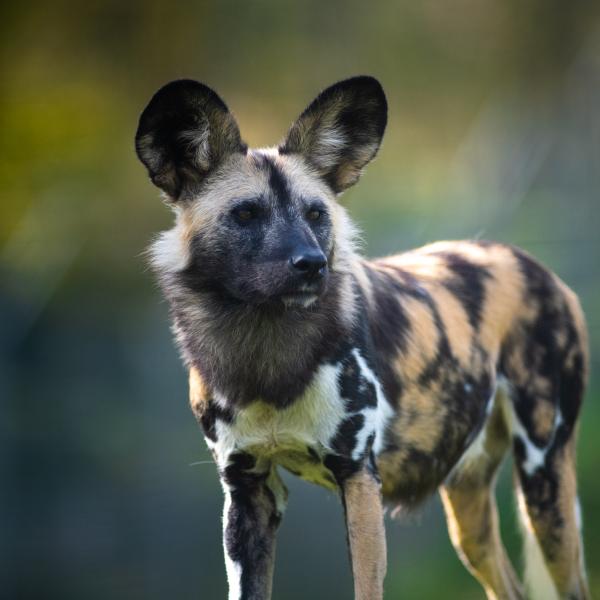
The park is renowned for its large herds of elephants and buffalo, which are often seen along the riverbanks. Lions, leopards, and spotted hyenas are the main predators, and the park is also a stronghold for the endangered African wild dog. The river is teeming with hippos and crocodiles, and the birdlife is prolific, with over 400 species recorded. Our safari operators can help you plan a safari focused on wildlife photography.
Still researching? Let us help.
Our advisory team has planned safaris across 9 African countries. We can turn your research into a real plan.
Talk to an AdvisorUnique Safari Activities
Lower Zambezi National Park offers a variety of unique safari activities. In addition to traditional game drives, you can explore the park on a walking safari, getting up close to the flora and fauna. Canoeing and boating on the Zambezi River provide a different perspective, allowing you to silently glide past elephants drinking at the water's edge. Fishing for the legendary tigerfish is another popular activity. For more on safari activities, visit our knowledge center.
Planning Your Safari
The best time to visit Lower Zambezi National Park is during the dry season, from May to October, when wildlife is concentrated around the river and water sources. The park is home to a selection of intimate and exclusive safari camps and lodges, offering a luxurious and immersive wilderness experience. Use our cost calculator to help you budget for your Zambian safari.
The Unforgettable Canoeing Safari: A Case Study
Imagine gliding silently along the Zambezi River as the sun begins to set, casting a golden glow over the water. This is the quintessential Lower Zambezi canoeing experience. A typical multi-day canoeing safari, often led by operators like Zambezi Expeditions, allows for an unparalleled connection with nature. You'll navigate past pods of hippos, sunbathing crocodiles, and elephants quenching their thirst at the river's edge. Your expert guide, who has an intimate knowledge of the river's currents and its inhabitants, ensures both your safety and a rich interpretive experience. For instance, you might learn to identify the alarm calls of a bushbuck, signaling a nearby leopard, or understand the intricate social dynamics of a hippo pod. Evenings are spent in mobile fly camps set up on secluded islands, where you'll dine under the stars and fall asleep to the sounds of the African bush—an experience that is both wild and deeply serene.
Done Reading? Let's Build Your Safari.
Skip the guesswork. Work with an advisor who has been on the ground across East and Southern Africa.
Plan With UsConservation in the Lower Zambezi
The pristine wilderness of the Lower Zambezi is a testament to the dedicated conservation efforts within the region. A key player is Conservation Lower Zambezi (CLZ), a non-profit organization that works in partnership with the Zambian Department of National Parks and Wildlife. CLZ focuses on anti-poaching patrols, wildlife rescue, and community outreach programs. When you visit the Lower Zambezi, your park fees and a portion of the revenue from responsible safari operators directly contribute to these vital conservation initiatives. This symbiotic relationship between tourism and conservation ensures that the park's ecosystems and wildlife populations remain protected for future generations. By choosing to visit, you become an active participant in the preservation of this remarkable wilderness.
Accommodation: From Luxury Tents to Classic Camps
The Lower Zambezi offers some of Africa's most acclaimed safari lodges, blending seamlessly into the riverside wilderness. These camps typically operate on an all-inclusive basis, covering accommodation, meals, drinks, and standard safari activities. It's important to book well in advance, especially for the peak season.
For those seeking the pinnacle of luxury, Chiawa Camp and Sausage Tree Camp are premier choices. These award-winning lodges offer opulent tented suites, often featuring private plunge pools, copper bathtubs, and personal butlers. The guiding here is exceptional, with a focus on delivering a deeply personalized and flexible safari experience. Expect to invest between $1,500 to $2,500 per person per night for this level of exclusivity and service. These lodges are perfect for honeymooners or discerning travelers for whom comfort and world-class service are paramount.
For a more grounded and authentic, yet still very comfortable, experience, camps like Old Mondoro and Chongwe River Camp strike an excellent balance. They offer a more rustic and intimate connection to the bush without sacrificing comfort. The focus is on the wildlife and the quality of the guiding. Accommodation is in beautifully appointed tents or suites that feel connected to the surrounding environment. Rates for these high-quality camps generally fall between $800 and $1,200 per person per night. They represent a fantastic value, providing access to the same incredible wilderness and expert guiding as the top-tier lodges.
Park Logistics: Getting to the Lower Zambezi
Reaching this remote wilderness is part of the adventure. The most common and recommended route for international travelers is by air.
- International Flight: You will first fly into Zambia's primary international gateway, Kenneth Kaunda International Airport (LUN) in Lusaka.
- Charter Flight: From Lusaka, you will take a scheduled charter flight to one of the Lower Zambezi's airstrips, such as Jeki or Royal Airstrip. These flights are typically operated in small Cessna or Caravan aircraft, offering spectacular aerial views of the Zambezi River and the escarpment. The flight duration is approximately 30-40 minutes.
- Lodge Transfer: Upon landing at the airstrip, a representative from your chosen safari lodge will meet you for a transfer by 4x4 vehicle to the camp, which can take anywhere from 30 minutes to an hour.
While self-driving is technically possible, it is not recommended for most visitors. The journey from Lusaka is long (over 5 hours) and involves navigating rough, unpaved roads that can be challenging, especially after the rains. The ease and speed of the charter flights are well worth the additional cost for a short safari itinerary.
Understanding Park Fees and Safari Costs
Planning a safari budget for the Lower Zambezi requires understanding a few key components. Beyond your accommodation, you must account for daily park fees, which are essential for funding the conservation work in the area.
As of recent estimates, the daily park entry fee for international visitors is approximately $65 per person per day. This fee is often included in the all-inclusive rate quoted by your lodge, but it's always wise to confirm this when booking. These fees, managed by the Department of National Parks and Wildlife in partnership with organizations like Conservation Lower Zambezi, directly support anti-poaching patrols and community programs.
Additionally, consider these costs:
- Conservation Levies: Many lodges add a small conservation levy (e.g., $10-$25 per person per night) that is donated directly to conservation partners.
- Premium Activities: While game drives and walking safaris are standard, specialized activities like tiger fishing may incur an extra cost for boat and equipment rental.
- Gratuities: Tipping your guide and the general camp staff is customary. A common guideline is to budget $15-$20 per guest per day for your guide and a similar amount for the communal staff pool. Our safari operators can provide more detailed guidance on tipping etiquette.
Need Expert Safari Guidance?
Get expert advisory support from a firm founded by a former safari guide — with real operational knowledge across 9 African countries and full-journey accountability.
Related Planning Guides
Recommended Reading
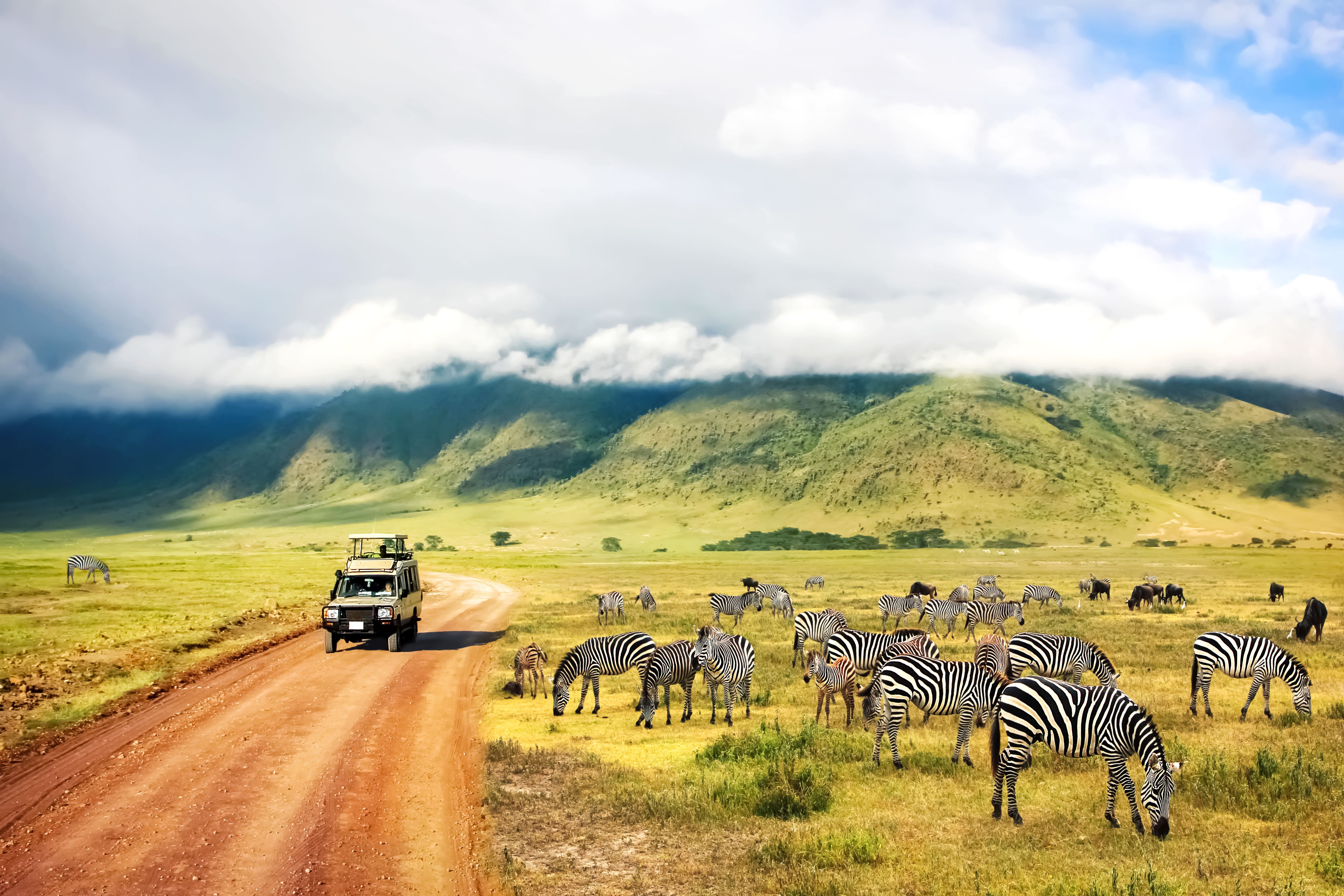 Destination Guides
Mikumi National Park: An Accessible Safari
Discover Mikumi National Park, an accessible and affordable safari destination in Tanzania. Learn about its wildlife, activities, and when to visit.
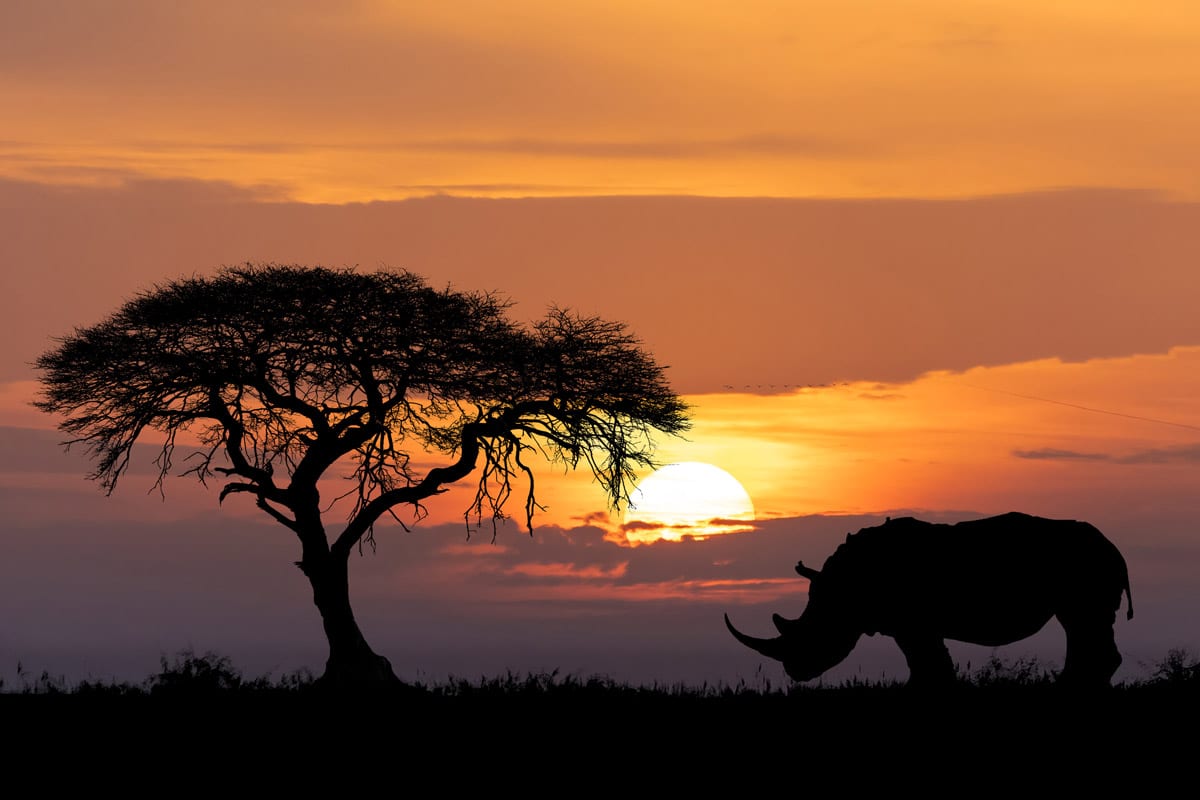 Destination Guides
Katavi National Park: A Remote Wilderness
Experience the raw and remote wilderness of Katavi National Park. This guide covers its incredible wildlife, when to visit, and what to expect.
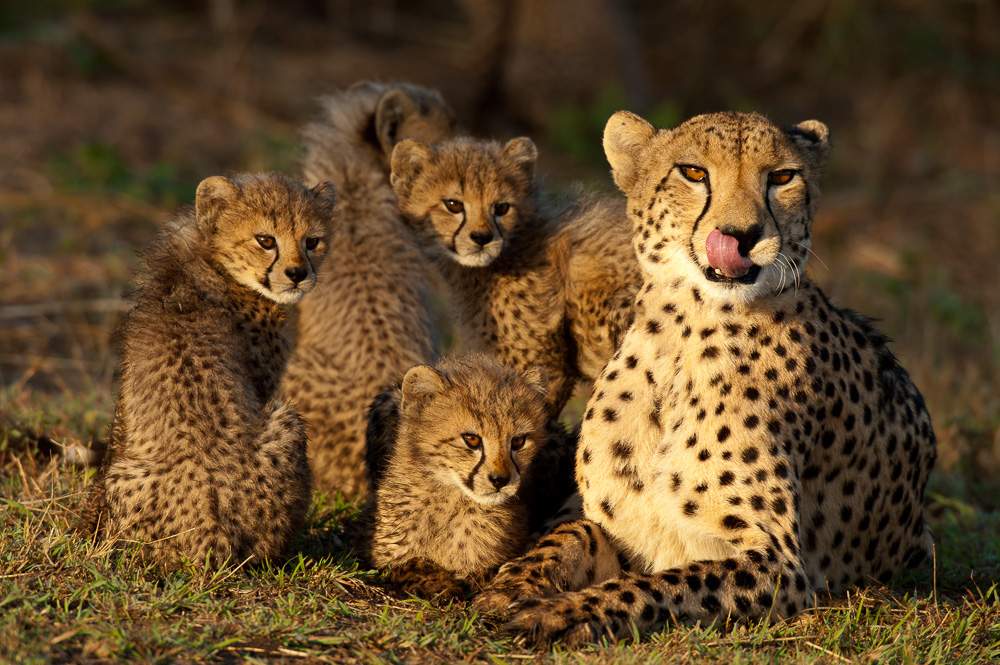 Destination Guides
Arusha National Park: A Day Trip Destination
Explore the diverse landscapes of Arusha National Park, from the Momella Lakes to the Ngurdoto Crater. This guide covers everything you need to know for a day t
 Safari Comparison Articles
Private Conservancy vs National Park Safari
Learn about private conservancy vs national park safari in this comprehensive safari guide covering key insights and practical advice.
 National Park Guides
Serengeti National Park Guide
Explore the wonders of Serengeti National Park with our expert guide. Learn about the Great Migration, wildlife, and planning your unforgettable Tanzanian safari.
 National Park Guides
Kruger National Park Guide
Discover the ultimate guide to Kruger National Park. Learn about its incredible wildlife, the best time to visit, and how to plan your dream safari adventure.