
Discover Twyfelfontein, Namibia\
A UNESCO World Heritage Site
Twyfelfontein, located in the Kunene Region of northwestern Namibia, is a site of immense cultural and historical significance. In 2007, it was declared Namibia's first UNESCO World Heritage Site due to its vast collection of rock engravings. The site, whose name translates to 'doubtful spring,' is a testament to the lives of the hunter-gatherers who inhabited this area for thousands of years. For more on cultural heritage sites, visit our knowledge center.
The Rock Engravings
The engravings at Twyfelfontein are estimated to be between 2,000 and 6,000 years old. There are over 2,500 individual engravings, depicting a wide range of subjects. You can see representations of animals such as rhinos, elephants, giraffes, and lions, as well as human figures and abstract symbols. These petroglyphs provide a fascinating glimpse into the spiritual beliefs and daily lives of the San people who created them. Our safari operators can help you arrange a guided tour of the site.
Still researching? Let us help.
Our advisory team has planned safaris across 9 African countries. We can turn your research into a real plan.
Talk to an AdvisorThe Surrounding Landscape
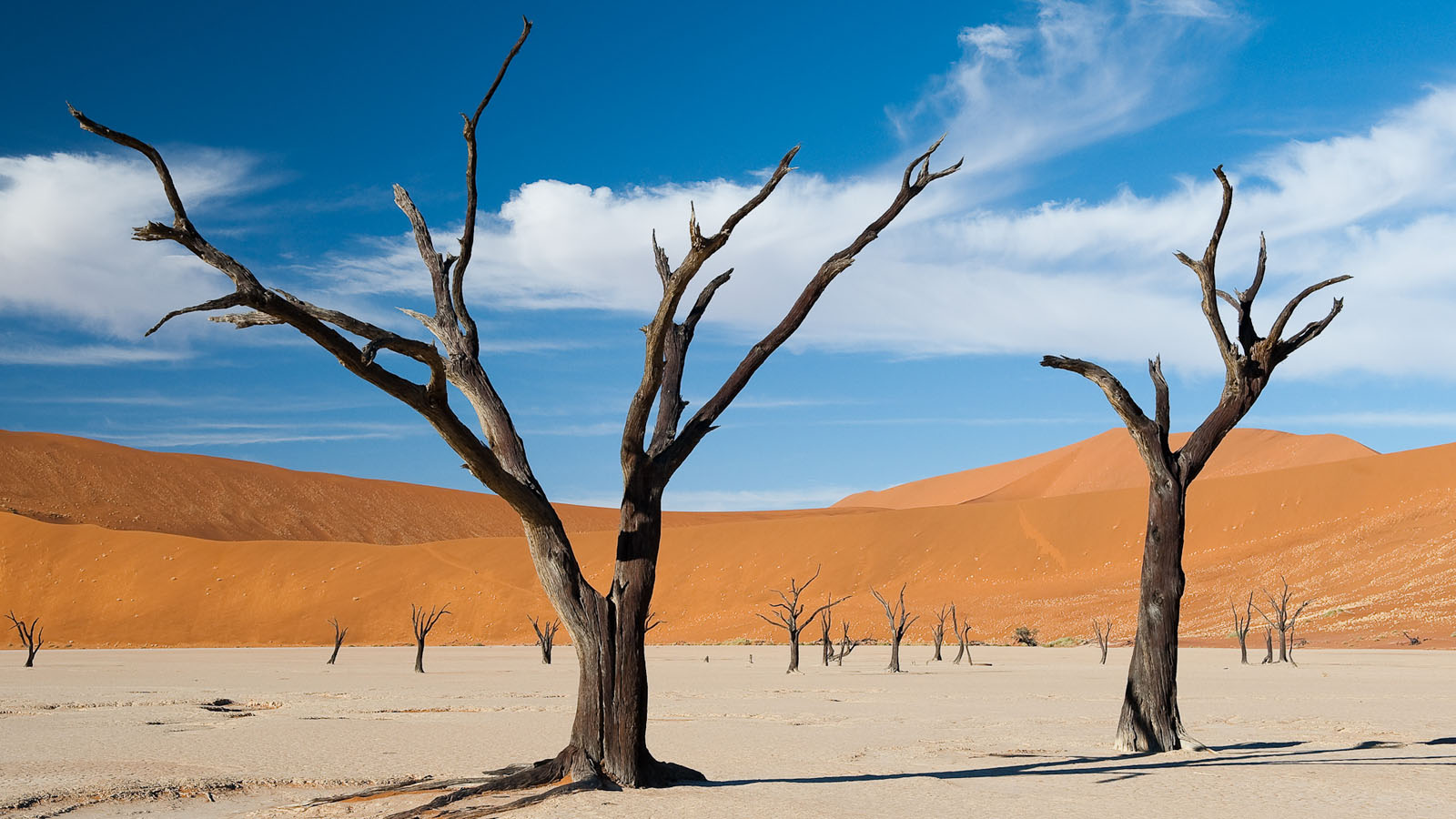
Twyfelfontein is situated in a valley, surrounded by the stunning landscapes of Damaraland. The area is characterized by its red sandstone cliffs, which provide the canvas for the ancient rock art. The unique geology of the region, combined with the arid climate, has helped to preserve the engravings for millennia. Exploring this area offers a chance to appreciate both the natural beauty and the rich cultural history of Namibia. To explore other destinations, visit our destinations page.
Visiting Twyfelfontein
When visiting Twyfelfontein, it is mandatory to be accompanied by a local guide. The guides are knowledgeable about the history of the site and the meaning of the engravings. They will lead you on a walk through the site, pointing out the most significant engravings and sharing stories about the people who created them. A visit to Twyfelfontein is a truly unforgettable experience, offering a unique window into Africa's ancient past. Use our cost calculator to help plan your trip to Namibia.
Beyond the Engravings: Exploring Damaraland's Wonders
While the rock art is the main draw, the area surrounding Twyfelfontein is rich with other geological and cultural treasures that are worth exploring. Just a short drive away, you will find the Organ Pipes, a fascinating series of dolerite columns that resemble a giant church organ. Nearby is the Burnt Mountain, a desolate-looking hill that glows with a variety of colors when lit by the rising or setting sun. For a deeper cultural immersion, consider a visit to the Damara Living Museum, a community-based project where you can learn about the traditional culture, skills, and history of the Damara people. Combining these sites with your visit to Twyfelfontein provides a more comprehensive experience of this unique corner of Namibia.
Done Reading? Let's Build Your Safari.
Skip the guesswork. Work with an advisor who has been on the ground across East and Southern Africa.
Plan With UsUnderstanding the Art: Symbolism and Interpretation
The engravings at Twyfelfontein are more than just depictions of animals; they are a complex tapestry of stories, beliefs, and shamanistic rituals. One of the most famous panels, known as the "Lion Man," depicts a lion with a human-like hand at the end of its tail. This is widely interpreted as a representation of a shamanistic transformation, a central theme in San cosmology where spiritual leaders would enter a trance-like state to connect with the animal world. Many engravings show animal tracks alongside the animals themselves, which likely served as a teaching tool for young hunters, educating them on how to identify and follow spoor. The geometric patterns found at the site are believed to be representations of the spiritual visions experienced by shamans during their trance dances. Understanding this symbolism transforms a viewing of the engravings from a simple sightseeing activity into a profound journey into the spiritual world of an ancient people.
Planning Your Trip to Twyfelfontein
A successful trip to this remote region of Namibia requires careful planning. The best time to visit Twyfelfontein is during the dry season, from May to September, when temperatures are cooler and the skies are clear. The landscape is starkly beautiful during this time, and the lack of rain makes for easier travel on the gravel roads. The shoulder seasons of April, October, and November are also good times to visit, with fewer crowds and the chance of seeing the landscape transformed by the first or last rains.
Getting There: Twyfelfontein is located in Damaraland, approximately 430 kilometers (267 miles) from Windhoek, the capital of Namibia. The journey from Windhoek takes around 5-6 hours by car. Most visitors access the site as part of a larger self-drive or guided safari through Namibia. The roads in Damaraland are primarily gravel, so a 4x4 vehicle is highly recommended, especially if you plan to explore the surrounding areas. The closest town with services is Khorixas, about 90 kilometers (56 miles) to the east.
What to Pack: The climate in Damaraland is arid, with hot days and cool nights. Be sure to pack lightweight clothing in neutral colors, a warm jacket for the evenings, comfortable walking shoes for exploring the rocky terrain, a wide-brimmed hat, sunglasses, and high-SPF sunscreen. It is also essential to carry plenty of water with you, as dehydration is a real risk in this desert environment.
Where to Stay in Damaraland
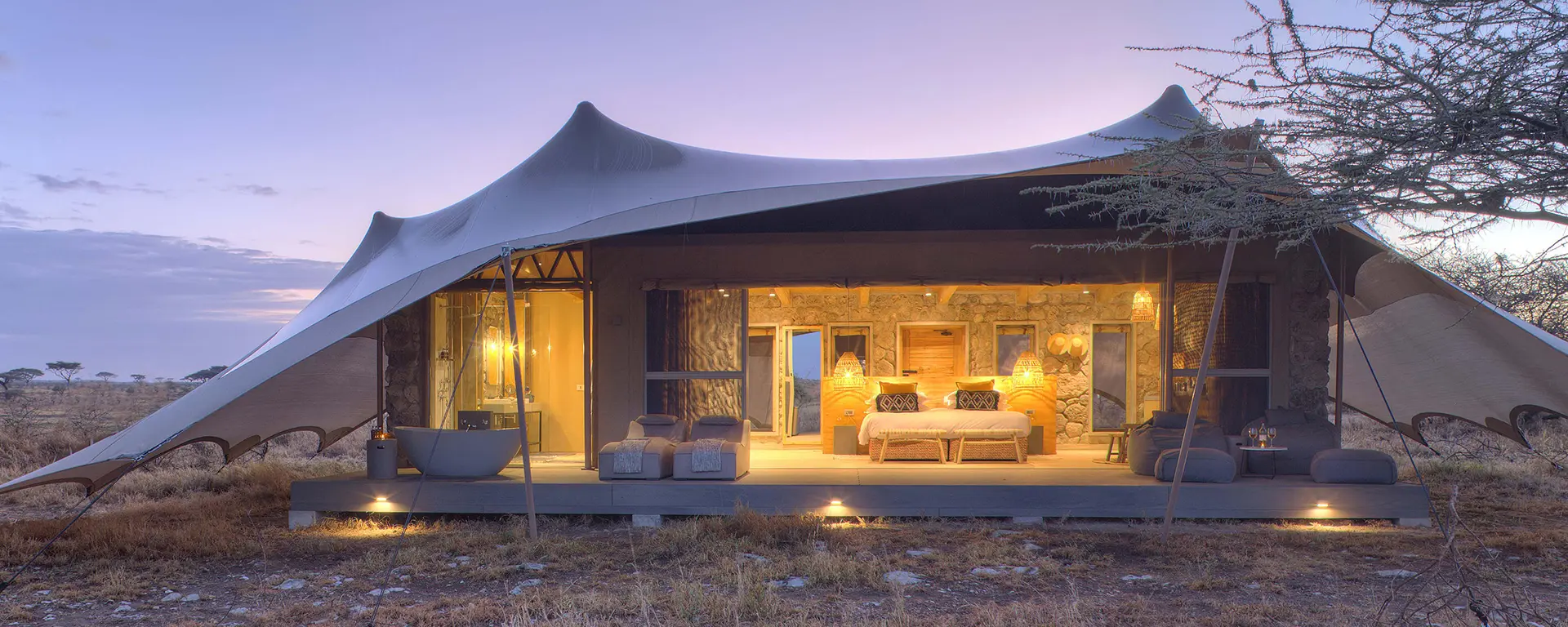
There are several excellent accommodation options near Twyfelfontein, ranging from luxury lodges to community-run campsites. Here are a few recommendations:
- Twyfelfontein Country Lodge: This is the largest and most established lodge in the area, located just a few kilometers from the rock engravings. The lodge is built into the red sandstone cliffs and offers comfortable rooms, a swimming pool, and guided excursions to the rock art and other nearby attractions. Prices range from $200 to $400 per person per night.
- Camp Kipwe: For a more intimate and luxurious experience, Camp Kipwe is an excellent choice. The camp is nestled among the granite boulders of the Aba-Huab Valley and offers unique, dome-shaped bungalows with stunning views. The focus here is on personalized service and exclusive experiences, such as tracking desert-adapted elephants. Expect to pay $500 to $800 per person per night.
- Mowani Mountain Camp: Another high-end option, Mowani offers a similar level of luxury and exclusivity to Camp Kipwe. The camp is perched on a rocky outcrop with panoramic views of the surrounding landscape. The main lodge has a thatched roof and open sides, creating a seamless connection with the natural environment. Prices are in the range of $600 to $900 per person per night.
- Aba-Huab Campsite: For budget-conscious travelers, the Aba-Huab Campsite is a great option. This community-run campsite is located on the banks of the Aba-Huab River and offers basic but clean facilities. It's a great base for exploring the area, and the profits go directly to the local community. Camping fees are around $15 per person per night.
Our operator directory has a comprehensive list of accommodation and tour providers in Namibia.
The Desert-Adapted Wildlife of Damaraland
Damaraland is not a traditional Big Five safari destination, but it is home to a fascinating array of desert-adapted wildlife. The most famous of these are the desert-adapted elephants, which have longer legs and larger feet than their savanna-dwelling cousins, allowing them to travel long distances in search of water. They are often seen in the dry riverbeds, digging for water with their trunks.
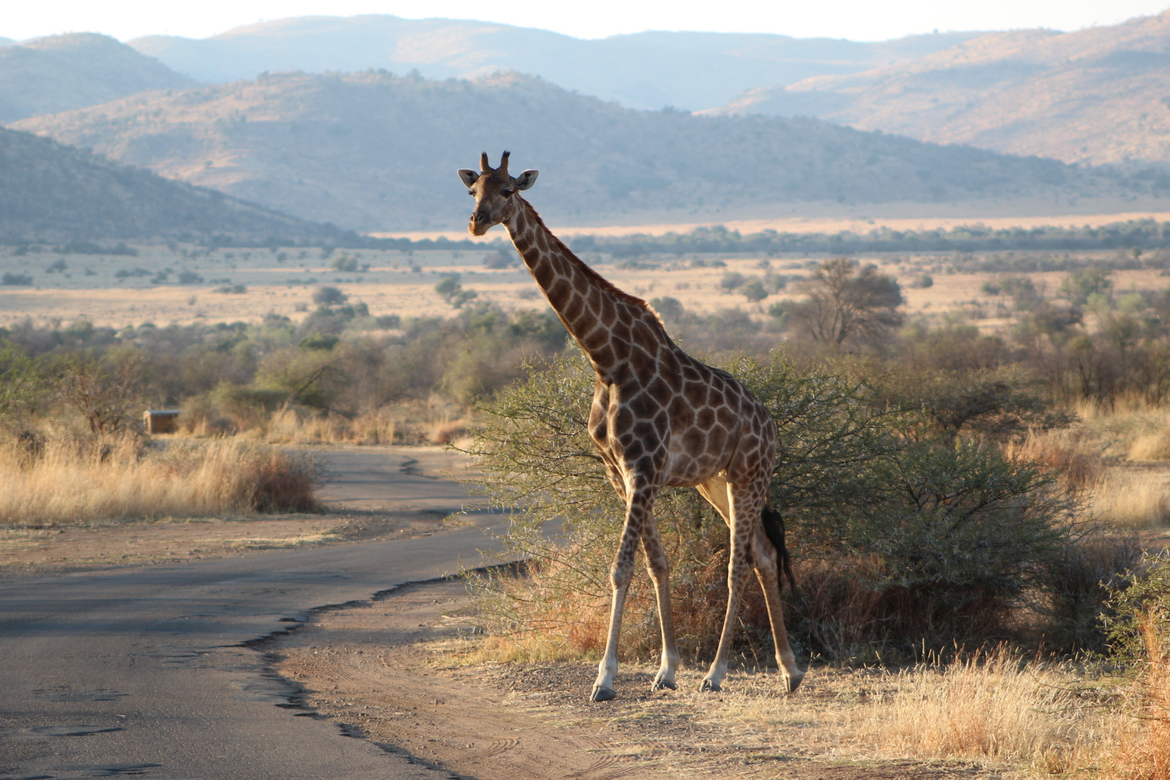
The region is also a stronghold for the critically endangered black rhino. Tracking these magnificent animals on foot with a guide is a truly unforgettable experience. Other wildlife you might encounter includes giraffe, zebra, oryx, springbok, and a variety of smaller predators like jackals and hyenas. The birdlife is also prolific, with over 200 species recorded in the area.
A Sample 2-Day Twyfelfontein Itinerary
To make the most of your visit, we recommend spending at least two days in the area. Here is a sample itinerary:
Day 1: Arrival and Rock Art
- Arrive at your lodge in the early afternoon and settle in.
- In the late afternoon, when the light is at its best, take a guided tour of the Twyfelfontein rock engravings.
- Return to your lodge for dinner and a relaxing evening under the stars.
Day 2: Geological Wonders and Cultural Immersion
- After an early breakfast, visit the Organ Pipes and Burnt Mountain.
- Continue to the Damara Living Museum to learn about the traditional culture of the Damara people.
- In the afternoon, embark on a game drive in search of desert-adapted elephants and other wildlife.
- Enjoy a final sundowner in the bush before returning to your lodge for dinner.
For help planning a customized Namibian safari, contact one of our safari operators.
Photography Tips for Twyfelfontein
The dramatic landscapes and ancient rock art of Twyfelfontein offer incredible photographic opportunities. Here are a few tips to help you get the best shots:
- Golden Hour: The best time to photograph the rock engravings is during the golden hour, the first hour after sunrise and the last hour before sunset. The soft, warm light brings out the color and texture of the rock and makes the engravings stand out.
- Polarizing Filter: A polarizing filter can help to reduce glare and enhance the colors of the landscape.
- Wide-Angle Lens: A wide-angle lens is essential for capturing the vastness of the Damaraland landscape.
- Telephoto Lens: A telephoto lens will be useful for photographing wildlife from a distance.
- Respect the Site: Remember that this is a sacred site. Do not touch the engravings or use a flash, as this can damage them. Always stay on the designated paths and follow the instructions of your guide.
Need Expert Safari Guidance?
Get expert advisory support from a firm founded by a former safari guide — with real operational knowledge across 9 African countries and full-journey accountability.
Related Planning Guides
Recommended Reading
 Destination Guides
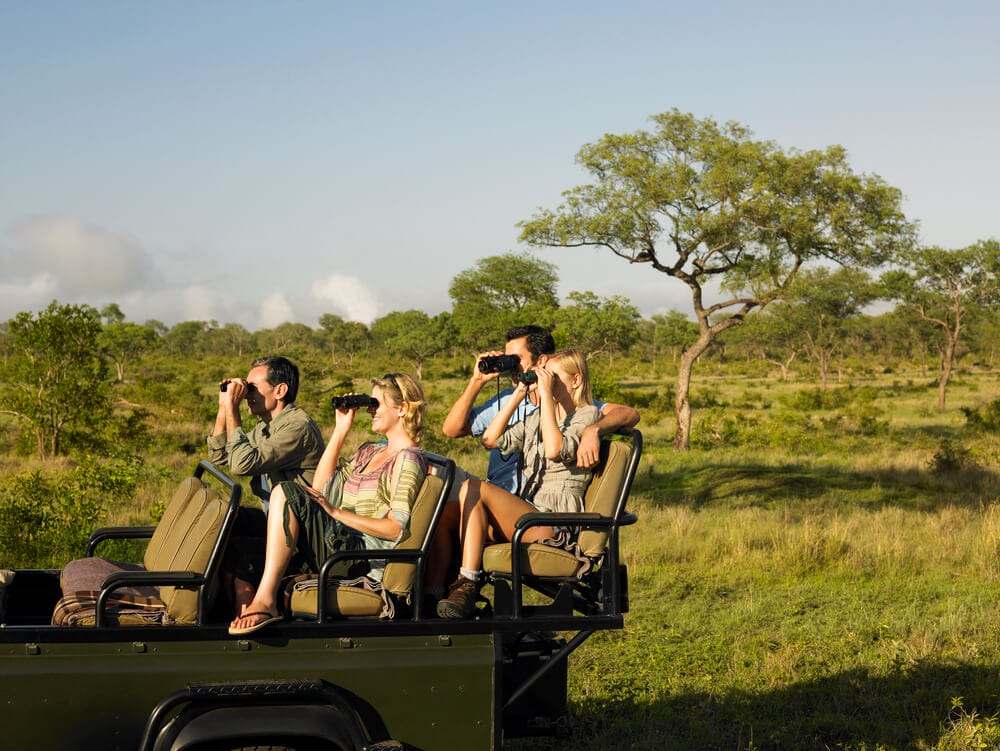
Lake Kivu: A Lakeside Paradise in the Heart of Africa
Discover Lake Kivu, a beautiful freshwater lake on the border of Rwanda and the Democratic Republic of Congo, offering stunning scenery, relaxing beaches, and a variety of water sports.
 Advanced Safari Planning
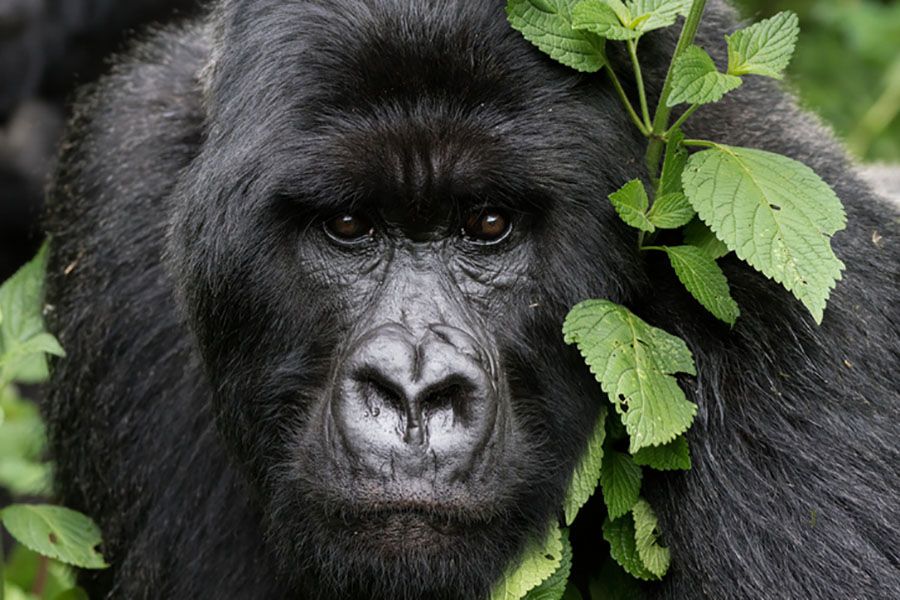
Safari Charter Flights
Discover how safari charter flights can elevate your African safari. This guide explains the benefits, costs, and logistics of using bush planes to save time.
 Wildlife Guides
Complete Guide to Martial Eagle
Learn all about Complete Guide to Martial Eagle in this comprehensive guide. Discover the best time to go, what to see, and how to plan your trip.
 Wildlife Guides
Complete Guide to Warthog Behavior
A comprehensive guide to Complete Guide to Warthog Behavior. Learn about its habitat, behavior, diet, and conservation status.
 Wildlife Guides
Complete Guide to Hartebeest
A comprehensive guide to Complete Guide to Hartebeest. Learn about its habitat, behavior, diet, and conservation status.
 Safari Operator Articles
How Safari Operators Partner With Lodges
An inside look at the relationship between safari operators and lodges and how they work together to create a great safari experience.