
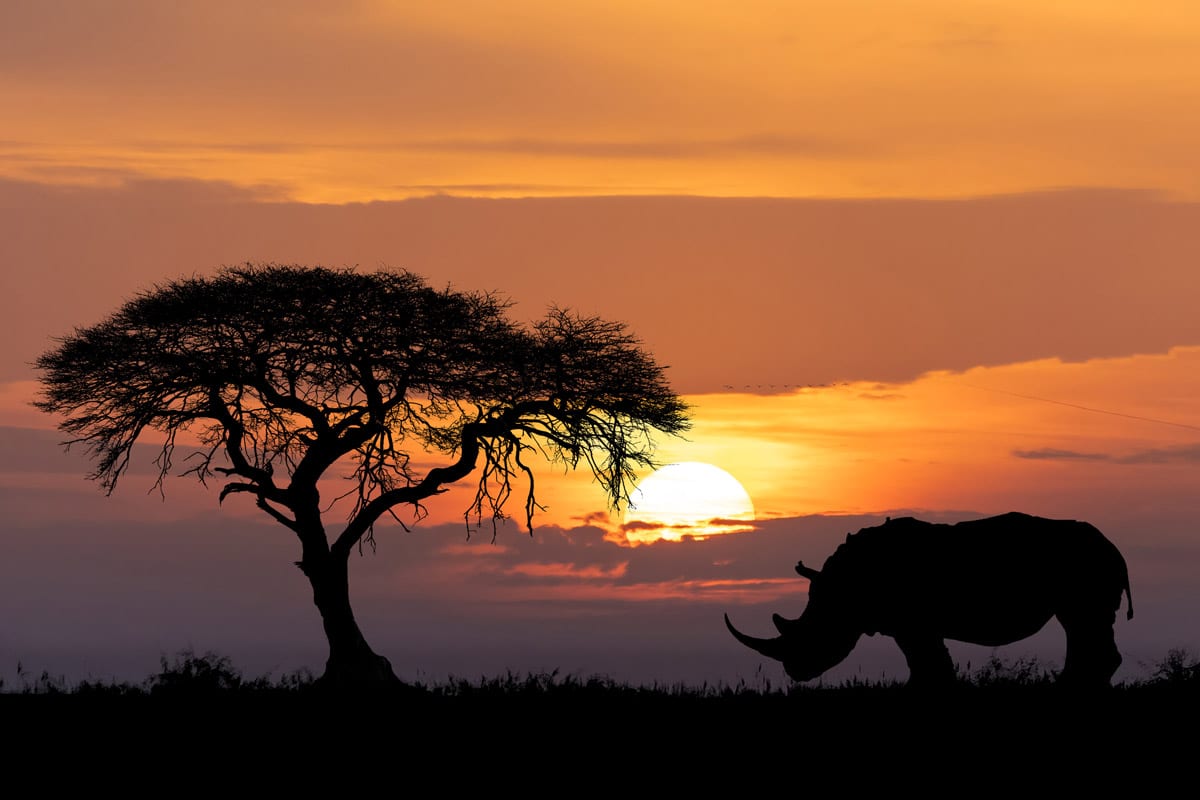
Experience the raw and remote wilderness of Katavi National Park. This guide covers its incredible wildlife, when to visit, and what to expect.
The Wilds of Katavi
Katavi National Park is one of the most remote and untouched wilderness areas in Tanzania. Its isolation means that it receives very few visitors, offering a truly exclusive safari experience. The park is known for its dramatic landscapes, from the vast floodplains to the dense woodlands. A safari in Katavi is an adventure into the heart of wild Africa. For more on remote safari destinations, our team can provide expert recommendations.
Incredible Wildlife Spectacles
During the dry season, Katavi is the scene of incredible wildlife spectacles. The Katuma River shrinks to a few small pools, attracting huge herds of buffalos and elephants. The river is also home to one of the highest concentrations of hippos and crocodiles in Africa. The sheer number of animals is breathtaking and provides a glimpse of what much of Africa was like a century ago. Our safari operators can help you plan a trip to witness this amazing phenomenon.
Still researching? Let us help.
Our advisory team has planned safaris across 9 African countries. We can turn your research into a real plan.
Talk to an AdvisorAn Exclusive Safari Experience
With only a handful of small camps, Katavi offers a level of exclusivity that is hard to find elsewhere. You can spend a whole day on a game drive without seeing another vehicle. This sense of isolation and solitude is a key part of the Katavi experience. It's a place for true safari connoisseurs who are looking for an authentic and immersive adventure. For more on exclusive safari experiences, visit our knowledge center.
Planning Your Katavi Safari
Katavi is best visited during the dry season, from June to October, when the wildlife is concentrated around the rivers. The park is accessible only by light aircraft, which adds to its remote and exclusive feel. A safari to Katavi is a significant investment, but the experience is truly priceless. To get an idea of the costs, use our cost calculator. Our team can help you plan the ultimate wilderness adventure to Katavi.
The Katavi Ecosystem: Beyond the Floodplains
While Katavi is renowned for the vast, game-rich floodplains of the Katuma River, the park’s biodiversity extends far beyond these seasonal wetlands. Understanding the varied habitats is key to appreciating the complexity and resilience of this remote ecosystem. The park is a mosaic of landscapes, each supporting a distinct community of wildlife.
Miombo Woodlands: Covering a significant portion of the park, the Miombo woodlands are characterized by their dominant Brachystegia trees. These woodlands are home to a variety of browsers, including impressive herds of sable and roan antelope, which are a rare sight in other parts of Tanzania. The woodlands also provide cover for elusive predators like leopards and are a crucial habitat for a wide array of bird species.
Acacia Bushlands: Interspersed with the Miombo woodlands, you will find stretches of acacia bushland. This habitat is favored by giraffes, kudus, and impalas. The mix of open grassland and thorny acacia trees creates a perfect environment for both grazing and browsing animals, and the predators that follow them.
> Expert Insight: The interplay between the Miombo woodlands and the acacia bushlands creates a dynamic environment where different species can thrive. During the wet season, the woodlands are lush and green, but as the dry season progresses, the landscape transforms, and the wildlife concentrates around the remaining water sources.
The Katuma River and its Floodplains: The Katuma River is the lifeblood of Katavi. During the dry season, the river shrinks to a few muddy pools, and it is here that the park’s famous hippo pods congregate in their hundreds. The floodplains, which are vast grasslands during the dry season, become a hunting ground for lions, hyenas, and wild dogs. The sheer concentration of wildlife around the dwindling water sources is a spectacle that few other parks in Africa can rival.
Done Reading? Let's Build Your Safari.
Skip the guesswork. Work with an advisor who has been on the ground across East and Southern Africa.
Plan With UsA Day on Safari in Katavi
A safari in Katavi is an immersion into a truly wild and untamed corner of Africa. The days are dictated by the rhythms of the bush, and the experience is a world away from the more crowded parks of the northern circuit. Here is what a typical day on safari in Katavi might look like:
Morning Game Drive: The day starts early, with a wake-up call before sunrise. After a quick cup of coffee and a light breakfast, you will head out on a game drive in an open-sided 4x4 vehicle. The early morning light is perfect for photography, and the animals are at their most active. You might encounter a pride of lions on the move, a herd of elephants making their way to the river, or a leopard descending from its treetop perch.
Walking Safaris: Katavi is one of the few parks in Tanzania where walking safaris are a key activity. Accompanied by an armed ranger and an expert guide, you will have the opportunity to explore the bush on foot. This is an incredibly intimate and thrilling way to experience the wilderness. You will learn to track animals, identify different plant species, and appreciate the smaller details of the ecosystem that are often missed from a vehicle.
> Traveler's Tip: A walking safari is a must-do in Katavi. It offers a completely different perspective on the bush and allows for a much deeper connection with the environment. Be sure to wear comfortable walking shoes and neutral-colored clothing.
Afternoon and Evening: After a leisurely lunch and a siesta during the heat of the day, you will head out for an afternoon game drive. The late afternoon light is once again magical, and as the sun begins to set, the nocturnal animals start to emerge. After dark, you might have the opportunity to go on a night drive, searching for elusive creatures like civets, genets, and porcupines. The day ends with a delicious dinner back at camp, under a blanket of stars, with the sounds of the African bush all around you.
Unique Wildlife Encounters in Katavi
Katavi is not just about the sheer numbers of animals, but also the unique and dramatic wildlife encounters that are rarely seen elsewhere. The park’s isolation and raw, untamed nature create a stage for unforgettable wildlife spectacles.
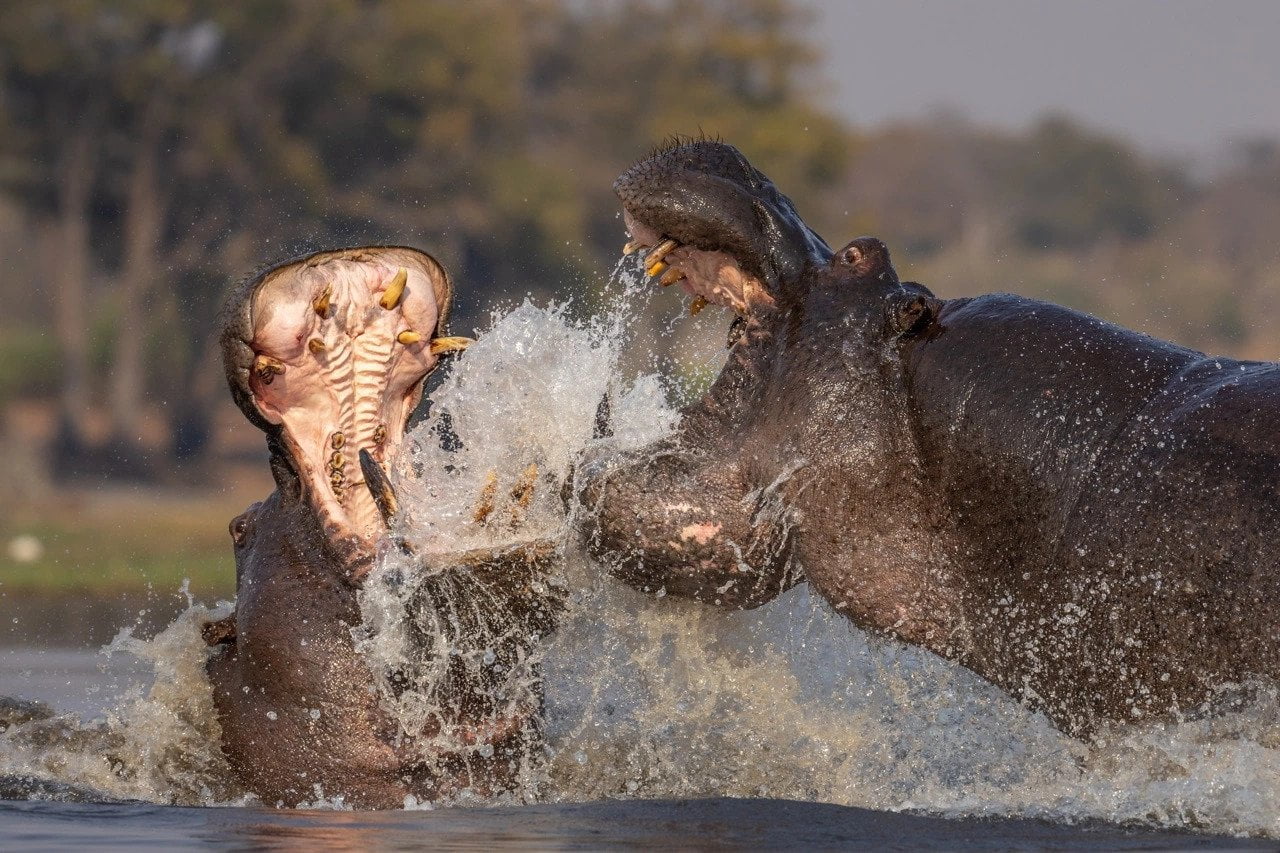
The Hippo Pools: As the dry season progresses, the Katuma River recedes, leaving behind a series of shallow, muddy pools. These pools become a refuge for the park’s immense hippo population. Hundreds, sometimes thousands, of hippos jostle for space in the shrinking water, leading to dramatic displays of territorial behavior. The sight and sound of so many hippos packed together is a truly visceral experience.
Crocodiles in Caves: Katavi is one of the few places in Africa where crocodiles have been observed aestivating (a form of summer hibernation) in caves and dense thickets during the dry season. This unusual behavior is a testament to the extreme conditions that the wildlife of Katavi has adapted to. As the rains return, the crocodiles emerge from their dens and return to the rivers.
The Great Buffalo Herds: The park is home to some of the largest herds of buffalo in East Africa. During the dry season, these herds, often numbering in the thousands, congregate on the floodplains. The dust kicked up by a moving herd of buffalo can be seen for miles, and the sound of their hooves is like thunder. These large herds attract the attention of the park’s lion prides, and witnessing a hunt is a real possibility.
> Expert Insight: The predator-prey dynamics in Katavi are intense and unfiltered. The lions of Katavi are known for their prowess in hunting buffalo, a formidable prey. A safari in Katavi offers a front-row seat to the raw drama of the African wilderness.
The Cost of a Katavi Safari
A safari to Katavi National Park is a significant investment, but it is an investment in an experience that is both exclusive and transformative. The park’s remoteness is a key factor in its cost. Access is primarily by light aircraft, which is more expensive than ground transportation. The camps in Katavi are small and intimate, offering a high level of comfort and service in a very remote setting. The operational costs of running a high-quality camp in such a location are substantial.
Here is a general breakdown of the costs to consider:
- Flights: The round-trip flight from Arusha or Dar es Salaam to Katavi is the single largest expense.
- Accommodation: The per-night cost of the camps in Katavi is higher than in many other parks, reflecting the logistical challenges and exclusivity.
- Park Fees: These are daily fees that contribute to the conservation of the park.
- Activities: Game drives, walking safaris, and other activities are typically included in the accommodation price.
For a detailed and personalized cost estimate, we recommend using our safari cost calculator and then speaking with one of our safari operators. They can help you design a trip that fits your budget and interests.
Sample Itinerary: The Ultimate Katavi Wilderness Experience
To give you a better idea of what a trip to Katavi might look like, here is a sample 4-day itinerary. This itinerary is designed to maximize your time in the park and give you a deep appreciation for its unique ecosystem.
- Day 1: Arrival in Katavi. Arrive by light aircraft at the Katavi airstrip. You will be met by your guide and driven to your camp, with a game drive en route. Settle in and enjoy a late afternoon game drive, followed by dinner under the stars.
- Day 2: Floodplains and Woodlands. Spend the day exploring the vast floodplains of the Katuma River and the surrounding Miombo woodlands. Enjoy a picnic lunch in the bush and a walking safari in the afternoon.
- Day 3: The Hippo Pools and a Night Drive. Visit the famous hippo pools in the morning and witness the incredible spectacle of so many hippos in one place. In the afternoon, you can choose to relax at camp or go on another game drive. After dark, head out for a night drive to search for nocturnal animals.
- Day 4: Departure. Enjoy a final morning game drive before being driven back to the airstrip for your flight back to Arusha or Dar es Salaam.
This is just a sample itinerary, and your trip can be customized to your specific interests. For more ideas and to start planning your own Katavi adventure, plan your safari with us.
Need Expert Safari Guidance?
Get expert advisory support from a firm founded by a former safari guide — with real operational knowledge across 9 African countries and full-journey accountability.
Related Planning Guides
Recommended Reading
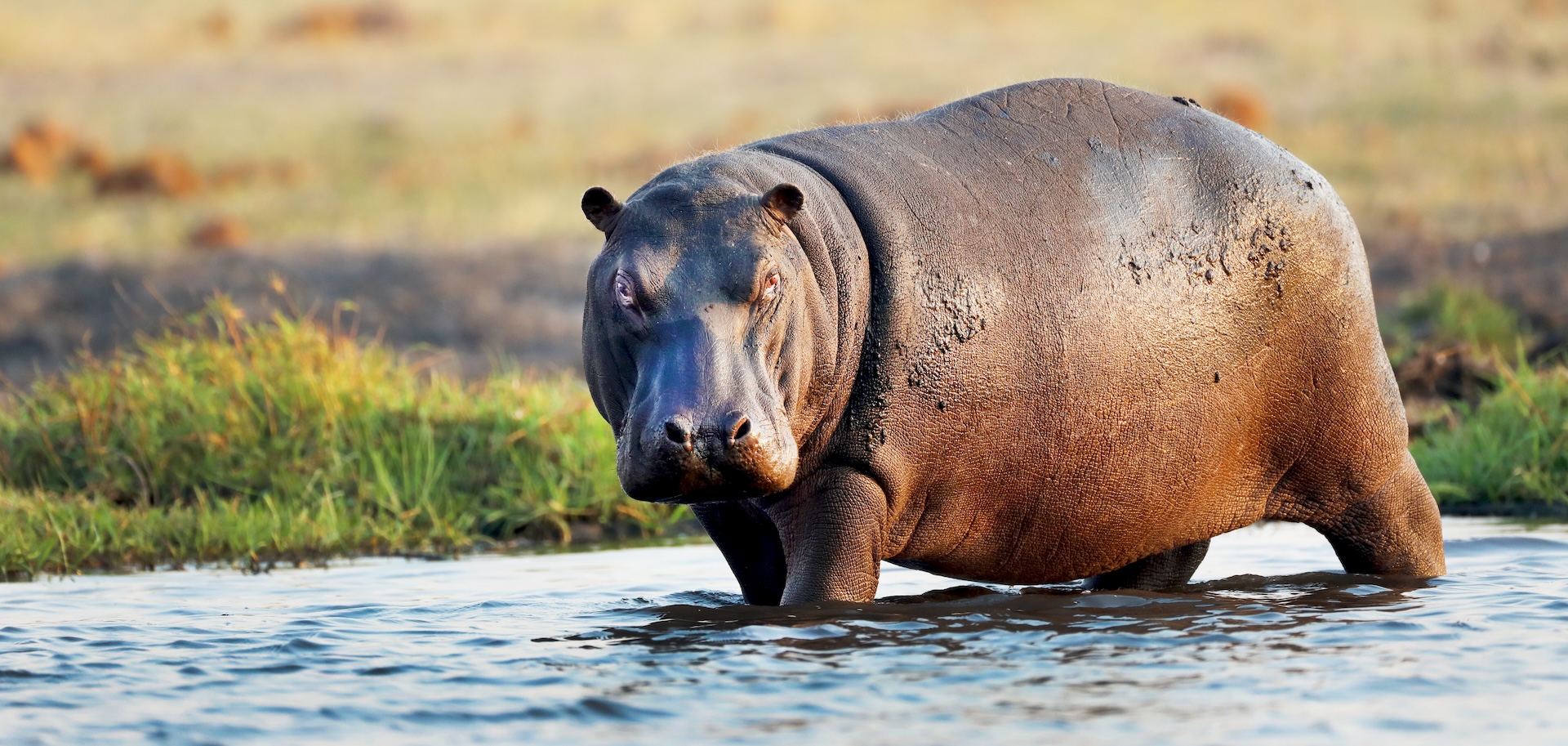 Destination Guides
Meru National Park: A Wilderness Reborn
A complete guide to Complete Guide to Meru National Park. Learn about the wildlife, activities, and best time to visit this amazing destination.
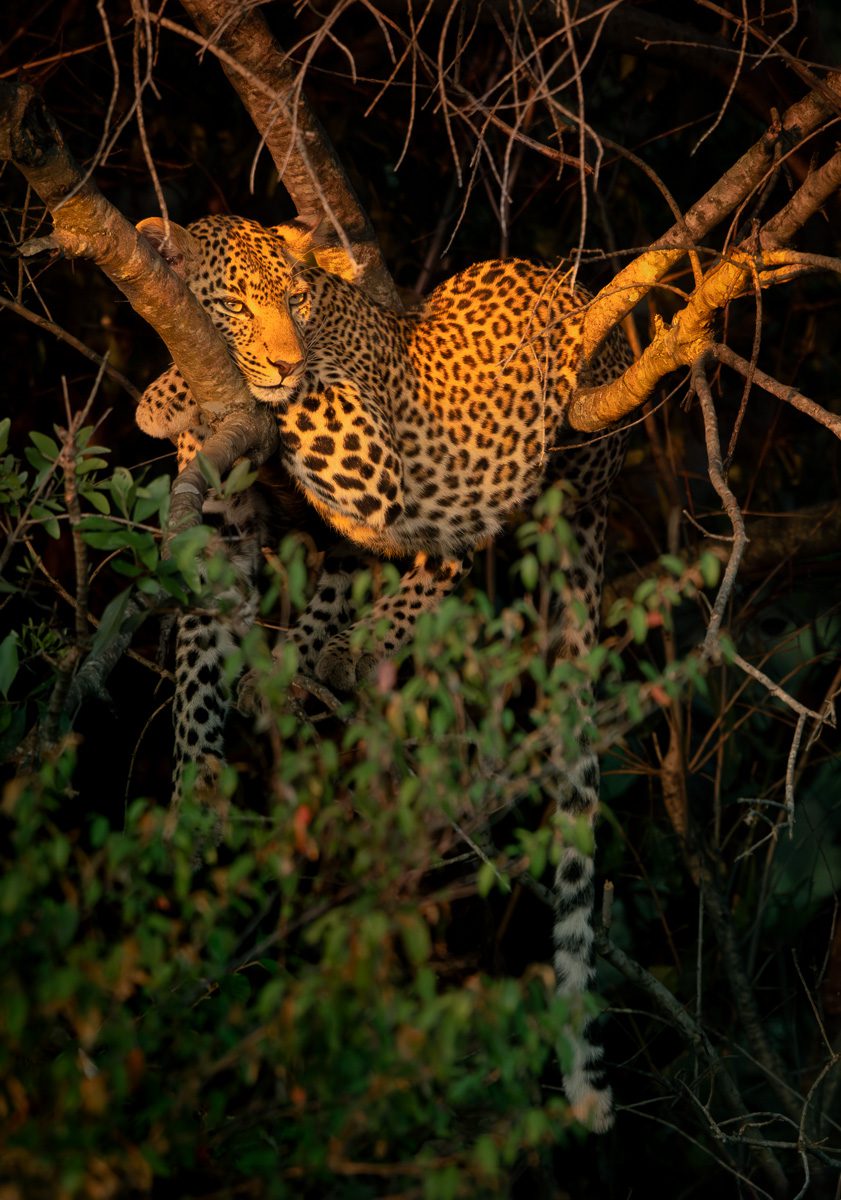 Destination Guides
Complete Guide to Table Mountain National Park
A complete guide to Complete Guide to Table Mountain National Park. Learn about the wildlife, activities, and best time to visit this amazing destination.
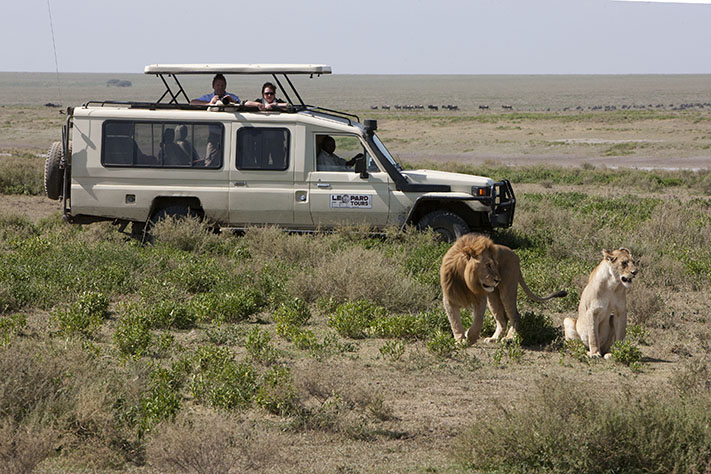 Destination Guides
Complete Guide to Nyerere National Park
Learn about complete guide to nyerere national park in this comprehensive safari guide.
 National Park Guides
Serengeti National Park Guide
Explore the wonders of Serengeti National Park with our expert guide. Learn about the Great Migration, wildlife, and planning your unforgettable Tanzanian safari.
 National Park Guides
Kruger National Park Guide
Discover the ultimate guide to Kruger National Park. Learn about its incredible wildlife, the best time to visit, and how to plan your dream safari adventure.
 National Park Guides
Chobe National Park Guide
Discover the ultimate guide to Chobe National Park, Botswana\