
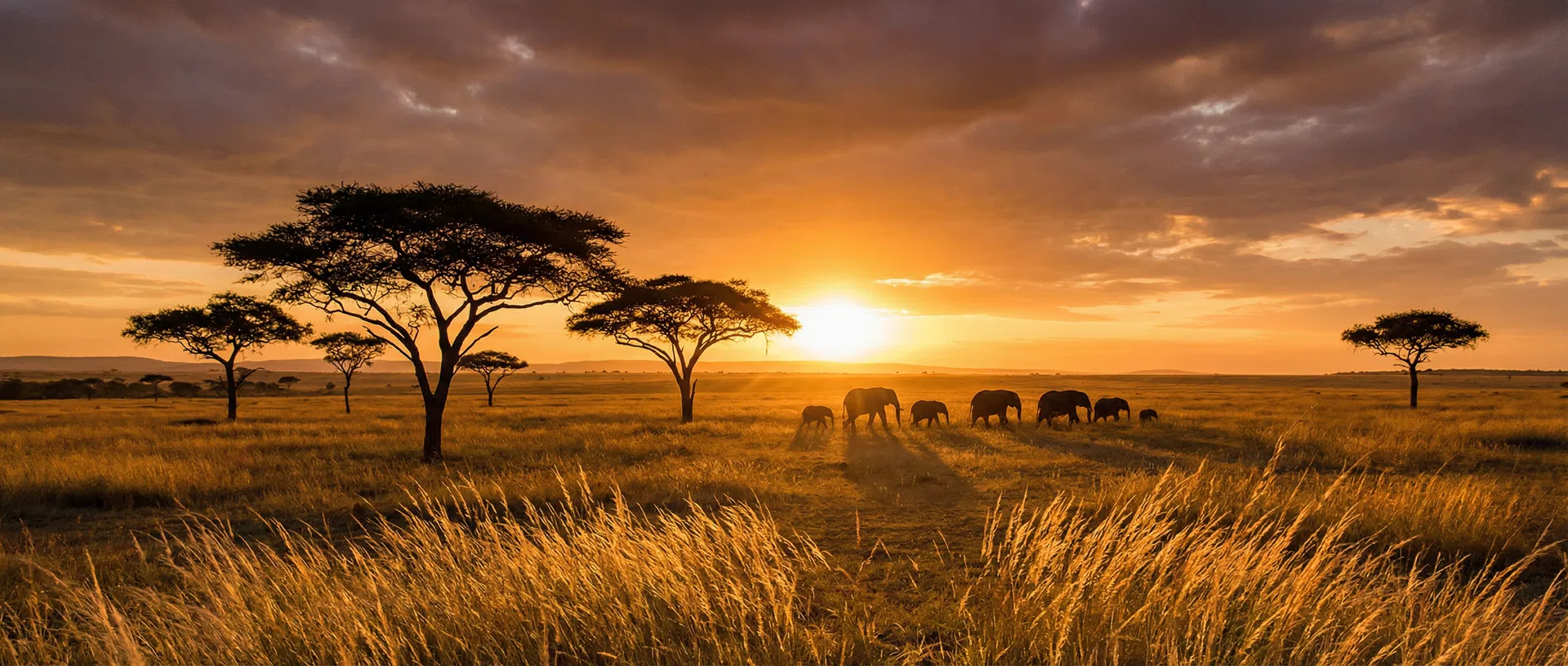
Learn all about Complete Guide to Honey Badger in this comprehensive guide. Discover the best time to go, what to see, and how to plan your trip.
Introduction to Complete Guide to Honey Badger
When it comes to complete guide to honey badger, experienced safari travelers know that preparation makes all the difference. Africa's diverse landscapes and ecosystems offer unique opportunities, and knowing what to expect helps you make the most of every moment on safari.
Key Details and Considerations
Delving deeper into complete guide to honey badger, travelers discover that Africa's safari industry has evolved significantly over the past decades. Modern safari experiences combine traditional wilderness exploration with contemporary comfort and conservation awareness. The key is finding the right balance for your travel style and budget, which our cost calculator can help you determine.
Still researching? Let us help.
Our advisory team has planned safaris across 9 African countries. We can turn your research into a real plan.
Talk to an AdvisorPractical Advice
Putting your knowledge of complete guide to honey badger into practice requires a systematic approach. Begin by defining your priorities and non-negotiables, then research destinations and operators that align with your vision. Our operator directory features thousands of safari companies across 17 African countries. Compare options carefully, read reviews, and don't hesitate to ask detailed questions before committing to a booking.
Expert Insights
Industry experts emphasize that complete guide to honey badger continues to evolve as safari tourism grows and adapts to new challenges. Conservation-focused tourism, community engagement, and sustainable practices are increasingly important considerations for discerning travelers. By choosing operators who prioritize these values, you contribute to the long-term preservation of Africa's wild places. Browse our operator directory to find companies committed to responsible tourism.
Planning Your Next Steps
In summary, complete guide to honey badger is a multifaceted topic that rewards careful study and thoughtful planning. Whether you're a first-time safari traveler or a returning enthusiast, staying informed about the latest developments and best practices ensures the best possible experience. Explore our destinations, consult our safari operators, and use our cost calculator to begin planning your African adventure today.
_New content sections for Complete Guide to Honey Badger._
Done Reading? Let's Build Your Safari.
Skip the guesswork. Work with an advisor who has been on the ground across East and Southern Africa.
Plan With UsThe Fearless Nature of the Honey Badger
The honey badger's reputation for fearlessness is legendary in the African bush, a trait well-documented by safari guides and researchers alike. This relatively small creature, typically weighing between 9 and 16 kg, will unhesitatingly confront animals many times its size, including lions, leopards, and hyenas. This audacity is not born from recklessness but from a unique combination of physiological and psychological traits. Their thick, loose skin is notoriously difficult to penetrate, allowing them to twist and turn to attack even when held in a predator's jaws. Furthermore, they possess incredibly powerful claws and sharp teeth, which they use with formidable effect.
One of the most fascinating aspects of their behavior is their sheer tenacity. A honey badger will pursue a goal with singular focus, whether it's raiding a beehive for its prized larvae or defending its territory. This determination is a key survival mechanism in the harsh African wilderness, enabling them to thrive in a wide range of habitats, from the dense forests of the Congo to the arid Kalahari Desert. Their intelligence is also noteworthy; they are one of the few animal species known to use tools, such as rolling a log to access a hard-to-reach food source.
> Expert Insight: When on safari, a honey badger sighting is a rare and exciting event. Their solitary and often nocturnal nature makes them elusive. If you are lucky enough to spot one, observe from a respectful distance. Their unpredictable and aggressive nature is not to be underestimated. Pay attention to your guide’s instructions, as they are trained to interpret the animal's behavior and ensure a safe viewing experience for everyone.
Where to Spot Honey Badgers in Africa
While honey badgers are widespread across sub-Saharan Africa, their nocturnal and solitary habits make them a challenging addition to any safari checklist. However, certain locations offer a higher probability of a sighting. The Kalahari Desert, spanning parts of Botswana, Namibia, and South Africa, is one of the best regions. The open terrain and sparse vegetation increase visibility, and the honey badgers here are often more active during the cooler daylight hours.
In Botswana, the Central Kalahari Game Reserve and the Kgalagadi Transfrontier Park are prime locations. These vast, arid ecosystems support a healthy population of honey badgers, which are often seen digging for rodents or insects. In South Africa, the Kruger National Park and the Addo Elephant National Park are also excellent choices. The Western Cape of South Africa is another area where they are frequently sighted, particularly in the fynbos biome.
For those traveling to East Africa, while sightings are less common than in the southern part of the continent, they are still possible. In Tanzania, the Serengeti National Park and Ruaha National Park offer potential opportunities, particularly during the dry season when animals congregate around water sources. In Kenya, the Maasai Mara National Reserve is another possibility, though sightings are rare. To maximize your chances, consider a night drive, as this is when honey badgers are most active. Our safari operators can help you plan a trip to a destination that offers the best chance of seeing this elusive creature.
> Traveler's Tip: When planning your safari, let your tour operator know that you are interested in seeing a honey badger. They can arrange for specialized guides and night drives that will significantly increase your chances. Be prepared for a bit of a challenge, as a honey badger sighting is a reward for the patient and persistent safari-goer.
Diet and Hunting Techniques
The honey badger is an omnivore with a remarkably diverse diet, a key factor in its ability to adapt to a wide range of environments. While they have a famous affinity for honey and bee larvae—hence their name—this only constitutes a small portion of their food intake. They are opportunistic and skilled hunters, preying on a variety of animals, including snakes, rodents, insects, lizards, and even the young of larger animals like foxes and antelopes. Their powerful claws are not just for defense; they are exceptional digging tools, allowing them to unearth burrowing animals like gerbils, springhares, and mole-rats with ease.
Their method of hunting is a testament to their intelligence and physical prowess. For venomous snakes, such as puff adders and Cape cobras, the honey badger exhibits a remarkable immunity to their venom. It will attack the snake relentlessly, and even if bitten, it typically recovers after a short period of paralysis. This unique physiological trait gives it a significant advantage in the wild. When it comes to raiding beehives, their thick skin and incredible determination are on full display. They will endure hundreds of stings to get to the nutritious larvae and honey inside, often spending considerable time at the hive.
> Expert Insight: The honey badger's varied diet and hunting skills make it a crucial component of the ecosystems it inhabits. By controlling populations of snakes and rodents, it helps to maintain a healthy balance. When you see a honey badger digging furiously, it is likely in pursuit of a meal. This is a fantastic opportunity to witness its strength and determination firsthand. For more in-depth information on animal behaviors, visit our knowledge center.
Conservation Status and Threats
The honey badger is currently listed as a species of "Least Concern" by the International Union for Conservation of Nature (IUCN). This classification is a testament to their adaptability, wide distribution, and ability to thrive in a variety of habitats. However, this status does not mean they are without threats. In certain regions, honey badger populations are declining due to human-wildlife conflict.
One of the primary threats is persecution by beekeepers and small livestock farmers. Honey badgers are notorious for raiding beehives and have been known to prey on poultry, leading to retaliatory killings. Conservation efforts are underway to mitigate this conflict, including the promotion of "badger-friendly" honey and the development of protective measures for beehives and poultry enclosures. These initiatives aim to create a more harmonious coexistence between humans and these resilient creatures.
Habitat loss and fragmentation also pose a long-term threat to honey badger populations. As human settlements expand, their natural habitats are shrinking, which can lead to increased conflict and reduced genetic diversity. Responsible tourism and the support of conservation organizations play a vital role in protecting these animals and their environments. When you plan your safari with a reputable operator, you are contributing to the conservation of Africa's incredible wildlife.
Need Expert Safari Guidance?
Get expert advisory support from a firm founded by a former safari guide — with real operational knowledge across 9 African countries and full-journey accountability.
Related Planning Guides
Explore Related Topics
Recommended Reading
 Wildlife Guides
Complete Guide to African Lion Behavior
Delve into the complex social structure, hunting techniques, and communication methods of the African lion. Understand the king of the savanna with this in-depth guide.
 Wildlife Guides
Complete Guide to Cheetah Speed and Hunting
Learn all about Complete Guide to Cheetah Speed and Hunting in this comprehensive guide. Discover the best time to go, what to see, and how to plan your trip.
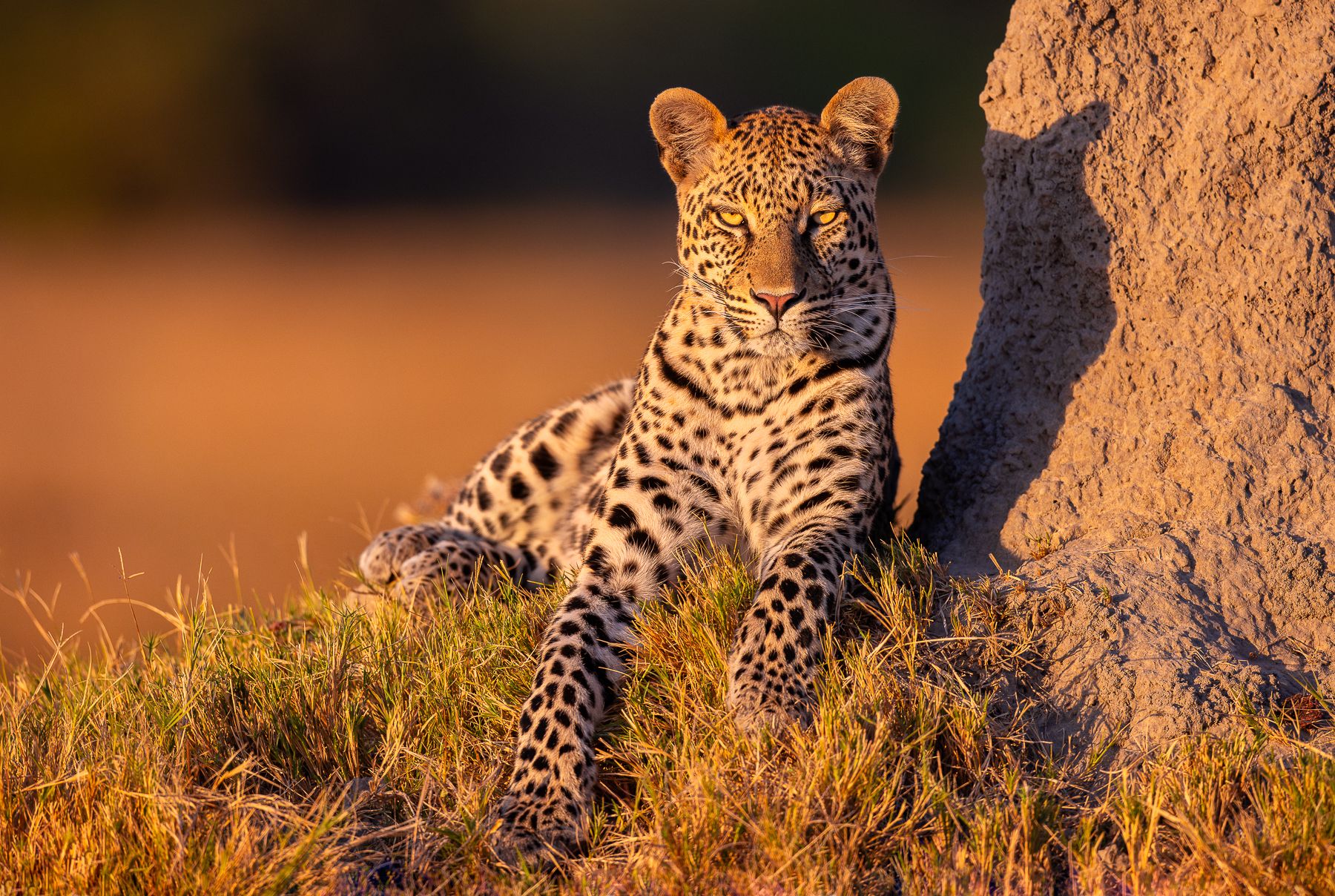 Wildlife Guides
Complete Guide to African Wild Dog Pack Dynamics
Learn all about Complete Guide to African Wild Dog Pack Dynamics in this comprehensive guide. Discover the best time to go, what to see, and how to plan your trip.
 Destination Guides
Complete Guide to Table Mountain National Park
A complete guide to Complete Guide to Table Mountain National Park. Learn about the wildlife, activities, and best time to visit this amazing destination.
 Destination Guides
Complete Guide to Garden Route Safari Options
A complete guide to Complete Guide to Garden Route Safari Options. Learn about the wildlife, activities, and best time to visit this amazing destination.
 Destination Guides
Complete Guide to Sabi Sands Game Reserve
A complete guide to Complete Guide to Sabi Sands Game Reserve. Learn about the wildlife, activities, and best time to visit this amazing destination.