
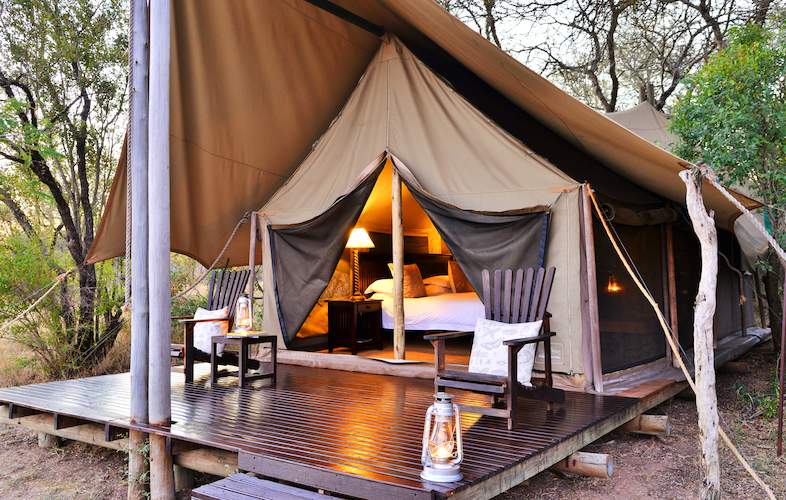
A comprehensive guide to Complete Guide to Bushpig. Learn about its habitat, behavior, diet, and conservation status.
Complete Guide to Bushpig
Understanding complete guide to bushpig can make the difference between a good safari and an extraordinary one. This guide combines insider knowledge with practical advice to ensure you are fully prepared.
Making the Most of Your Experience
Photography enthusiasts should pay special attention to complete guide to bushpig as it relates to their equipment and technique. The lighting conditions, distances, and movement patterns of African wildlife create unique challenges and opportunities that benefit from advance preparation.
Finally, remember that a safari is more than just wildlife viewing. The cultural experiences, landscapes, and personal connections you make along the way are equally valuable. Approaching complete guide to bushpig with this broader perspective will enrich your entire journey.
Still researching? Let us help.
Our advisory team has planned safaris across 9 African countries. We can turn your research into a real plan.
Talk to an AdvisorSafety and Health Considerations: Complete Guide to Bushpig
Safety is paramount when it comes to complete guide to bushpig on safari. Reputable operators maintain strict safety protocols and employ experienced guides who are trained to handle a wide range of situations. Always verify that your chosen operator has proper licensing, insurance, and safety certifications.
Travel insurance that specifically covers safari activities is strongly recommended. Standard travel insurance policies may not cover all the activities and situations you might encounter on an African safari. Ensure your policy covers medical evacuation, trip cancellation, and activity-specific risks.
Health preparation is an essential component of complete guide to bushpig. Consult with a travel medicine specialist at least six weeks before your departure to discuss vaccinations, malaria prophylaxis, and other health precautions specific to your destinations.
Understanding the Fundamentals: Complete Guide to Bushpig
Experienced safari operators emphasize that preparation is the single most important factor in complete guide to bushpig. This means doing your research well in advance, consulting with knowledgeable advisors, and being willing to adapt your plans based on current conditions. The best safari experiences come from travelers who approach their journey with both enthusiasm and informed flexibility.
The foundation of complete guide to bushpig begins with understanding the basic principles. Safari environments across Africa present unique conditions that differ significantly from what most travelers are accustomed to. In East Africa, the vast savannas of Kenya and Tanzania create one set of considerations, while the dense forests of Uganda and Rwanda present entirely different challenges. Southern African destinations like Botswana and South Africa add yet another dimension.
Regional Considerations Across Africa: Complete Guide to Bushpig
Central and West African destinations, including Uganda, Rwanda, and the Congo, offer specialized experiences like gorilla trekking that bring their own set of requirements. These destinations often involve more challenging terrain and different logistical considerations compared to the classic savanna safari.
East African safaris, particularly in Kenya and Tanzania, have their own distinct approach to complete guide to bushpig. The Serengeti-Mara ecosystem, which hosts the Great Migration, requires specific planning considerations that differ from destinations like Amboseli or Ngorongoro. Understanding these regional differences is crucial for optimizing your experience.
Done Reading? Let's Build Your Safari.
Skip the guesswork. Work with an advisor who has been on the ground across East and Southern Africa.
Plan With UsRelated Resources
For more information on planning your safari, explore our destination guides, browse the safari operator directory, or connect with an experienced safari planning guide for personalized guidance.
Unmasking the Elusive Bushpig: A Deeper Look
While often overshadowed by the more conspicuous warthog, the bushpig (Potamochoerus larvatus) is a fascinating and formidable resident of the African bush. Unlike their sun-loving cousins, bushpigs are primarily nocturnal, making sightings a rare and rewarding experience. Their elusive nature, coupled with their powerful build and aggressive reputation, has earned them a special status among safari enthusiasts. Understanding their unique characteristics and behaviors is key to appreciating these intelligent and adaptable animals.
This guide delves deeper into the world of the bushpig, offering expert insights that go beyond typical field guide descriptions. From their complex social structures to the subtle art of tracking them, we provide the detailed knowledge necessary for a richer safari experience. Whether you are planning your first trip or are a seasoned traveler, this information will help you connect with one of Africa's most misunderstood creatures. For personalized guidance on crafting an itinerary that includes opportunities for nocturnal wildlife viewing, connect with one of our safari operators.
Physical Characteristics: More Than Just a Wild Pig
At first glance, the bushpig may resemble a hairy, reddish-brown domestic pig, but a closer look reveals a host of unique adaptations. Their coarse coat, which can range from light reddish-brown to near black, darkens and becomes sparser with age. A distinctive feature is their prominent mane of long, pale hairs that runs down the dorsal line and can be erected when the animal is agitated, making it appear larger and more intimidating.
Both males (boars) and females (sows) possess sharp tusks, though the boar's are generally larger and more formidable. The upper tusks are relatively short and inconspicuous, but the lower tusks are razor-sharp, growing up to 7 inches (18 cm) in length. These are not for foraging but are primarily used for defense against predators like leopards and for dominance battles between boars. Their powerful, muscular snout is a highly effective digging tool, capable of unearthing roots and tubers from compacted soil.
> Expert Insight: The bushpig's facial markings are a key identifier. They have a distinct pattern of light and dark fur on their faces, often described as a "mask." These markings, along with the mane, help in visual communication during their nocturnal activities.
Habitat and Prime Viewing Destinations
Bushpigs are incredibly adaptable and can be found in a wide array of habitats, including forests, woodlands, riverine vegetation, and reedbeds. Their primary requirements are dense cover for protection during the day and a reliable source of water. They are widespread throughout East and Southern Africa.
While their nocturnal and secretive habits make them a challenging species to spot, certain locations offer a higher probability of a sighting. For travelers keen on seeing bushpigs, we recommend focusing on destinations known for their excellent night drives.
Some of the best places to potentially encounter bushpigs include:
- South Luangwa National Park, Zambia: Renowned for its walking safaris and exceptional night drives, South Luangwa is a prime location for spotting nocturnal animals, including the bushpig.
- Mana Pools National Park, Zimbabwe: The dense woodlands and riverine forests along the Zambezi River provide ideal bushpig habitat.
- Kruger National Park, South Africa: In the private reserves bordering the Kruger, such as the Sabi Sand and Timbavati, guided night drives offer a good chance of a sighting.
- Queen Elizabeth National Park, Uganda: The park's diverse ecosystems, from savanna to forests, support a healthy bushpig population.
To explore safari options in these areas, visit our destinations page or use our cost calculator to estimate your trip budget.
Behavior and Social Structure
Bushpigs are highly social animals, living in groups called "sounders," which typically consist of a dominant boar, a dominant sow, and several other females and their young. These groups can number up to 12 individuals. They are fiercely territorial and will aggressively defend their home range from other sounders and predators.
Communication is a key aspect of their social life. They use a variety of grunts, squeals, and roars to maintain contact in dense vegetation and to signal danger. Scent-marking with glands near their tusks is also used to delineate territory.
> Traveler's Tip: When on a night drive, listen carefully for the sounds of the bush. The sharp, resonant grunts of a bushpig sounder can be a clear giveaway of their presence long before they are seen. Your guide will often pause in silence, listening for these very clues.
The Bushpig vs. Warthog: A Tale of Two Pigs
Many safari-goers confuse bushpigs with the far more common warthog (Phacochoerus africanus). While both are members of the pig family, they are distinctly different in appearance, behavior, and habitat preference. Understanding these differences can greatly enhance your wildlife viewing.
| Feature | Bushpig (Potamochoerus larvatus) | Warthog (Phacochoerus africanus) | | :--- | :--- | :--- | | Activity | Primarily nocturnal | Diurnal (active during the day) | | Habitat | Prefers dense cover, forests, thickets | Prefers open grasslands and savannas | | Appearance | Hairy, reddish-brown to dark coat; prominent mane | Sparsely-haired, grey skin; large facial "warts" | | Tusks | Shorter, sharper lower tusks; less visible upper tusks | Long, curved upper tusks; shorter lower tusks | | Tail | Held down when running | Held erect (like an antenna) when running | | Social Life | Lives in stable, territorial sounders | Lives in smaller family groups ("sounders") |
Recognizing these key distinctions will not only help you correctly identify the animals but also appreciate the unique adaptations each has made to its environment. For a deeper dive into Africa's diverse fauna, explore our knowledge center.
Tracking the Untrackable: Finding Bushpigs
Finding bushpigs requires a combination of luck, timing, and expert guidance. Since they are most active from dusk till dawn, your best chance of a sighting is on a guided night drive. These drives are a standard offering in many private reserves and some national parks.
Even if you don't see a bushpig, you can learn to spot their tracks. Their cloven-hoof prints are more rounded than those of most antelope. Look for signs of their foraging, such as disturbed soil, overturned logs, and areas where the ground has been rooted up. These are clear indicators that bushpigs have been active in the area.
Ready to plan an adventure that includes the thrill of a night drive? Plan your safari with us, and we'll connect you with operators who can deliver these unforgettable experiences.
Need Expert Safari Guidance?
Get expert advisory support from a firm founded by a former safari guide — with real operational knowledge across 9 African countries and full-journey accountability.
Related Planning Guides
Explore Related Topics
Recommended Reading
 Wildlife Guides
Complete Guide to African Lion Behavior
Delve into the complex social structure, hunting techniques, and communication methods of the African lion. Understand the king of the savanna with this in-depth guide.
 Wildlife Guides
Complete Guide to Spotted Hyena Behavior
Learn all about Complete Guide to Spotted Hyena Behavior in this comprehensive guide. Discover the best time to go, what to see, and how to plan your trip.
 Wildlife Guides
Complete Guide to Black Rhinoceros Conservation
Learn all about Complete Guide to Black Rhinoceros Conservation in this comprehensive guide. Discover the best time to go, what to see, and how to plan your trip.
 Destination Guides
Complete Guide to Table Mountain National Park
A complete guide to Complete Guide to Table Mountain National Park. Learn about the wildlife, activities, and best time to visit this amazing destination.
 Destination Guides
Complete Guide to Garden Route Safari Options
A complete guide to Complete Guide to Garden Route Safari Options. Learn about the wildlife, activities, and best time to visit this amazing destination.
 Destination Guides
Complete Guide to Sabi Sands Game Reserve
A complete guide to Complete Guide to Sabi Sands Game Reserve. Learn about the wildlife, activities, and best time to visit this amazing destination.