
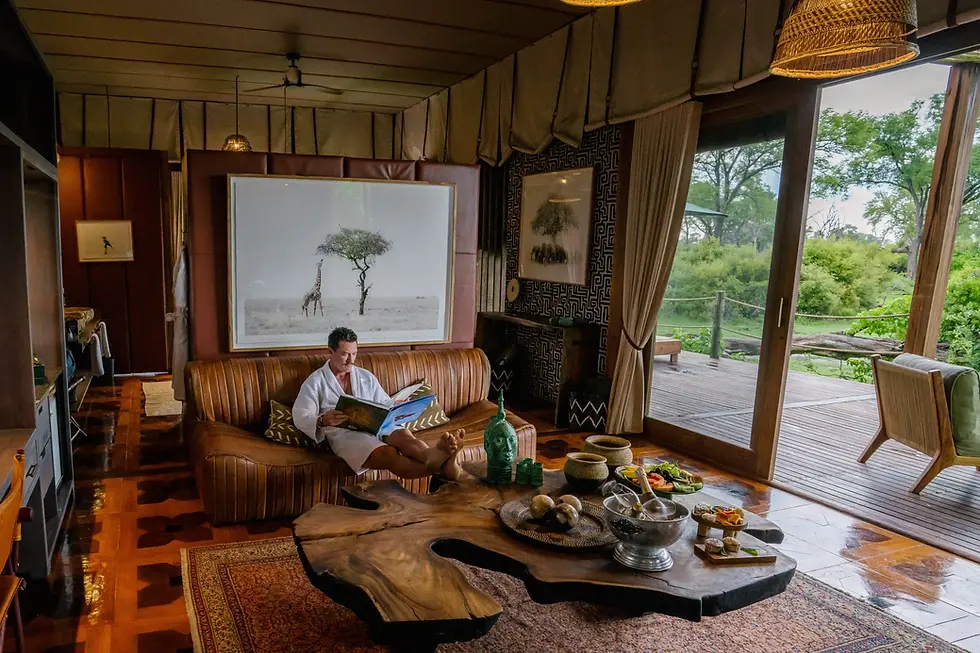
Planning a safari? Learn about safari camera equipment rental costs. Get expert advice and insights from Safari Intelligence to plan your perfect trip.
Renting vs. Buying Camera Gear
A safari is a photographer's dream, but high-quality camera gear can be expensive. Renting camera bodies and lenses can be a cost-effective way to get professional-level equipment for your trip without the large upfront investment. This is especially true for long telephoto lenses, which are essential for wildlife photography. Our knowledge center has a guide to safari photography.
Where to Rent and Costs
There are many companies that specialize in renting camera equipment for safaris. You can often have the gear delivered to your home before you depart or even to your first lodge in Africa. The cost will depend on the equipment you choose and the rental period. A good lens can be rented for around $50-$100 per day. Our safari operators can recommend rental companies.
Still researching? Let us help.
Our advisory team has planned safaris across 9 African countries. We can turn your research into a real plan.
Talk to an AdvisorWhat to Rent for a Safari
For wildlife photography, a DSLR or mirrorless camera with a telephoto lens is highly recommended. A lens with a focal length of at least 300mm is ideal, and a 100-400mm zoom lens is a versatile choice. You may also want to consider a wide-angle lens for landscapes and a beanbag for stabilizing your camera in the safari vehicle. Explore our destinations to see what photo opportunities await.
_New content written by the Manus agent._
Detailed Safari Camera Rental Cost Breakdown
Understanding the potential costs of renting camera gear is a critical step in planning your safari budget. Prices can vary based on the equipment's value, the rental duration, and the company you choose. Below is a general breakdown of what you can expect to pay for various pieces of equipment. For a comprehensive overview of all safari-related expenses, we recommend using our safari cost calculator.
| Equipment Category | Typical Price Range (per day) | Typical Price Range (per week) | | ----------------------- | ----------------------------- | ------------------------------ | | Pro Mirrorless/DSLR Body | $50 - $90 USD | $250 - $450 USD | | Enthusiast Body | $30 - $50 USD | $150 - $250 USD | | Telephoto Zoom Lens (100-400mm) | $40 - $70 USD | $200 - $350 USD | | Prime Telephoto Lens (500mm+) | $80 - $150 USD | $400 - $750 USD | | Wide-Angle Lens (e.g., 24-70mm) | $25 - $40 USD | $125 - $200 USD | | Extra Batteries & Charger | $5 - $10 USD | $25 - $50 USD | | Sturdy Tripod or Monopod | $15 - $25 USD | $75 - $125 USD | | Bean Bag for Vehicle Support | $5 - $10 USD | $20 - $40 USD |
> Expert Insight: While daily rates are available, most rental companies offer significant discounts for weekly rentals. If your safari is five days or longer, a weekly package is almost always more economical. Always inquire about package deals if you are renting a full kit (body, multiple lenses, and accessories).
The Rental Process: From Booking to Return
Renting camera equipment for a safari is a straightforward process, but it requires some advance planning. The last thing you want is to arrive in Africa and find that the gear you need is unavailable. Our safari operators can assist in coordinating rentals with trusted local partners.
Step 1: Pre-Booking Your Gear Online
Most reputable safari rental companies have a robust online presence, allowing you to browse their inventory and reserve your equipment weeks or even months in advance. We highly recommend booking your gear at least 4-6 weeks before your departure, especially if you are traveling during the peak safari season.
Step 2: Arranging Pickup or Delivery
You typically have two options for receiving your rented equipment:
- Airport Pickup: Many companies have a presence at major international airports, such as Jomo Kenyatta International Airport (NBO) in Nairobi or O.R. Tambo International Airport (JNB) in Johannesburg. This is often the most convenient option, allowing you to collect your gear as soon as you land.
- Lodge or Hotel Delivery: Some rental services will deliver the equipment directly to your hotel or the first lodge on your safari itinerary. This is an excellent service that adds a layer of convenience, though it may come with a small delivery fee.
Step 3: Understanding Insurance and Deposits
Rental companies require a security deposit to cover potential damage or loss. This is usually a hold placed on your credit card for the duration of the rental period. Additionally, you will be offered insurance options. While it adds to the cost, we strongly recommend taking the comprehensive insurance. A safari environment can be tough on gear, with dust, moisture, and bumpy roads posing risks. The peace of mind that comes with full coverage is well worth the investment.
Step 4: Equipment Return
The return process is typically the reverse of the pickup. You can either drop the equipment off at the airport before your departure or arrange for the company to collect it from your final hotel. Ensure you have allotted enough time for the return process to avoid any last-minute stress.
Done Reading? Let's Build Your Safari.
Skip the guesswork. Work with an advisor who has been on the ground across East and Southern Africa.
Plan With UsIs Renting Gear Always the Best Option?
Renting offers incredible flexibility and access to high-end equipment, but it's not the only solution. For some travelers, purchasing gear might be a more logical long-term investment. Let's compare the two approaches.
Pros of Renting:
- Access to Professional Gear: You can use top-of-the-line lenses and camera bodies that might be prohibitively expensive to buy outright.
- Try Before You Buy: If you are considering purchasing a new camera system, a safari is the ultimate test drive.
- Convenience: Avoid the hassle and risk of traveling with thousands of dollars worth of your own equipment.
- Cost-Effective for Infrequent Use: If you only go on a major photography-focused trip every few years, renting is far more economical.
Cons of Renting:
- Unfamiliarity with Gear: Using a new camera system can have a learning curve, potentially leading to missed shots at the beginning of your trip.
- Availability: The specific lens or camera you want may not be available, especially if you book late.
- Cumulative Cost: If you are a frequent traveler and photographer, the cost of renting for multiple trips can eventually exceed the purchase price of the equipment.
> Traveler's Tip: If you decide to rent, try to rent a camera body from the same brand you own (e.g., Canon, Nikon, Sony). This way, the menu systems and button layouts will be more familiar, reducing the learning curve.
Choosing the Right Rental Company
Your rental experience will be heavily influenced by the company you choose. A professional, reliable provider is essential. When evaluating options, consider the following criteria. Our safari operators have a curated list of vetted partners across Africa.
- Reputation and Reviews: Look for companies with a strong track record and positive reviews from past safari travelers. Check online forums and photography communities for recommendations.
- Quality of Inventory: Does the company stock modern, well-maintained equipment from leading brands? A wide selection is a good indicator of a serious operation.
- Customer Service and Support: Are they responsive to inquiries? Do they offer support in case you have an issue with the gear while on safari? A quick email or call to their support line before booking can be very revealing.
- Clarity on Insurance and Policies: Ensure their insurance policies, deposit requirements, and damage liability terms are clear and fair. Avoid any company with vague or confusing terms.
- Logistical Competence: Do they have a proven system for airport or lodge delivery and pickup? Punctuality and reliability are non-negotiable when you have a safari schedule to keep.
A Note on Renting in Different Safari Destinations
While the rental process is similar across the continent, there are regional nuances to consider.
- South Africa (Johannesburg & Cape Town): This is the most mature rental market in Africa. You'll find the widest selection of gear and the most competitive pricing here. Companies are well-versed in delivering to lodges in the Greater Kruger area.
- Kenya (Nairobi): Nairobi has a growing and very reliable rental market serving popular circuits like the Maasai Mara, Amboseli, and Laikipia. It's a primary hub for East African safaris.
- Tanzania (Arusha): The rental market in Tanzania is less developed than in Kenya or South Africa. While some options exist in Arusha, it's often easier and more reliable to rent gear in Nairobi and bring it across the border, or arrange for your safari operator to facilitate the rental. This is a key area where planning with our safari operators can prevent logistical headaches.
- Botswana (Maun): Maun has a few dedicated rental providers who are experts at the specific logistics of delivering to remote camps in the Okavango Delta. Given the fly-in nature of most Botswana safaris, pre-arranging delivery to your first camp is essential.
No matter your destination, our team can help you navigate the local options. Explore our destinations to learn more about what each country offers the aspiring photographer.
Final Pre-Safari Gear Check
Before you head out on your first game drive, run through this final checklist with your rented equipment:
- [ ] Test All Functions: Power on the camera, take a few test shots, and check the menu settings.
- [ ] Check the Lenses: Ensure the glass is clean and the zoom and focus rings move smoothly.
- [ ] Confirm Battery Life: Make sure all batteries are fully charged. You can never have too much power.
- [ ] Format Memory Cards: Start with fresh, empty memory cards formatted for the camera you are using.
- [ ] Pack the Essentials: Confirm you have the battery charger, lens caps, and any other small accessories you rented.
Taking ten minutes to do this check can save you from discovering an issue when a leopard suddenly appears. For more tips on safari preparedness, visit our knowledge center.
Need Expert Safari Guidance?
Get expert advisory support from a firm founded by a former safari guide — with real operational knowledge across 9 African countries and full-journey accountability.
Related Planning Guides
Recommended Reading
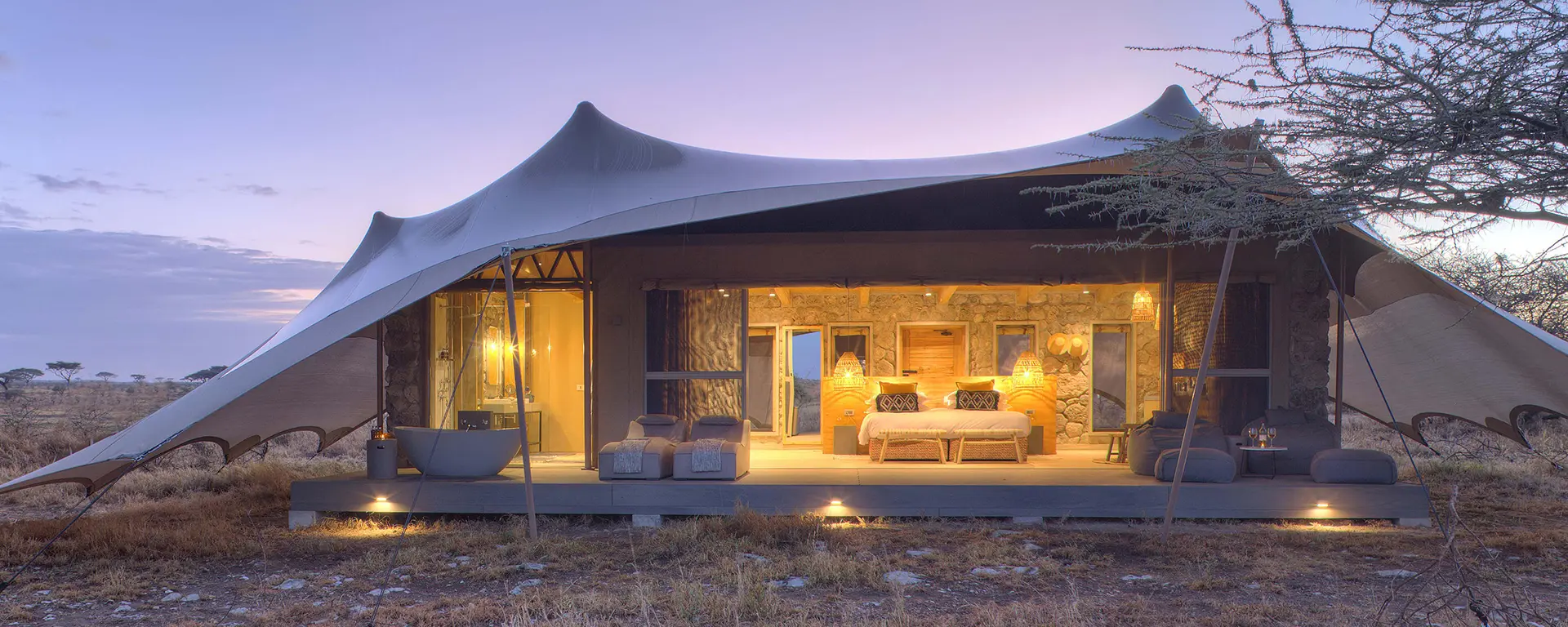 Safari Cost Guides
Safari Lodge Costs by Country Comparison
Planning a safari? Learn about safari lodge costs by country comparison. Get expert advice and insights from Safari Intelligence to plan your perfect trip.
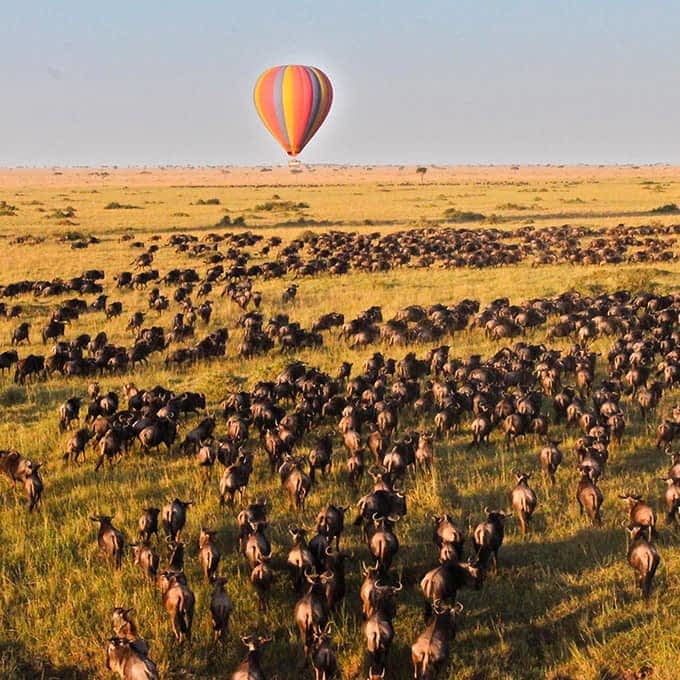 Safari Cost Guides
Safari Camp Costs by Country Comparison
Planning a safari? Learn about safari camp costs by country comparison. Get expert advice and insights from Safari Intelligence to plan your perfect trip.
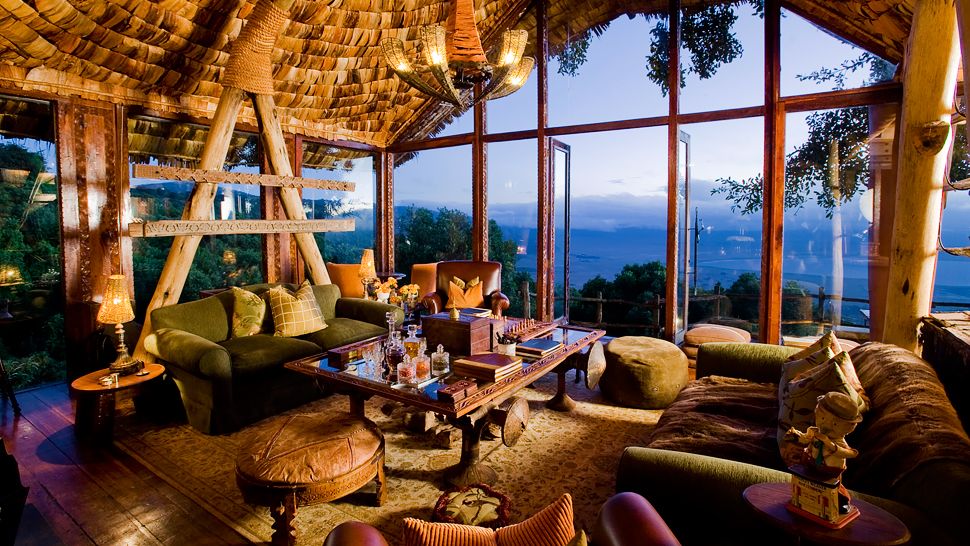 Safari Cost Guides
Safari Flight Costs Within Africa
Planning a safari? Learn about safari flight costs within africa. Get expert advice and insights from Safari Intelligence to plan your perfect trip.
 Safari Costs
Budget Safari vs Luxury Safari Costs
Discover the key cost differences between budget and luxury safaris, from accommodation and guiding to game drives and locations, to choose the right trip for you.
 Safari Costs
Hidden Safari Costs Travelers Should Know
Discover the hidden costs of an African safari. Our guide covers unexpected expenses like flights, visas, tips, and optional activities to help you budget.
 Safari Costs
Lodge Pricing vs Mobile Safari Costs
Explore the cost differences between safari lodges and mobile safaris. This guide compares pricing, value, and experiences to help you choose the right safari.