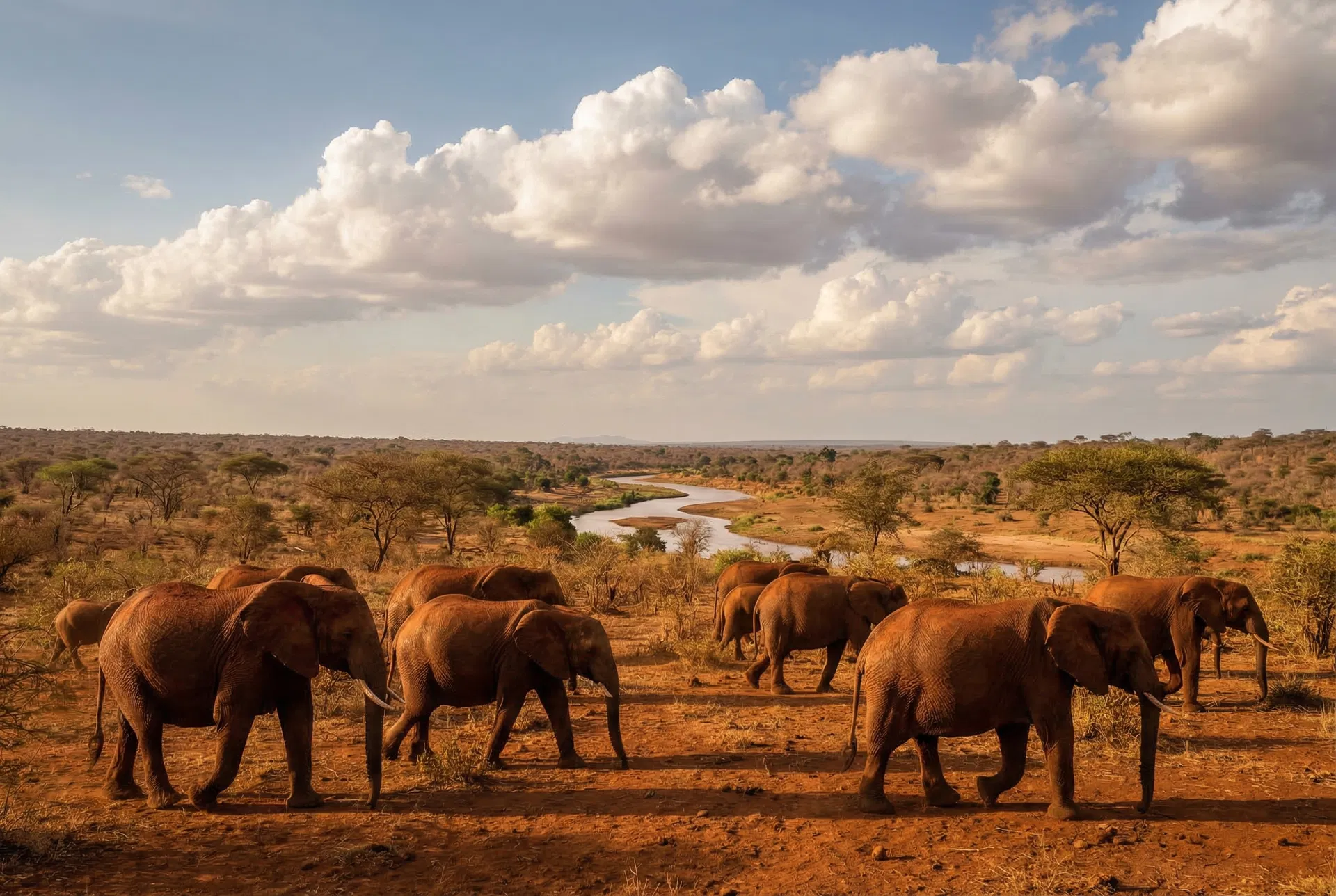
_Tsavo East National Park, one of Kenya's oldest and largest protected areas, is a vast and wild landscape that captures the essence of an untamed African safari. Renowned for its massive herds of "red elephants" that dust themselves with the region's iron-rich soil, the park offers a safari experience that is both raw and deeply authentic. As a cornerstone of Kenya's conservation heritage, Tsavo East provides a sanctuary for a remarkable diversity of wildlife against a backdrop of rugged, semi-arid plains._
Destination Overview
Tsavo East National Park, located in the southeast of Kenya, is a vast and rugged wilderness that embodies the classic African safari experience. Established in 1948, it is one of the oldest and largest national parks in Kenya, covering an immense 13,747 square kilometers. The park is most famous for its iconic "red elephants," which owe their distinctive coloring to the fine, red volcanic soil they spray on their bodies. This, combined with the park's raw and undeveloped character, makes Tsavo East a compelling destination for travelers seeking an authentic and immersive wildlife adventure.
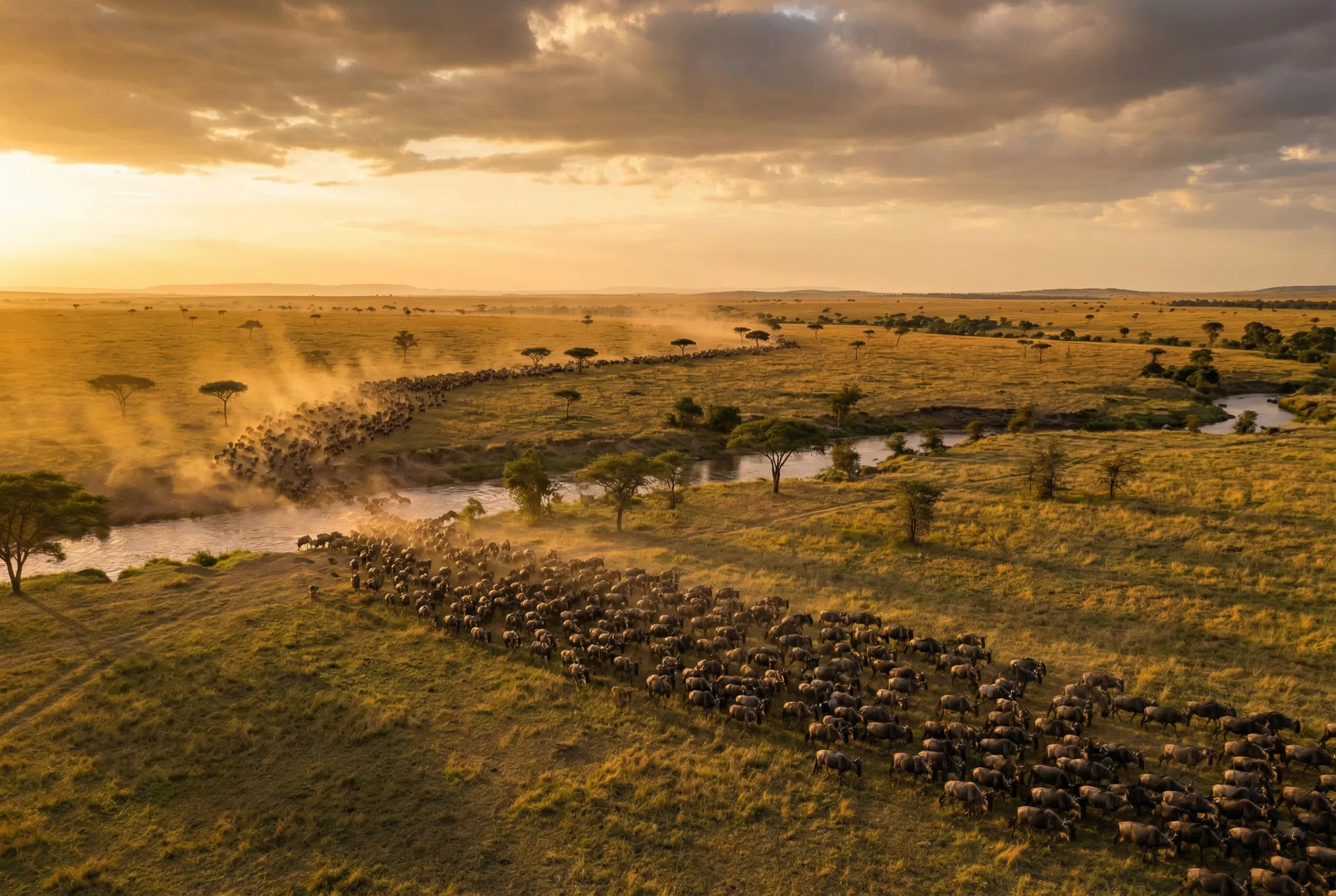
The park’s sheer size and untamed nature mean that wildlife sightings feel earned and exclusive. Unlike more crowded reserves, Tsavo East offers a sense of solitude and discovery, where visitors can spend hours on game drives without encountering another vehicle. The landscape is characterized by vast, open plains, scrubland, and the life-giving Galana River, which carves its way through the arid terrain, attracting a high concentration of animals. This combination of dramatic scenery and abundant wildlife makes Tsavo East a photographer's paradise and a top choice for those looking to experience the wild heart of Africa.
Wildlife Highlights
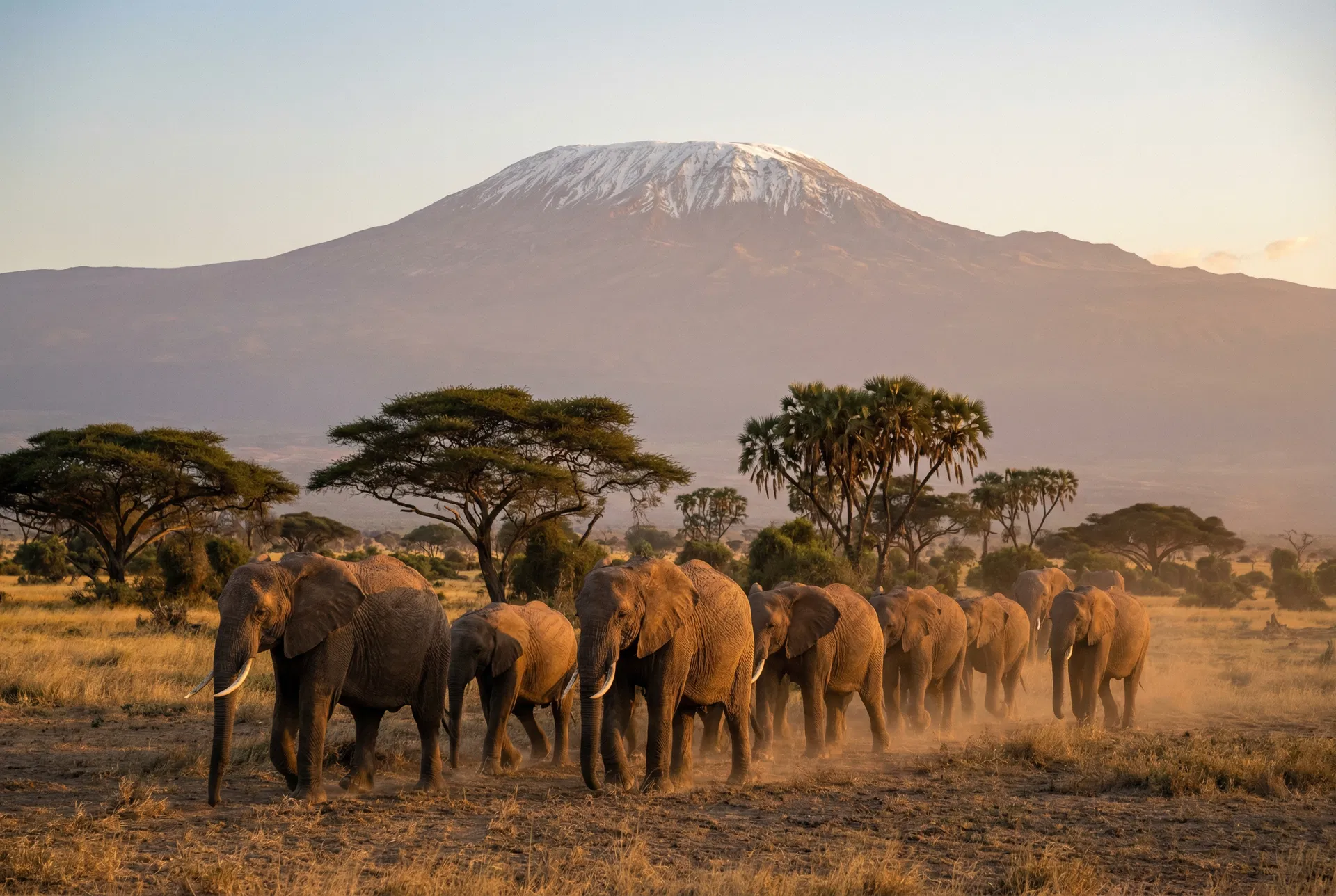
Tsavo East is a stronghold for an impressive array of wildlife, including the celebrated "Big Five"—lion, leopard, elephant, buffalo, and rhinoceros. While black rhinos are present, they are elusive and rarely seen. The park is particularly famous for its large elephant herds, often numbering in the hundreds, which are a truly awe-inspiring sight. The sight of these gentle giants, their skin stained red from the local soil, is a signature image of Tsavo East.
The park's lion population is also of significant interest. The male lions of Tsavo are often maneless or have very sparse manes, a unique genetic trait that has been the subject of much research and speculation. In addition to lions, other predators such as cheetahs, hyenas, and jackals are regularly spotted. The open plains of Tsavo East provide excellent opportunities for cheetah sightings, as they hunt their prey across the grasslands.
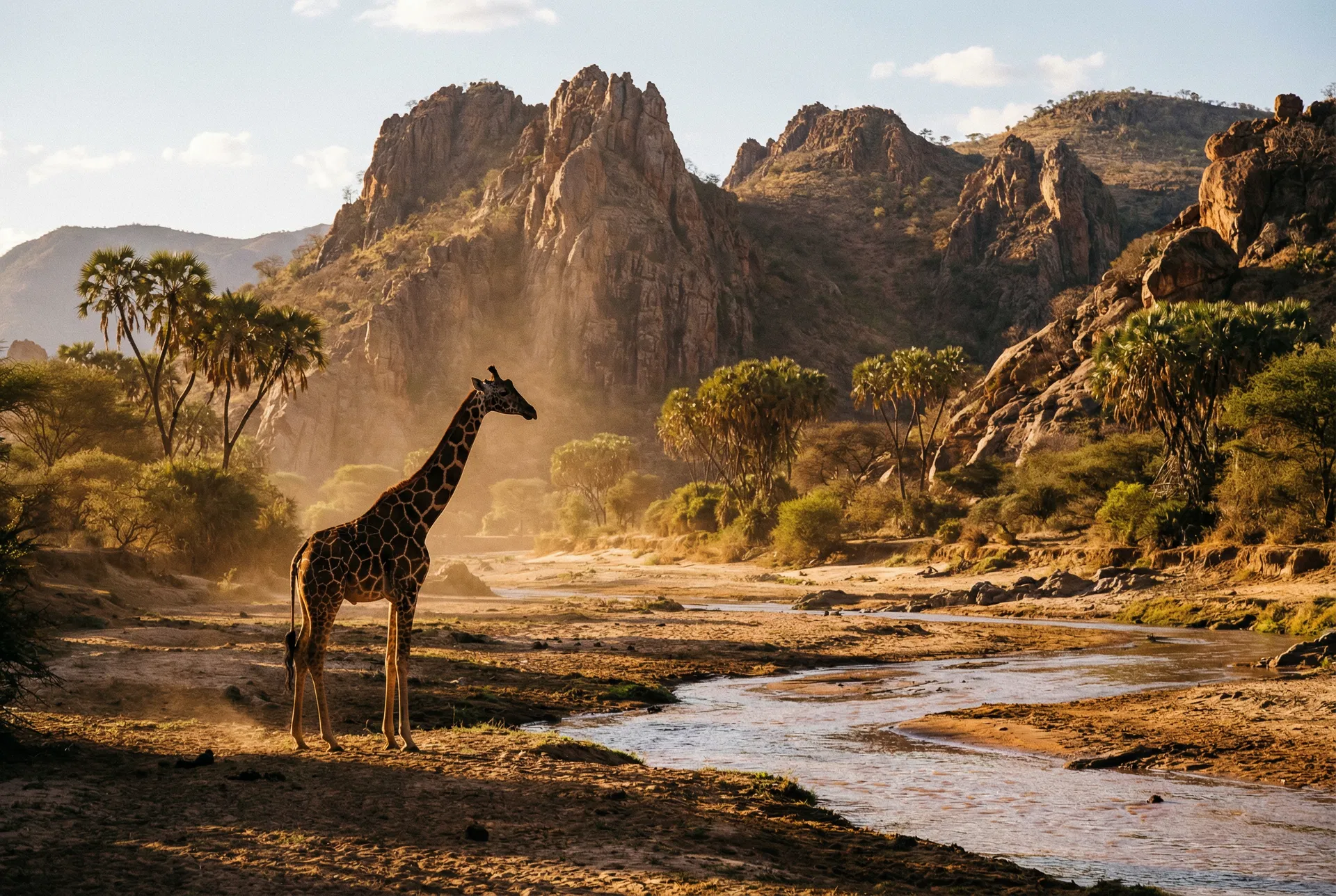
Beyond the Big Five, Tsavo East is home to a diverse range of other species. Large herds of buffalo, zebra, and giraffe are common, as are various antelope species. The park is one of the few places in Kenya where you can see the fringe-eared oryx, a striking desert-adapted antelope. Other notable species include the lesser kudu, gerenuk, and the critically endangered Hunter's hartebeest, also known as the hirola.
Best Time to Visit
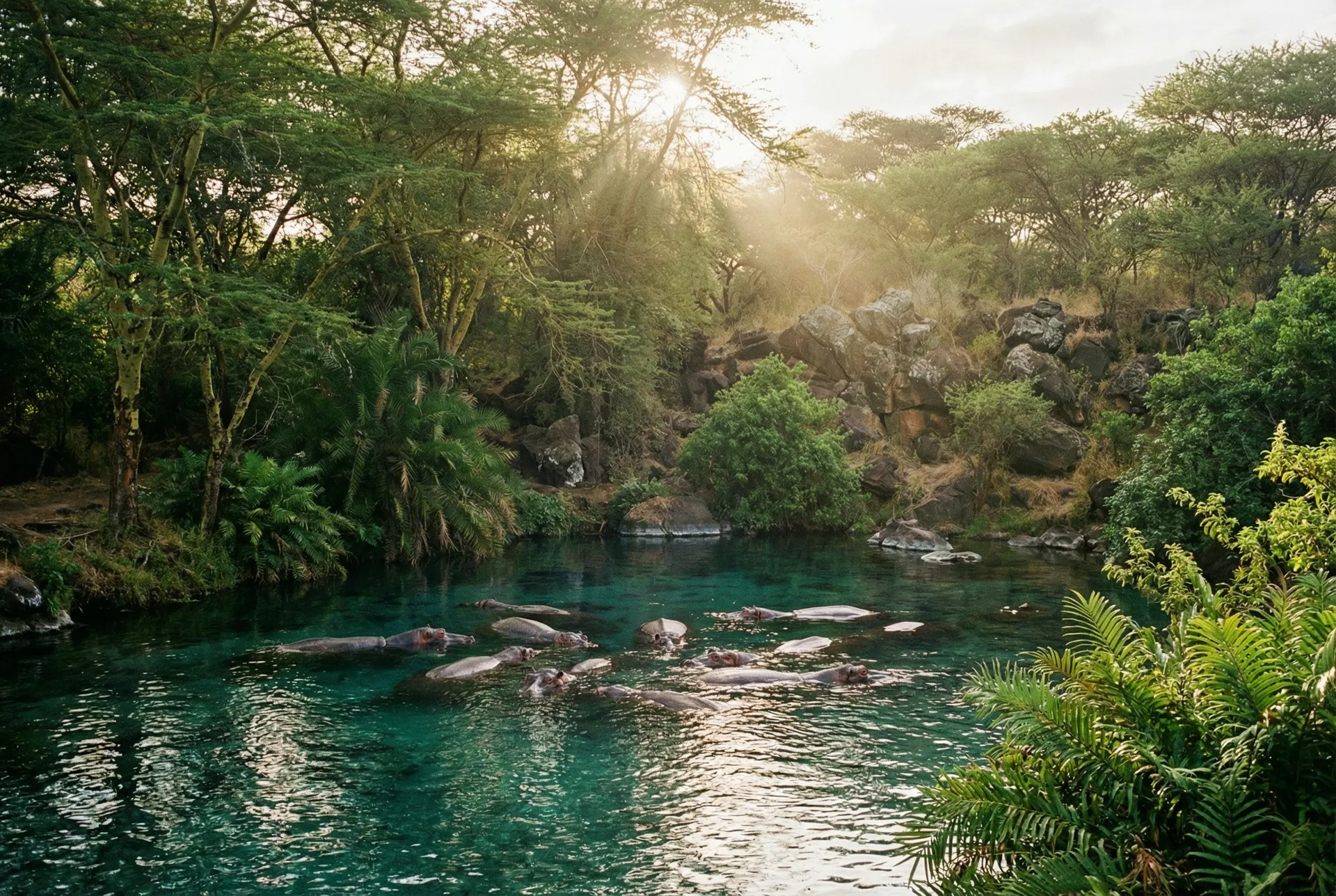
Tsavo East National Park is a year-round destination, but the best time for wildlife viewing is during the two dry seasons: from June to October and from January to February. During these months, the vegetation is sparse, making it easier to spot animals. More importantly, water sources become scarce, and wildlife congregates around the permanent waterholes and the Galana River, leading to more predictable and rewarding game viewing.
The long dry season, from June to October, is generally considered the peak season for safaris in Kenya. The weather is pleasant, with sunny days and cool nights. This is an excellent time to see large herds of elephants and other animals quenching their thirst at the river and waterholes. The short dry season, from January to February, is also a fantastic time to visit. The park is lush and green after the short rains, but the weather is still dry and conducive to game drives.
The two rainy seasons in Tsavo East are the long rains, from March to May, and the short rains, from November to December. While the park is still accessible during these periods, the rains can make some tracks impassable. However, the rainy seasons have their own unique appeal. The landscape is transformed into a vibrant green, and it's the best time for birdwatching, as migratory birds from Europe and North Africa are present. The rains also bring the birth of many young animals, adding another dimension to the safari experience.
Safari Experience
A safari in Tsavo East is defined by its wild and remote character. The primary activity is game drives, which are conducted in open-sided 4x4 vehicles, offering unobstructed views of the landscape and its inhabitants. The vastness of the park allows for a true sense of exploration, as you venture into different areas in search of wildlife. The northern part of the park, which is more remote and less visited, offers a particularly wild and exclusive safari experience.
In addition to traditional game drives, some lodges and camps in Tsavo East offer guided bush walks. These walks provide a more intimate and immersive way to experience the African bush. Led by experienced and armed guides, you will learn about the smaller details of the ecosystem, from animal tracks and signs to the medicinal uses of various plants. Walking safaris offer a different perspective on the environment and a chance to connect with nature on a deeper level.
Birdwatching is another popular activity in Tsavo East, with over 500 species of birds recorded in the park. The diverse habitats, from open plains to riverine forests, attract a wide variety of resident and migratory birds. The park is a paradise for bird enthusiasts, who can spot everything from ostriches and secretary birds to colorful kingfishers and hornbills.
Landscape and Ecosystem
Tsavo East National Park is a semi-arid landscape characterized by vast, open plains of savanna grassland and acacia scrub. The park is relatively flat, with the Yatta Plateau, the world's longest lava flow, forming a dramatic western boundary. The Galana River, which is formed by the confluence of the Tsavo and Athi rivers, is the lifeblood of the park, winding its way through the arid plains and creating a ribbon of green that attracts a high concentration of wildlife.
The park's ecosystem is a classic example of a semi-arid savanna, with a mix of open grasslands, acacia woodlands, and riverine forests. The red, volcanic soil is a defining feature of the landscape, giving the park its distinctive color and earning its elephants their "red" moniker. The Yatta Plateau, a massive lava flow that stretches for over 290 kilometers, is a remarkable geological feature that adds to the park's unique character.
Other notable features of the landscape include Mudanda Rock, a large inselberg that acts as a natural water catchment, and Lugard Falls, a series of rapids on the Galana River. The Aruba Dam, built on the Voi River, creates a permanent water source that attracts a wide variety of animals and birds. The combination of these diverse habitats and geological features supports a rich and varied ecosystem, making Tsavo East a vital conservation area.
Safari Activities
Tsavo East offers a range of classic safari activities that allow visitors to immerse themselves in its wild landscapes and abundant wildlife. The primary activity is game drives in open-sided 4x4 vehicles, which provide the best opportunities for wildlife viewing. The park's extensive network of tracks allows for exploration of different areas, from the open plains to the riverine forests along the Galana River.
For a more intimate experience, guided bush walks are available at some lodges and camps. Led by knowledgeable and armed guides, these walks offer a chance to learn about the smaller details of the ecosystem, including animal tracks, plants, and insects. It's a thrilling way to experience the bush on foot and gain a deeper appreciation for the environment.
Birdwatching is another highlight of a safari in Tsavo East. With over 500 bird species recorded, the park is a paradise for bird enthusiasts. The diverse habitats attract a wide variety of resident and migratory birds, and a guided birding walk or drive can be a rewarding experience.
Cultural visits to local villages can also be arranged, providing an opportunity to learn about the culture and traditions of the local communities. These visits offer a glimpse into the daily lives of the people who live alongside the park and a chance to support local artisans and community projects.
Where It Is Located
Tsavo East National Park is located in southeastern Kenya, approximately 233 kilometers (145 miles) from Nairobi and 250 kilometers (155 miles) from Mombasa. The park is easily accessible by road from both cities, with the main entrance gates being Manyani Gate, Voi Gate, Buchuma Gate, and Sala Gate.
The nearest airports to Tsavo East are the airstrips within the park itself, which are served by scheduled and charter flights from Nairobi and Mombasa. The main airstrips include Voi, Aruba, Satao, Sala, and Ithumba. Flying into one of these airstrips is the most convenient way to access the park, especially for those on a shorter safari itinerary.
For those driving, the journey from Nairobi takes approximately 4-5 hours, while the drive from Mombasa takes about 3-4 hours. The park is also accessible by the Madaraka Express, the standard gauge railway that runs between Nairobi and Mombasa. The train stops at Voi, which is located just outside the park, and from there, it's a short drive to the main entrance gate.
Who This Destination Is Best For
Tsavo East National Park is an excellent destination for a wide range of travelers, from first-time safari-goers to seasoned veterans. Its vast and wild landscape offers a sense of adventure and discovery that is hard to find in more crowded parks. The park is particularly well-suited for:
- First-Time Safari-Goers: Tsavo East provides a classic safari experience with abundant wildlife, including the Big Five. Its accessibility from Nairobi and Mombasa makes it an easy addition to any Kenya itinerary.
- Photographers: The park's dramatic landscapes, iconic red elephants, and beautiful light make it a photographer's dream. The open plains and sparse vegetation provide excellent opportunities for wildlife photography.
- Families: Tsavo East is a great destination for families with children. The park offers a range of family-friendly lodges and camps, and the abundance of wildlife will keep children entertained and engaged.
- Adventure Seekers: For those looking for a more off-the-beaten-path experience, the remote northern section of Tsavo East offers a true wilderness adventure. The rugged terrain and sense of isolation will appeal to those who want to get away from it all.
- Luxury Travelers: Tsavo East has a number of high-end lodges and camps that offer a luxurious and exclusive safari experience. These properties provide exceptional service, gourmet cuisine, and expert guiding, ensuring a comfortable and memorable stay.