Destination Overview
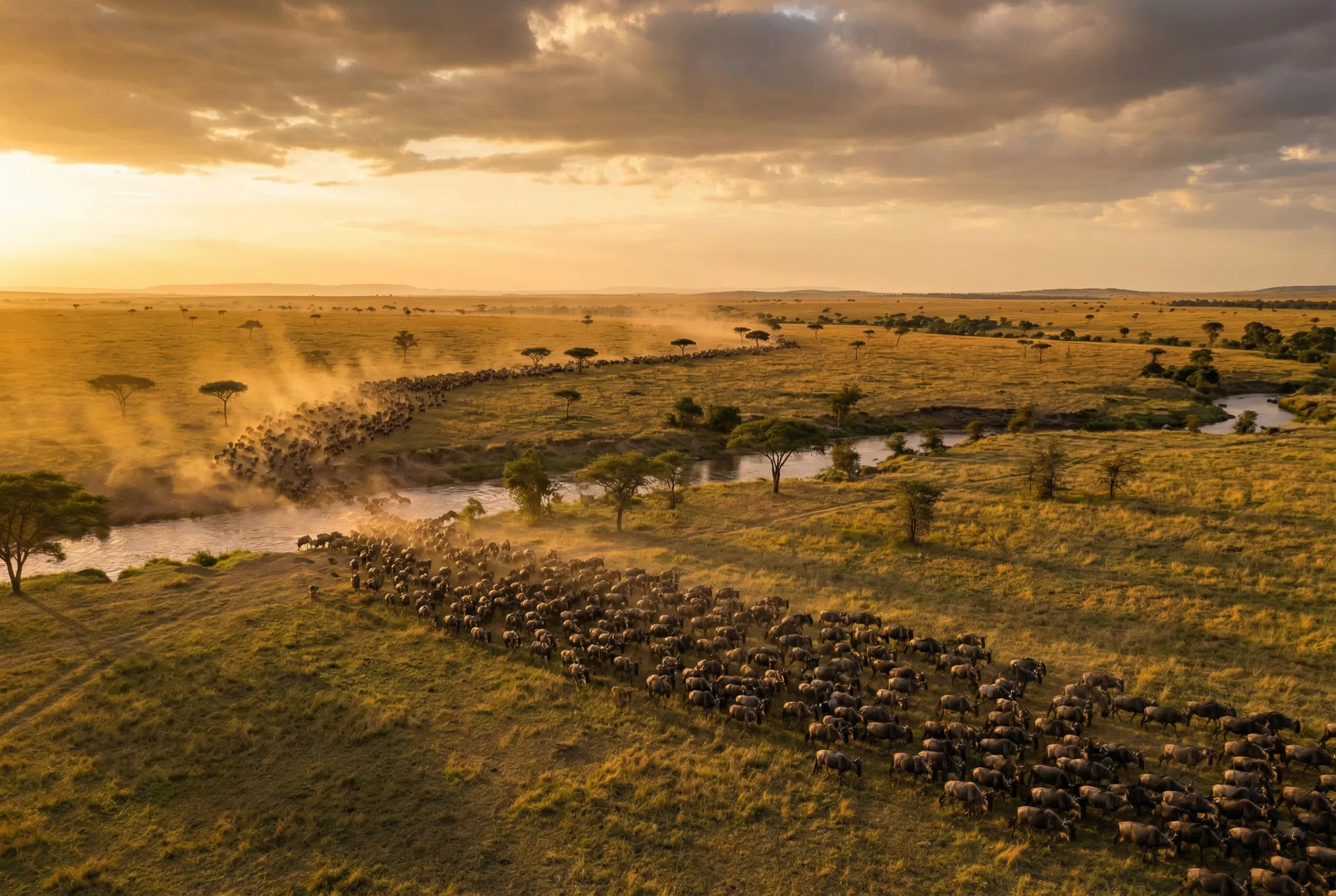
The Masai Mara National Reserve, located in southwestern Kenya, is a world-renowned safari destination and a jewel of East Africa. Spanning 1,510 square kilometers (583 square miles) of vast, rolling savannah, the Mara is synonymous with incredible wildlife viewing and dramatic natural beauty. It is most famous for the annual Great Migration, a breathtaking spectacle where over a million wildebeest, zebras, and other herbivores journey from the Serengeti in Tanzania to the lush grasslands of the Mara. This natural event, coupled with the region's rich biodiversity and vibrant Maasai culture, makes the Masai Mara a premier destination for safari enthusiasts from across the globe. The name "Masai Mara" itself is a tribute to the Maasai people who have inhabited the region for centuries and their word "Mara," meaning "spotted," which perfectly describes the landscape dotted with acacia trees.
Wildlife Highlights
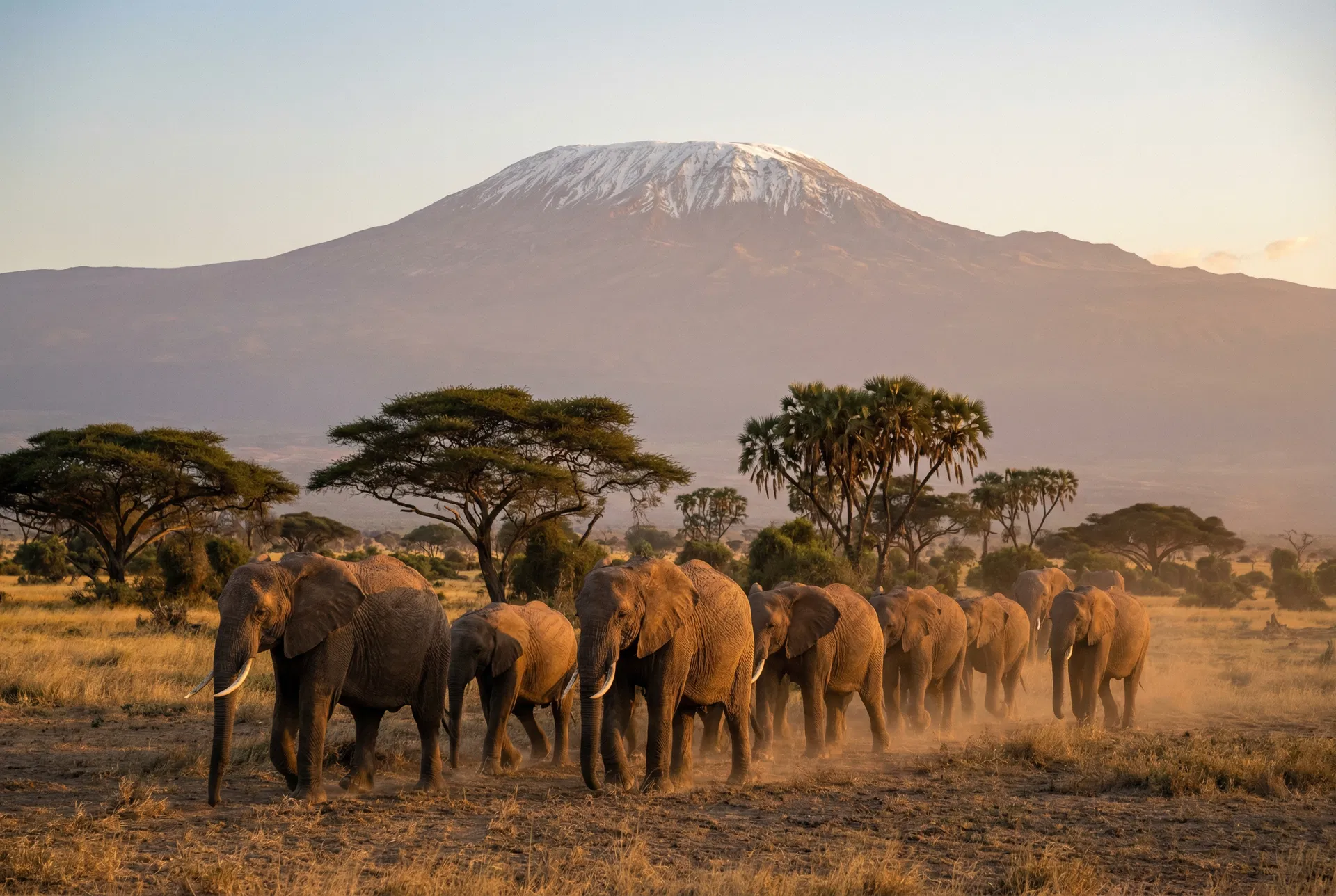
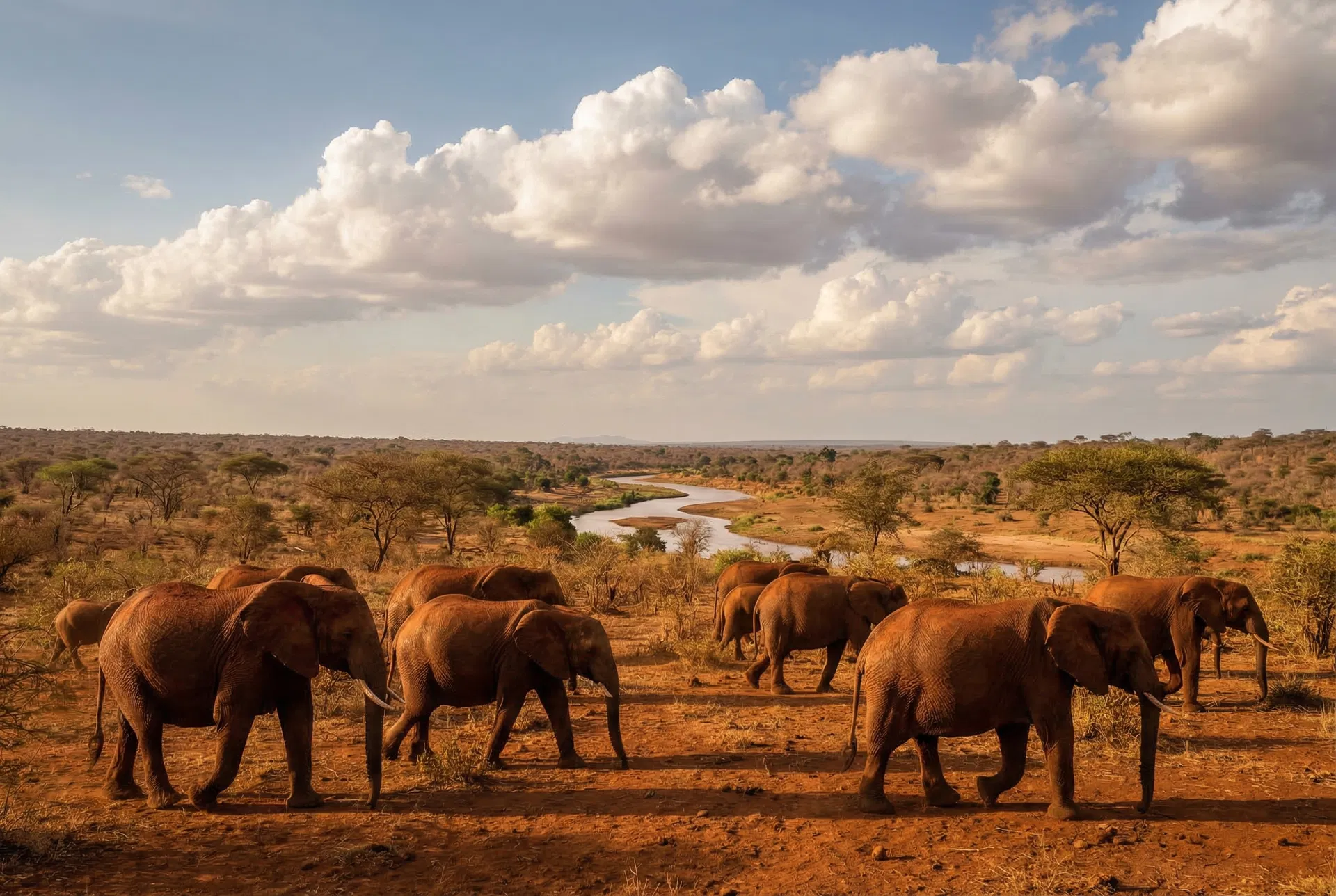
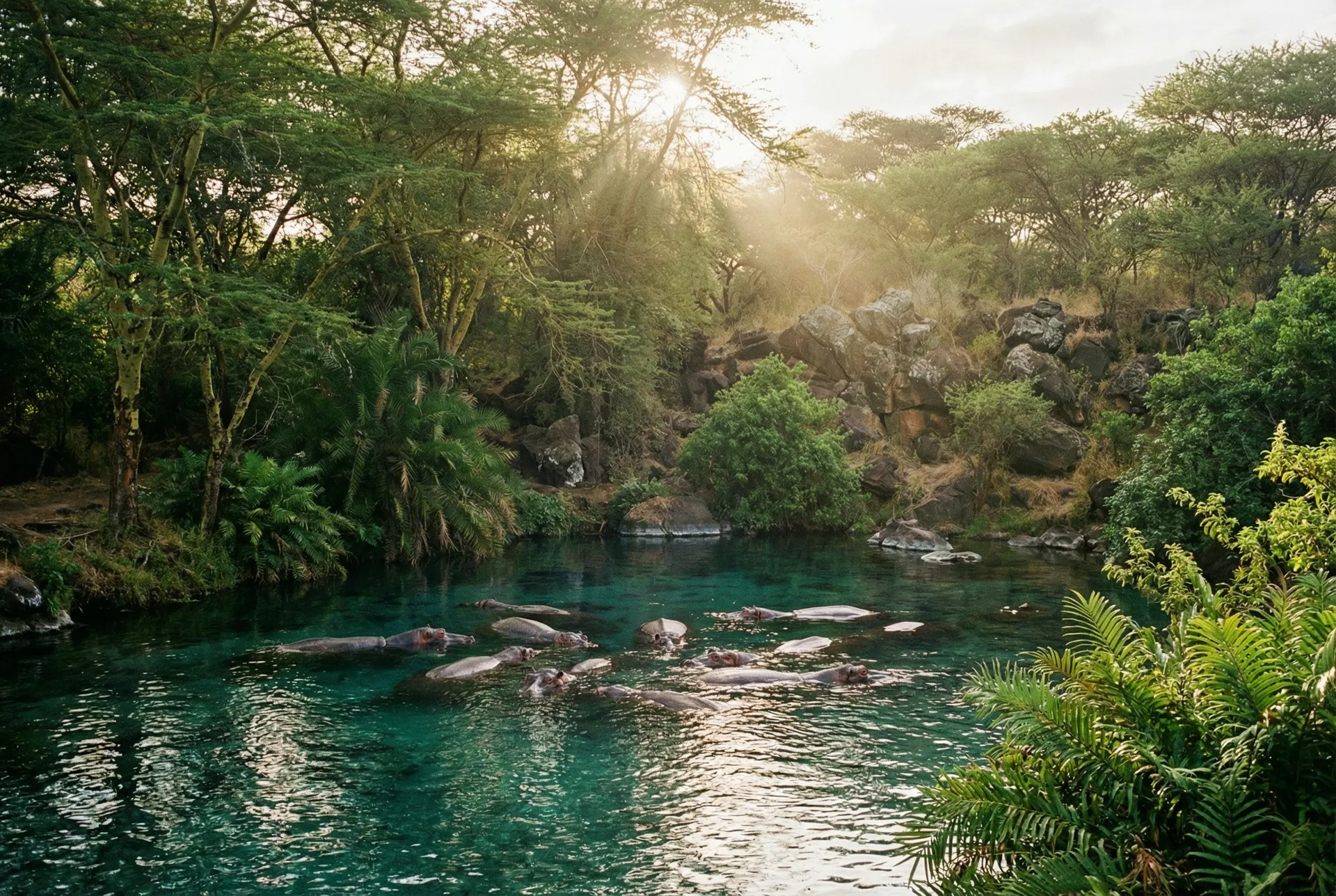
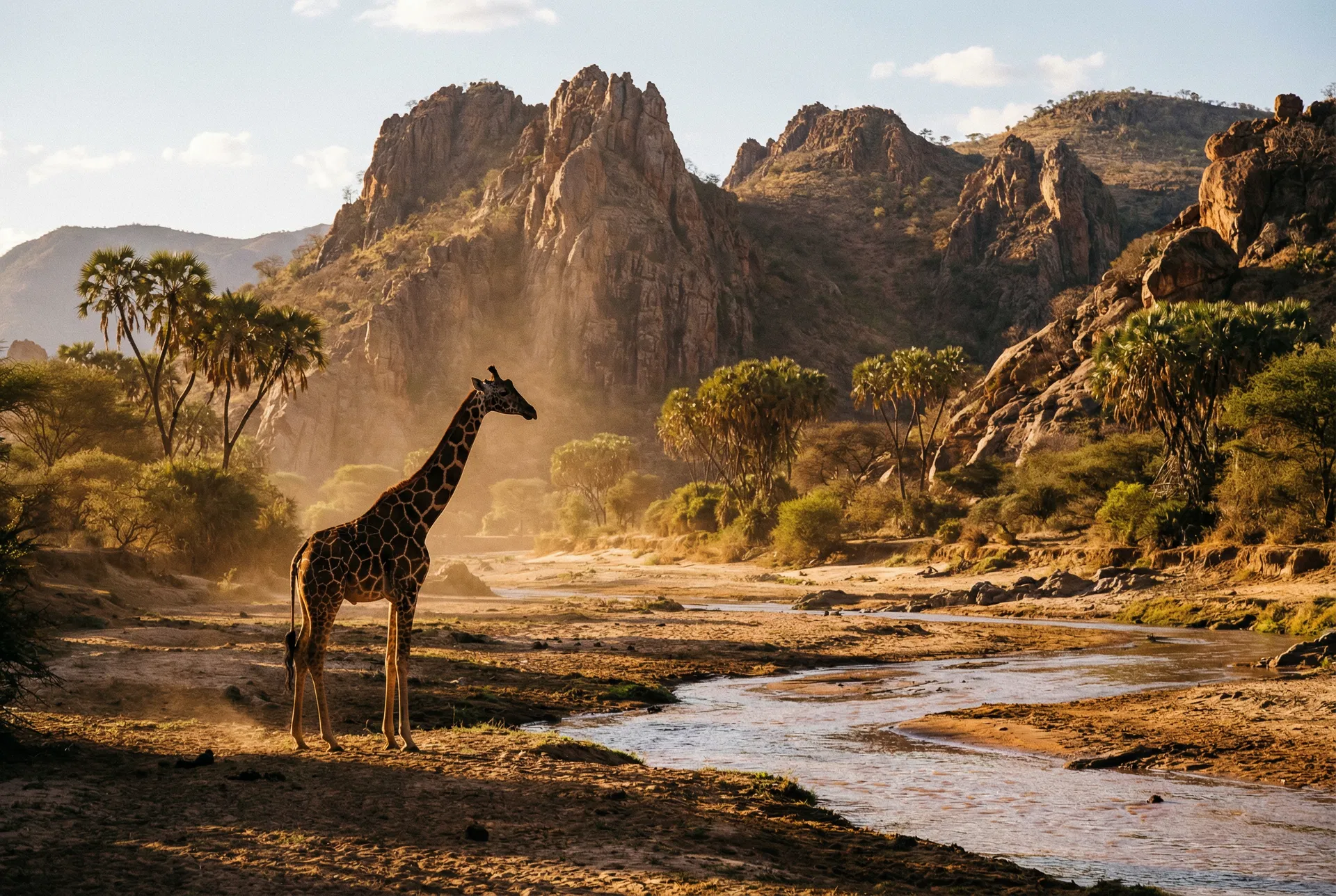
The Masai Mara is a sanctuary for an astonishing array of wildlife. It is one of the best places in Africa to encounter the "Big Five": the African lion, leopard, elephant, Cape buffalo, and the critically endangered black rhinoceros. The open plains are home to large prides of lions, and it is not uncommon to witness a hunt in action. Leopards, though more elusive, are frequently spotted in the riverine forests, while cheetahs can be seen scanning the grasslands for their next meal. Elephants and buffalo are abundant, and the Mara River is teeming with hippos and Nile crocodiles. Beyond the Big Five, the reserve is also home to a variety of other fascinating species, including giraffes, zebras, hyenas, and a diverse range of antelope such as impala, Thomson's gazelle, and topi. The birdlife is equally impressive, with over 470 species recorded, making it a paradise for ornithologists.
Best Time to Visit
The Masai Mara offers exceptional wildlife viewing throughout the year, but the best time to visit depends on your interests. The dry season, from June to October, is generally considered the best time for a safari. During these months, the weather is pleasant, with sunny days and cool nights, and the vegetation is less dense, making it easier to spot wildlife. This period also coincides with the Great Migration, which typically arrives in the Mara in July and remains until October. This is the time to witness the dramatic river crossings, a true highlight of any safari. The wet season, from November to May, is characterized by short and long rains. While some roads may become impassable, this is a beautiful time to visit as the landscape is lush and green, and there are fewer tourists. It is also the calving season for many animals, offering the chance to see newborns.
Safari Experience
A safari in the Masai Mara is an unforgettable experience. The primary activity is game drives, which are conducted in open-sided 4x4 vehicles, providing unobstructed views of the wildlife and landscape. These drives are led by experienced guides who have an intimate knowledge of the area and its inhabitants. For a unique perspective, hot air balloon safaris are a popular option, offering a breathtaking aerial view of the plains at sunrise, followed by a champagne breakfast in the bush. In the conservancies that border the national reserve, activities such as night game drives and guided bush walks are permitted, providing a more immersive and intimate safari experience. Cultural visits to a traditional Maasai village are also a popular activity, offering a fascinating insight into the lives of this iconic tribe.
Landscape and Ecosystem
The Masai Mara is characterized by its vast, open grasslands, dotted with acacia trees, which create the quintessential African savannah landscape. The Mara River, which flows through the reserve, is the lifeblood of the ecosystem, providing water for the abundant wildlife. The landscape is not entirely flat, with rolling hills and the Oloololo Escarpment in the west providing stunning panoramic views. The ecosystem is a complex and delicate balance of predators and prey, and the annual migration plays a crucial role in maintaining the health of the grasslands. The Masai Mara is part of the larger Serengeti-Mara ecosystem, one of the oldest and most complex ecosystems on Earth.
Safari Activities
The Masai Mara offers a wide range of activities to suit every interest. The most popular activities include:
- Game Drives: Explore the reserve in a 4x4 vehicle with an experienced guide.
- Hot Air Balloon Safaris: Enjoy a bird's-eye view of the Mara at sunrise.
- Walking Safaris: Get up close and personal with the flora and fauna on a guided bush walk (only available in the conservancies).
- Night Game Drives: Discover the nocturnal animals of the Mara on a guided night drive (only available in the conservancies).
- Cultural Visits: Visit a traditional Maasai village and learn about their unique culture and way of life.
- Birdwatching: The Masai Mara is a birdwatcher's paradise, with over 470 species to be seen.
Where It Is Located
The Masai Mara National Reserve is located in Narok County, Kenya, approximately 270 kilometers (170 miles) from Nairobi, the capital city. The journey from Nairobi takes around 5-6 hours by road, or a short 45-minute flight to one of the many airstrips in and around the reserve. The main access road to the Mara is known to be in poor condition, so many visitors opt for a fly-in safari.
Who This Destination Is Best For
The Masai Mara is a destination that appeals to a wide range of travelers. It is an excellent choice for first-time safari-goers, as the wildlife viewing is consistently superb. It is also a dream destination for photographers, with its dramatic landscapes and abundant wildlife providing endless photographic opportunities. Luxury travelers will find a wide range of high-end lodges and camps to choose from, while families will appreciate the variety of activities on offer. Adventure seekers will enjoy the thrill of a walking safari or a night game drive. In short, the Masai Mara is a destination that has something to offer everyone.