Destination Overview
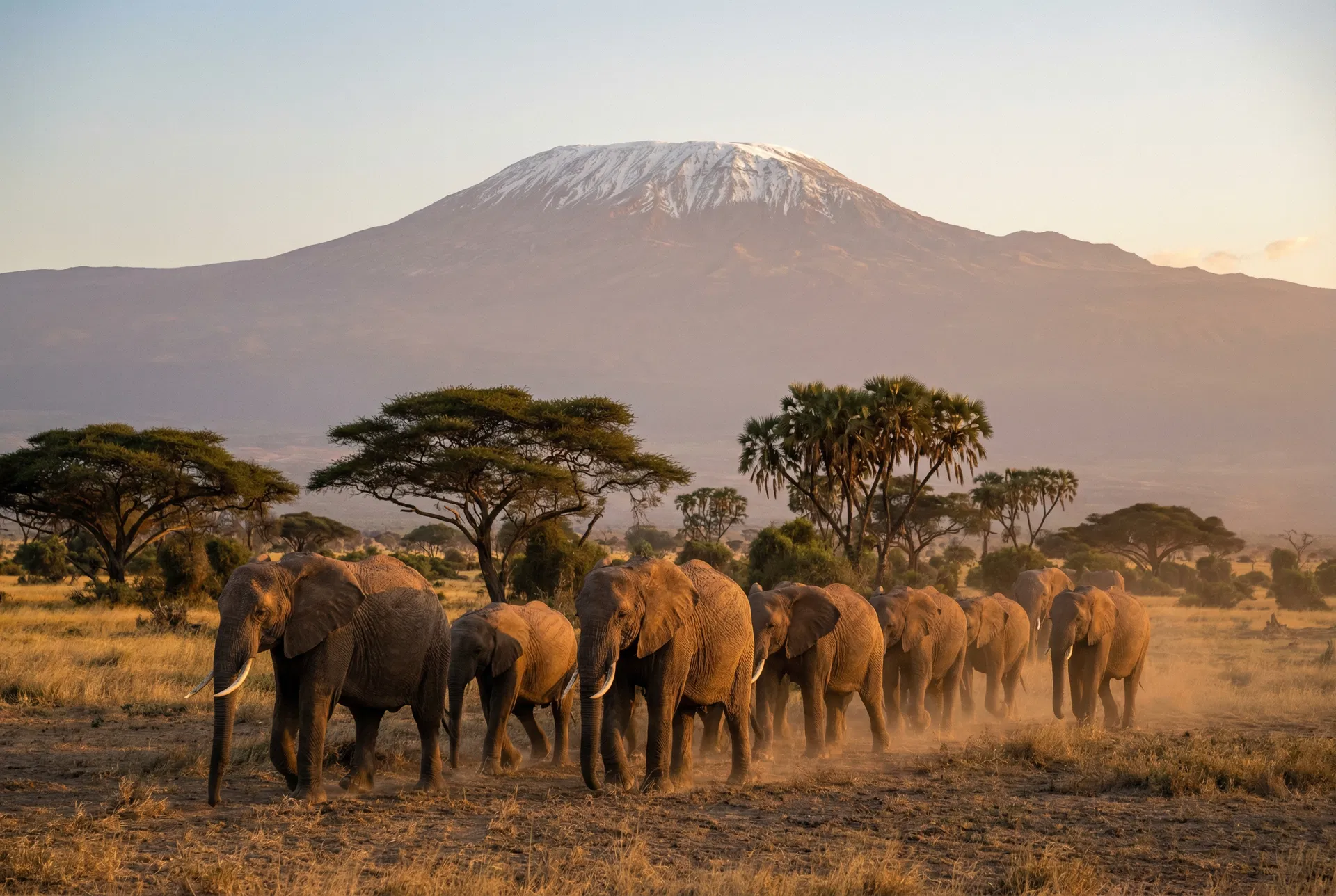
Amboseli National Park, located in southern Kenya, is renowned for its spectacular landscapes and abundant wildlife, set against the iconic backdrop of Mount Kilimanjaro. Though the mountain itself is in neighboring Tanzania, its snow-capped peak provides a breathtaking vista that has become synonymous with the African safari experience. The park is most famous for its large herds of African elephants, which roam the dusty plains and gather in the wetlands. Designated a UNESCO Man and the Biosphere Reserve in 1991, Amboseli offers a unique ecosystem characterized by its stark, beautiful contrasts—from arid plains to lush, spring-fed swamps. Travelers are drawn to Amboseli for the unparalleled opportunity to photograph elephants and other wildlife with the world's tallest free-standing mountain as a dramatic backdrop, making it a quintessential East African safari destination.
Wildlife Highlights
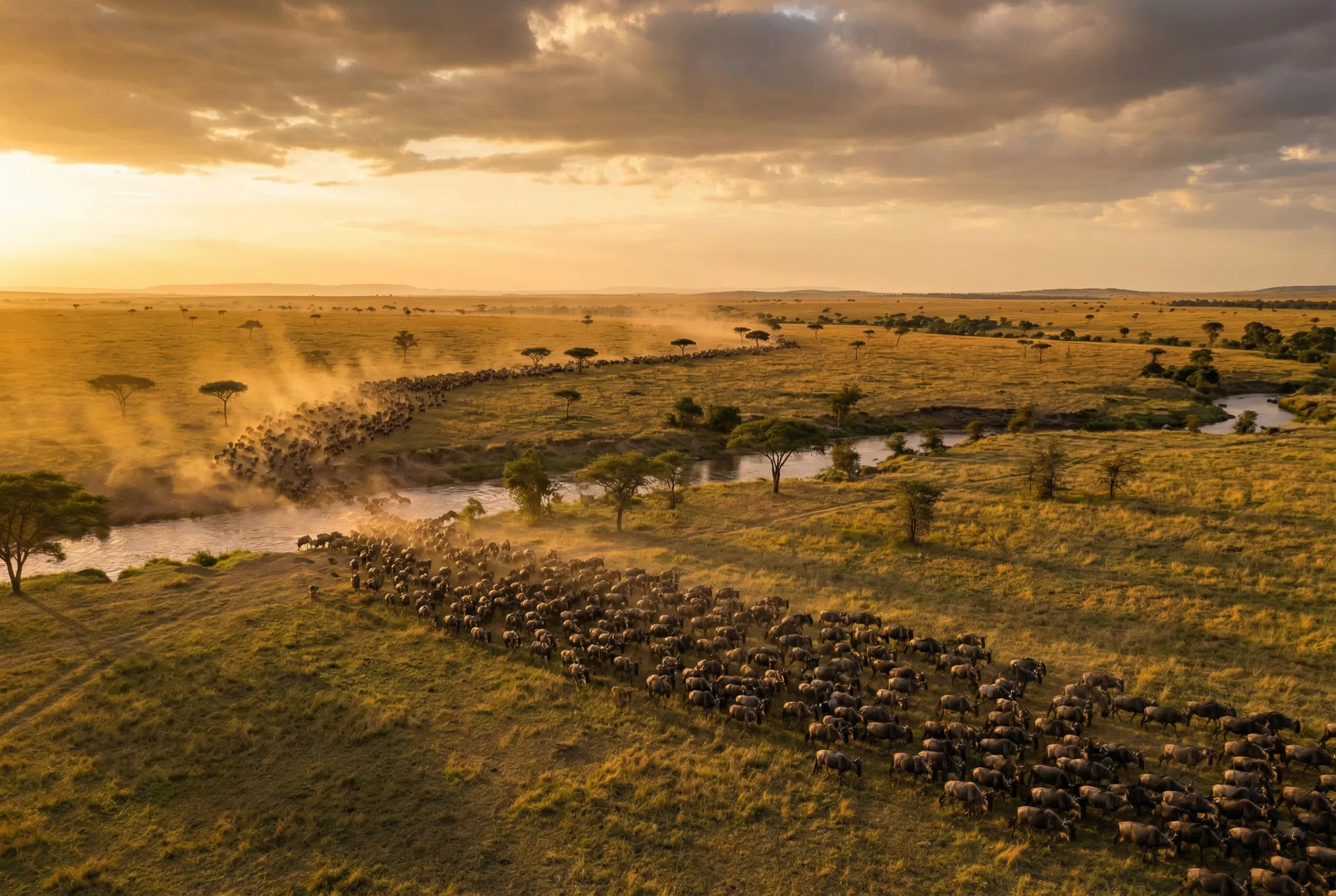
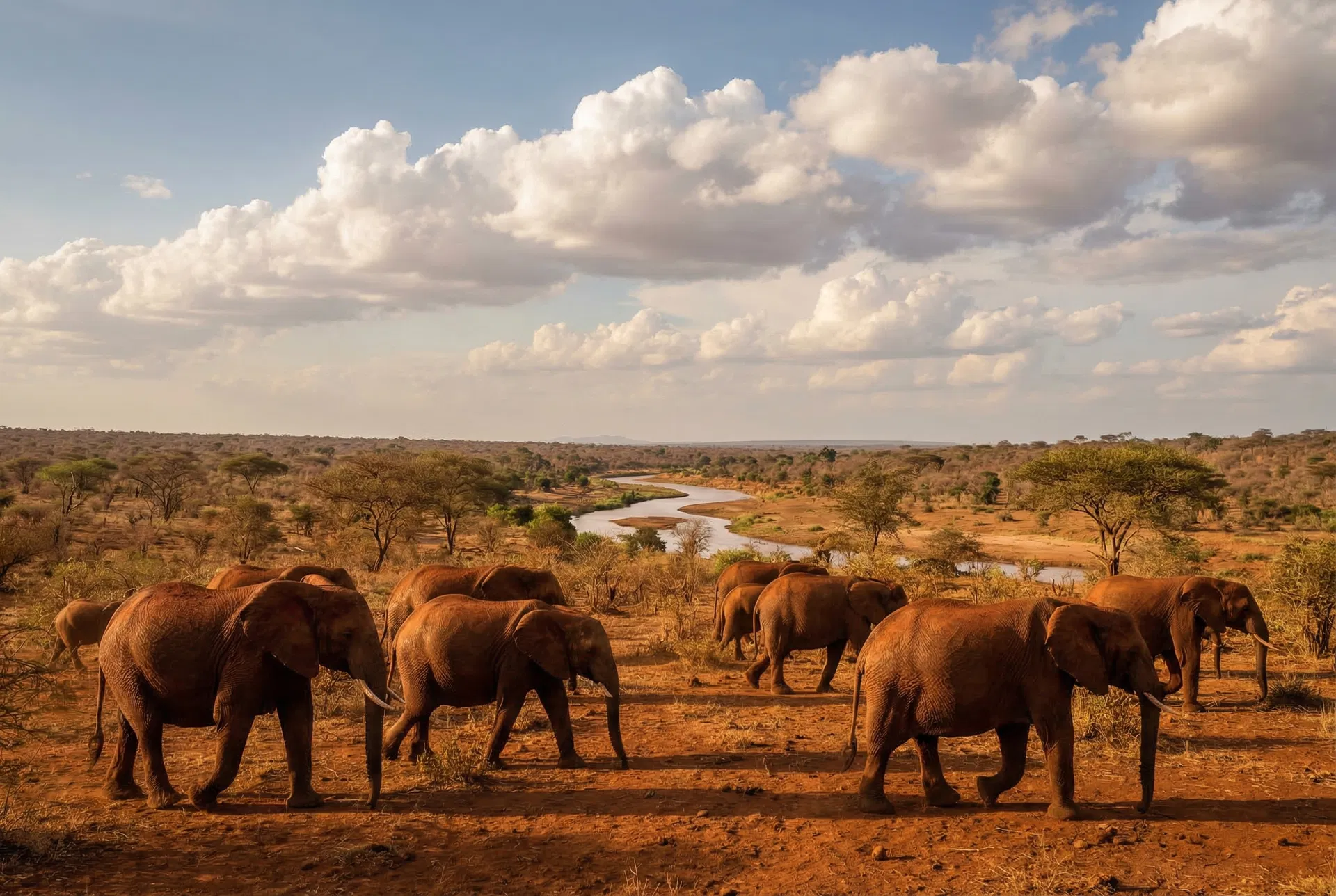
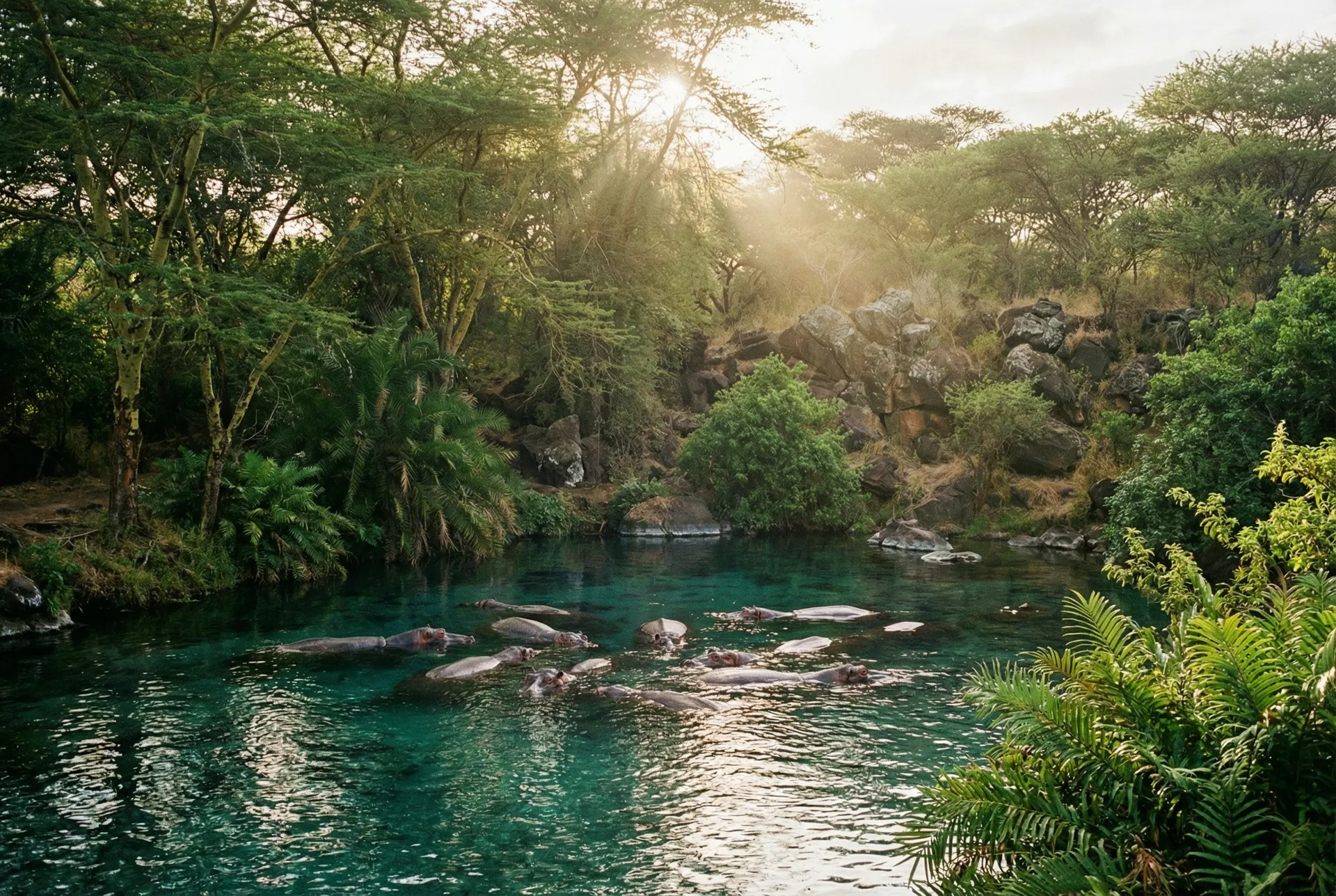
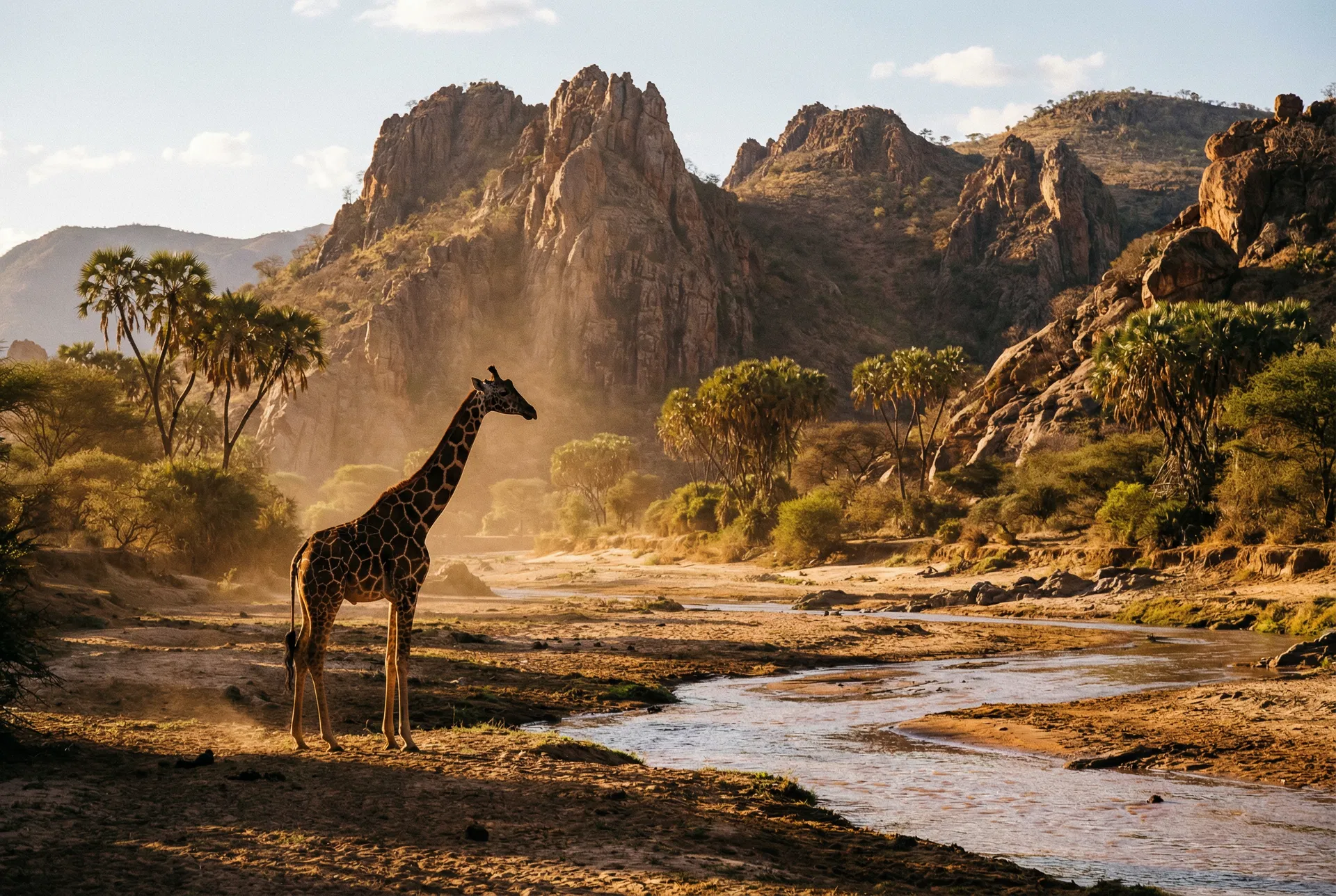
Amboseli is one of the best places in Africa to get up close to free-ranging elephants. The park is home to over 1,500 of these gentle giants, and its open terrain makes for excellent viewing. The elephants of Amboseli have been the subject of one of the longest-running studies of a wild mammal population in the world, conducted by the Amboseli Trust for Elephants. Beyond its elephant herds, the park supports a rich diversity of other species. Predators such as lions, cheetahs, and spotted hyenas are regularly sighted. Large herbivores are also abundant, including herds of Burchell's zebra, wildebeest, Maasai giraffe, and Cape buffalo. The park's wetlands are a haven for hippos, while the surrounding plains support graceful antelope species like impala and Thomson's gazelle. Birdlife is prolific, with over 420 recorded species, including large flocks of lesser and greater flamingos that congregate in the seasonal lakebeds.
Best Time to Visit
The best time to visit Amboseli National Park is during the dry seasons, from June to October and from January to February. During these months, the weather is generally clear and dry, and the vegetation is sparse, making wildlife easier to spot. Animals congregate around the permanent swamps and waterholes, providing more predictable and rewarding game viewing opportunities. The views of Mount Kilimanjaro are also typically clearer during the early mornings and late afternoons of the dry season. The long rainy season, from March to May, and the short rainy season, from November to December, can make some of the park's dirt roads impassable. However, these periods bring lush, green landscapes and fewer crowds, offering a different kind of beauty for the intrepid traveler.
Safari Experience
The safari experience in Amboseli is predominantly centered on game drives. The park's relatively compact size and open plains allow for excellent wildlife viewing from a safari vehicle. Morning and afternoon game drives are the standard, offering the best light for photography and the highest chances of seeing active wildlife. The landscape, with its vast, flat plains, allows for far-reaching views, making it easier to spot distant herds or a predator on the move. While walking safaris are not permitted inside the national park itself, they are offered in the surrounding private conservancies, providing a more intimate and adventurous way to explore the ecosystem on foot. Cultural visits to local Maasai communities are also a popular addition to the safari experience, offering insight into the traditional lifestyle of the people who have coexisted with this region's wildlife for centuries.
Landscape and Ecosystem
Amboseli's landscape is a study in contrasts, defined by its arid, dusty plains and life-giving wetlands. The park lies at the heart of a Pleistocene lake basin, and its soil is composed of loose, volcanic dust. This creates the iconic dusty plains that characterize much of the park. However, the ecosystem is sustained by a network of underground springs, fed by the melting ice cap of Mount Kilimanjaro. This water filters through volcanic rock and emerges in the heart of Amboseli, creating permanent swamps and marshes like the Enkongo Narok and Olokenya Swamps. These lush, green oases attract dense concentrations of wildlife and stand in stark contrast to the surrounding dry plains. The park also features scattered acacia woodlands, which provide habitat for giraffes and a variety of bird species. This unique combination of arid and wetland environments, all under the watchful eye of Kilimanjaro, makes Amboseli an ecologically significant and visually stunning destination.
Safari Activities
Amboseli National Park offers a focused but deeply rewarding range of safari activities. The primary activity is game drives, which provide the best opportunities to explore the park and see its famous elephant herds and other wildlife. Photography is a major draw, with the iconic image of elephants against the backdrop of Mount Kilimanjaro being a bucket-list shot for many wildlife photographers. Birdwatching is another popular activity, thanks to the park's diverse avian population. For a cultural dimension, many lodges and camps offer guided visits to nearby Maasai villages, where travelers can learn about the community's customs, traditions, and relationship with the land. For those staying in the private conservancies that border the national park, activities such as guided bush walks and night game drives are often available, offering different perspectives on the African bush.
Where It Is Located
Amboseli National Park is situated in the Kajiado South Constituency in Kajiado County, Kenya. It lies in the southern part of the country, right on the border with Tanzania. The park is approximately 240 kilometers (150 miles) southeast of Nairobi, Kenya's capital city. The journey by road from Nairobi typically takes around four to five hours. For those preferring to fly, the park is served by the Amboseli Airport (ASV), with daily scheduled flights from Nairobi's Wilson Airport. These flights offer a quick and scenic way to reach the park, taking approximately 45 minutes. Jomo Kenyatta International Airport (NBO) in Nairobi is the primary international gateway for travelers arriving from abroad.
Who This Destination Is Best For
Amboseli National Park is an excellent destination for a wide range of travelers. It is particularly well-suited for first-time safari-goers due to its easy accessibility from Nairobi and reliable wildlife sightings. Wildlife photographers, both amateur and professional, will find Amboseli to be a paradise, offering some of the most iconic and photogenic scenes in Africa. The park's flat, open terrain and large elephant herds provide endless photographic opportunities. Families will appreciate the relatively short travel times and the abundance of wildlife to keep younger travelers engaged. Luxury travelers are also well-catered for, with a selection of high-end lodges and camps offering premium service and exclusive experiences. While it may not offer the same rugged wilderness feel as some of Africa's more remote parks, Amboseli's unique combination of spectacular scenery and prolific wildlife makes it a must-visit destination on any Kenyan safari itinerary.