Destination Overview
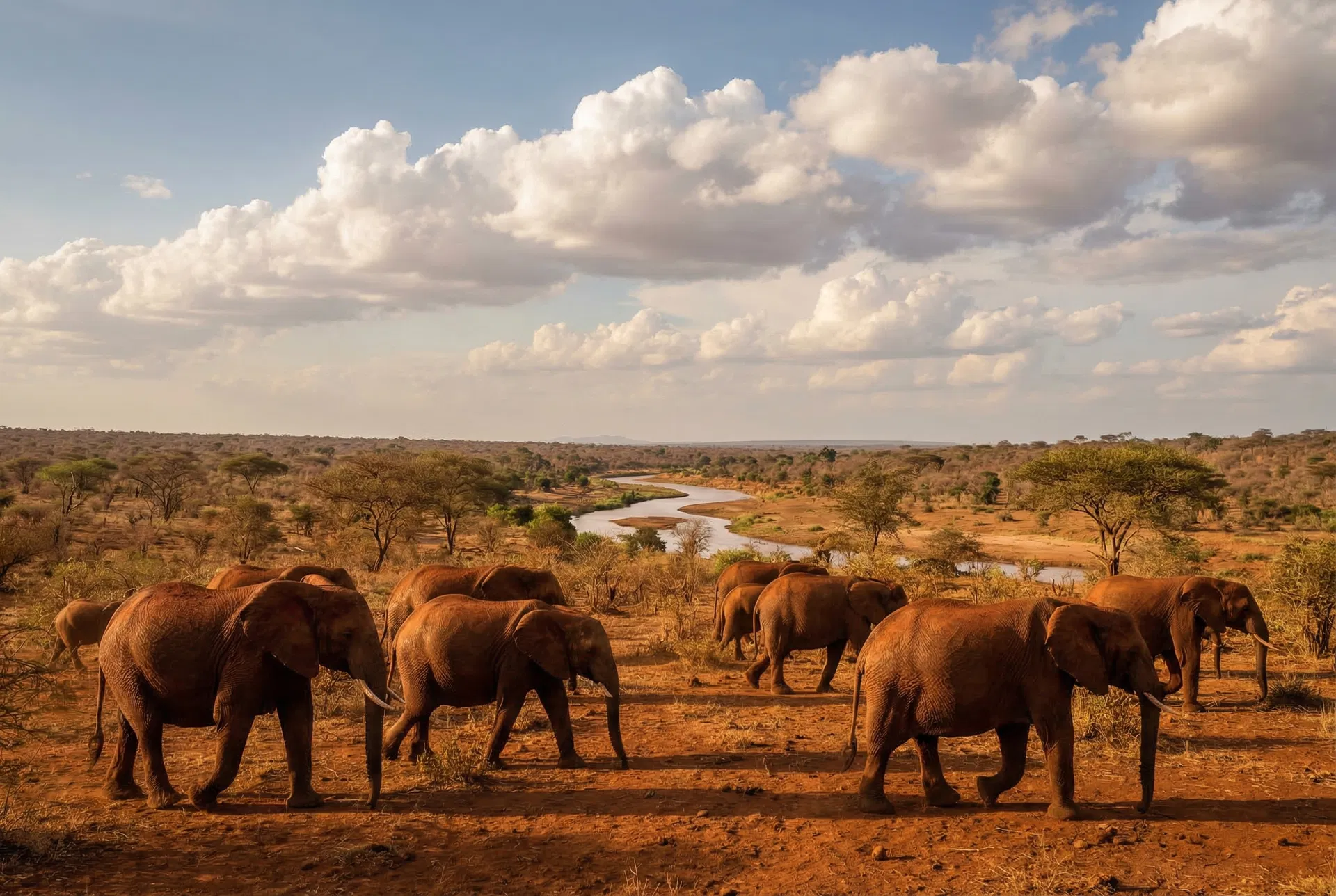
Samburu National Reserve, a rugged and beautiful wilderness in northern Kenya, offers a safari experience that is both unique and authentic. Situated on the banks of the Ewaso Ng'iro River, this semi-arid reserve is a world away from the more famous plains of the Masai Mara. Samburu is renowned for its dramatic landscapes, its rich Samburu culture, and its remarkable wildlife, including species not found in other parts of Kenya. For travelers seeking an off-the-beaten-path adventure, a visit to Samburu promises an unforgettable journey into a wild and untamed corner of Africa.
Wildlife Highlights
While Samburu is home to a wide variety of wildlife, including large herds of elephants and predators like lions, leopards, and wild dogs, it is most famous for the “Samburu Special 5.” These are five species of animals that are uniquely adapted to the arid conditions of the region and are rarely found elsewhere in Kenya. They include:
- The Gerenuk: This long-necked antelope has the remarkable ability to stand on its hind legs to reach the tender leaves of acacia trees.
- The Grevy's Zebra: Larger than the common plains zebra, the Grevy's zebra is distinguished by its narrow, close-set stripes.
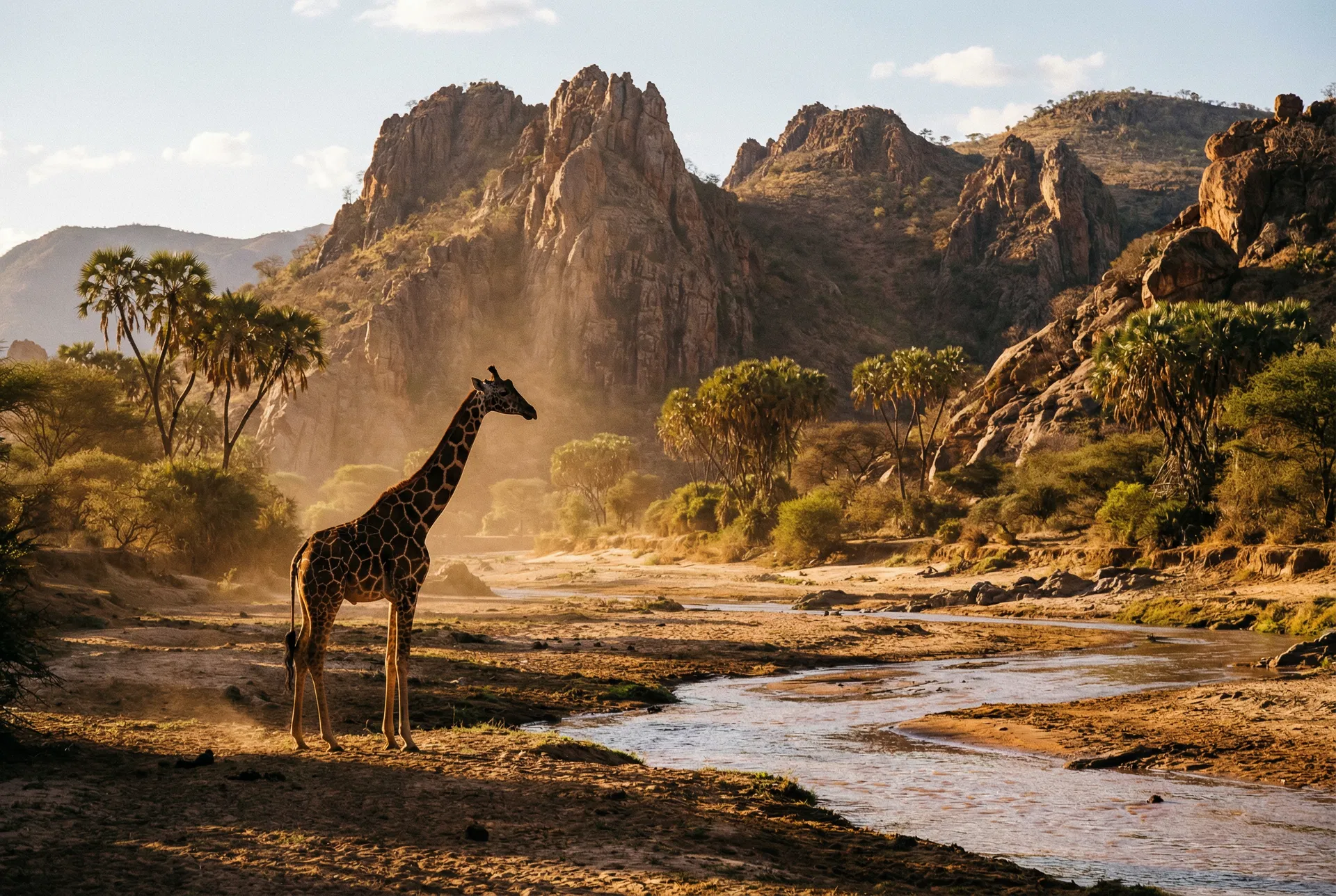
- The Reticulated Giraffe: This giraffe subspecies is known for its striking, well-defined geometric coat pattern.
- The Somali Ostrich: The Somali ostrich is easily identified by its distinctive blue-gray neck and legs.
- The Beisa Oryx: This handsome antelope with its long, straight horns is a true desert survivor.
In addition to the Samburu Special 5, the reserve is a birdwatcher's paradise, with over 450 recorded species, including the vulturine guineafowl, the kori bustard, and the secretary bird.
Best Time to Visit
Samburu National Reserve is a year-round destination, with each season offering a different experience. The dry season, from June to October, is generally considered the best time for wildlife viewing. During these months, the vegetation is sparse, and animals congregate around the Ewaso Ng'iro River, the only permanent water source in the reserve, making them easier to spot.
The wet season, from November to April, transforms the landscape into a lush, green paradise. This is the best time for birdwatching, as migratory birds from Europe and North Africa arrive in the reserve. While wildlife viewing can be more challenging during the wet season due to the dense vegetation, the scenery is spectacular, and there are fewer visitors.
Safari Experience
The safari experience in Samburu is centered around game drives, which are typically conducted in open-sided 4x4 vehicles. These drives offer the opportunity to explore the diverse landscapes of the reserve and to encounter its unique wildlife. Because Samburu is less crowded than other Kenyan parks, you are likely to have more intimate and exclusive wildlife sightings.
In addition to game drives, many lodges in Samburu offer guided walking safaris. These walks provide a more immersive experience, allowing you to connect with the wilderness on a deeper level and to learn about the smaller creatures and plants that are often missed from a vehicle. Camelback safaris are another unique activity offered in Samburu, providing a traditional mode of transport and a different perspective on the landscape.
Landscape and Ecosystem
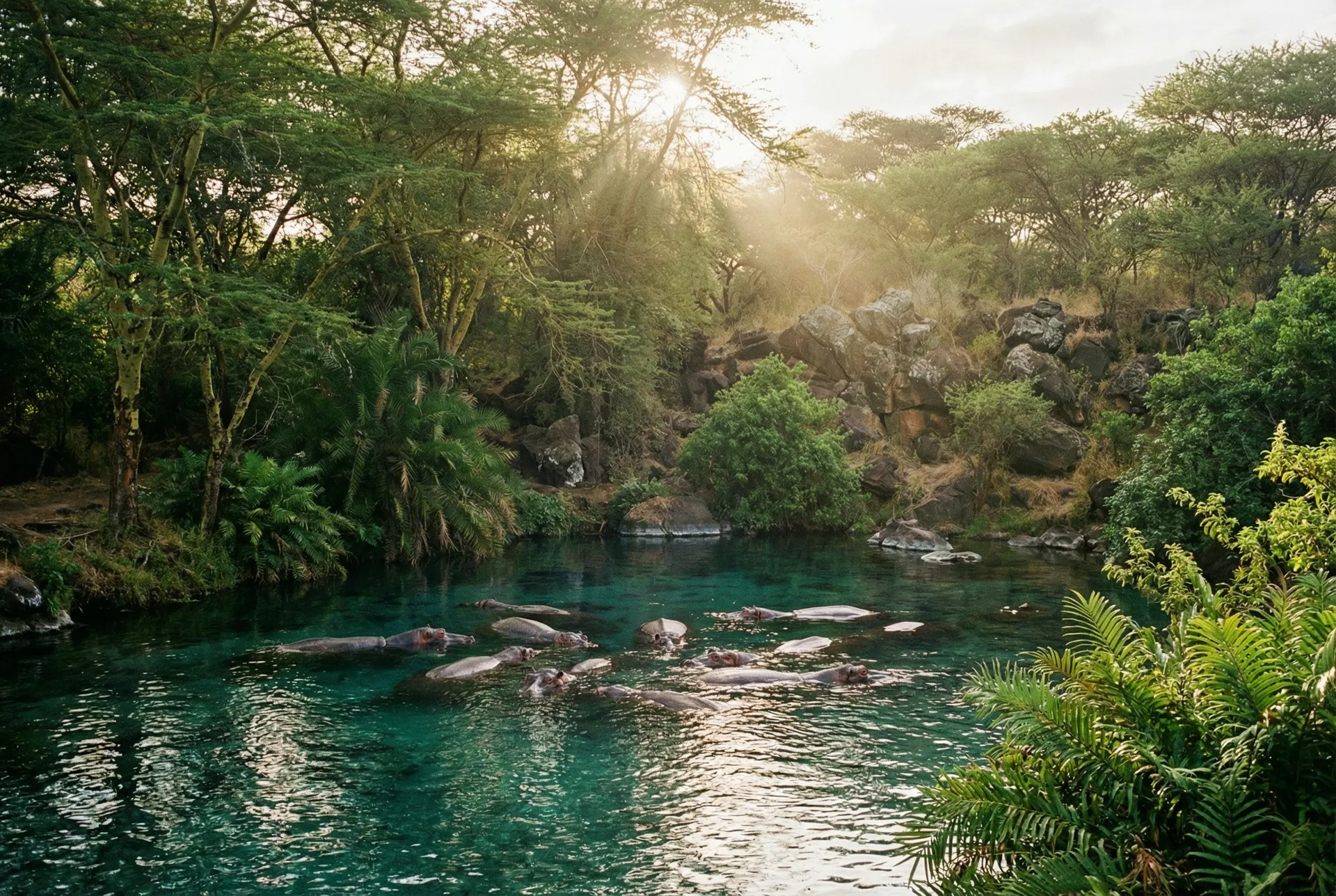
Samburu's landscape is a dramatic tapestry of arid savanna, riverine forests, and rugged, rocky outcrops known as kopjes. The Ewaso Ng'iro River, which flows through the heart of the reserve, is the lifeblood of this ecosystem, attracting a high concentration of wildlife. The river is fringed with a ribbon of acacia and doum palm trees, creating a stark contrast to the surrounding dry bushland.
The reserve's semi-arid climate and unique geology have given rise to a specialized ecosystem that supports a fascinating array of plant and animal life. The combination of open plains, dense riverine vegetation, and rocky hills provides a variety of habitats for the diverse wildlife that calls Samburu home.
Safari Activities
Samburu National Reserve offers a range of activities to suit every interest:
- Game Drives: Explore the reserve in a 4x4 vehicle in search of the Samburu Special 5 and other wildlife.
- Guided Bush Walks: Discover the smaller wonders of the bush on a walking safari with an experienced Samburu guide.
- Camelback Safaris: Experience the landscape from a different perspective on a traditional camel trek.
- Birdwatching: With over 450 species of birds, Samburu is a paradise for bird lovers.
- Cultural Visits: Visit a local Samburu village to learn about the customs and traditions of this fascinating tribe.
- Stargazing: With its clear, unpolluted skies, Samburu offers some of the best stargazing in Africa.
Where It Is Located
Samburu National Reserve is located in northern Kenya, approximately 350 kilometers (220 miles) from Nairobi. The reserve is accessible by road, but the journey is long and on rough roads. The easiest and most popular way to get to Samburu is by a scheduled flight from Nairobi's Wilson Airport to one of the airstrips in the reserve. The flight takes approximately one hour.
Who This Destination Is Best For
Samburu National Reserve is an ideal destination for:
- Seasoned Safari-Goers: For those who have been on safari before and are looking for a new and different experience, Samburu offers a unique and rewarding adventure.
- Photographers: The dramatic landscapes and unique wildlife of Samburu provide endless opportunities for stunning photography.
- Cultural Enthusiasts: A visit to a Samburu village offers a fascinating insight into the traditional way of life of the Samburu people.
- Adventure Seekers: With its wild and untamed wilderness, Samburu is the perfect destination for those seeking a true African adventure.
- Families: Samburu offers a range of family-friendly lodges and activities, making it a great destination for a family safari.